

Your car’s interior says a lot about you. Clean, fresh seats and a tidy cabin not only make every drive more enjoyable but also protect your investment.
If you’ve been wondering how to clean car seats and interior effectively without spending hours or using harsh chemicals, you’re in the right place. This guide will show you simple, practical steps to restore your car’s inside to its best condition.
Ready to transform your ride? Let’s dive in!
Preparing Your Car Interior
Preparing your car interior is the first step in a thorough cleaning process. It helps you clean faster and better. Taking time to prepare also protects your car’s materials from damage. Follow these simple steps to get ready for cleaning.
Gathering Cleaning Supplies
Start by collecting all the cleaning tools you need. Get a vacuum cleaner, microfiber cloths, brushes, and cleaning sprays. Use a cleaner made for your car’s seat material, like leather or fabric. Having everything ready saves time and effort.
Removing Loose Debris
Clear out trash and loose dirt from the seats and floor. Use a vacuum to pick up crumbs, dust, and small stones. Check under the seats and in crevices for hidden debris. This step stops dirt from spreading during cleaning.
Protecting Sensitive Areas
Cover electronic parts like the dashboard and infotainment system with plastic wrap or cloth. Avoid getting water or cleaning sprays on these areas. Also, protect delicate seat stitching by using gentle brushes. This keeps your car safe from damage.

Credit: www.nissanusa.com
Cleaning Fabric Car Seats
Fabric car seats can get dirty fast. Dust, crumbs, and spills hide in the fibers. Cleaning them keeps your car fresh and comfortable. It also helps the seats last longer. Follow these simple steps to clean fabric seats effectively.
Vacuuming Thoroughly
Start by vacuuming the seats well. Use a vacuum with a brush attachment. This removes loose dirt and crumbs. Pay attention to seams and crevices. A clean surface makes stain removal easier. Vacuum both the seat and backrest.
Treating Stains Effectively
Spot clean stains as soon as possible. Blot spills with a clean cloth to absorb liquid. Avoid rubbing, which can spread the stain. Use a fabric cleaner made for car seats. Apply it gently with a soft brush or cloth. Let it sit a few minutes before wiping.
Deep Cleaning Techniques
For a thorough clean, use a steam cleaner or upholstery shampoo. Follow product instructions carefully. Work in small sections for even cleaning. Avoid soaking the fabric to prevent mold growth. Allow seats to dry completely before use. Good airflow speeds up drying time.
Cleaning Leather Car Seats
Leather car seats add a touch of style and comfort to any vehicle. Keeping them clean helps maintain their look and feel. Dirt, sweat, and spills can damage leather over time. Regular cleaning protects the material and extends its life.
Cleaning leather requires gentle care and the right products. Harsh chemicals or rough scrubbing can cause cracks or fading. Follow simple steps to keep your seats soft and fresh.
Choosing The Right Cleaner
Select a cleaner made specifically for leather. Avoid household cleaners or harsh detergents. These can dry out the leather and cause damage. Test the cleaner on a small, hidden area first. Look for a product that removes dirt without stripping oils. A pH-balanced cleaner is best for preserving leather’s natural moisture.
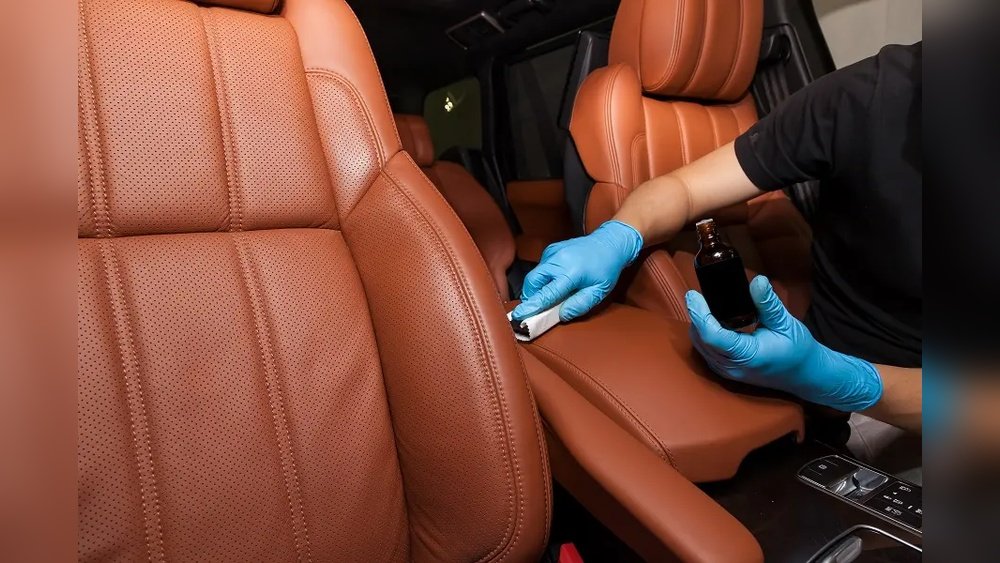
Applying Leather Conditioner
Conditioner restores softness and prevents cracking. Apply it after cleaning and drying the seats. Use a soft cloth to spread a thin, even layer. Let the conditioner absorb fully before using the car. Conditioning keeps the leather flexible and looking new. Repeat this process every few months to maintain protection.
Avoiding Common Mistakes
Never use abrasive brushes or rough cloths on leather. Avoid soaking the seats with water or cleaner. Excess moisture can cause stains and weaken the leather. Do not skip conditioning after cleaning. Leaving leather dry leads to cracks and stiffness. Avoid direct sunlight and heat while drying. They cause fading and damage over time.
Credit: www.meineke.com
Cleaning Car Interior Surfaces
Cleaning car interior surfaces keeps your vehicle fresh and inviting. Dirt and dust build up quickly inside. Regular care helps maintain the look and feel of your car. It also protects materials from damage. Focus on key areas like the dashboard, door panels, and carpets. These spots collect the most grime and need special attention.
Dashboard And Console Care
Start with the dashboard and console. Use a soft cloth to wipe dust off. Avoid harsh chemicals that can damage plastic or vinyl. Choose a cleaner made for car interiors. Spray it lightly and wipe gently. Pay attention to buttons and vents. A small brush can clean hard-to-reach spots. Keep screens and touch controls dry to prevent damage.
Cleaning Door Panels
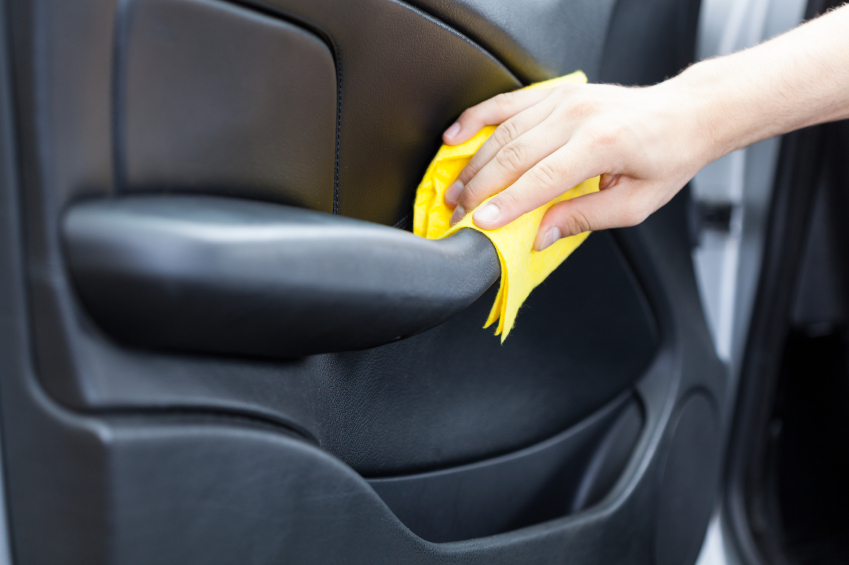
Door panels get dirty from hands and shoes. Use a damp cloth with mild soap to clean them. Wipe down handles, armrests, and pockets. Dry the panels with a clean cloth. For fabric panels, vacuum first to remove dust. Use a fabric cleaner for stains. Avoid soaking the fabric to prevent mold growth.
Maintaining Carpets And Floor Mats
Carpets and floor mats trap dirt and mud. Remove mats and shake them outside. Vacuum the carpet inside the car thoroughly. Use a carpet cleaner for stains and spills. Scrub gently with a soft brush. Let carpets and mats dry completely before putting them back. Regular cleaning stops bad odors and keeps the car tidy.
Dealing With Odors
Car odors can make your driving experience unpleasant. They often come from food spills, smoke, or dampness. Removing these smells improves your car’s comfort and freshness.
Cleaning the seats and interior thoroughly helps reduce odors. But sometimes, smells linger and need special attention. Here are simple ways to deal with those stubborn odors effectively.
Eliminating Lingering Smells
Start by vacuuming the seats and carpets well. Dirt and crumbs trap bad smells. Use a fabric cleaner or a mixture of water and vinegar. Spray lightly and scrub gently with a soft brush. Let it dry completely to stop mold or mildew.
Baking soda is a great odor absorber. Sprinkle it on the seats and carpets. Leave it for a few hours or overnight. Then vacuum it up. This method removes many odors naturally.
Using Air Fresheners Safely
Choose air fresheners that do not mask smells but neutralize them. Avoid strong scents that can irritate the nose. Use vent clips or small sprays designed for cars.
Place fresheners away from direct sunlight and heat. This keeps their scent longer and prevents plastic damage. Change them regularly to keep your car smelling clean and fresh.

Credit: www.chemicalguys.com
Maintaining A Spotless Interior
Keeping your car’s interior clean takes effort but pays off. A spotless interior feels fresh and inviting. It also protects your car’s value. Dirt and stains can damage seats and surfaces over time. Regular care keeps everything looking new longer. Simple habits make a big difference in cleanliness.
Focus on small, daily actions and a steady cleaning routine. This approach stops dirt from building up. It makes deep cleaning easier and faster. A neat inside creates a better driving experience. Everyone who rides will appreciate a clean space.
Regular Cleaning Schedule
Set a cleaning schedule for your car’s interior. Vacuum seats and floors once a week. Wipe down dashboards and door panels with a soft cloth. Use a gentle cleaner for stains. Check for crumbs and trash daily. This routine keeps grime from settling in. Deep clean the upholstery every month. A planned schedule prevents large messes.
Quick Tips For Daily Upkeep
Keep a small trash bag in your car. Empty it every day or two. Use wet wipes to clean spills right away. Avoid eating inside the car to reduce crumbs. Shake out floor mats regularly. Use a microfiber cloth to dust surfaces quickly. These small steps stop dirt and stains fast. They save time during weekly cleaning.
Frequently Asked Questions
How Often Should I Clean Car Seats And Interior?
Cleaning car seats and interior every 1-3 months maintains freshness and prevents damage. Frequent cleaning removes dirt, stains, and allergens, improving car hygiene and appearance.
What Is The Best Method To Clean Fabric Car Seats?
Vacuum fabric seats to remove debris first. Use a fabric cleaner or mild soap with water. Gently scrub, then blot dry to avoid moisture damage.
Can I Use Household Cleaners On Leather Car Seats?
Avoid harsh household cleaners on leather seats. Use a cleaner specifically designed for leather to maintain softness and prevent cracking.
How Do I Remove Tough Stains From Car Upholstery?
Apply an upholstery stain remover and let it sit briefly. Gently scrub with a soft brush, then blot with a clean cloth until stain lifts.
Conclusion
Cleaning car seats and the interior keeps your vehicle fresh and comfortable. Regular care stops dirt and stains from building up. Use simple tools and gentle cleaners for the best results. Pay attention to hard-to-reach spots for a thorough clean.
Small efforts add up to a big difference over time. A clean car feels nicer and lasts longer. Keep these tips handy to maintain your car’s inside. Enjoy driving in a neat and tidy space every day.
