

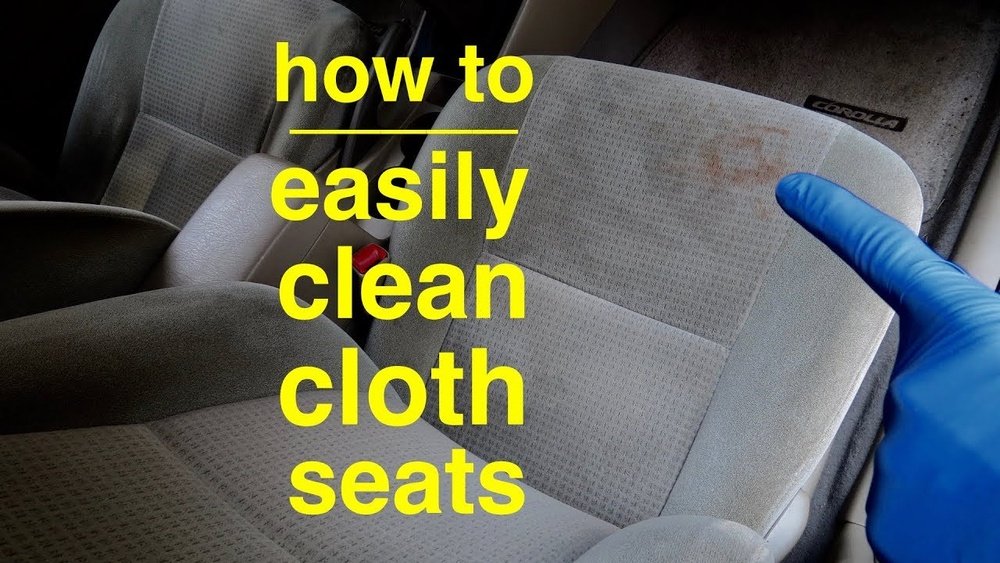
Your car’s upholstery faces daily wear and tear—spills, dirt, and stains can quickly make it look worn out. But you don’t need expensive services to restore its fresh, clean look.
Imagine sliding into a spotless, fresh-smelling seat every time you drive. Sounds great, right? In this guide, you’ll discover simple, effective ways to clean your car upholstery at home. These easy steps will save you time and money while giving your car that just-like-new feel.
Ready to bring your car’s interior back to life? Let’s dive in!

Credit: frugalginger.com
Tools And Materials Needed
Cleaning car upholstery at home needs the right tools and materials. Having these ready makes the job easier and faster. The right supplies help remove dirt, stains, and odors effectively. Below is a list of essential and optional items.
Essential Cleaning Supplies
- Vacuum cleaner with a brush attachment to remove dust and debris.
- Soft-bristle brush for gentle scrubbing.
- Microfiber cloths for wiping and drying surfaces.
- Mild upholstery cleaner or a mix of water and gentle soap.
- Spray bottle to apply cleaning solution evenly.
- Bucket for mixing cleaning solutions.
- Clean towels for blotting excess moisture.
Optional Equipment For Tough Stains
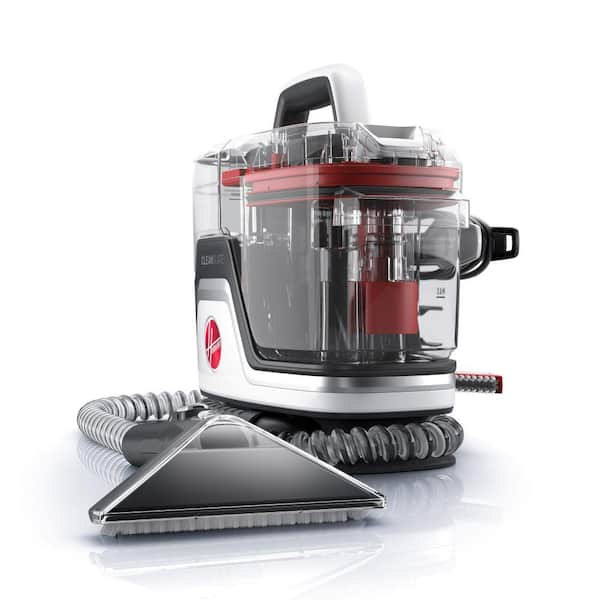
- Steam cleaner to deeply penetrate fabric and lift stains.
- Stain remover spray designed for car upholstery.
- Lint roller to pick up pet hair and small particles.
- Small scrub brush with stiff bristles for stubborn spots.
- Wet-dry vacuum for removing excess water after cleaning.
Preparing Your Car Upholstery
Preparing your car upholstery is the first step to a cleaner interior. Proper preparation makes cleaning easier and more effective. It removes dirt that can cause stains during cleaning. Taking time to prepare also protects your fabric and keeps it looking new.
Removing Loose Dirt And Debris
Start by removing all loose dirt and debris from the seats and floor. Use a soft brush or your hands to lift crumbs, leaves, and dust. Clear out any trash or large particles that may block cleaning tools. This step prevents dirt from spreading during the cleaning process. A clean surface helps the cleaning products work better.
Vacuuming Tips For Better Results
Vacuum all upholstery areas thoroughly. Use a vacuum with a brush attachment for fabric seats. Move the vacuum slowly to catch hidden dirt in seams and crevices. Pay attention to corners and under the seats. For best results, vacuum multiple times in different directions. This ensures you pick up all dust and small debris.
Choosing The Right Cleaning Solution
Choosing the right cleaning solution is key to fresh car upholstery. The wrong product can damage the fabric or leave stains. Picking the right cleaner protects your seats and makes cleaning easier. You can choose between homemade cleaners and commercial upholstery cleaners. Both have benefits and work well for different needs.
Homemade Cleaners
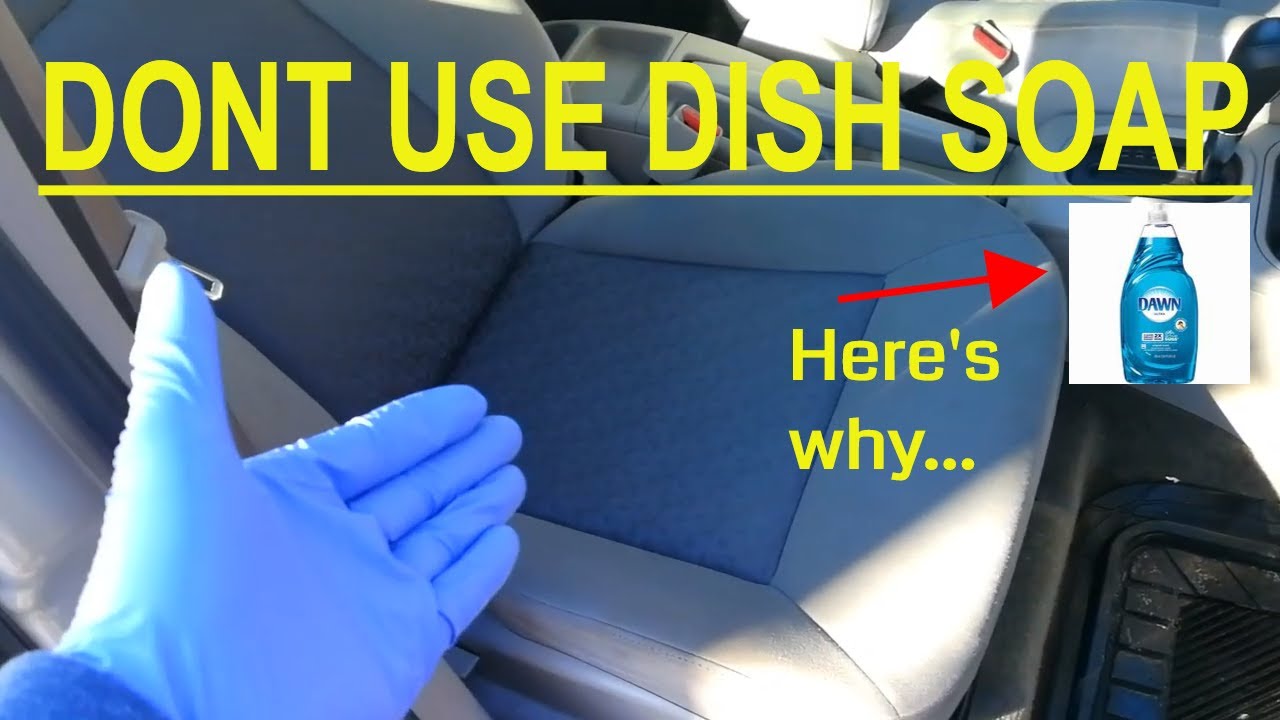
Homemade cleaners use simple ingredients from your kitchen. Common items include vinegar, baking soda, and dish soap. These ingredients are safe and gentle on most fabrics. Mix a small amount of dish soap with water for a quick cleaner. Vinegar helps remove odors and mild stains. Baking soda absorbs smells and lifts dirt. Homemade cleaners cost less and avoid harsh chemicals. Test the cleaner on a small area first to check for color changes.
Commercial Upholstery Cleaners
Commercial cleaners are made specifically for car fabrics. They often remove tough stains and deep dirt better. These products come in sprays, foams, or liquids. Many include protectants to keep upholstery looking new longer. Follow the instructions on the label for best results. Choose a cleaner that suits your fabric type, such as leather or cloth. Commercial cleaners can be more expensive but offer strong cleaning power. Always test on a hidden spot before full use.
Step-by-step Cleaning Process
Cleaning car upholstery at home is simple with the right steps. Follow this clear process to refresh your car’s interior. Each step helps remove dirt and stains safely. Proper care keeps your car looking new longer.
Spot Cleaning Stains
Begin by treating small stains first. Blot the stain gently with a clean cloth. Avoid rubbing as it can spread the stain. Use a mild cleaner made for upholstery. Apply it to the cloth, not directly on the fabric. Dab the stain until it lifts. Repeat if needed but do not soak the area.
Deep Cleaning The Upholstery
Mix warm water with a few drops of gentle soap. Dip a soft brush into the solution. Scrub the upholstery in small circles. Work section by section for even cleaning. Avoid soaking the fabric to prevent damage. Wipe the area with a clean damp cloth to remove soap. This step removes dirt deep in the fibers.
Drying Techniques
Dry the upholstery quickly to avoid mold. Open car doors and windows for airflow. Use a fan to speed up drying. Avoid direct sunlight which can fade fabric. Make sure the upholstery feels dry before closing the car. This keeps your car fresh and clean longer.
Dealing With Common Stains
Car upholstery often faces stains from daily use. These spots can make your car look old and dirty. Cleaning them at home is simple with the right steps. Focus on each stain type to keep your seats fresh and neat.
Here are clear ways to handle the most common stains found in car upholstery.
Removing Food And Drink Stains
Food and drinks cause many stubborn stains. Start by blotting the area with a clean cloth. Avoid rubbing, as it spreads the stain. Use a mix of mild soap and water to clean the spot. Apply gently with a soft brush or sponge. Rinse with a damp cloth and let it air dry. For tough stains, a vinegar and water solution works well. Test on a small area first to prevent damage.
Tackling Oil And Grease Marks
Oil and grease are hard to remove from fabric. Sprinkle baking soda or cornstarch over the stain. Let it sit for 15 minutes to absorb the grease. Vacuum the powder carefully. Next, use a dish soap mixed with warm water. Dab the stain with the solution and a cloth. Rinse with clean water and dry the area. Repeat if the stain remains visible.
Eliminating Pet Hair And Odors
Pet hair sticks tightly to upholstery. Use a rubber glove or a lint roller to lift hairs. Rubbing in circular motions helps gather the hair easily. For odors, sprinkle baking soda over the seats. Leave it for at least 30 minutes. Vacuum the baking soda thoroughly. This process freshens the fabric and removes smells. Regular cleaning keeps pet hair and odors under control.
Credit: www.youtube.com
Maintaining Clean Upholstery
Keeping car upholstery clean helps your vehicle look fresh and new. Regular care stops dirt and stains from building up. It also protects fabric and leather from damage. Simple habits maintain cleanliness and extend the life of your car seats.
Regular Cleaning Schedule
Set a weekly or biweekly cleaning routine. Vacuum seats to remove dust and crumbs. Use a soft brush to lift dirt from fabric. Wipe leather seats with a damp cloth. Clean spills immediately to avoid stains. Regular cleaning keeps upholstery bright and healthy.
Protective Measures To Prevent Damage
Use seat covers to shield upholstery from dirt and spills. Avoid eating or drinking inside the car to reduce stains. Park in shaded areas to protect leather from sun damage. Apply fabric or leather protectors to repel stains. These steps help keep your upholstery in good shape.
Credit: www.homedepot.com
Frequently Asked Questions
How Do I Clean Car Upholstery At Home Effectively?
To clean car upholstery, vacuum thoroughly first. Use a fabric cleaner or mild soap with water. Scrub gently using a soft brush. Wipe with a damp cloth and let it air dry completely.
What Household Products Remove Stains From Car Seats?
Baking soda, vinegar, and mild dish soap work well. Mix with water to form a cleaner. Apply to stains, scrub gently, then rinse with a damp cloth. Always test on a small area first.
Can I Use A Steam Cleaner On Car Upholstery?
Yes, steam cleaners are safe for most fabrics. They kill germs and lift dirt without chemicals. Avoid excess moisture to prevent mold. Always check your car’s manual for fabric care instructions.
How Often Should I Clean Car Upholstery At Home?
Clean your car upholstery every 3-6 months. Frequent cleaning prevents stains and odors. Regular vacuuming also helps maintain fabric quality and appearance. Adjust frequency based on usage and exposure to dirt.
Conclusion
Cleaning car upholstery at home saves money and time. It keeps your car fresh and neat. Use simple tools and gentle cleaners for best results. Regular care stops stains and dirt from building up. Small efforts make a big difference in your car’s look.
Try these easy steps and enjoy a cleaner ride. Your car deserves some attention too. Start today and see the change yourself.
