

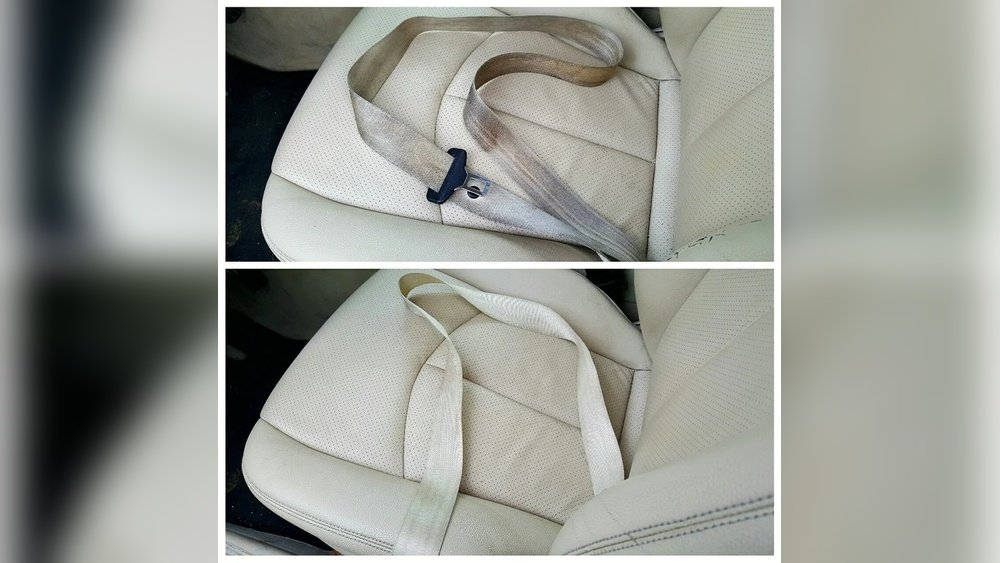
Your car seat belts protect you every time you hit the road. But when was the last time you cleaned them?
Dirty seat belts can hold stains, odors, and even germs that you don’t want close to your skin. Cleaning them might seem tricky, but it’s easier than you think. You’ll discover simple and effective ways to make your seat belts look fresh and feel clean again.
Keep reading to learn how to keep your car safer and more comfortable with just a few easy steps.

Credit: www.serramazdaakron.com
Why Clean Seat Belts Matter
Clean seat belts keep your car safe and look neat. Dirt can weaken the fabric and cause damage over time. Regular cleaning helps your seat belts stay strong and last longer.
Seat belts keep you safe during a crash. Dirt and grime can build up on them over time. This buildup can weaken the fabric and reduce the belt’s strength. A dirty seat belt might not work well when you need it most.
Clean seat belts look better and feel more comfortable. Dirt and stains can make them sticky or rough. Clean belts slide smoothly and lock properly. This helps protect you and your passengers every time you drive.
Safety And Performance
A clean seat belt performs as designed. Dirt can cause the belt to jam or not retract fully. Stains might hide damage like tears or frays. Regular cleaning helps spot problems early and keeps the belt strong.
Appearance And Comfort
Clean seat belts improve your car’s interior look. They remove unpleasant odors and stains. Soft, fresh belts feel better on your skin. This makes driving a more pleasant experience for everyone.
Preventing Long-term Damage
Dirt and sweat can break down seat belt fibers. Over time, this can cause the belt to weaken or tear. Cleaning stops this damage and extends the belt’s life. It saves money by avoiding costly repairs or replacements.
Common Stains And Dirt On Seat Belts
Car seat belts collect dirt and stains from daily use. They often get dirty faster than other car parts. Dirt can stick deep in the fabric, making it look old and worn. Cleaning seat belts helps keep them safe and fresh.
Understanding common stains helps to clean seat belts better. Different stains need different cleaning methods. Knowing these stains lets you pick the right way to remove them.
Food And Drink Spills
Food crumbs and drink spills happen often in cars. Soda, coffee, or juice leave sticky stains. These stains attract dirt and cause bad smells. They can also weaken the fabric if not cleaned fast.
Body Oils And Sweat
Body oils and sweat come from skin contact. They build up over time and darken the seat belt. These stains make the fabric stiff and less flexible. Regular cleaning stops this buildup and keeps belts soft.
Dirt And Dust
Dirt and dust enter the car from outside. They settle on seat belts during trips. Dust makes seat belts look gray and dirty. Dirt can also cause small abrasions on the fabric.
Ink And Pen Marks
Ink stains happen from pens or markers. They leave dark marks on light-colored belts. Ink can be hard to remove if left too long. Early cleaning is key to avoid permanent stains.
Grease And Oil
Grease and oil come from hands or car parts. These stains are slippery and dark. They attract more dirt and are tough to clean. Using the right cleaner removes these marks safely.
Essential Supplies For Cleaning
Cleaning car seat belts is simple with the right supplies. Proper tools help remove dirt and stains safely. Using common household items can make the task easy and effective.
Gathering essential supplies before starting saves time. It ensures a thorough clean without damaging the fabric. Focus on gentle, non-abrasive products to protect the seat belt material.
Cleaning Solution
Choose a mild soap or detergent. Dish soap or laundry detergent works well. Avoid bleach or harsh chemicals that can weaken fibers.
Soft Brush Or Cloth
Use a soft brush or microfiber cloth. These gently scrub dirt without roughening the fabric. A toothbrush can help reach tight spots.
Warm Water
Warm water helps dissolve grease and grime. It also activates the cleaning agents in soap. Avoid hot water as it may damage the belt.
Bucket Or Spray Bottle
A bucket holds the cleaning solution for dipping the brush. A spray bottle lets you apply the solution evenly. Both tools make cleaning easier and less messy.
Towels For Drying
Use clean towels to blot excess water. Air drying is best after blotting. Avoid direct sunlight to prevent fabric fading.
Step-by-step Cleaning Process
Cleaning your car seat belts is important for safety and appearance. Dirt and stains can build up with time. A clear, clean belt works better and looks nicer. Follow these easy steps to clean your seat belts thoroughly.
Remove Seat Belts Safely
Start by pulling the seat belt out slowly. Find the bolts or screws holding the belt in place. Use the right tools to remove them carefully. Keep all parts safe to avoid damage. Avoid pulling too hard to prevent breaking the belt.
Prepare Cleaning Solution
Mix warm water with mild soap in a bucket. Use a gentle detergent that will not harm the fabric. Avoid bleach or strong chemicals. Stir the solution well to make sure it is ready for cleaning.
Spot Clean Stubborn Stains
Dip a soft cloth or sponge in the solution. Rub gently over spots and stains on the belt. Do not scrub hard to protect the fabric fibers. Repeat this step if the stain is strong. Use a clean cloth to remove excess soap.
Hand Wash The Belts
Submerge the seat belts in the soapy water. Use your hands to rub the belts softly. Clean all sides evenly without twisting the belt. Rinse thoroughly with clean water to remove soap. Make sure no soap remains to avoid stiffness.
Drying Techniques
Lay the seat belts flat on a towel to dry. Avoid direct sunlight which can weaken the fabric. Do not use a dryer or heater. Let them air dry completely before re-installing. This keeps the belts strong and safe.
Tips For Maintaining Seat Belt Cleanliness
Keeping your car seat belts clean helps keep your car fresh and safe. Dirt and stains build up fast. Regular care stops damage and keeps belts working well.
Simple habits make a big difference. Clean seat belts look better and last longer. Follow these easy tips to keep them neat.
Check Seat Belts Regularly For Dirt
Look at your seat belts often. Spot dirt, stains, or spills quickly. Early cleaning stops stains from setting in. Use a soft cloth to wipe off light dirt daily.
Use Mild Soap And Water
Choose gentle soap mixed with warm water. Harsh cleaners can damage the fabric. Dip a soft brush or cloth in the mix. Gently scrub the belt, then wipe it dry with a clean cloth.
Avoid Soaking The Belts
Do not soak seat belts in water. Too much water can hurt the belt’s strength. Clean only the exposed part. Let the belt dry fully before retracting it.
Keep Belts Dry After Cleaning
Dry belts completely to stop mold and mildew. Use a dry towel to absorb water. Leave the doors open for air drying if needed. Never use heat sources like hair dryers.
Prevent Dirt Build-up With Seat Covers
Use seat covers to protect belts from spills and dirt. They catch most messes and are easy to wash. This reduces the need to clean seat belts often.

Credit: www.youtube.com
Avoiding Damage During Cleaning
Cleaning car seat belts is important for safety and appearance. Avoid damaging the belts during cleaning. Seat belts have strong fibers but harsh cleaning can weaken them. Follow safe steps to keep belts clean and intact.
Use Mild Cleaners Only
Choose gentle soap or detergent. Avoid bleach and strong chemicals. Harsh cleaners can weaken fibers and cause discoloration. Mild cleaners protect belt strength and color.
Clean With Soft Cloth Or Brush
Use soft cloth or brush for cleaning. Rough scrubbing can damage the fabric. Gently rub to remove dirt. Soft tools keep the belt surface smooth and safe.
Do Not Soak Belts
Avoid soaking seat belts in water. Too much water can damage the belt’s internal parts. Lightly dampen cloth for cleaning. Quick drying prevents mold and damage.
Avoid Heat Exposure
Do not use hot water or direct heat. High temperatures weaken seat belt fibers. Dry belts in shade or cool air. Heat can reduce belt strength and safety.
When To Replace Your Seat Belts
Seat belts should be replaced if they show signs of wear, fraying, or damage. Cleaning them gently with mild soap keeps them safe and looking good. Avoid harsh chemicals that can weaken the fabric.
Signs Of Wear And Tear
Seat belts wear out over time. Look for frayed edges, cuts, or tears on the belt. Check for stains or discoloration that might weaken the fabric. A belt that looks old or damaged may not protect you well in a crash.
Malfunctioning Buckle Or Retractor
Test the buckle and retractor regularly. The buckle should click firmly and release easily. The belt should pull out smoothly and retract fully. If the buckle sticks or the belt does not retract, replace the seat belt immediately.
After An Accident
Seat belts absorb a lot of force during a crash. Even if they look fine, they may be damaged inside. Replace seat belts after any accident to stay safe. Never try to reuse a seat belt that was involved in a collision.
Age Of The Vehicle
Older cars often have worn seat belts. Over many years, belts lose strength and flexibility. Consider replacing seat belts every 10 years to keep safety standards high. Age alone can reduce their ability to protect.
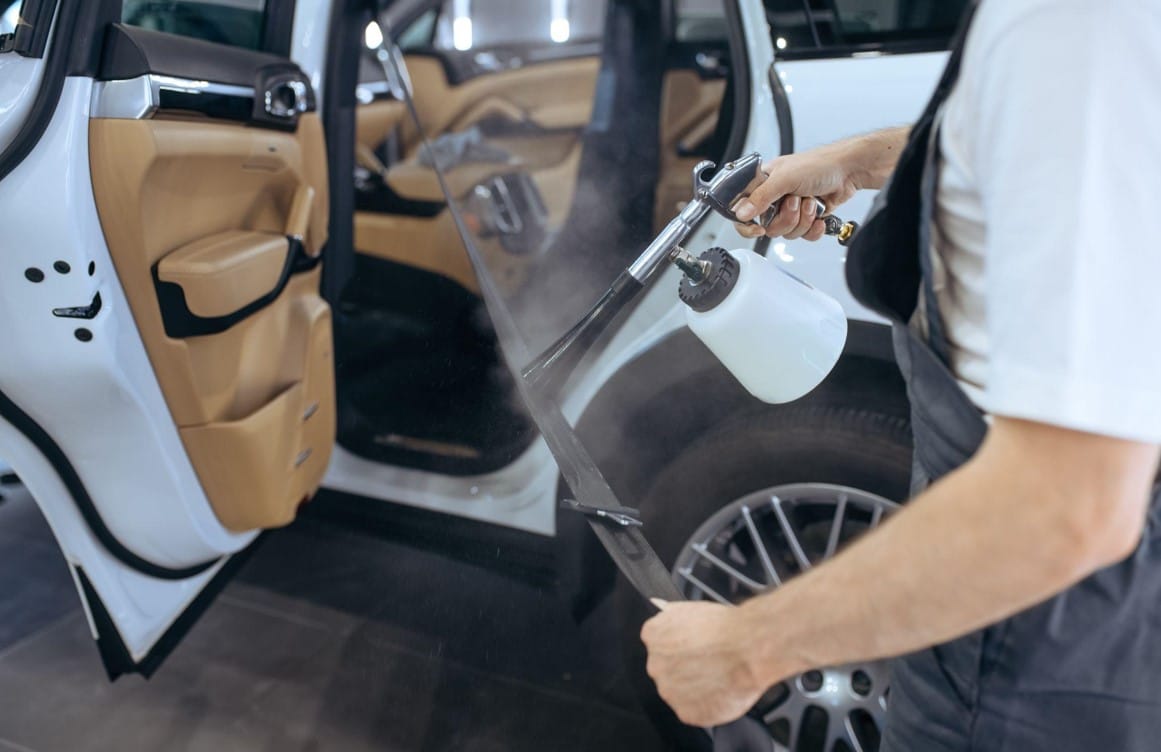
Credit: www.safetyrestore.com
Frequently Asked Questions
How Often Should I Clean My Car Seat Belts?
Cleaning car seat belts every 3 to 6 months keeps them safe and looking good. Regular cleaning prevents dirt buildup and maintains fabric strength. Frequent cleaning also helps spot damage early for timely repairs or replacement.
What Household Items Safely Clean Seat Belts?
Use mild soap, warm water, and a soft cloth to clean seat belts. Avoid harsh chemicals, bleach, or bleach-based cleaners as they can weaken the fabric. A gentle cleanser effectively removes dirt without damaging the belt’s material.
Can I Machine Wash Car Seat Belts?
No, machine washing car seat belts is not recommended. It can damage the retracting mechanism and belt fibers. Always clean seat belts manually using a cloth and mild soap for safe and effective results.
How Do I Remove Tough Stains From Seat Belts?
Use a mixture of mild detergent and water to scrub tough stains gently. Avoid scrubbing too hard to prevent fabric damage. For stubborn stains, a small amount of vinegar can help without harming the material.
Conclusion
Cleaning your car seat belts keeps them safe and looking good. Regular care stops dirt and stains from building up. Use gentle cleaners and soft cloths for best results. Avoid harsh chemicals that can damage the fabric. Always let seat belts dry fully before use.
A clean seat belt feels comfortable and lasts longer. Take a few minutes each month to keep them fresh. Safe driving starts with well-maintained seat belts. Simple steps make a big difference in car care. Keep your seat belts clean for your peace of mind.
