

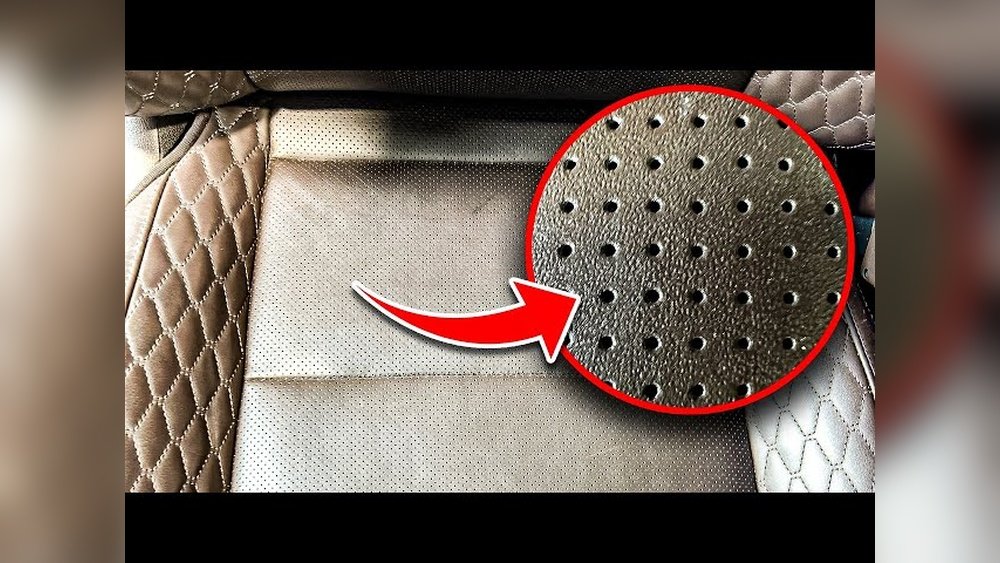
Your car seats are one of the first things you notice when you get inside your vehicle. But what happens when those seats have holes?
Cleaning them can feel tricky and frustrating. You might worry about making the damage worse or not getting them truly clean. Don’t let those holes stop you from having fresh, clean seats. You’ll discover simple, effective ways to clean your car seats with holes—without causing more damage.
Keep reading, and you’ll learn how to restore your seats’ look and feel, so your car stays comfortable and inviting every time you drive.
Credit: www.leatherrepaircompany.com
Assessing Seat Damage
Before cleaning car seats with holes, check the damage carefully. This step helps you choose the best cleaning method. Not all holes are the same. Some need gentle care, others may require repair first. Understanding the damage saves time and effort.
Look closely at the holes. Note their size, shape, and location. Also, know what material the seat is made of. Different materials need different cleaning products and techniques. Proper assessment protects your seats from more harm.
Identify Types Of Holes
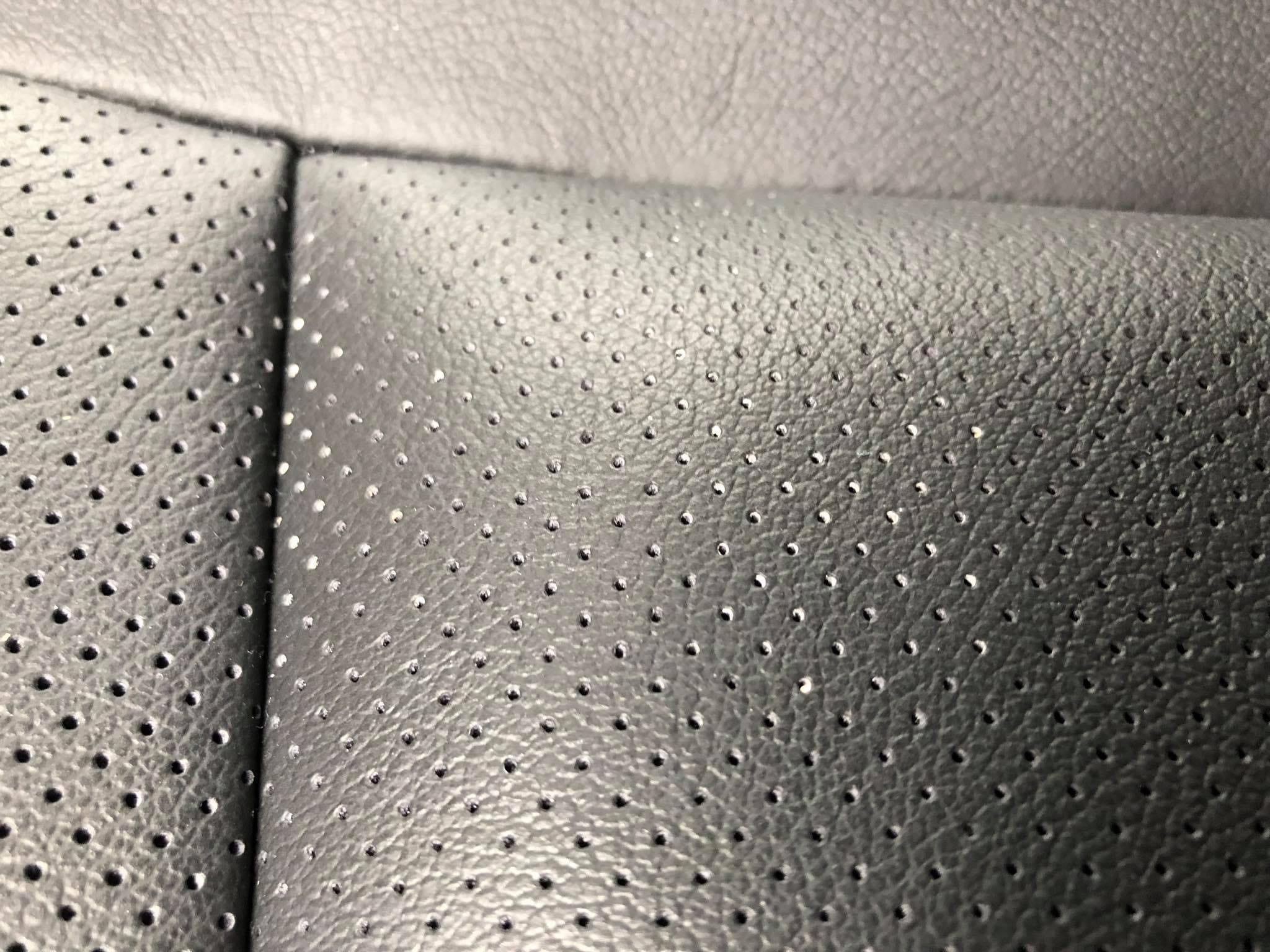
Holes in car seats can be small tears, burns, or worn spots. Small tears often appear along seams or edges. Burns may have rough, dark edges. Worn spots look like thin or threadbare areas. Each type needs different care. Knowing the hole type guides your cleaning plan.
Check Seat Material
Car seats come in fabric, leather, or vinyl. Fabric seats absorb stains easily but can be delicate around holes. Leather seats need special cleaners and conditioners. Vinyl is easier to clean but can crack near holes. Identify your seat material before starting. Use products made for that specific material only.

Credit: www.youtube.com
Gathering Cleaning Tools
Cleaning car seats with holes needs the right tools. Preparing these tools helps you work faster. You avoid damage and get better results. Gather everything before starting the cleaning job.
Essential Cleaning Supplies
Start with a vacuum cleaner to remove dirt and dust. Use a soft brush to loosen grime around holes. Choose a gentle upholstery cleaner safe for your seat fabric. Have clean microfiber cloths to wipe and dry the seats. A spray bottle with water helps rinse the cleaner easily. Gloves protect your hands during the cleaning process.
Repair Kits For Holes
Repair kits fix small holes and tears in seats. They usually include fabric patches or adhesive compounds. Pick a kit matching your seat’s material and color. Scissors help trim patches to fit perfectly. A small spatula or applicator spreads glue smoothly. These kits make seats look neat after cleaning.
Preparing The Car Seats
Preparing car seats with holes takes careful steps. Proper preparation helps clean deeper dirt and avoid more damage. Start with simple actions that protect your car and make cleaning easier.
These steps set a strong base for cleaning and fixing the seats. Pay attention to details in this stage for better results later.
Vacuuming Loose Dirt
Use a vacuum cleaner with a soft brush tool. Gently remove loose dirt and dust from the seat surface. Focus on seams and holes where dirt hides. Avoid pressing hard near the holes to stop tearing. Clean both front and back of the seat if possible. This step clears the way for deeper cleaning.
Protecting Surrounding Areas
Cover areas around the seats with plastic sheets or old towels. Protect carpets and door panels from water and cleaning products. Secure covers tightly to avoid slipping during cleaning. Use painter’s tape for edges near the seat. Protecting these areas keeps your car clean and safe. This step also saves time on extra cleaning later.
Credit: www.reddit.com
Cleaning Techniques For Different Materials
Car seats come in different materials. Each type needs special care, especially when they have holes. Cleaning these seats requires the right method to avoid damage. Knowing how to clean fabric, leather, and vinyl seats helps keep them fresh and lasts longer.
Fabric Seat Cleaning Tips
Start by vacuuming the seat gently. Remove loose dirt and debris from holes. Use a soft brush with mild soap and water. Dab the fabric carefully; do not soak it. For stains, try a fabric cleaner designed for cars. Blot the area with a clean cloth. Let it dry completely before use. Avoid harsh chemicals that can weaken fabric fibers.
Leather Seat Cleaning Tips
Leather seats need a gentle touch. Use a soft cloth to wipe dust away. Mix mild soap with water for cleaning. Apply the solution with a damp cloth, not wet. Clean around holes carefully to avoid tearing. After cleaning, use a leather conditioner. This keeps the leather soft and prevents cracks. Avoid strong cleaners that strip natural oils.
Vinyl Seat Cleaning Tips
Vinyl seats are easier to clean. Use a soft cloth or sponge with soapy water. Wipe the seat gently, focusing on holes. Rinse with a damp cloth to remove soap. Dry the seat with a clean towel. For tough stains, use a vinyl cleaner. Avoid abrasive tools that can scratch the surface. Keep the vinyl smooth and protected with a vinyl protectant.
Fixing Holes Before Cleaning
Fixing holes before cleaning car seats is important. Holes can get bigger during cleaning. Dirt and moisture can go inside the foam. This can cause bad smells and damage. Small holes need quick care to protect the seat. Larger holes need stronger repair to hold the fabric or leather in place. Fixing holes first helps cleaning work better. It stops further damage and keeps the seat looking good.
Temporary Patch Methods
Temporary patches stop holes from growing bigger. Use strong tape made for fabric or leather. Cut the tape slightly bigger than the hole. Stick it on the seat smoothly without wrinkles. This keeps dirt out. It also holds the seat together during cleaning. You can also use a piece of cloth or leather. Attach it over the hole with fabric glue or safety pins. This method is quick and easy. It protects the seat until you can do a full repair.
Using Fabric Or Leather Repair Kits
Fabric and leather repair kits fix holes more firmly. These kits come with patches, glue, and colorants. Clean the area around the hole first. Cut a patch from the kit to cover the hole fully. Apply glue around the hole’s edges. Press the patch onto the glued area. Let it dry as the instructions say. Some kits include colorants to match the seat color. This makes the repair less visible. Kits work well on small to medium holes. The repair lasts longer and supports cleaning.
Deep Cleaning Around Holes
Cleaning car seats with holes requires special care. Dirt and stains can settle deep around the holes. A thorough clean helps remove grime without making damage worse. Focus on careful methods that clean well but keep the seat safe.
Gentle Cleaning Methods
Use soft brushes or cloths to clean near holes. Avoid scrubbing hard to protect the fabric. Mild soap mixed with water works best. Dab gently around the holes to lift dirt. Rinse the cloth often to avoid spreading grime. Let the seat air dry after cleaning.
Avoiding Further Damage
Do not use harsh chemicals or bleach on seats. Strong cleaners can weaken fabric around holes. Avoid soaking the seat with too much water. Excess moisture can cause mold or worsen holes. Handle the seat with care during cleaning. Stop if you notice fabric fraying or tearing.
Post-cleaning Care
Taking care of car seats after cleaning is very important, especially when the seats have holes. Proper post-cleaning care keeps the seats in good shape and stops new dirt from settling. It also helps the material last longer and keeps the car interior looking fresh.
Drying And Ventilation
After cleaning, dry the seats quickly to avoid moisture damage. Open car doors or windows to improve airflow inside. Use fans or a portable blower to speed up drying if possible. Make sure the seats feel dry to touch before closing the car. Wet seats can cause mold and unpleasant smells. Good ventilation also helps stop dirt and dust from sticking to the damp seats.
Applying Protectants
Use a seat protectant after drying to guard the material. Choose a product made for your seat type, like leather or fabric. Apply the protectant evenly on all cleaned areas, especially around holes. Protectants help repel stains and spills in the future. They also keep the material soft and prevent cracking or fading. Regular use of protectants extends the life of your car seats.
Preventing Future Damage
Preventing future damage to car seats with holes is key to keeping your vehicle interior clean and comfortable. Small tears can grow bigger if not cared for. Taking steps to protect your seats extends their life and saves money.
Simple habits and smart choices reduce wear and tear on your car seats. Regular care and protective covers can stop holes from getting worse. This section shows easy ways to protect your seats every day.
Regular Maintenance Tips
Clean your car seats gently and often. Use a soft cloth and mild cleaner. Avoid harsh chemicals that weaken fabric or leather. Check seats for small tears or loose threads. Fix minor issues quickly to stop holes from growing.
Vacuum seats regularly to remove dirt and debris. Dirt can rub into fabric and cause damage. Keep sharp objects away from seats. Avoid heavy items that press on weak spots. These habits keep your seats strong and neat.
Using Seat Covers
Seat covers protect your car seats from spills, dirt, and scratches. Choose covers that fit well and are easy to clean. Covers take the wear and tear instead of your seats. Replace covers if they get damaged to keep protection strong.
Using seat covers is a simple way to hide existing holes. Covers stop holes from spreading further. They also help keep your car interior looking new. Protect your seats with covers to avoid costly repairs later.
Frequently Asked Questions
How Do I Clean Car Seats With Holes Safely?
Use a gentle cleaner and soft brush to avoid worsening holes. Avoid harsh chemicals that can damage the fabric. Test cleaners on a hidden area first. Clean around holes carefully to maintain seat integrity and appearance.
What Products Work Best For Car Seats With Holes?
Mild upholstery cleaners or diluted soap solutions work best. Avoid bleach or abrasive cleaners that can enlarge holes. Use a microfiber cloth for gentle cleaning. Always choose products safe for your seat material.
Can I Repair Holes Before Cleaning Car Seats?
Yes, patching holes with fabric repair kits can prevent further damage. Clean seats gently before applying patches. Repair helps maintain seat strength and improves overall appearance during cleaning.
How Often Should I Clean Car Seats With Holes?
Clean seats every 3 to 6 months to maintain hygiene. Frequent cleaning prevents dirt buildup that worsens holes. Spot clean spills immediately to protect the fabric and prolong seat life.
Conclusion
Cleaning car seats with holes takes patience and care. Use gentle cleaners and soft brushes to avoid damage. Always test a small area first to check for reactions. Dry the seats properly to stop mold growth. Small holes need extra attention to prevent dirt buildup.
Regular cleaning keeps your car seats fresh and comfortable. A clean car seat makes every drive more pleasant. Try these tips and see the difference yourself. Keep your car seats looking good, even with holes.
