

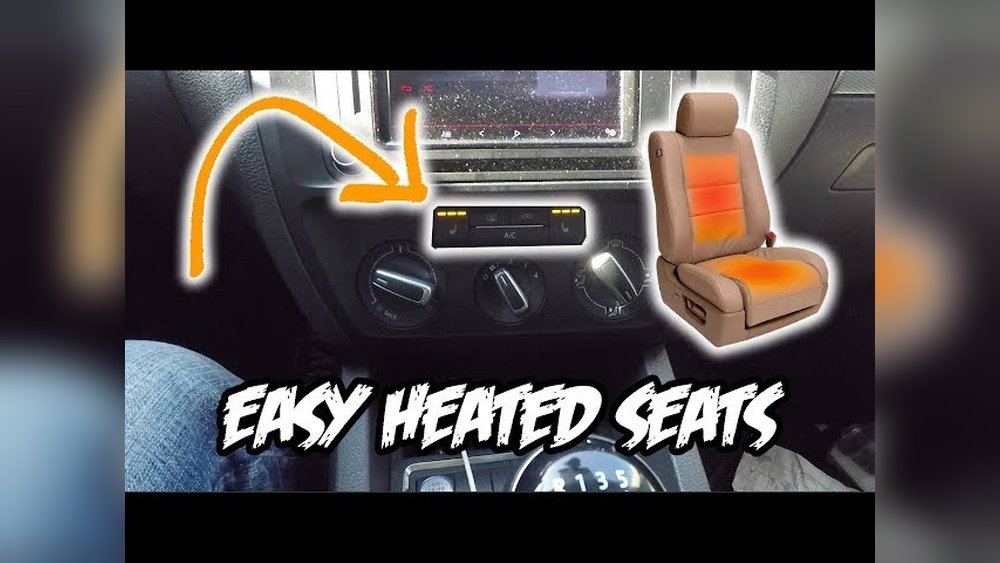
Imagine stepping into your car on a chilly morning and feeling warm, cozy seats greeting you. Sounds great, right?
But what if your car doesn’t come with heated seats? You might be wondering, “Can I install heated seats in my car myself? ” The answer is yes, and it’s easier than you think. If you want to add comfort and luxury to your daily drive, keep reading.
This guide will walk you through everything you need to know about installing heated seats, so you can enjoy warmth on every ride.
Benefits Of Heated Seats
Heated seats add warmth and comfort to your car. They are a popular upgrade for cold climates. Many drivers enjoy the cozy feeling during winter drives. Beyond comfort, heated seats offer health and financial benefits too.
Installing heated seats can improve your overall driving experience. They make your car feel more inviting and enjoyable. Here are some key benefits of heated seats.
Comfort In Cold Weather
Heated seats warm your body quickly on cold days. They reduce the chill from leather or vinyl seats. This warmth helps you relax and focus while driving. No more waiting for the car heater to warm up.
Health Advantages
Heat soothes sore muscles and reduces stiffness. It helps ease back pain during long drives. Heated seats improve blood flow and reduce tension. This makes driving more comfortable and less tiring.
Increased Vehicle Value
Heated seats add extra value to your car. They are a sought-after feature for many buyers. Installing them can make your vehicle stand out. This upgrade may help you sell your car faster.

Credit: www.youtube.com
Types Of Heated Seat Kits
Heated seat kits come in several types. Each type offers different benefits and fits various needs. Choosing the right kit depends on your car model and budget. Understanding the main types helps you make a smart choice.
Universal Kits
Universal kits fit most car seats. They include heating pads, wiring, and a control switch. These kits work for many vehicles without special modifications. Installation takes time but is possible for beginners. They offer a flexible and affordable option.
Custom Fit Kits
Custom fit kits match specific car models. They fit perfectly under the seat upholstery. These kits usually come with detailed instructions or professional help. Custom kits ensure a clean look and better comfort. They cost more but offer better integration.
Seat Covers With Heating
Heated seat covers are easy to use and install. They slip over your existing seats and plug into the car’s power outlet. These covers provide instant warmth without permanent changes. Ideal for renters or those who want a simple solution.
Tools And Materials Needed
Installing heated seats in a car requires certain tools and materials. These items make the job easier and safer. Having everything ready helps avoid delays and mistakes. Below is a list of what you need to gather before starting the installation.
Basic Tools
You will need some common tools for the installation. A screwdriver set is essential for removing and attaching seat covers. Pliers help in gripping and bending wires. A wire stripper will make preparing wires simple. A multimeter is useful to check electrical connections. Lastly, a drill may be necessary to create holes for mounting parts.
Electrical Components
Heated seat kits usually include heating pads and wiring. You will also need a relay to control the power flow. A fuse protects the circuit from overload. Switches allow you to turn the heat on and off. Quality electrical tape and connectors ensure secure and safe wiring. Make sure all components match your car’s voltage system.
Safety Gear
Safety is important during electrical work. Wear insulated gloves to avoid shocks. Safety glasses protect your eyes from sparks or debris. Use a mask if working in dusty areas. Have a fire extinguisher nearby just in case. Always disconnect the car battery before starting the installation.

Credit: shop.advanceautoparts.com
Step-by-step Installation Process
Installing heated seats in a car can seem complex. Breaking it down step-by-step helps simplify the process. Each part of the installation needs careful attention. This guide walks through every stage clearly.
Removing The Seat
Start by moving the seat fully backward. Disconnect the car battery to avoid electric shocks. Locate the bolts holding the seat to the floor. Use a wrench to remove these bolts carefully. Lift the seat out slowly, watching for any wires underneath. Place the seat in a clean, safe area to work on.
Installing Heating Pads
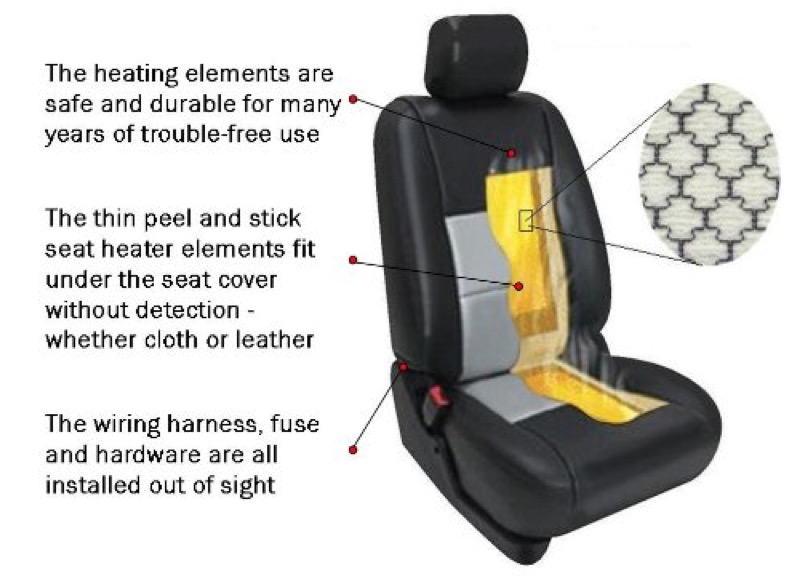
Turn the seat upside down to expose the cushion. Remove the seat cover gently without tearing it. Position the heating pads evenly across the seat surface. Use adhesive or straps to secure the pads firmly. Avoid folding or bunching the heating elements. Replace the seat cover carefully, ensuring no wrinkles.
Wiring And Connections
Identify the car’s power source and ground wire. Connect the heating pad wires to the power source. Use connectors or solder wires for secure attachment. Route wires away from moving parts and sharp edges. Install a switch in a convenient location for control. Double-check all connections for safety and firmness.
Testing The System
Reconnect the car battery to supply power. Turn on the heating switch to test operation. Feel the seat surface for warmth after a few minutes. Check for any odd smells or electrical issues. Turn off the system and disconnect the battery again before reassembly.
Reassembling The Seat
Place the seat back into its original position. Reinsert and tighten all bolts firmly. Reconnect any electrical connectors under the seat. Ensure the seat moves freely on its tracks. Reconnect the car battery and test the heated seat again. The seat is now ready for comfortable, warm rides.
Safety Tips During Installation
Installing heated seats in a car can make your rides warmer and more comfortable. Safety is very important during the installation process. Following safety tips helps avoid accidents and damage to your car’s electrical system. Simple steps can keep you safe and ensure the installation works well.
Disconnecting The Battery
Always disconnect the car battery before starting the installation. This stops electrical current and reduces the risk of shocks. Use the correct tools to remove the negative terminal first. Keep the battery disconnected until all wiring is complete. This step protects both you and the car’s electronics.
Avoiding Electrical Hazards
Wear insulated gloves to protect from electric shocks. Do not touch any wires with wet hands. Use tools with insulated handles for extra safety. Check that all wires are in good condition without cuts or frays. Avoid working near fuel lines or other flammable parts to prevent fires.
Securing Wiring Properly
Secure all wires tightly with zip ties or clips. Loose wires can cause shorts or get damaged over time. Avoid placing wires near moving parts or sharp edges. Keep wiring away from heat sources like the engine or exhaust. Proper wiring keeps the system safe and reliable.
Troubleshooting Common Issues
Installing heated seats can greatly improve your driving comfort. Still, issues may arise after installation. Knowing how to troubleshoot common problems saves time and money. Here are some typical issues and easy fixes to keep your heated seats working well.
Heater Not Turning On
Check the fuse first. A blown fuse often stops the heater from working. Next, test the power switch for damage. Loose wiring can also cause no power to the seat heater. Look under the seat for disconnected or broken wires. Replace or reconnect any faulty parts.
Uneven Heating
Uneven heat means some areas feel warm, others cold. The heating element may be damaged or worn out. Inspect the seat cover for tears or folds blocking heat. Sometimes, the heater pad shifts inside the seat cushion. Adjust or replace the pad to fix uneven warmth.
Electrical Short Circuits
Short circuits cause sparks or blown fuses. They happen when wires touch metal parts or each other. Check wiring insulation for cracks or wear. Use electrical tape or replace damaged wires. Ensure all connections are secure and separated to avoid shorts.
Maintenance And Care
Heated seats add comfort, especially during cold months. Taking care of them ensures they work well for a long time. Proper maintenance keeps the heating elements safe and your seat covers clean. Simple steps can prevent damage and save repair costs.
Cleaning Heated Seats
Use a soft cloth to wipe the seats gently. Avoid harsh chemicals that can damage the heating wires. Light soap and water work best for most fabrics. Do not soak the seat or use too much water. Let the seat dry completely before turning on the heat again.
Regular Inspections
Check heated seats often for signs of wear or damage. Look for cracks, tears, or loose wires under the seat cover. Test the heating function regularly to ensure it warms evenly. Early detection of problems helps fix them before they get worse.
When To Seek Professional Help
Call a technician if the seat does not heat up properly. Strange smells, sparks, or burning sensations need immediate attention. Repairs require skill to avoid electric hazards. Professionals can safely replace faulty parts and keep your car safe.
Credit: www.nuimageaudio.com
Frequently Asked Questions
Can Heated Seats Be Installed In Any Car Model?
Yes, heated seats can be installed in most car models. However, installation complexity varies by vehicle make and seat type. Professional installation ensures safety and proper wiring.
How Much Does It Cost To Install Heated Seats?
Installing heated seats typically costs between $200 and $600. Price depends on seat type, labor, and vehicle compatibility. DIY kits may reduce costs but require technical skills.
Are Heated Seat Kits Easy To Install Yourself?
Some heated seat kits are designed for DIY installation. Basic electrical knowledge and proper tools are necessary. Professional help is recommended for complex wiring and safety.
Do Heated Seats Affect Car Battery Life?
Heated seats draw moderate power but usually don’t harm the car battery. They consume energy mainly when turned on, so using them sparingly preserves battery life.
Conclusion
Heated seats can add comfort during cold weather. Many cars allow easy installation of these seats. You can choose between DIY kits or professional help. Costs and complexity vary, so plan carefully. Check your car’s compatibility before starting the project.
Heated seats also improve driving comfort and warmth. Consider safety and proper wiring during installation. Enjoy cozy rides on chilly days ahead. This upgrade suits many drivers who want extra comfort.
