

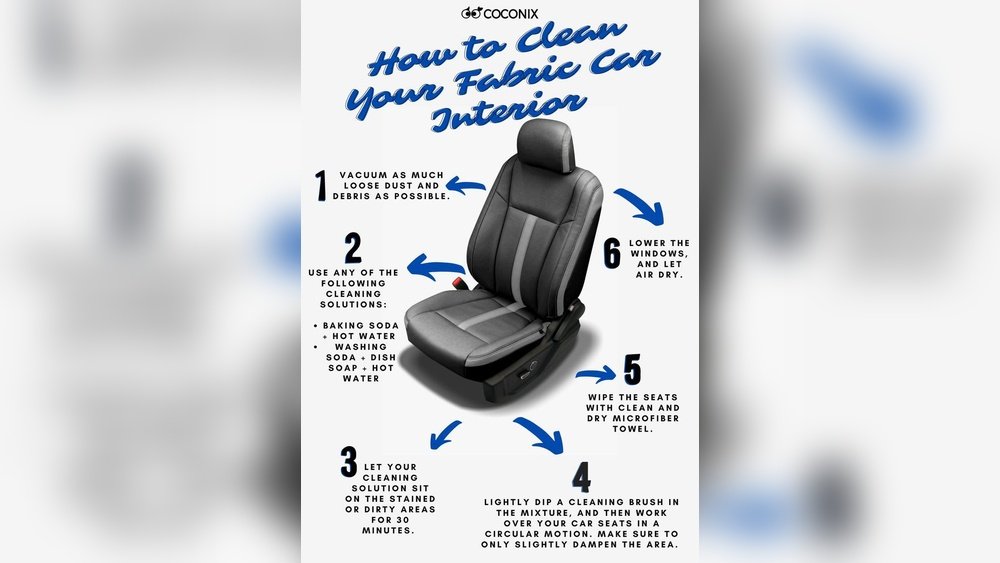
Your car seat covers protect your seats from spills, dirt, and daily wear. But over time, they can get stained and look tired.
Cleaning them at home might seem tricky, but it’s easier than you think. Imagine driving in a car that smells fresh and looks spotless every time you get in. You don’t need expensive products or trips to the cleaners. In this guide, you’ll discover simple, effective steps to clean your car seat covers yourself.
Keep reading, and your car will feel like new again.
Types Of Car Seat Covers
Car seat covers come in different types. Each type needs a different cleaning method. Knowing the material helps you clean better and keep your seats fresh.
Fabric Covers
Fabric covers are soft and comfortable. They often come in cloth or polyester. These covers absorb spills and dirt easily. Cleaning fabric covers usually means washing with mild soap and water. They can be machine washed or hand washed gently. Dry them in open air to avoid shrinking.
Leather Covers
Leather covers look stylish and feel smooth. They need special care to avoid cracks. Use a leather cleaner and conditioner to clean them. Avoid soaking leather in water. Wipe the surface with a damp cloth and dry it well. Regular cleaning keeps leather soft and shiny.
Neoprene And Vinyl Covers
Neoprene and vinyl covers resist water and stains well. They are easy to wipe clean with a damp cloth. Use mild soap for tougher dirt. These covers dry quickly after cleaning. They protect seats from spills and wear. Cleaning often keeps them looking new.
Tools And Supplies Needed
Cleaning car seat covers at home is easy with the right tools. These tools help remove dirt, stains, and odors effectively. Prepare them before you start for a smooth cleaning process.
Cleaning Solutions
Use mild soap or a special fabric cleaner for seat covers. Avoid strong chemicals that can damage the fabric. Mix the cleaner with water to make a gentle solution. Test it on a small spot first to check for color fading.
Brushes And Cloths
Soft brushes help loosen dirt without harming the fabric. Use a small brush for tight areas and a bigger one for larger spots. Microfiber cloths absorb moisture and clean gently. Have a few cloths ready for wiping and drying.
Vacuum Cleaner
A vacuum cleaner removes loose dirt and crumbs before washing. Use a vacuum with a brush attachment for best results. Clean all seat corners and seams carefully. This step prevents dirt from spreading during cleaning.
Preparing The Car Seat Covers
Preparing your car seat covers before cleaning is key to a fresh result. This step helps remove dirt and protects the fabric. Take time to prepare well. It saves effort later and keeps covers looking good longer.
Removing Loose Dirt
Start by removing loose dirt and crumbs from the seat covers. Use a soft brush or vacuum cleaner with a brush attachment. Brush gently to avoid damaging the fabric. Cleaning loose dirt first stops it from spreading during washing.
Spot Testing Cleaners
Test any cleaner on a small hidden area of the seat cover. This check prevents damage or discoloration. Apply a small amount and wait a few minutes. If the fabric stays the same, it is safe to use the cleaner on the whole cover.
Cleaning Fabric Seat Covers
Fabric seat covers can get dirty fast. Dust, crumbs, and spills all settle into the fibers. Cleaning them at home keeps your car fresh and comfortable. This process needs care to avoid damage and remove stains well.
Vacuuming Thoroughly
Start by vacuuming the seat covers. Use a brush attachment to reach deep into the fabric. Remove loose dirt and crumbs. This step stops dirt from spreading during cleaning. Take your time to cover every corner and seam.
Applying Cleaning Solution
Choose a mild fabric cleaner or make one with water and a little dish soap. Test the cleaner on a small, hidden area first. Spray or apply the solution lightly on the stained areas. Avoid soaking the fabric to prevent water damage.
Scrubbing And Rinsing
Use a soft brush or cloth to scrub the fabric gently. Work in small circles to lift dirt from the fibers. Wipe away excess soap with a clean, damp cloth. Repeat if stains remain but do not over-wet the seat cover.
Drying Tips
Allow the seat covers to dry naturally. Open car doors or windows to improve air flow. Avoid direct sunlight to stop fading. Do not use a hairdryer or heater; they can shrink or damage the fabric. Wait until fully dry before using the seats again.
Cleaning Leather Seat Covers
Leather seat covers add a touch of luxury to any car. They need special care to stay clean and soft. Regular cleaning prevents cracks and fading. Follow these simple steps to keep leather seat covers fresh and protected.
Dusting And Wiping
Start by removing loose dirt with a soft cloth. Use a dry microfiber cloth to dust the surface gently. Avoid rough materials that can scratch the leather. Wipe the seats carefully to lift dirt and dust. This step prepares the leather for deeper cleaning.
Using Leather Cleaner
Choose a cleaner made specifically for leather. Test it on a small hidden area first. Apply the cleaner with a soft cloth, not a sponge. Rub gently in small circular motions. Do not soak the leather; use a light touch. This removes stains and grime without damage.
Conditioning Leather
After cleaning, apply a leather conditioner to keep the material soft. Use a clean cloth to spread conditioner evenly. Let it absorb for a few minutes. Buff the seat with a dry cloth to remove excess. Conditioning helps prevent cracks and keeps leather supple.

Credit: www.youtube.com
Cleaning Neoprene And Vinyl Covers
Neoprene and vinyl are popular materials for car seat covers. They resist water and stains well. Cleaning these covers at home keeps them looking fresh. Use gentle methods to avoid damage. Proper care extends their life and maintains comfort.
Gentle Cleaning Methods
Start by removing loose dirt with a soft brush. Use warm water mixed with mild soap. Dampen a cloth with the solution and wipe the cover. Avoid soaking the material. Rinse the cloth and wipe again to remove soap. Dry the covers with a clean towel. Let them air dry completely before use.
Avoiding Damage
Avoid harsh chemicals or bleach on neoprene and vinyl. Do not use abrasive scrubbers that scratch the surface. Keep covers away from direct heat or sunlight while drying. Test any cleaner on a small hidden area first. Handle covers gently to prevent tears and cracks. Regular light cleaning prevents tough stains and damage.
Dealing With Stubborn Stains
Stubborn stains on car seat covers can be frustrating. They spoil the look and feel of your car’s interior. Removing these stains requires patience and the right approach. Understanding the stain type helps in choosing the best cleaning method. Some stains need gentle care, while others require stronger treatment.
Common Stain Types
Oil and grease stains come from food or car parts. These stains are sticky and dark. Mud and dirt stains happen after rainy days or outdoor trips. They often leave a dusty or muddy patch. Ink stains appear from pens or markers. These are tricky and spread easily. Coffee and soda stains leave a colored mark and smell. They can soak deep into fabric. Blood stains dry quickly and can be hard to remove.
Specialized Cleaning Techniques
For oil stains, sprinkle baking soda first. Let it sit for 15 minutes to absorb oil. Then brush it off gently. Use dish soap mixed with warm water. Dab the stain softly with a cloth. Mud stains need to dry before cleaning. Once dry, brush off the mud. Use a mild soap solution and a soft brush for leftover marks. Ink stains require rubbing alcohol. Test on a hidden area first. Dab gently to lift the ink. Coffee and soda stains respond well to vinegar and water. Blot the stain with this mix. Blood stains need cold water, never hot. Soak a cloth in cold water and press on the stain. Repeat until the stain fades.
Credit: www.homedepot.com
Maintaining Freshness Between Cleanings
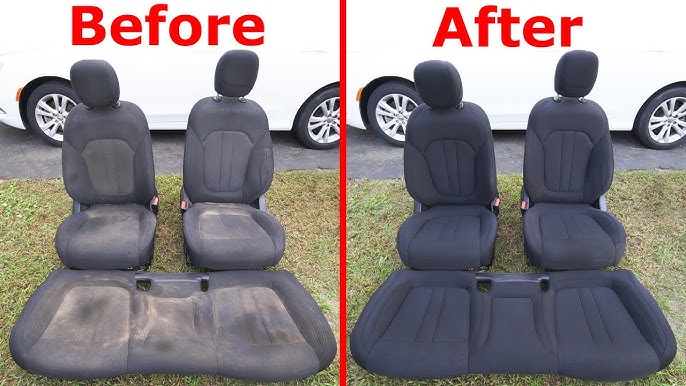
Keeping car seat covers fresh between cleanings helps your car feel clean and inviting. Dirt, dust, and odors build up quickly. Small steps can stop problems before they start. Simple care routines save time and effort later. Here are some easy ways to maintain freshness every day.
Regular Vacuuming
Vacuuming removes dust, crumbs, and dirt from seat covers. Use a handheld vacuum or the car’s vacuum attachment. Focus on seams and crevices where dirt hides. Vacuum weekly to stop buildup. This keeps covers looking new and fresh.
Using Seat Covers Protectors
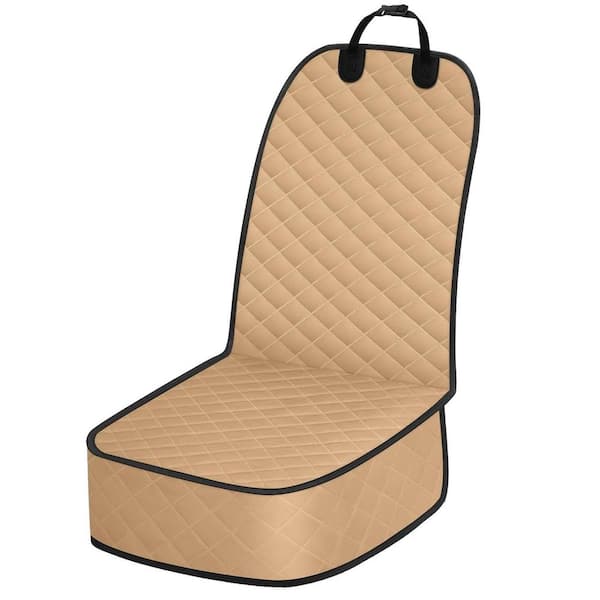
Seat cover protectors shield against spills, stains, and wear. Choose waterproof or easy-to-clean materials. They catch dirt before it reaches the original fabric. Protectors are simple to remove and wash. This keeps your car seats in great shape longer.
Avoiding Food And Drink Spills
Spills cause stains and odors that are hard to remove. Avoid eating and drinking inside the car. If needed, use travel mugs with secure lids. Clean spills immediately with a damp cloth. This prevents stains and keeps covers fresh.
Credit: www.youtube.com
Frequently Asked Questions
How Often Should I Clean Car Seat Covers At Home?
Clean car seat covers every 1-3 months to maintain hygiene and appearance. Frequent cleaning prevents stains and odors, keeping seats fresh.
What Are The Best Cleaning Methods For Fabric Seat Covers?
Use mild soap, warm water, and a soft brush for fabric covers. Avoid harsh chemicals to prevent fabric damage and color fading.
Can I Machine Wash My Car Seat Covers Safely?
Check the manufacturer’s label first. Most fabric covers can be machine washed on a gentle cycle with cold water.
How Do I Remove Tough Stains From Car Seat Covers?
Apply a stain remover or a mixture of vinegar and water. Gently scrub and blot the stain, then rinse with clean water.
Conclusion
Cleaning car seat covers at home is simple and saves money. Use gentle cleaners and soft brushes for best results. Always test a small area first to avoid damage. Let the covers dry completely before putting them back. Regular cleaning keeps seats fresh and extends their life.
A clean car feels more comfortable and looks nicer. Try these easy steps and enjoy a cleaner ride every day.
