

Are you wondering when it’s safe to turn your child’s car seat to forward facing? You want to protect your little one, but it’s confusing to know the right time to make the switch.
Turning the car seat too early can put your child at risk, while waiting too long might feel inconvenient. You’ll discover clear, simple guidelines to help you make the best choice for your child’s safety. Keep reading to find out exactly when and how to make this important change with confidence.
Rear-facing Vs. Forward-facing
Choosing between rear-facing and forward-facing car seats is important for child safety. Both types protect children differently during a car ride. Understanding when to switch can keep your child safer.
Benefits Of Rear-facing Seats
Rear-facing seats support the child’s head, neck, and spine better. In a crash, the seat spreads the force across the back. This reduces the risk of injury. Experts say children should stay rear-facing as long as possible. It offers the best protection for young children and toddlers.
When To Consider Turning Forward
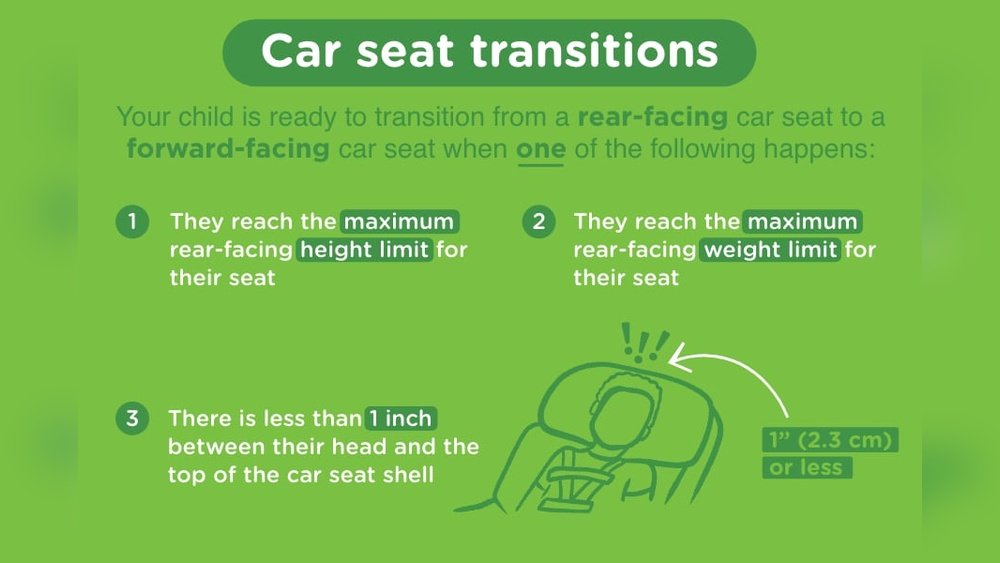
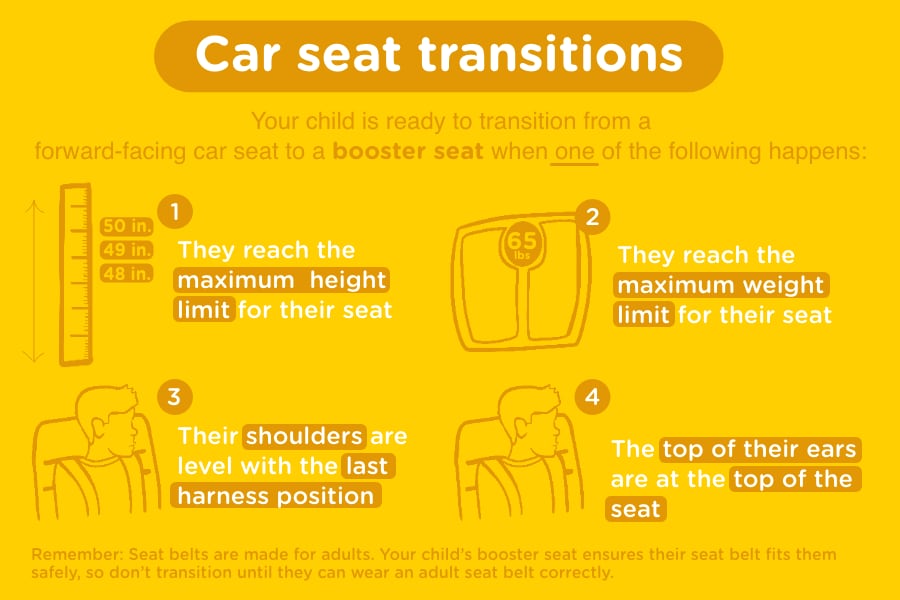
Switch to forward-facing only after your child meets the seat’s height or weight limit. Most seats have labels with this information. Some children may stay rear-facing until age two or older. Forward-facing seats allow children to sit more comfortably as they grow. Always follow the car seat manufacturer’s rules and local laws.

Credit: vixencomposites.com
Age And Weight Guidelines
Knowing the right age and weight to turn a car seat forward facing is important for your child’s safety. Following guidelines helps keep your child protected during every ride. These rules are set by experts who study child safety. They focus on the best time to switch from rear-facing to forward-facing seats. This section explains key age and weight guidelines to help you decide.
Recommended Age Limits
Experts recommend keeping children rear-facing until at least age two. Some suggest waiting until age three or more for added safety. Younger children have softer bones and need extra protection. Turning the seat too early can increase injury risk in a crash. Always check your car seat’s manual for specific age advice.
Weight And Height Requirements
Weight limits vary by car seat model but often start around 20 to 22 pounds. Height matters too, usually around 30 to 35 inches tall. These limits ensure the car seat fits your child properly. A loose or tight fit reduces safety. Follow the car seat’s label for exact weight and height rules before turning forward facing.
Safety Standards And Regulations
Safety standards and regulations guide parents on when to turn a car seat forward facing. These rules protect children during car rides. Understanding these guidelines helps keep kids safe and secure. Always follow the laws and best practices for car seat use.
National Safety Guidelines
National safety guidelines set clear rules for car seat use. These rules vary by country but share common goals. They usually require children to ride rear-facing until at least age two. The focus is on child size and weight limits to decide when to switch. Following these guidelines reduces injury risks in crashes.
Manufacturer Instructions
Car seat manufacturers provide specific instructions for their products. These details include height and weight limits for forward-facing use. Each car seat model has unique rules to ensure proper fit and safety. Reading the manual helps parents use the seat correctly. Ignoring these instructions can lead to unsafe seating positions.
Signs Your Child Is Ready
Knowing when to turn your child’s car seat to forward facing is important. Safety is the top priority. Watching for clear signs helps you decide. These signs come from your child’s body and behavior. They show readiness for the next step in car seat use.
Physical Indicators
Your child’s size matters. Most car seats have height and weight limits. Check if your child meets these limits first. Look for good head and neck control. Your child should sit upright without support. Their back should be straight. Legs may touch the seat edge but should not be cramped. Strong neck muscles help protect your child in a crash.
Behavioral Cues
Notice how your child acts in the seat. They might resist the rear-facing position. If your child tries to turn around or lean forward often, it can be a sign. Comfort is key for long rides. Your child should sit calmly without fussing. They may also show curiosity about the world outside. Forward facing lets them see more. This interest can hint they are ready to switch.
Common Mistakes To Avoid
Turning a car seat to face forward is an important step. Parents often make mistakes that can risk a child’s safety. Knowing what to avoid helps keep your child safe and comfortable.
Turning Too Early
Many parents switch the car seat to forward facing too soon. Experts recommend keeping children rear-facing as long as possible. This position protects their head and neck better in crashes. Look at your car seat’s weight and height limits. Follow these rules strictly to know the right time to turn.
Improper Installation
Installing the car seat incorrectly is a common error. Even a small mistake reduces the seat’s safety. Always read the manual carefully before setup. Check that the seat is tight and does not move more than an inch. Use the correct belt path and secure the harness snugly around the child. Double-check every step to avoid risks.
Credit: www.strong4life.com
Tips For Transitioning Smoothly
Transitioning your child to a forward-facing car seat is an important step. It needs careful planning and patience. Smooth change helps your child feel safe and comfortable. Follow simple tips for a stress-free move.
Preparing Your Child
Talk to your child about the new seat. Explain why it is safer for them now. Show excitement and confidence. Let them touch and sit in the seat before using it. Read stories or watch videos about car safety. Praise your child for being brave and growing up.
Ensuring Proper Fit
Check the car seat manual for weight and height limits. Make sure the seat fits your child well. Adjust straps to sit snugly over the shoulders. The harness clip should be at armpit level. Use the correct belt path for forward-facing mode. Test the seat by pushing it side to side. It should not move more than one inch.
Expert Recommendations
Expert recommendations guide parents on the safest time to turn a car seat forward facing. These guidelines come from trusted sources who study child safety closely. Following their advice helps protect your child during car rides.
Pediatrician Advice
Pediatricians suggest keeping children rear-facing as long as possible. This position supports the head and neck better in a crash. Most recommend rear-facing until at least age 2 or until the child reaches the car seat’s height or weight limit. Doctors say this reduces injury risk significantly.
Safety Organizations’ Stance
Groups like the American Academy of Pediatrics and National Highway Traffic Safety Administration stress rear-facing. They advise switching to forward-facing only when children outgrow rear-facing limits. These organizations offer clear rules based on crash data and child anatomy. Their stance aims to keep kids safer on every trip.

Credit: www.evenflo.com
Frequently Asked Questions
When Is It Safe To Turn A Car Seat Forward Facing?
You can turn a car seat forward facing when your child meets the height and weight limits set by the manufacturer. Usually, this is after age 2, but rear-facing is safest as long as possible. Always follow your car seat’s specific guidelines for best safety.
What Are The Height And Weight Limits For Forward Facing?
Forward-facing limits vary by car seat model but typically start around 20-30 pounds. Height limits depend on the seat’s harness system and are often listed in the manual. Check your specific car seat’s manual to ensure your child fits safely before switching.
Why Is Rear-facing Safer Than Forward-facing?
Rear-facing seats better protect your child’s head, neck, and spine during a crash. They distribute crash forces evenly across the back. Experts recommend keeping children rear-facing as long as possible for maximum safety before turning forward-facing.
Can A Toddler Sit Forward Facing Before Age 2?
It’s not recommended to switch before age 2 unless your child exceeds rear-facing limits. The American Academy of Pediatrics advises rear-facing until at least age 2 for optimal protection. Always follow car seat instructions and local laws.
Conclusion
Choosing the right time to turn your car seat forward facing is very important. Always follow the weight and height limits set by the car seat maker. Keep your child rear-facing as long as possible for better safety. Check your car seat manual and local laws to stay updated.
Remember, safety comes first when traveling with kids. Taking these steps helps protect your child on every trip. Stay informed and careful to keep your little one safe.
