

Are you wondering if baseless car seats are really safe for your child? Choosing the right car seat can feel overwhelming, especially when safety is on the line.
You want to protect your little one every time you hit the road, but how do you know if skipping the base is a risk worth taking? This article will clear up the confusion and give you the facts you need to make the best choice for your family’s safety.
Keep reading to discover what experts say about baseless car seats and how they could impact your child’s protection.
Types Of Car Seats
Car seats come in different types to fit various needs and safety standards. Choosing the right car seat is important for your child’s protection. Each type has its own design and way of securing your child in the car.
Understanding these types helps you decide what suits your child best. This guide explains the two main kinds of car seats: traditional and baseless.
Traditional Car Seats
Traditional car seats have a solid base that stays on the car seat. The child’s seat locks into this base securely. This design offers stable support during travel. Most parents trust traditional seats for their reliability. They come in many sizes for infants, toddlers, and older children. Installation is usually straightforward with clear instructions. These seats use harnesses to keep children safe inside.
Baseless Car Seats Explained
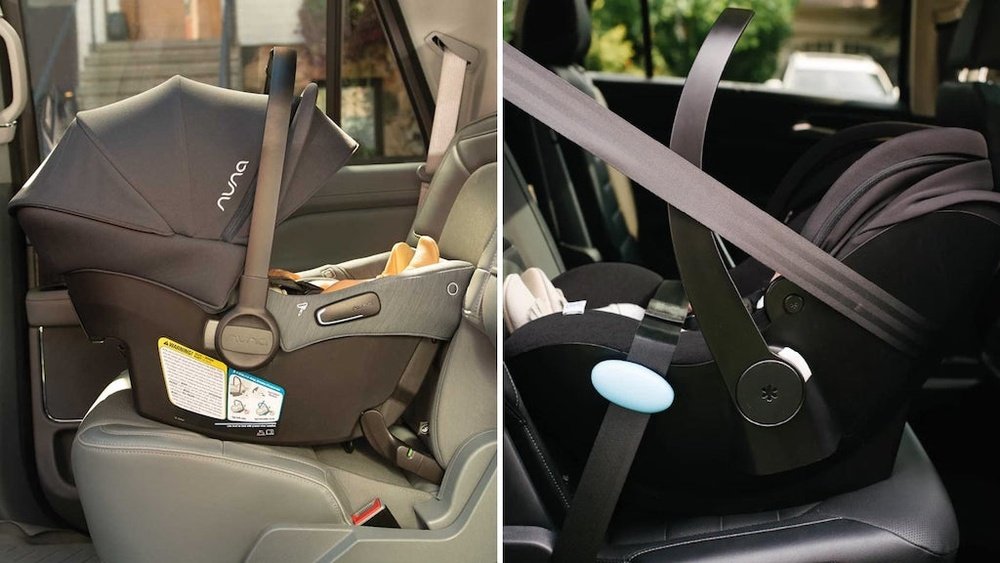
Baseless car seats do not have a separate base. Parents place the whole seat directly on the car seat. These seats often weigh less and are easier to carry. Some models use the car’s seatbelt for securing the child. They may be convenient for quick trips or small cars. Safety experts advise careful use and proper installation. Not all baseless seats meet every safety standard. Always check the seat’s ratings before buying.

Credit: www.momdoesreviews.com
Safety Standards For Car Seats
Car seats must follow strict safety standards. These rules help protect children in cars. Safety standards make sure seats are strong and safe. They test seats to see if they work well in crashes.
Understanding these standards helps parents choose the right car seat. This is very important for child safety during travel.
Regulations And Testing
Car seats must meet government regulations before they are sold. These rules vary by country but focus on safety. Seats go through many crash tests. Tests check how well seats hold children in place. They also test the seat’s straps and buckles. Seats must protect children in front and side crashes.
Certification Requirements
Car seats need certification to prove they meet safety rules. Certification means the seat passed all tests. Look for labels showing the seat is certified. Certified seats are safer than non-certified ones. Certification ensures the seat uses strong materials. It also means the seat fits most cars safely.
Risks Of Baseless Car Seats
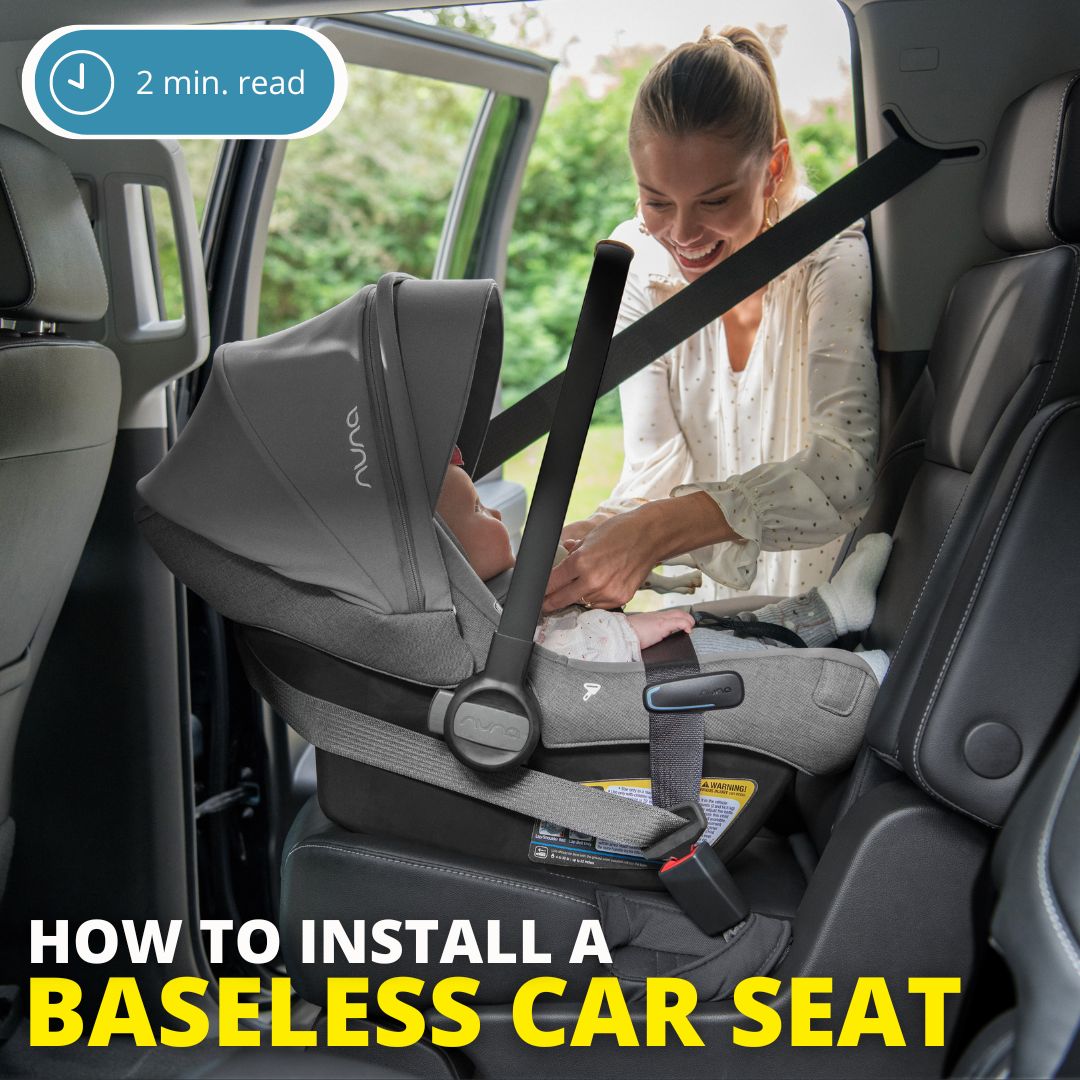
Baseless car seats may seem convenient, but they carry several risks. These seats lack a solid base, which can reduce stability during travel. This instability can affect how well the car seat protects a child in a crash. Understanding these risks helps parents make safer choices.
Impact On Child Safety
Baseless car seats often move more during a crash. This movement can increase the force on a child’s body. The lack of a base means less support for the seat’s structure. This can lead to poor protection for the child’s head and neck. Properly installed seats hold the child firmly in place. Without a base, the seat may not stay secure. This raises the chance of serious injury in an accident.
Common Injury Scenarios
In crashes, baseless seats may tip or slide off the vehicle seat. This can cause the child to hit the car interior hard. Sudden stops can throw the child forward more than usual. This can lead to head injuries or broken bones. Side impacts are also more dangerous with unstable seats. The child’s body may not be properly shielded. These scenarios show why a solid base is critical for safety.
Credit: www.bambibaby.com
Benefits Of Using Base-integrated Car Seats
Base-integrated car seats offer several clear benefits for parents and caregivers. These seats come with a built-in base that stays in the car. This design improves safety and convenience in many ways.
Using a base-integrated car seat reduces the chance of incorrect installation. It also makes moving the seat between vehicles easier. These benefits help keep children safe during every trip.
Enhanced Stability
The base provides a strong, stable foundation for the car seat. It locks securely into the vehicle’s seat, reducing movement. This stability helps protect the child in sudden stops or accidents. A stable base means less risk of the seat shifting or tipping.
Ease Of Installation
The base stays installed in the car, saving time. Parents simply click the car seat into the base. This reduces errors that can happen with each installation. Clear indicators show when the seat is locked in place. Easy installation ensures the seat is always secure.
Expert Opinions On Baseless Car Seats
Experts have mixed views on baseless car seats. These seats are designed to be lightweight and portable. Parents often find them easy to carry. But safety remains a top concern. Experts share insights based on studies and practical experience. Their opinions help parents make informed decisions.
Pediatrician Views
Pediatricians prioritize child safety above all. Most warn against using baseless car seats for long trips. They say these seats may not offer enough protection in crashes. Some pediatricians note these seats can tilt too much. This can cause breathing problems for infants. They advise using baseless seats only for short, supervised rides. Pediatricians recommend always following the car seat’s weight and height limits.
Safety Organization Recommendations
Safety organizations like the National Highway Traffic Safety Administration set clear rules. They require car seats to be secured with the vehicle’s seat belt or LATCH system. Baseless seats often do not meet these criteria. Many organizations advise against using baseless seats in moving vehicles. They highlight the higher risk of injury in accidents. Their guidelines focus on using car seats that attach firmly to the car. Safety groups encourage parents to check for crash test ratings before buying any seat.
Alternatives To Baseless Car Seats
Choosing the right car seat is vital for child safety. Baseless car seats might seem easy to use but have safety risks. Many parents prefer alternatives that offer more protection and stability. These options often include bases or use the car’s seat belt system. Understanding these alternatives helps make better choices for children’s travel safety.
Alternatives to baseless car seats provide firm support and reduce movement. They improve the fit and positioning of the child. This section explains two common alternatives: convertible seats with bases and booster seats.
Convertible Seats With Bases
Convertible car seats often come with a base that stays in the car. The base anchors the seat firmly to the vehicle. This reduces the chance of incorrect installation. Parents can click the seat in and out of the base easily. These seats adapt as the child grows, from rear-facing to forward-facing. This option offers strong protection and ease of use.
Using a base keeps the seat stable during sudden stops. It helps spread crash forces over a larger area. This reduces the risk of injury. Convertible seats with bases meet strict safety standards. They provide better security compared to baseless designs.
Booster Seats And Safety Considerations
Booster seats help older children use the car’s seat belt properly. They raise the child’s seating position. This ensures the seat belt fits the shoulder and lap correctly. Proper fit lowers the chance of injury in a crash. Booster seats usually do not have their own harness. The vehicle’s belt system secures the child instead.
Parents must check that the booster fits the child’s size and weight. The car’s seat belt must lie flat and snug. Booster seats with high backs offer extra head and neck support. This type of seat is safer on vehicles without headrests. Booster seats are a good option after outgrowing harnessed car seats.
Installation Tips For Maximum Safety
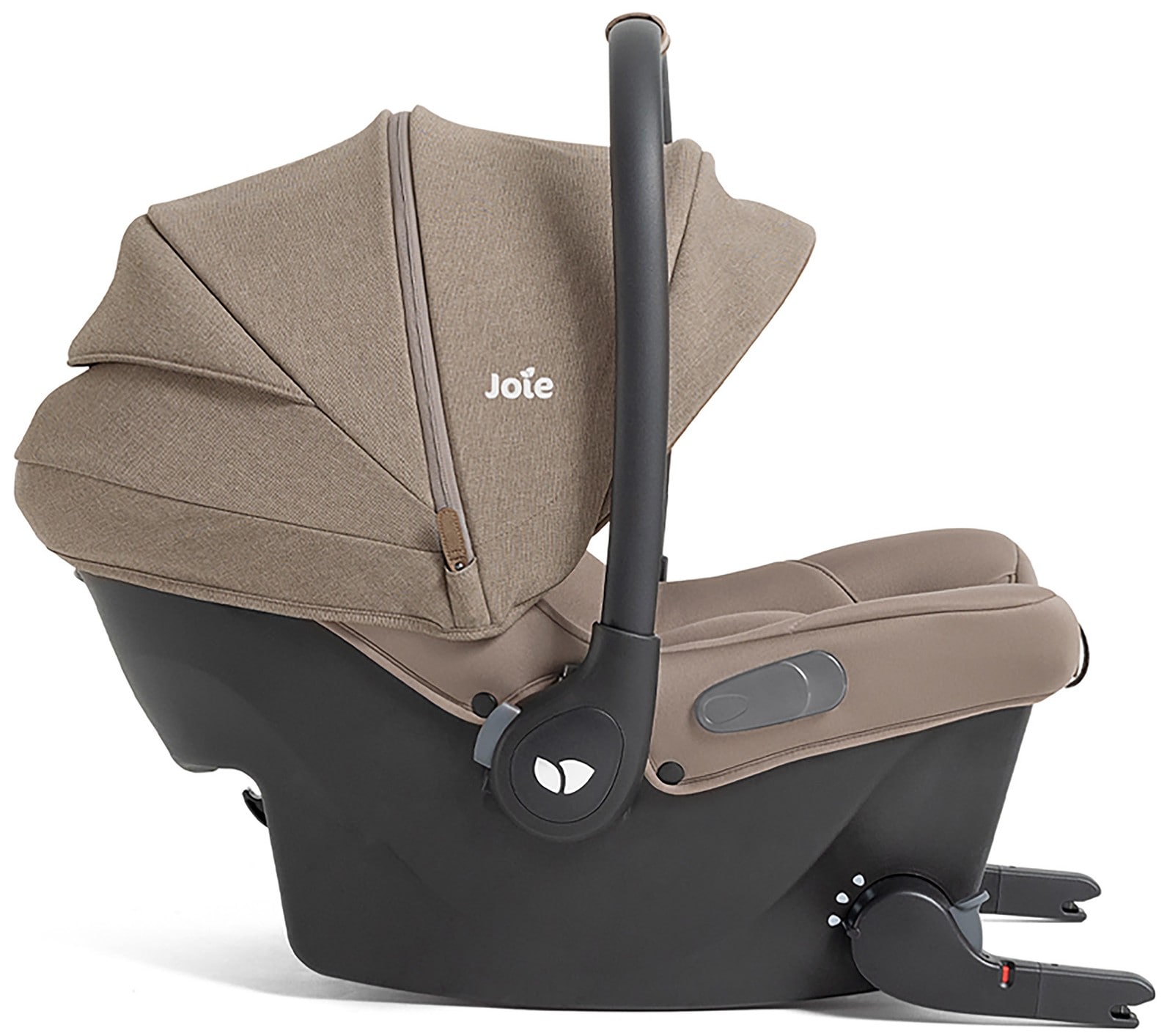
Installing a baseless car seat correctly is key to keeping your child safe. Proper installation helps the seat work as it should during a crash. Small mistakes can reduce protection. Follow these tips to improve safety and avoid common errors.
Proper Seatbelt Use
Use the vehicle’s seatbelt to secure the car seat tightly. Thread the seatbelt through the correct belt path. Check the car seat manual for guidance. Pull the belt firmly to remove slack. A loose seatbelt can cause the seat to move too much. Lock the seatbelt if your car has a locking mechanism. This prevents the seat from shifting during travel.
Avoiding Common Installation Mistakes
Do not install the car seat at an incorrect angle. Too reclined or too upright reduces safety. Use the level indicators on the seat if available. Avoid placing the seat in the front seat of the car. Airbags can injure a child during a crash. Make sure the car seat does not move more than an inch side to side or front to back. Regularly check the installation to keep it secure. Replace any worn or damaged parts immediately.
Credit: www.safeintheseat.com
Real-life Case Studies
Real-life case studies provide clear insight into the safety of baseless car seats. They show how these seats perform in actual accidents. This helps parents and caregivers make better choices. Stories from real accidents reveal the risks and benefits of different car seat types. These examples help us understand which seats offer the best protection.
Accident Reports Involving Baseless Seats
Several accident reports show baseless car seats can be risky. In crashes, these seats sometimes move or detach. This increases the chance of injury to the child. Some reports describe children being thrown forward due to lack of a base. Without a secure base, the seat may not absorb impact well. This can lead to serious harm in collisions. These cases highlight why stability is crucial for child safety.
Success Stories With Base-equipped Seats
Many success stories involve car seats with bases. These seats stay firmly in place during crashes. The base helps absorb impact and keeps the seat stable. Parents report children walking away with minor or no injuries. The base acts as a strong anchor for the seat. This prevents sudden movements that could hurt the child. These positive outcomes show the importance of using a seat with a base.
Future Trends In Car Seat Safety
Car seat safety is improving fast. New trends focus on making seats safer and easier to use. These changes help protect children better in cars. Future car seats will have smart features and better designs. The goal is to reduce injuries and keep kids safe on every trip.
Innovations In Design
Car seats are becoming lighter and more comfortable. Manufacturers use new materials that absorb impact well. Some seats adjust automatically to fit children perfectly. Designs now focus on easy installation without extra tools. This helps parents secure seats correctly every time.
Space-saving designs allow more room in vehicles. Some seats can grow with children, lasting many years. These innovations make travel safer and more convenient.
Improved Safety Features
Future car seats include sensors to check if the seat is secure. Alerts notify parents if the harness is loose. Many seats have side-impact protection that reduces force in crashes. New padding materials protect heads and necks better.
Some seats connect with cars to share safety data. This helps improve protection during accidents. These features work together to keep children safer than ever.
Frequently Asked Questions
Are Baseless Car Seats Safe For Infants?
Baseless car seats lack proper anchoring, reducing crash protection. They are generally unsafe for infants and not recommended by safety experts.
What Are The Risks Of Using Baseless Car Seats?
Baseless car seats can move during a crash, increasing injury risk. They offer less stability and do not meet safety standards.
How Do Baseless Car Seats Compare To Traditional Seats?
Traditional car seats have a base that secures tightly to the car. Baseless seats lack this, resulting in lower safety performance.
Can Baseless Car Seats Be Used Legally?
Some regions allow baseless seats if they meet safety certifications. However, many countries prohibit them due to inadequate protection.
Conclusion
Baseless car seats offer convenience but may lack stability. Always check safety ratings before buying. Ensure the seat fits your child’s size and weight. Proper installation is key to protect your child. Choose seats that meet safety standards and crash tests.
Think about your child’s comfort and ease of use. Safety should never be compromised for convenience. Keep your child secure on every trip. Trust only reliable and tested car seats.
