

Knowing exactly when to install your child’s car seat can feel confusing and overwhelming. You want to keep your little one safe, but the rules and recommendations seem to change as they grow.
If you’ve ever wondered, “When should I put in the car seat? ” or “Is it too early or too late? ”—you’re not alone. This guide will help you understand the right time to install the car seat, so you can protect your child with confidence every time you hit the road.
Keep reading to learn the simple steps and expert tips that make all the difference for your child’s safety.
Why Timing Matters
Timing plays a crucial role in installing a car seat correctly. Installing it too early or too late can reduce its effectiveness. Parents must understand why the right timing matters for their child’s safety and legal compliance.
Choosing the correct moment ensures the car seat fits the child’s size and weight perfectly. It also helps avoid risks linked to improper use.
Impact On Child Safety
Car seats protect children during car crashes. A seat installed too early or late may not offer full protection. Seats are designed for specific ages and weights. Using the right seat at the right time keeps the child safe. Proper installation reduces injury risk in accidents. Safety depends on matching the seat to the child’s growth stage.
Legal Requirements
Many countries have strict laws about car seat use. These laws set rules on when and how to install car seats. Following them avoids fines and legal issues. Laws often change as children grow and need different seats. Keeping up with legal rules ensures compliance and safety. Parents must know local regulations to protect their children and avoid penalties.
Age And Size Guidelines
Choosing the right car seat depends on your child’s age and size. These two factors keep your child safe during every ride. Car seats grow with your child. Each stage has rules to follow for the best protection.
Infants And Rear-facing Seats
Babies need rear-facing seats. This position supports their head, neck, and spine. Use a rear-facing seat from birth until your baby is at least 2 years old. Keep the seat reclined to protect their airway. Check the seat’s weight limit to ensure proper fit.
Toddlers And Forward-facing Seats
Once your child outgrows the rear-facing seat, switch to a forward-facing seat. Toddlers usually move at 2 to 4 years old. The seat has a harness to keep them secure. Make sure the seat fits your child’s height and weight. Follow the seat’s guidelines carefully.
Booster Seats For Older Children
Booster seats are for children who have outgrown forward-facing seats. They help position the seatbelt correctly. Usually, kids use boosters from ages 4 to 8. The child must be tall enough for the seatbelt to fit well. Use the booster until the seatbelt fits without it, typically around 4 feet 9 inches tall.
Signs To Transition Seats
Knowing the right time to change your child’s car seat is very important. Transitioning too early or too late can affect safety. Look for clear signs that show your child is ready for the next seat. These signs help keep your child safe and comfortable during travel.
Weight And Height Limits
Each car seat has a weight and height limit. Check the label on your child’s current seat. When your child reaches these limits, it’s time to switch seats. Moving on too soon can be unsafe. Staying too long can cause discomfort. Follow the manufacturer’s rules carefully.
Behavioral Cues
Watch how your child behaves in the seat. If your child seems uncomfortable or cramped, consider a change. Squirming, fussing, or refusing to sit still can be signs. Your child might also try to unbuckle or climb out. These behaviors show the seat no longer fits well.

Credit: safety1st.com
Common Installation Mistakes
Installing a car seat correctly is crucial for child safety. Many parents make simple mistakes that reduce protection during a crash. Understanding common installation errors helps keep your child safe.
Incorrect Seat Angle
The angle of the car seat affects your child’s comfort and safety. Too upright or too reclined seats can cause harm. Rear-facing seats must be angled properly to support a baby’s head. Check the seat manual for the right angle. Use built-in angle indicators or a level to adjust the seat. An incorrect angle can make breathing hard for infants.
Loose Harness Straps
Harness straps must fit snugly against your child’s body. Loose straps allow too much movement in a crash. The straps should lie flat without twists. Tighten the harness until you cannot pinch any slack. The chest clip should be at armpit level. Loose harnesses reduce the car seat’s effectiveness.
Tips For Proper Installation
Proper car seat installation keeps your child safe during travel. Small mistakes can reduce protection. Follow these easy tips to install the seat correctly. This ensures comfort and security for your little one.
Focus on two main methods: LATCH systems and seat belt positioning. Both have clear rules. Understanding them helps you avoid common errors. Let’s explore how to use each method.
Using Latch Systems
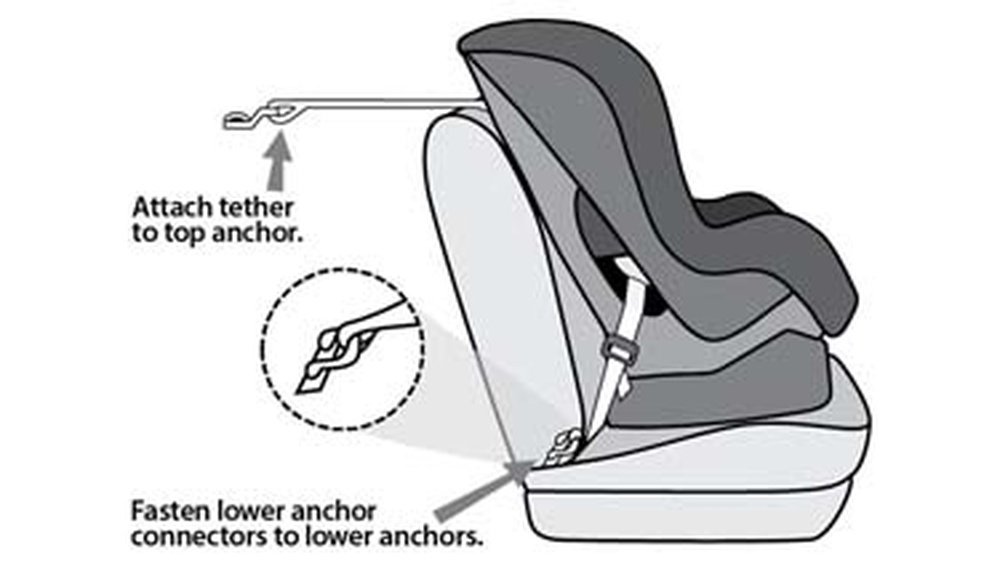
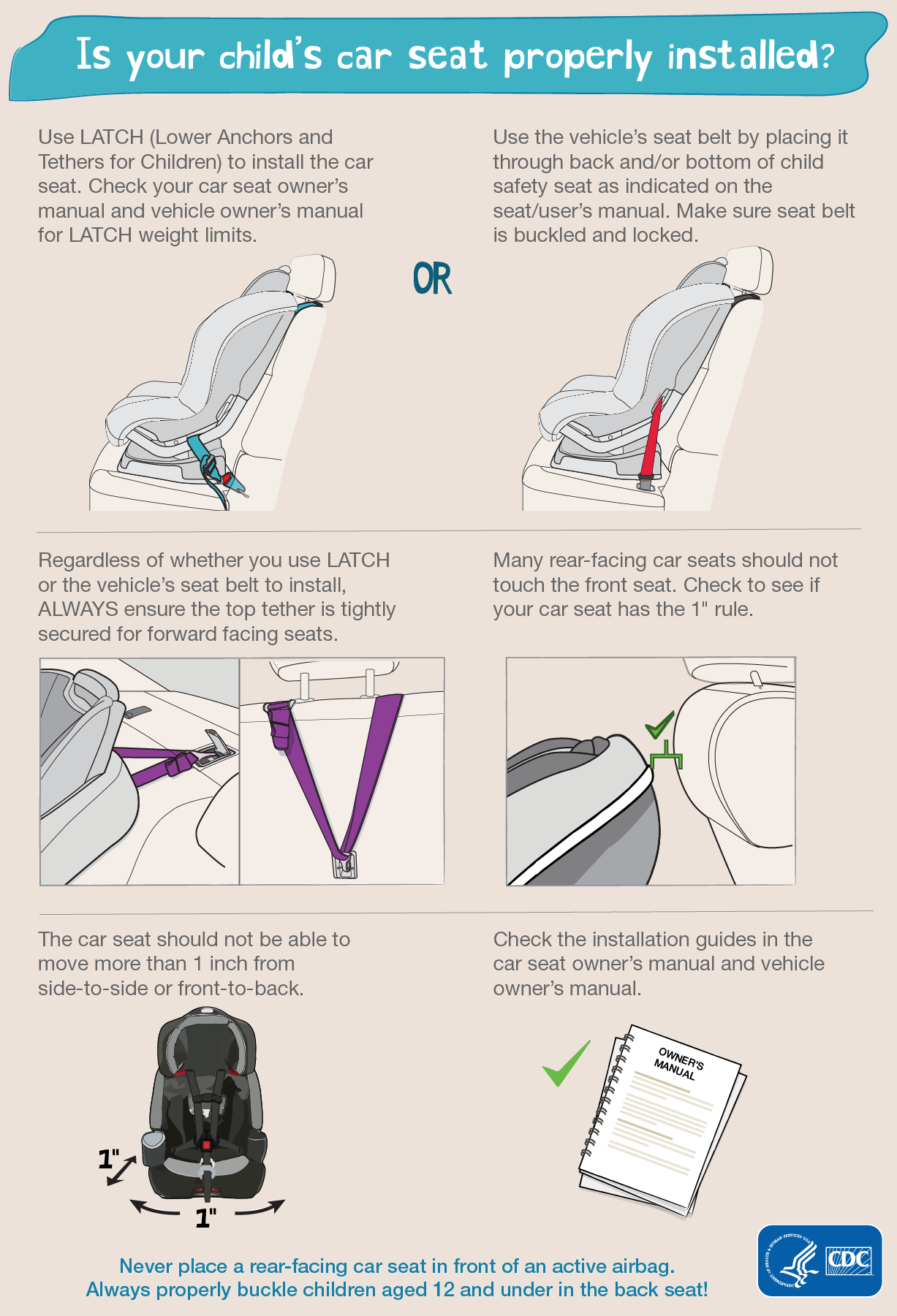
LATCH stands for Lower Anchors and Tethers for Children. It is a simple way to secure car seats. Locate the lower anchors in your vehicle’s seat crease. Attach the car seat’s connectors to these anchors firmly.
Pull the straps tight to remove slack. The seat should not move more than one inch side-to-side or front-to-back. Use the top tether strap for forward-facing seats. Connect it to the tether anchor and tighten it well.
Seat Belt Positioning
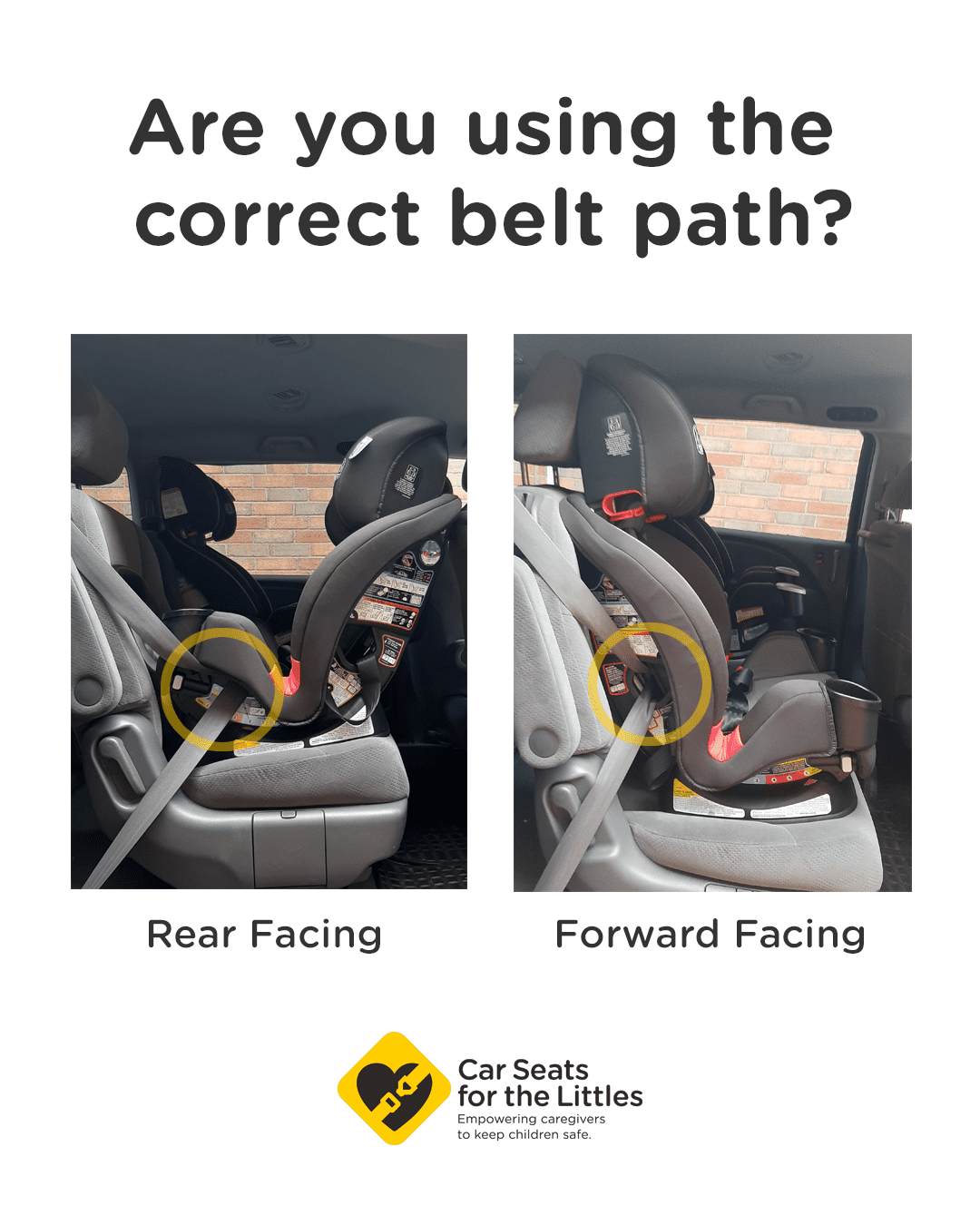
Use the vehicle’s seat belt if LATCH is not available. Thread the belt through the car seat’s belt path. Lock the belt by pulling it all the way out, then letting it retract slowly.
Make sure the belt is tight and flat. Avoid twists or slack. Check the angle of the seat, especially for rear-facing seats. Adjust recline to keep your child’s head from falling forward.
Credit: www.inspirahealthnetwork.org
When To Replace A Car Seat
Knowing when to replace a car seat is very important. Car seats keep children safe during travel. Over time, seats can become unsafe. Understanding the right time to get a new seat helps protect your child.
After Accidents
Car seats may get damaged in a crash. Even small crashes can harm the seat’s structure. It might look fine but still be unsafe. Replace the seat after any accident. Safety experts say one crash means one use only.
Expiration Dates
Car seats do not last forever. Plastic and parts wear down over time. Each seat has an expiration date. Check the label on the seat for this date. Never use a seat past this date. Expired seats may fail in a crash.
Resources For Parents
Parents want to keep their children safe in the car. Finding the right time to install a car seat can be confusing. Many helpful resources exist to guide parents through this process. These tools offer clear advice and practical support.
Professional Inspections
Certified technicians check car seat installation for safety. They ensure the seat fits the child and vehicle correctly. Many fire stations, hospitals, and police stations offer free inspections. Parents get hands-on help and answers to their questions. This service gives peace of mind and boosts confidence in car seat use.
Online Tools And Guides
Websites provide easy-to-follow instructions on car seat installation. Step-by-step videos show proper methods for different car seats. Interactive guides help parents choose the right seat by age and size. Many sites also list local inspection stations and safety tips. These tools save time and help parents feel ready.
Credit: csftl.org
Frequently Asked Questions
When Should I Install A Car Seat For My Newborn?
Install a car seat before bringing your newborn home. Use a rear-facing seat for infants up to 2 years old or as per manufacturer guidelines. Proper installation ensures maximum safety during every trip.
How Do I Know The Right Time To Switch Car Seats?
Switch car seats based on your child’s age, weight, and height limits. Follow guidelines to move from rear-facing to forward-facing seats, then to booster seats. Always prioritize safety recommendations from car seat manufacturers.
Can I Install A Car Seat Without Professional Help?
Yes, you can install a car seat yourself by carefully following the manual. However, using local car seat inspection stations ensures proper installation. Professional help reduces risks and increases your child’s safety during travel.
How Often Should Car Seats Be Replaced Or Reinstalled?
Replace car seats after any moderate or severe crash. Also, check expiration dates and manufacturer recalls regularly. Reinstall seats if you move them between vehicles to ensure they remain secure and effective.
Conclusion
Installing a car seat at the right time keeps children safe on every trip. Follow age and size guidelines carefully to choose the best seat. Check local laws to meet safety rules. Always secure the seat tightly in the vehicle.
Regularly inspect the seat for wear and proper fit. Safety grows with attention and care. Protect your child by acting early and wisely. Safety first, every time you drive.
