

You’ve mastered the car seat stage, but now you’re wondering—what comes after a car seat? It’s a big question because your child’s safety and comfort on every ride matter the most.
Choosing the right next step isn’t just about following rules; it’s about making sure your little one stays secure and happy as they grow. You’ll discover exactly what options are best after the car seat, how to pick the right one for your child, and why it makes a difference every time you buckle up.
Keep reading to find out how to make your next move with confidence and care.
Transitioning From A Car Seat
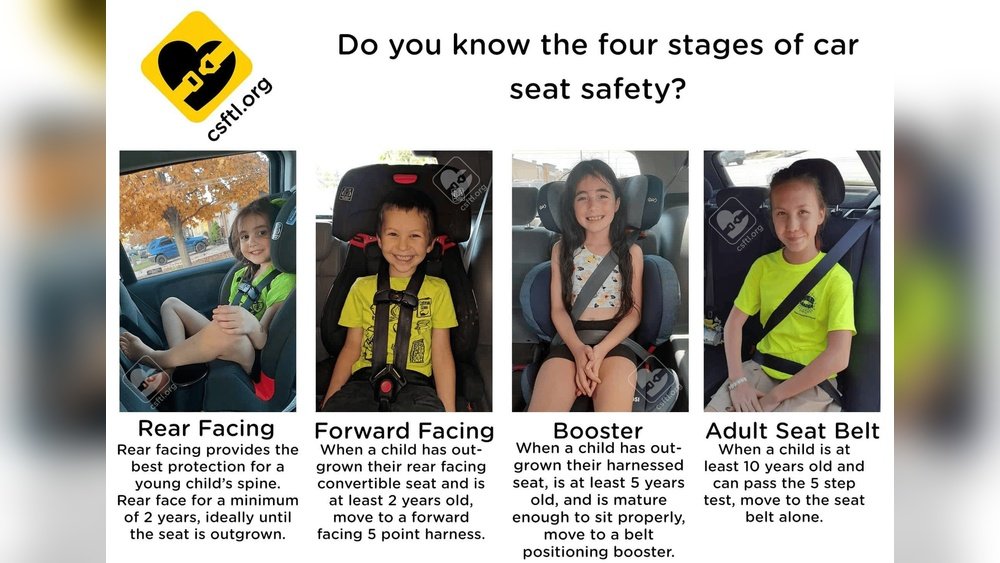
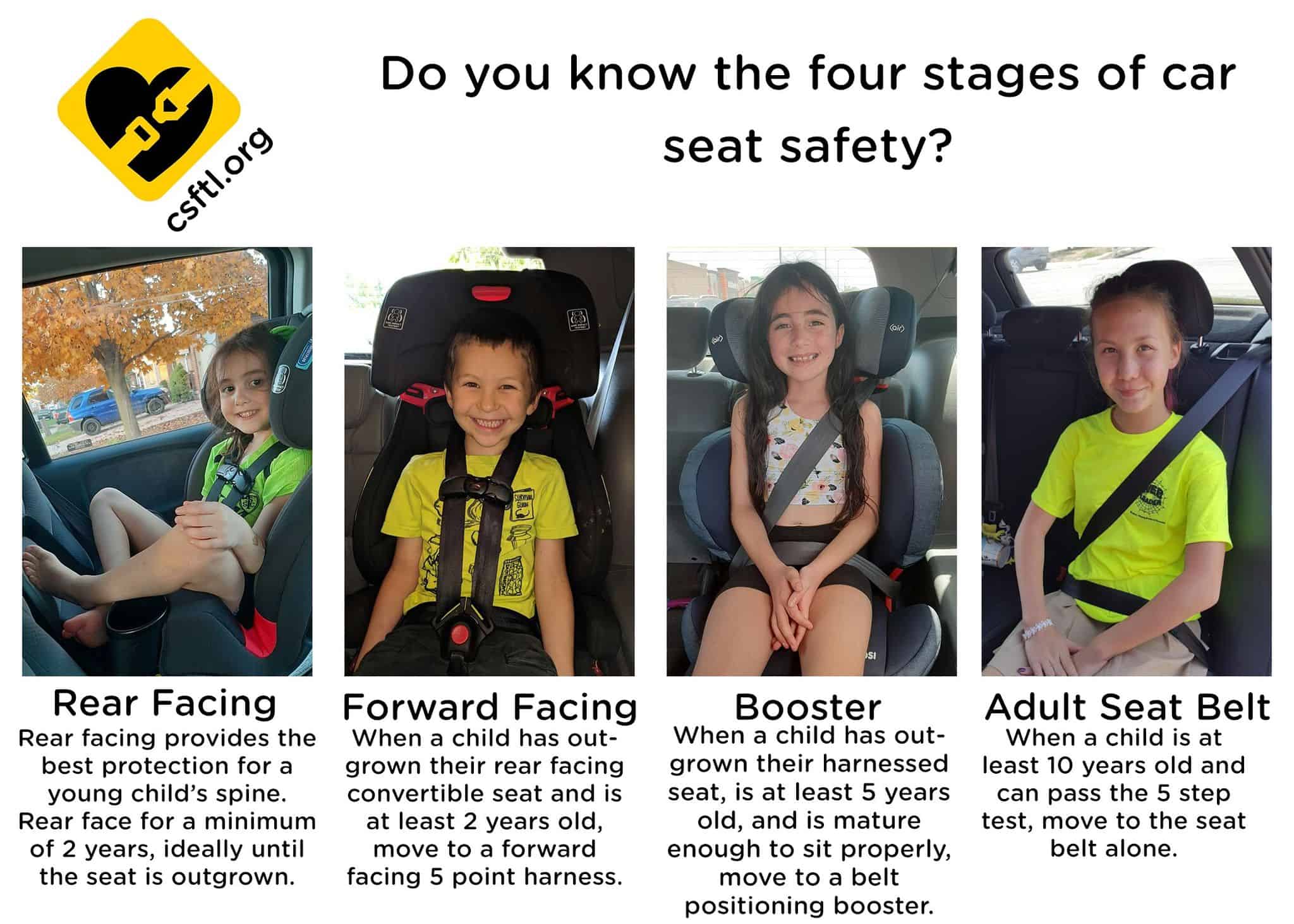
Transitioning from a car seat is an important step in your child’s safety journey. This change means moving from a harnessed seat to a booster or seat belt. It requires careful attention to your child’s growth and behavior. Making this switch at the right time helps keep your child safe and comfortable during car rides.
Signs Your Child Is Ready
Watch for signs that your child is ready to move on. Your child should sit still and keep the seat belt in the right place. If the harness feels tight or your child’s head is above the seat, it may be time. Your child should also be able to sit upright without slouching. These signs show your child can handle a different type of seat.
Age And Weight Guidelines
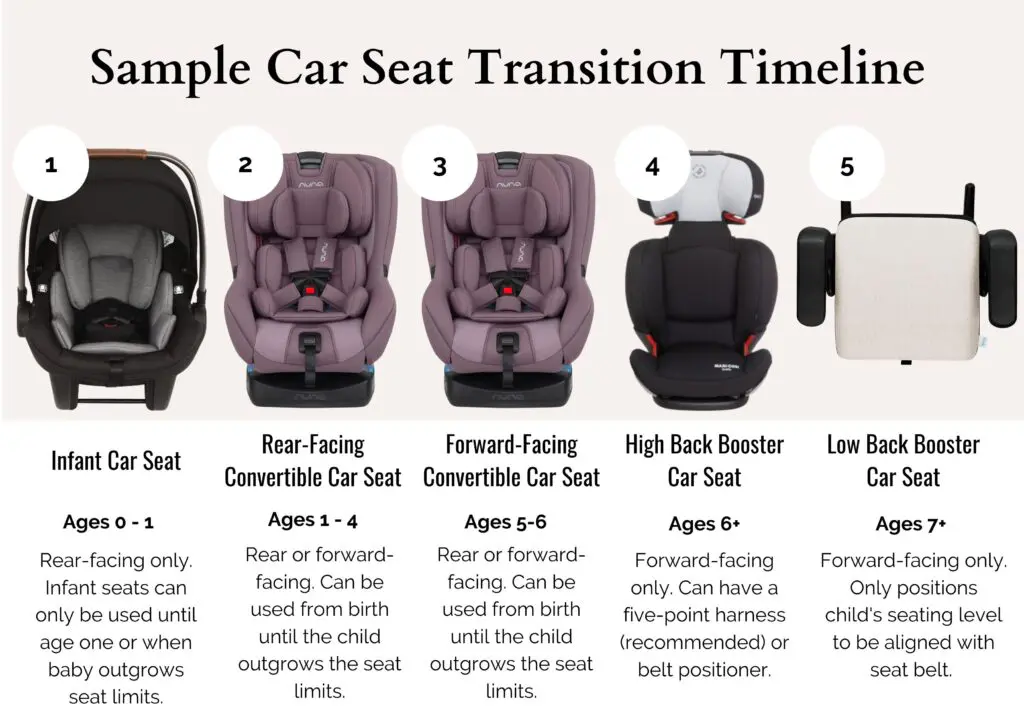
Check the car seat manual for age and weight limits. Most children use a harness seat until they weigh 40 pounds or more. Many experts suggest keeping your child in a car seat as long as possible. Usually, children switch to a booster seat between ages 4 and 7. Weight limits for boosters can range from 40 to 100 pounds. Following these rules helps ensure your child’s safety.
Choosing The Right Booster Seat
Choosing the right booster seat is key for your child’s safety and comfort. After outgrowing a car seat, a booster seat helps position the seat belt correctly. This reduces the risk of injury in case of a crash. Many options exist, so knowing what to pick is important. Focus on your child’s size, weight, and the car’s fit. This guide will help you find the best booster seat for your child.
Types Of Booster Seats
Booster seats come in two main types: high-back and backless. High-back boosters have a frame and headrest. They offer extra support and protection for the head and neck. Backless boosters are small cushions that raise the child. These fit best in cars with good headrests. Choose a type that fits your child’s size and your car’s seats well.
Safety Features To Look For
Check for important safety features before buying. Look for side-impact protection to guard the child’s head and body. The booster seat should have a strong, stable base. A seat with easy-to-use belt guides helps position the seat belt correctly. The materials should be sturdy and well-padded. Always choose a booster seat that meets safety standards and has passed crash tests.
Proper Booster Seat Installation
Proper booster seat installation is crucial for child safety in the car. The right setup ensures that seat belts fit correctly and protect your child during travel. A booster seat lifts the child to position the seat belt across the chest and hips, not the stomach or neck. This reduces the risk of injury in a crash.
Follow the car seat manual and booster seat instructions carefully. Each vehicle and booster seat model may have specific installation steps. Taking time to install the booster seat correctly can make a big difference in safety.
Using Seat Belts Correctly
The booster seat works with your car’s seat belts. The lap belt should lie flat across the child’s upper thighs, not the stomach. The shoulder belt must cross the middle of the chest and shoulder. It should not touch the neck or face.
Make sure the seat belt is snug and not twisted. Loose belts reduce protection. Check the fit every time your child rides. Adjust the booster or seat belt as your child grows.
Common Installation Mistakes
Placing the booster seat too far from the vehicle seat back is a common error. The booster must sit firmly against the seat back. Using the booster without a seat belt is dangerous and incorrect.
Allowing the shoulder belt to slip behind the child’s back or under the arm is another mistake. This weakens the belt’s effectiveness. Also, avoid using booster seats with damaged parts or expired dates. These issues can compromise safety.
Credit: csftl.org
Seat Belt Safety Tips
Seat belt safety is key after moving on from a car seat. Proper use protects kids and adults alike. It lowers injury risks in crashes. Knowing how to wear seat belts right is vital. Parents must teach kids good habits early on. This section gives clear tips for seat belt safety.
Correct Seat Belt Positioning
The lap belt should rest low on the hips. It must never sit on the stomach. The shoulder belt goes across the chest. It should not touch the neck or face. This placement helps spread crash forces safely. Wrong positioning can cause serious injuries.
Ensuring A Snug Fit
The seat belt should fit tight but comfortable. Loose belts let the body move too much in a crash. Check that the belt lies flat without twists. Children should sit all the way back in the seat. Adjust the belt height if possible for a better fit.
Legal Requirements And Recommendations
Understanding legal requirements and recommendations after a car seat is important. These rules keep children safe while traveling. Laws and guidelines help parents choose the right booster seat for their child. Following them ensures children have the best protection on the road.
State Laws On Booster Seats
Each state has its own laws about booster seats. These laws usually depend on a child’s age, weight, and height. Many states require booster seats until children are at least 8 years old. Some states also set minimum height or weight limits for booster seat use. It is important to check local laws to know when to stop using a booster seat.
Not following state laws can lead to fines or penalties. More importantly, it may put children at risk during car rides. Parents should keep updated with any changes in booster seat laws in their state.
National Safety Guidelines
National safety groups give recommendations on booster seat use. The American Academy of Pediatrics suggests children use booster seats until they fit properly in a regular seat belt. This usually happens when the child reaches 4 feet 9 inches tall. Proper fit means the seat belt lies across the chest and upper thighs, not the stomach or neck.
These guidelines focus on safety and comfort. Booster seats improve seat belt fit and reduce injury risks. Following national recommendations helps protect children beyond what state laws may require.
Credit: www.gentlenursery.com
When To Move To Seat Belts Alone
Moving from a car seat to seat belts alone is a big step for kids. It means they are growing and ready for more independence in the car. Knowing the right time to switch helps keep children safe during every trip.
Height And Weight Criteria
Height and weight are the main guides for switching to seat belts. Most experts say children should be at least 4 feet 9 inches tall. Their weight should be around 80 to 100 pounds. These numbers help ensure the seat belt fits well. A proper fit means the belt lies across the chest and hips, not the neck or stomach.
Ensuring Child Readiness
Children must also behave well in the car to move to seat belts. They need to sit still and keep the belt on all the time. Kids should understand why seat belts are important. They must be able to buckle and unbuckle the belt themselves. Watching how a child handles the seat belt helps decide if they are ready.
Maintaining Safety Beyond Booster Seats
Keeping children safe after booster seats requires careful attention. Safety does not end with the booster seat. Proper habits and seating choices help protect kids in every ride. Parents and caregivers must stay aware of changes as children grow. This ensures safety remains strong beyond booster seats.
Back Seat Vs. Front Seat
The back seat is the safest place for children. It reduces risk during crashes. Airbags in the front can injure young passengers. Children under 13 should always sit in the back. This simple rule helps keep them safer on the road.
Additional Safety Practices
Always use seat belts correctly. The belt should lie across the shoulder and chest, not the neck or stomach. Teach children to stay seated and avoid distracting the driver. Check seat belt fit often as children grow. Keep doors locked and windows up while driving. These small steps support safety beyond booster seats.

Credit: siebleben.de
Frequently Asked Questions
What Comes After A Car Seat For Toddlers?
After a car seat, toddlers typically transition to a booster seat. Booster seats raise the child to fit the car’s seat belt properly. They are used until the child is tall enough for the seat belt to fit without assistance, usually around 4 feet 9 inches.
When Should A Child Switch From A Car Seat?
Children should switch from a car seat to a booster seat once they outgrow the car seat’s height or weight limits. This usually happens between ages 4 to 7. Always follow the manufacturer’s guidelines and local laws for safe transition timing.
How Long Should Kids Use A Booster Seat?
Kids should use a booster seat until they are about 4 feet 9 inches tall and 8 to 12 years old. Booster seats ensure the seat belt fits correctly on the child’s shoulder and lap for maximum safety.
Can A Child Use A Seat Belt Without A Booster?
No, children under 4 feet 9 inches should not use a seat belt alone. A booster seat positions the belt properly. Without it, the belt can cause injury during a crash due to improper fit.
Conclusion
Choosing what comes after a car seat matters for your child’s safety. Booster seats help kids sit higher and use seat belts right. Each stage fits different ages and weights. Follow guidelines to know when to switch seats. Always check your car’s manual for proper installation.
Safety grows with your child’s size and needs. Keep comfort and protection in mind every time. Your child’s safety journey continues beyond the car seat. Stay informed and update gear as your child grows. Safety first, always.
