

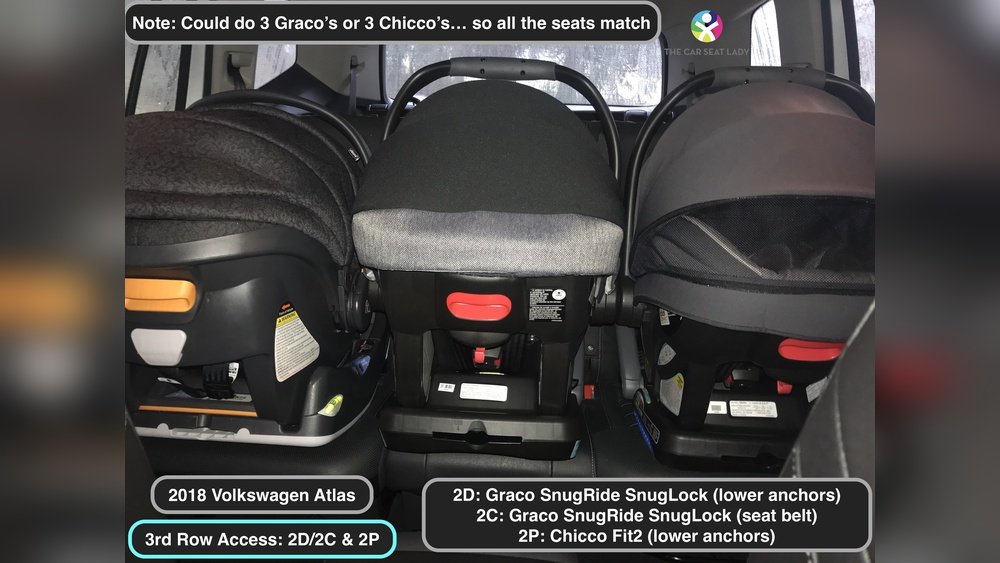
Finding the perfect car seat for your little one can feel overwhelming, especially when space in your car is tight. You want something safe, comfortable, and easy to fit—without squeezing your baby or struggling to install it.
That’s where the narrowest infant car seats come in. If you’ve ever wished for a seat that takes up less room but still keeps your baby secure, this guide is for you. Keep reading to discover what makes these seats stand out and how to choose the best one for your family’s needs.
Why Choose A Narrow Infant Car Seat
Choosing the right infant car seat is important for safety and comfort. A narrow infant car seat fits better in tight spaces. It makes traveling easier and more practical. Parents with small cars or multiple children often prefer these seats. They save space without sacrificing safety or comfort. Here’s why a narrow infant car seat might be the best choice for you.
Space-saving Benefits
Narrow car seats take up less room inside your car. This creates more space for other passengers or gear. You can fit two seats side by side more easily. It also leaves extra room for bags and baby essentials. A compact seat helps keep your car organized and neat.
Ease Of Installation
Narrow seats are often lighter and easier to handle. Installing them can be quicker and simpler. They fit well in most car models without much adjustment. This reduces the stress of setting up the seat correctly. A simple installation means fewer mistakes and safer travel.
Suitability For Small Cars
Small cars have limited space for car seats. Narrow infant seats fit better in these vehicles. They allow parents to use their cars without compromise. You can still travel safely with your baby in a smaller car. This makes narrow seats a smart choice for compact vehicles.
Key Features Of Narrow Infant Car Seats
Narrow infant car seats have special features that make them ideal for small spaces. These seats fit well in tight car interiors. They keep babies safe and comfortable. Key features help parents choose the right seat easily.
Safety Standards
Safety is the top priority for any infant car seat. Narrow seats meet strict safety rules. They pass crash tests to protect babies in accidents. These seats have strong frames and secure locking systems. They provide reliable protection on every trip.
Adjustable Harness And Padding
The harness fits babies of different sizes. Parents can easily adjust it for a snug fit. Soft padding keeps babies cozy and prevents pressure points. This support helps infants stay in a safe position. The padding often comes with removable covers for cleaning.
Lightweight Design
Narrow infant car seats are light and easy to carry. Their slim build does not add extra weight. Parents can move the seat without strain. This design also helps with installation and removal. It makes traveling with a baby less stressful.
Top Narrow Infant Car Seats
Finding the narrowest infant car seat helps save space in your car. It fits better in small vehicles. It also allows more seats or passengers inside. Narrow car seats still keep your baby safe and comfortable. Here are some top choices that combine slim design with quality features.
These seats suit parents who want easy installation and good safety. Each model offers unique benefits. Read on to find the best narrow infant car seat for your needs.
Brand A: Compact And Comfortable
Brand A focuses on a slim frame without losing padding. The seat fits well in tight spaces. Soft cushions keep babies cozy during rides. Parents praise its simple harness system. This seat works well for daily use and travel.
Brand B: Lightweight And Easy To Install
Brand B’s model is very light, making it easy to carry. Installation takes just a few steps. Many parents like the clear instructions and click-in base. The narrow design helps fit the seat in small cars. It balances convenience with safety features.
Brand C: Budget-friendly Narrow Seat
Brand C offers a low-cost option that does not skimp on safety. The seat is narrow enough for compact cars. It has adjustable straps and good padding. This model suits parents on a budget who want a reliable car seat.
Brand D: Premium Safety Features
Brand D includes advanced safety technology in a narrow frame. Side-impact protection and reinforced steel frames are key features. The seat meets high safety standards. It is ideal for parents who want extra peace of mind without a bulky seat.
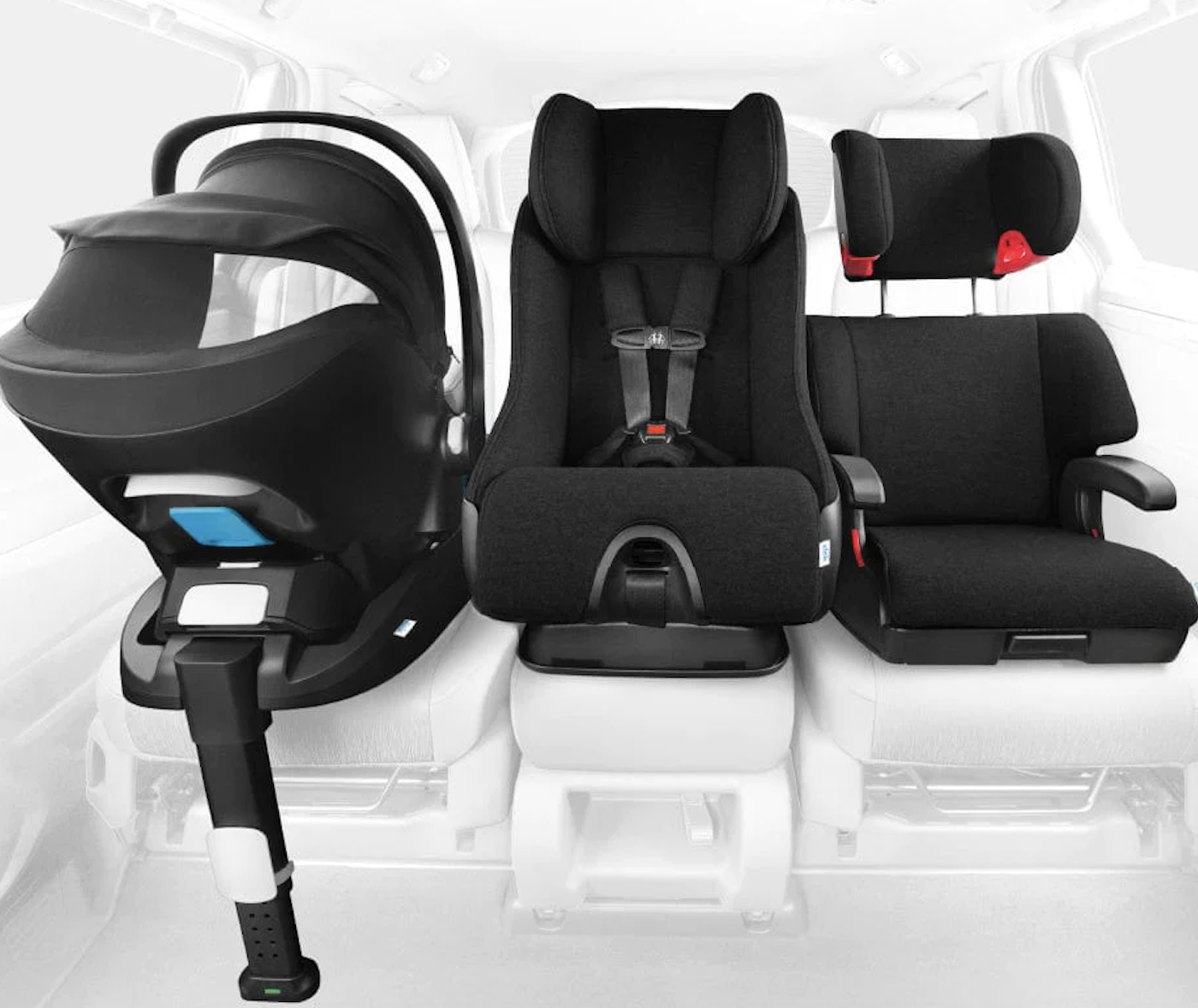
Credit: investiraukongocentral.cd
Comparing Dimensions And Weight
Choosing the narrowest infant car seat means checking its size and weight. These factors affect how well the seat fits in your car. They also impact how easy it is to carry and install. This section compares key measurements to help you decide.
Width Measurements
The width of the car seat is the first thing to check. Narrow seats fit better in small cars. Most narrow infant seats measure between 16 to 18 inches wide. Some models go as low as 15 inches. A smaller width helps fit two seats side by side.
Seat Depth And Height
Depth and height affect how the baby fits inside the seat. Depth means how far the seat goes from front to back. Height means how tall the seat is from bottom to top. Infant seats usually have depths between 25 and 30 inches. Heights range from 20 to 25 inches. A compact depth and height help in tighter car spaces.
Overall Weight
Weight matters for carrying and moving the seat. Lighter seats are easier to carry and install. Narrow infant car seats typically weigh between 7 and 10 pounds. Some lightweight models weigh under 7 pounds. Consider weight if you travel often or move the seat daily.
Installation Tips For Narrow Seats
Installing a narrow infant car seat can be tricky. The tight space needs careful handling to keep your baby safe. Proper installation ensures the seat stays secure during every ride. Follow these tips to install narrow seats with confidence.
Using Seat Belts Correctly
Thread the seat belt through the correct path on the car seat. Pull the belt tight to remove slack. Make sure the belt locks properly to hold the seat firmly. Check that the car seat does not move more than an inch side to side.
Latch System Guidelines
Use the lower anchors to attach the car seat when possible. Attach both anchors securely to the car seat connectors. Tighten the straps to keep the seat steady. Avoid twisting the straps to ensure maximum strength. Always check the seat manual for LATCH weight limits.
Avoiding Common Installation Mistakes
Do not place the car seat at too steep or too flat an angle. Avoid loose straps or belts that allow seat movement. Keep the car seat away from airbags. Never install the seat using only the top tether for infants. Double-check the seat’s fit after installation to confirm safety.

Credit: csftl.org
Pros And Cons Of Narrow Infant Car Seats
Narrow infant car seats have specific pros and cons that parents should know. These seats suit certain situations better than others. Understanding their benefits and drawbacks helps in choosing the right seat for your child.
Advantages In Tight Spaces
Narrow infant car seats fit well in small cars. They make it easier to place multiple seats side by side. This is good for families with more than one child. They also take up less room in the back seat. This leaves more space for adults or other items.
Potential Comfort Issues
Some narrow seats may feel tight for bigger babies. They might limit arm and leg movement. This can cause discomfort during longer trips. Padding and support might be less in narrow models. Always check if your baby fits comfortably before buying.
Longevity And Growth Room
Narrow seats often have less room for growth. Babies may outgrow them sooner than wider seats. This means you might need a new car seat faster. Consider how long you want to use the seat before choosing one. Look for models with adjustable features to extend use.
Safety Recommendations For Infant Car Seats
Infant car seats keep babies safe during travel. Choosing the narrowest infant car seat helps fit your child securely in tight spaces. Safety is the top priority when using any infant car seat. Follow key safety recommendations to protect your baby every time.
Proper Harness Usage
The harness must fit snugly around your baby. Make sure the straps lie flat without twists. The chest clip should be at armpit level. Tighten the harness so you cannot pinch any slack. A loose harness can cause injury in a crash.
Rear-facing Positioning
Always install the infant car seat rear-facing. This position offers better head and neck support. Use the car seat until your child reaches the maximum height or weight limit. Rear-facing seats reduce the risk of severe injuries.
Regular Seat Inspections
Check the car seat regularly for damage or wear. Look for cracks, broken parts, or frayed straps. Clean the seat according to the manufacturer’s instructions. Replace the car seat after any serious accident or if expired.
Where To Buy Narrow Infant Car Seats
Finding the right narrow infant car seat can be a challenge. Knowing where to buy one helps simplify the search. Many options exist for purchasing these seats, both new and used. Choose the place that fits your needs and budget best.
Online Retailers
Many online stores offer a wide range of narrow infant car seats. Websites like Amazon and Walmart provide detailed descriptions and customer reviews. Shopping online gives access to various brands and models. Easy returns and fast delivery add convenience.
Specialty Baby Stores
Specialty baby stores focus on infant gear and car seats. Staff can help you find the perfect narrow seat. You can see and test products before buying. These stores often carry trusted brands and latest models.
Secondhand Options
Secondhand stores and online marketplaces sell used narrow infant car seats. This option saves money but requires caution. Always check the seat’s condition and expiration date. Ask about previous use and any accident history. Safety is the top priority when buying used seats.

Credit: csftl.org
Frequently Asked Questions
What Is The Narrowest Infant Car Seat Available?
The narrowest infant car seat typically measures around 16 to 17 inches in width. These seats are designed for smaller spaces and tight car interiors. Brands like Nuna and Maxi-Cosi offer some of the slimmest options without compromising safety.
Why Choose A Narrow Infant Car Seat?
A narrow infant car seat saves space, allowing for easier installation. It fits better in compact cars and enables multiple car seats side-by-side. This design helps parents with limited car room while maintaining safety standards.
Are Narrow Infant Car Seats Safe For Newborns?
Yes, narrow infant car seats meet all safety regulations. They undergo rigorous crash testing to ensure protection. Always check for certifications like JPMA or FMVSS 213 before purchasing.
How To Measure For The Narrowest Infant Car Seat?
Measure your car’s backseat width between the doors. Compare this with car seat dimensions provided by manufacturers. Choose the narrowest seat that fits comfortably with room for installation.
Conclusion
Choosing the narrowest infant car seat helps save space in your car. It fits well in small cars or tight spaces. Always check safety ratings before making your choice. Comfort for your baby is just as important as size. A narrow seat should still protect your child properly.
Remember, safety and fit go hand in hand. Pick a seat that works best for your family’s needs. Keep your baby secure and enjoy every ride with peace.
