

Are you wondering if your child’s car seat is still safe to use? Knowing where to find a car seat expiration date is crucial for your child’s safety.
Using an expired car seat can put your little one at risk, but finding that date can be tricky if you don’t know where to look. You’ll discover exactly where to find the expiration date on your car seat, why it matters, and what to do when your seat is past its prime.
Keep reading to protect your child every time you hit the road.
Credit: blog.cincinnatichildrens.org
Locate The Expiration Label
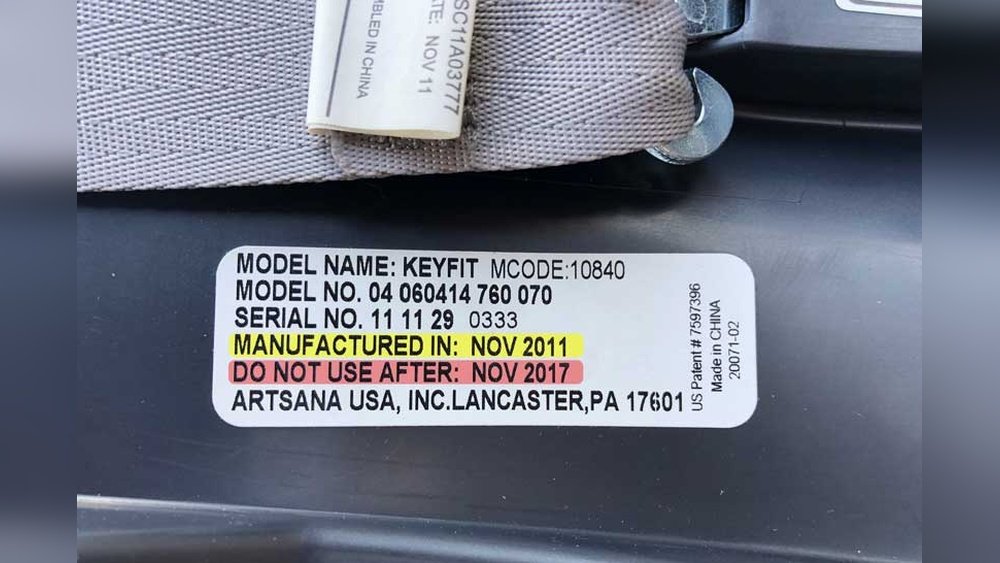
Knowing where to find the car seat expiration date is very important. The expiration date shows how long the car seat is safe to use. Every car seat has a label with this date. This label is easy to miss if you do not know where to look. Finding the label helps keep your child safe and follows safety rules.
Common Label Locations
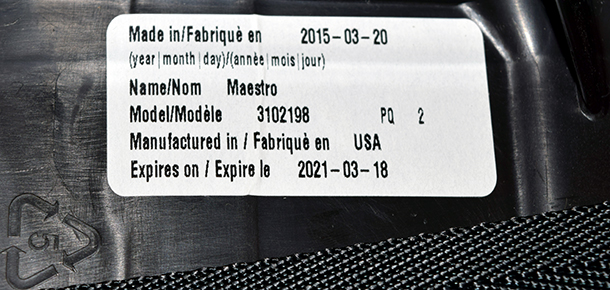
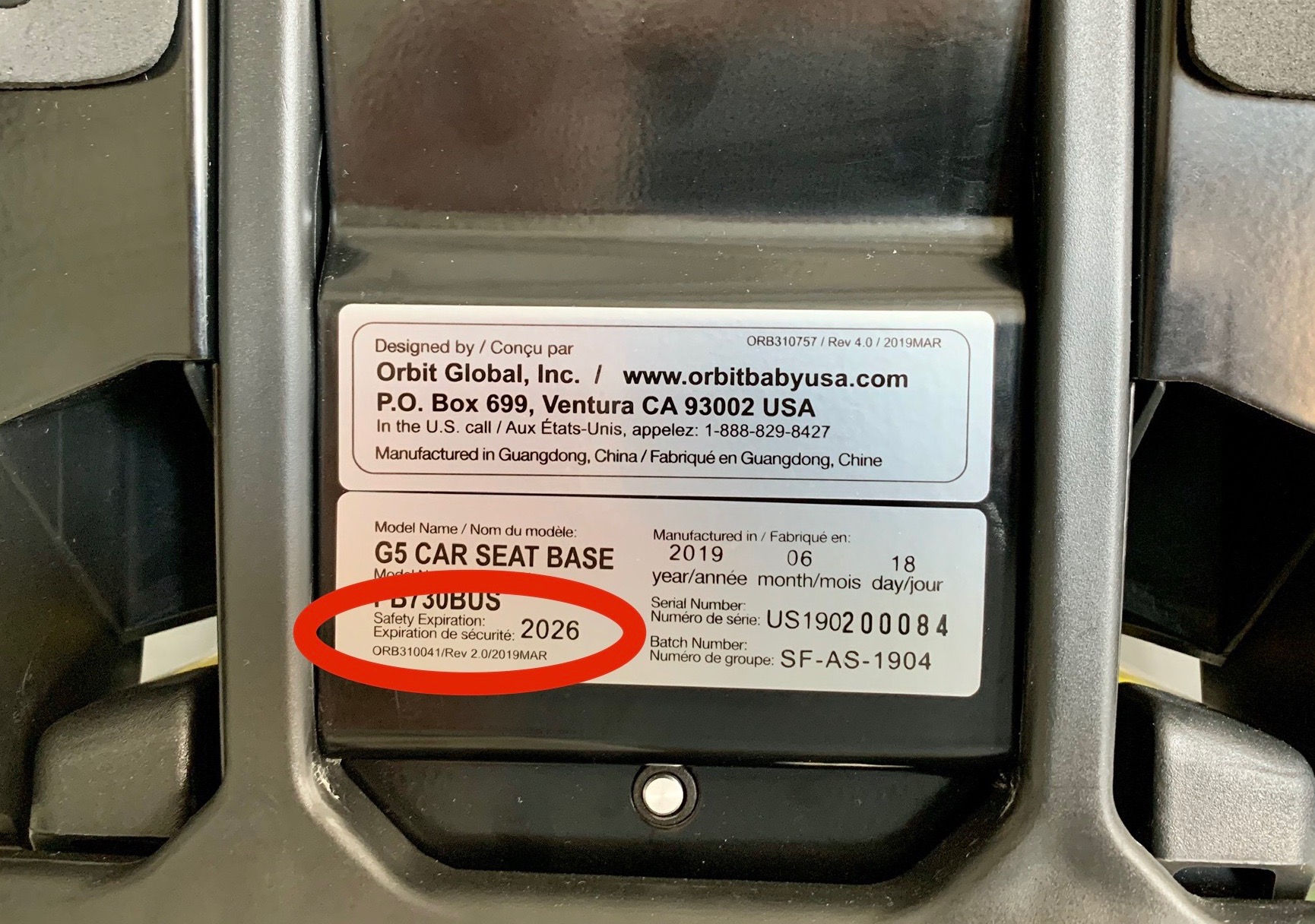
The expiration label is often on the back of the car seat. It may also be on the bottom or side. Some labels hide under the seat cover. Check all sides carefully. The label is usually a white or silver sticker. It stays on the seat for many years.
What The Label Looks Like
The label shows the word “Expiration Date” or “Use By.” It has a month and year printed on it. The date may look like “12/2027” or “Dec 2027.” Sometimes, the label includes the model number and manufacture date. The letters and numbers are clear and easy to read.
Credit: consumercare.coscokids.com
Check The Manufacturer’s Manual
The car seat’s expiration date is important for your child’s safety. Checking the manufacturer’s manual is the best way to find this date. The manual has all the details you need about your car seat. It tells you how long the seat lasts and when to replace it.
Reading the manual helps you understand the seat’s limits. It also explains how to care for and install the seat properly. Keep the manual handy for quick reference anytime you need it.
Finding Expiration Info In The Manual
Look in the manual’s safety section. The expiration date is usually listed there. It might say “expiration,” “use by,” or “replace after.” The date can also be shown as a number of years from the manufacture date.
The manual often shows the manufacture date too. This helps you calculate the expiration date if it’s not stated directly. Check the pages carefully for any warnings or notes about the seat’s lifespan.
When Manuals Are Missing
Many car seats lose their manuals over time. Don’t worry if yours is missing. You can visit the car seat brand’s website. Most brands offer downloadable manuals in PDF form.
Use the model number on the seat to find the right manual. You can also call the manufacturer’s customer service. They can give you expiration information based on the seat’s details.
Understand Expiration Timeframes
Understanding the expiration timeframes of car seats helps keep children safe. Car seats do not last forever. They wear out over time. Knowing when a seat expires guides you to replace it on time.
Expiration dates protect from hidden damage. Plastic and straps weaken. Safety features may fail. Using an expired seat can risk your child’s safety.
Typical Lifespan Of Car Seats
Most car seats last between six and ten years. The exact time depends on the brand and model. Check the label on the seat for the date of manufacture. This date helps calculate the expiration.
Seats older than ten years often lose effectiveness. Manufacturers set these limits based on tests. Always follow the specific seat’s guidelines.
Factors Affecting Expiration
Heat and sunlight can weaken car seat materials. Storing a seat in a hot car shortens its life. Crashes or accidents may damage the seat internally. Even if damage is not visible, the seat may be unsafe.
Wear and tear from daily use also matters. Straps may fray or lose strength. Buckles might stop working properly. Check your car seat regularly for signs of damage.
Safety Risks Of Using Expired Seats
Using an expired car seat puts your child at risk. The seat may no longer protect them properly in a crash. Car seats do not last forever. Over time, parts wear out and safety rules change. Knowing these risks helps you keep your child safe.
Material Degradation
Car seats face daily wear and tear. Plastic parts can crack or weaken over time. Straps may fray or lose strength. Foam padding breaks down and loses its shape. These changes reduce the seat’s ability to absorb impact. An old seat may fail in a crash.
Changes In Safety Standards
Car seat rules improve as new research emerges. Older seats may not meet the latest safety laws. Newer seats often have better crash protection and features. Using an expired seat means missing out on these updates. Your child’s safety depends on the newest standards.
Tips For Maintaining Your Car Seat
Keeping your car seat in good shape helps protect your child. Proper care also extends the seat’s usability. Follow these tips to maintain your car seat safely and effectively.
Proper Cleaning Methods
Start by reading the car seat manual for cleaning instructions. Use mild soap and warm water to clean the fabric. Avoid harsh chemicals that can damage the material. Spot clean stains quickly to prevent permanent marks. Remove the cover only if the manual allows machine washing. Air dry the cover instead of using a dryer. Wipe plastic parts with a damp cloth regularly. Keep straps clean but do not soak or bleach them.
Storage Best Practices
Store your car seat in a dry, cool place. Avoid direct sunlight to prevent fading and damage. Keep it away from extreme temperatures that weaken materials. Place the seat on a flat surface to maintain shape. Do not stack heavy items on top of the car seat. Cover the seat with a breathable cloth to keep dust away. Check the seat for wear and tear before each use. Proper storage helps the car seat last longer and stay safe.
Credit: support.orbitbabyusa.com
What To Do When Your Seat Expires
Car seats do not last forever. Over time, materials weaken and safety features may fail. Using an expired car seat can put your child at risk. Knowing what to do when your seat expires helps keep your child safe. It also ensures you follow safety rules and avoid fines.
Recycling And Disposal Options
Do not throw an expired car seat in the trash. Many parts can be recycled or reused. Check local recycling centers for car seat drop-off programs. Some stores or fire stations accept old car seats. Remove fabric and straps before recycling if needed. This keeps harmful materials out of landfills.
Choosing A Replacement Seat
Pick a new seat that fits your child’s size and weight. Look for seats with clear expiration dates. Choose one with strong safety ratings. Check if the seat is easy to install. Think about your vehicle’s space and seat type. A good fit means better protection for your child.
Frequently Asked Questions
Where Is The Car Seat Expiration Date Located?
The expiration date is usually on a sticker or embossed label on the car seat’s base or back. Check under the seat or near the harness slots.
Why Does A Car Seat Have An Expiration Date?
Car seats expire due to wear, evolving safety standards, and material degradation. Expired seats may not protect well in crashes.
How Can I Tell If My Car Seat Is Expired?
Locate the expiration label and check the date. If the date has passed, the seat is expired and should be replaced.
Can Using An Expired Car Seat Be Unsafe?
Yes, expired seats may have weakened materials and outdated safety features. Using them risks your child’s safety during a crash.
Conclusion
Finding the car seat expiration date keeps your child safe. Check labels, manuals, or the seat’s plastic shell for this info. Never use a car seat past its expiration date. Old seats may break or fail in crashes. Always replace seats after expiration to protect your little one.
Safety matters most when traveling by car. Keep these tips in mind for every ride.
