

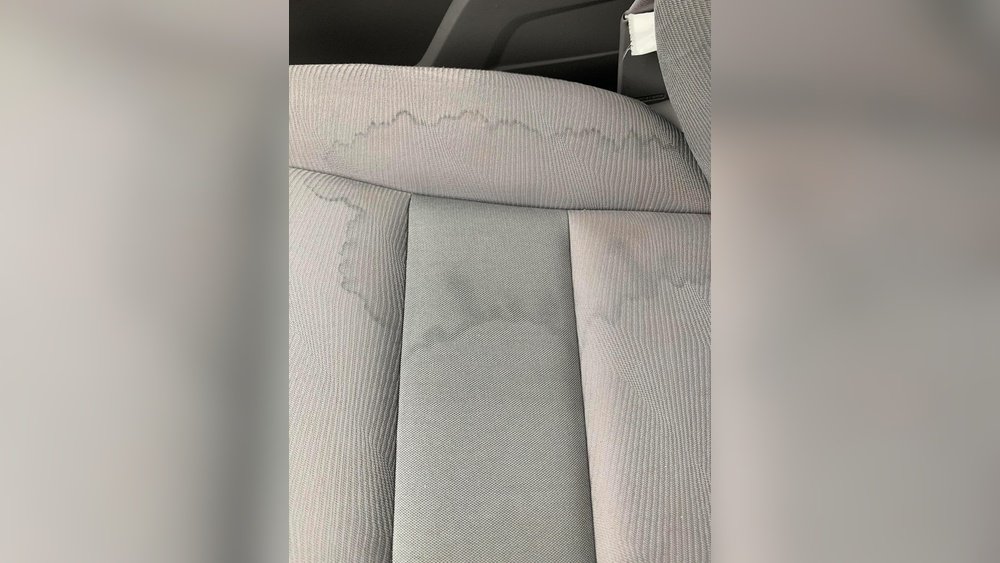
Have you ever noticed ugly water stains ruining the look of your car seats? It can be frustrating to see your car’s interior marred by those stubborn spots.
But don’t worry—you’re not stuck with them. You can get rid of water stains and bring your seats back to life. You’ll discover simple and effective ways to clean those marks without spending a fortune or damaging your seats. Keep reading, and you’ll learn how to make your car’s interior look fresh and spotless again.
Causes Of Water Stains On Car Seats
Water stains on car seats happen for many reasons. These stains can be hard to remove and may damage the fabric or leather. Knowing what causes these stains helps prevent them and keeps your car seats clean and fresh.
Water stains form when water or other liquids touch the seat surface. The moisture soaks into the material, leaving marks that look like rings or patches. Some causes come from outside the car. Others happen inside.
Rain And Weather Exposure
Rain can enter the car through open windows or doors. Wet clothes and umbrellas can also bring water inside. Humid weather makes the seats damp and prone to stains.
Spills And Accidents
Drinks, water bottles, or wet food can spill on seats. These spills leave wet spots that dry into stains. Kids and pets often cause these accidents.
Car Washing And Cleaning
Using too much water during car washing can cause stains. Water trapped in the seats after cleaning may leave marks. Poor drying methods add to the problem.
Leaks And Moisture Problems
Leaks in windows, doors, or the roof let water inside. Air conditioning can cause condensation on seats. These wet areas create stains over time.
Types Of Car Seat Materials
Car seats come in different materials, each needing special care. Knowing your seat type helps remove water stains safely. Some materials soak up water fast. Others resist stains but need gentle cleaning.
Fabric Seats
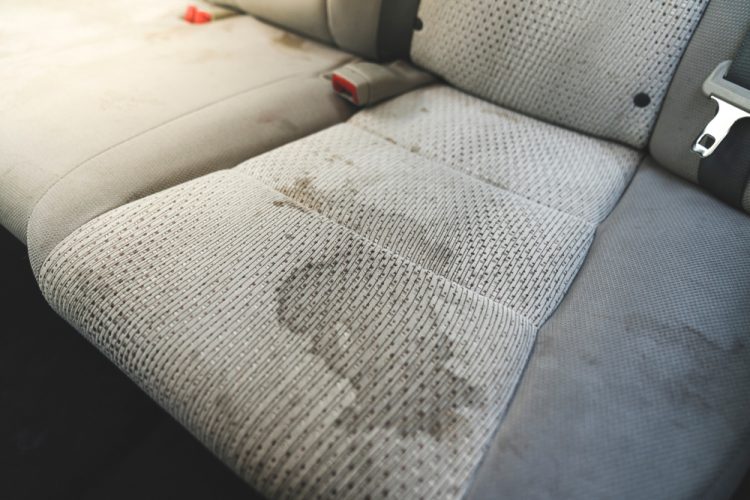
Fabric seats are common and soft. They absorb water quickly, which can cause stains. Use a mild cleaner and a soft brush to clean. Avoid soaking the fabric to prevent mold and odor.
Leather Seats
Leather seats look stylish and are easy to wipe. Water stains can leave marks or spots. Use a damp cloth to blot stains gently. Apply leather conditioner after cleaning to keep leather soft.
Vinyl Seats
Vinyl seats resist water and stains well. They are easy to clean with a simple wipe. Use a mild soap solution and a soft cloth for stains. Avoid harsh chemicals that can damage vinyl.
Immediate Steps To Take After Water Spills
Water spills on car seats can cause stains quickly. Acting fast helps stop stains from setting in. Follow these simple steps right after a spill to protect your car seats.
Blot The Spill Immediately
Use a clean cloth or paper towel to blot the wet spot. Press gently to absorb as much water as possible. Avoid rubbing, which can spread the stain and push water deeper.
Use Cold Water For Rinsing
Dab a small amount of cold water on the stained area. This helps dilute the spill, making it easier to remove. Always blot after rinsing to soak up extra moisture.
Air Dry The Seat
Open car doors or windows to let air flow inside. Use a fan if possible to speed up drying. Avoid direct sunlight, as it may cause fabric fading or shrinkage.
Apply A Mild Cleaner If Needed
Choose a gentle fabric cleaner safe for car seats. Test it on a small area first. Lightly apply and blot with a clean cloth. Rinse and dry the seat afterward.

Credit: www.familyhandyman.com
Diy Cleaning Methods For Fabric Seats
Water stains on fabric car seats can be annoying and hard to remove. Using simple items at home helps clean these stains effectively. These DIY methods save money and avoid harsh chemicals. Follow these easy steps to restore your seats.
Using Vinegar And Water Solution
Mix equal parts of white vinegar and water in a spray bottle. Spray the solution lightly on the stained area. Let it sit for 5 minutes to break down the stain. Use a clean cloth to blot the area gently. Repeat if the stain persists. Vinegar removes water stains and neutralizes odors.
Applying Baking Soda
Sprinkle baking soda directly on the damp stain. Let it sit for at least 30 minutes to absorb moisture. Brush off the baking soda with a soft brush or vacuum it. Baking soda helps lift water stains and freshens the fabric. For tough stains, mix baking soda with water to form a paste, apply, then wipe off after drying.
Using Commercial Upholstery Cleaners
Choose a cleaner made for fabric car seats. Follow the instructions on the label carefully. Spray or apply the cleaner on the stain. Use a soft brush or cloth to scrub gently. Wipe with a damp cloth and let the seat dry. These cleaners target water stains and protect fabric from future marks.
Removing Water Stains From Leather Seats
Removing water stains from leather seats needs care and the right approach. Leather is sensitive, so harsh methods can cause damage. Using gentle cleaning techniques helps keep the leather soft and clean. This section covers easy steps to remove water stains without hurting your car’s leather seats.
Mild Soap And Water Technique
Start with a mild soap mixed with water. Use a soft cloth to dip in the solution. Wring out the cloth to avoid soaking the leather. Gently rub the stained area in small circles. Avoid scrubbing hard to protect the leather surface. Use a dry cloth to wipe off excess moisture. Let the seat air dry naturally, away from direct sunlight.
Leather Conditioner Use
After cleaning, apply a leather conditioner. This helps restore moisture and shine. Use a small amount on a clean cloth. Rub the conditioner into the leather evenly. Allow it to absorb fully before using the car. Conditioning prevents cracks and keeps leather soft over time.
Avoiding Damage
Never use harsh chemicals or abrasive brushes on leather. Avoid soaking the seat with too much water. Keep cleaning products designed specifically for leather. Test any cleaner on a small hidden spot first. Regular gentle care extends the life of leather seats and avoids stains.
Cleaning Vinyl Car Seats
Vinyl car seats need special care to keep them clean and fresh. Water stains can make these seats look old and dirty. Cleaning vinyl is easier than you think. With the right methods, you can remove stains and protect your seats from future damage. Here are simple ways to clean vinyl car seats effectively.
Soap And Water Mix
Start with a mild soap and water mix. Use warm water and a few drops of dish soap. Dip a soft cloth into the mix and wring it out. Gently wipe the stained area in a circular motion. Avoid soaking the vinyl to stop water from seeping inside. After cleaning, use a dry cloth to remove moisture. This method removes light stains and dirt without harsh chemicals.
Using Rubbing Alcohol
Rubbing alcohol is good for tougher stains. Pour a small amount on a clean cloth. Dab the stained area lightly. Do not rub hard to avoid damaging the vinyl. The alcohol helps break down the stain and dries quickly. Use a clean damp cloth after to remove leftover alcohol. This method works well on ink, grease, and stubborn water marks.
Protective Treatments
Protect your vinyl seats after cleaning. Use a vinyl conditioner or protectant spray. These products keep the vinyl soft and stop cracks. Apply the treatment with a soft cloth and spread evenly. Let it dry fully before using the car. Protective treatments help your seats last longer and keep their shine. They also make future cleaning easier.
Preventing Future Water Stains
Water stains on car seats can be frustrating. Preventing these stains helps keep your car interior clean and fresh. Simple steps can protect your seats from water damage. These tips save time and effort later.
Seat Covers And Protectors
Seat covers act as a barrier against water and spills. They are easy to remove and wash. Protectors help keep the original fabric safe. Choose waterproof or water-resistant covers for best results. They come in many colors and materials to match your car.
Regular Cleaning Routine
Clean your car seats often to prevent stains from settling. Use a soft cloth and mild cleaner for quick wipe-downs. Dry seats thoroughly after cleaning or spills. Regular care stops water from soaking deep into the fabric. This keeps your seats looking new.
Using Water Repellent Sprays
Water repellent sprays create a protective layer on seat fabric. They make water bead up and roll off easily. Spray seats evenly and let them dry fully before use. Reapply sprays every few months for ongoing protection. These sprays help reduce stains and damage from moisture.

Credit: www.youtube.com
When To Seek Professional Help
Water stains on car seats can be tricky to remove. Some stains are easy to clean at home. Others need expert care to avoid damage. Knowing when to ask for professional help saves time and money.
Professionals have the right tools and cleaners. They handle tough stains without harming the fabric. They also treat odors and deep moisture problems. Choosing help early can prevent stains from setting in.
Signs The Stain Is Too Tough
Stains that don’t fade after cleaning attempts need expert care. Large or old stains often require special treatment. If the stain spreads or changes color, call a pro. Water marks on delicate materials also need help.
Damage Risk From Diy Cleaning
Some fabrics react badly to home cleaners. Using wrong products can cause fading or tears. Foam or leather seats can be damaged easily. Professionals know safe methods for each material type.
Persistent Odors And Mold Growth
Water stains sometimes bring bad smells. Moisture trapped under seats causes mold. Mold can harm your health and car value. Experts remove mold safely and stop it from returning.
Time And Convenience
Cleaning water stains takes effort and patience. Professionals save you time and frustration. They finish the job faster with better results. Perfect for busy people or large stains.
Credit: www.freeway.com
Frequently Asked Questions
How Can I Remove Water Stains From Fabric Car Seats?
To remove water stains from fabric seats, blot the area with a clean cloth. Use a mixture of mild detergent and water. Gently scrub the stain, then blot again to absorb moisture. Let the seat air dry completely to prevent mold or odors.
What Is The Best Homemade Solution For Car Seat Water Stains?
A mixture of white vinegar and water works well. Use equal parts, apply to the stain with a cloth, and gently scrub. Vinegar helps break down mineral deposits from water stains. Always test on a small area first to avoid discoloration.
Can I Use Commercial Cleaners On Water-stained Car Seats?
Yes, commercial fabric cleaners designed for car interiors are effective. Follow the product instructions carefully. Test on a hidden spot before full application. These cleaners remove stains without damaging the seat material or color.
How Do I Prevent Water Stains On Car Seats?
To prevent stains, clean spills immediately and avoid leaving wet items on seats. Use seat covers for added protection. Regularly vacuum and condition your seats to maintain their appearance and durability.
Conclusion
Water stains on car seats can be tricky but not impossible to remove. Acting quickly helps prevent permanent marks. Use gentle cleaners and soft cloths to protect fabric. Dry seats thoroughly to avoid mold or odors. Regular care keeps your car seats looking fresh and clean.
Simple steps make a big difference in stain removal. Keep these tips in mind to maintain your car’s interior. Clean seats improve comfort and make driving more enjoyable. Don’t let water stains ruin your car’s look.
