

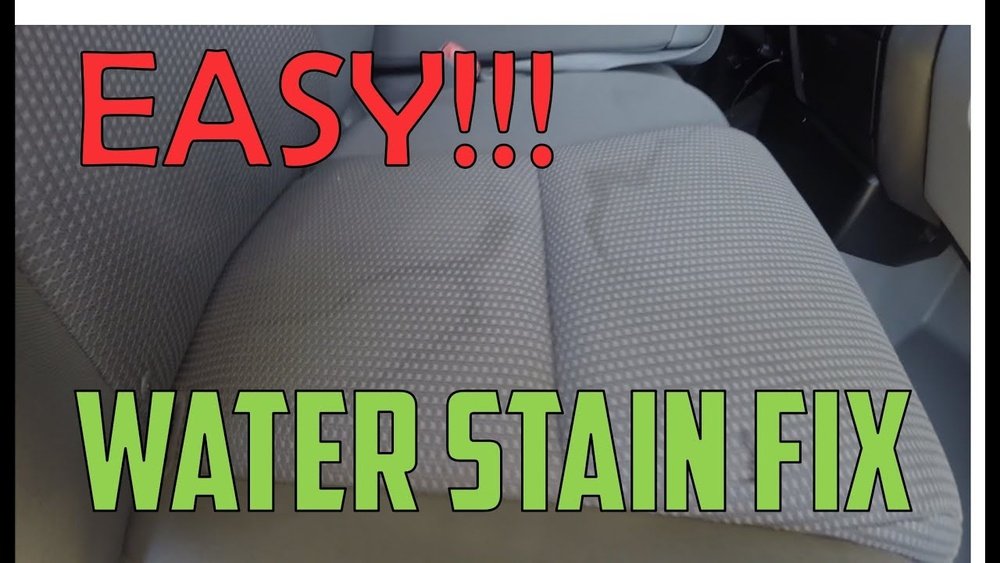
Have you ever noticed a water stain ruining the look of your car seat? It’s frustrating to see your car’s interior lose its shine because of a simple spill or rainwater.
But don’t worry—removing that stubborn water stain is easier than you think. You’ll discover simple, effective steps to bring your car seat back to life. Keep reading, and you’ll learn how to restore your seat’s clean, fresh appearance quickly and without stress.
Credit: www.reddit.com
Identify The Stain Type
Identifying the type of stain on your car seat is the first step in removing it effectively. Different stains need different cleaning methods. Knowing whether the mark is a water stain or something else helps you treat it correctly. This saves time and avoids damage to your seat material.
Water Stain Vs Other Stains
Water stains often look like light or white rings on the seat fabric or leather. They appear after water dries and leaves mineral deposits behind. Other stains, like coffee or oil, have darker colors and may feel greasy or sticky. Water stains do not have a strong smell, unlike food or drink stains. Check the texture and color before starting any cleaning process.
Signs Of Water Damage On Seats
Water damage on car seats shows as discoloration or faded spots. You may notice stiff or rough areas if water soaked into the foam underneath. Mold or mildew smells can also point to water damage. Soft fabrics may feel damp longer than usual. Acting quickly helps prevent permanent damage and bad odors.
Credit: www.reddit.com
Gather Cleaning Supplies
Before removing a water stain from your car seat, gather all necessary cleaning supplies. Having the right tools helps you clean faster and better. Prepare everything to avoid interruptions during the process.
Essential Tools And Products
Start with a soft cloth or microfiber towel. It helps absorb water without damaging the seat. Get a clean sponge or brush with soft bristles. These tools remove stains gently. Have a spray bottle filled with water for rinsing. Paper towels come handy for drying small areas. Finally, keep a bowl or bucket for mixing cleaning solutions.
Safe Cleaners For Different Seat Materials
Choose a cleaner that suits your car seat material. For fabric seats, mild soap mixed with water works well. Avoid harsh chemicals that can fade colors. For leather seats, use a cleaner made for leather care. It protects the leather and stops cracks. Vinyl seats need a gentle detergent without bleach. Test any cleaner on a small hidden spot first. This step prevents damage or discoloration.
Prepare The Car Seat
Preparing your car seat before removing a water stain is important. It helps clean the area and protects the fabric. Start with simple steps for better results. These steps make stain removal easier and more effective.
Vacuuming And Removing Debris
First, vacuum the car seat carefully. Remove dust, dirt, and loose particles. Use a soft brush attachment for delicate fabric. This prevents pushing dirt deeper into the seat. Clean the seams and crevices well. Clear debris helps the cleaner work better.
Testing Cleaners On Hidden Areas
Next, test any cleaner on a small hidden spot. Check for color fading or damage. Wait a few minutes to see the effect. This step avoids ruining the seat’s look. Use mild cleaners suited for your seat material. Only use products safe for fabric or leather.
Remove Water Stain From Fabric Seats
Water stains on fabric car seats can be frustrating. They often leave marks that look dirty and dull. Removing these stains helps keep your car interior fresh. Simple steps can clear these marks without damage.
Using gentle methods protects the fabric and restores its look. Careful cleaning can bring back your seat’s original color and texture. This guide shows how to remove water stains safely and effectively.
Blotting Techniques
Start by blotting the stain with a clean, dry cloth. Press gently to absorb the moisture. Do not rub. Rubbing spreads the stain and harms the fabric. Use small dabbing motions until the area feels less wet. Replace the cloth if it becomes too damp. This step prepares the fabric for deeper cleaning.
Using Mild Detergents
Mix a small amount of mild detergent with warm water. Use a soft cloth or sponge. Dip it into the solution, then wring out excess liquid. Gently wipe the stained area in circles. Avoid soaking the fabric. Rinse the cloth often and repeat until the stain fades. Finish by blotting with a clean, dry cloth to remove moisture.
Steam Cleaning Tips
Steam cleaning helps remove deep stains and odors. Use a handheld steam cleaner with a fabric attachment. Hold the steam a few inches from the seat. Move the device slowly over the stain. Do not over-wet the fabric. Allow the seat to dry naturally after steaming. This method refreshes the fabric and lifts stubborn stains.
Remove Water Stain From Leather Seats
Removing water stains from leather car seats can be simple with the right steps. Water stains can leave marks that spoil the look of your leather. Acting quickly helps protect the leather from damage. Clean leather carefully to keep it soft and shiny.
Wiping With Damp Cloth
Start by using a clean, soft cloth. Dampen it with plain water, not too wet. Gently wipe the stained area to lift the water mark. Avoid rubbing hard, as this may damage leather. Use light, circular motions until the stain fades.
Applying Leather Cleaner
Choose a cleaner made for leather surfaces. Apply a small amount to a cloth, not directly on the seat. Rub the cleaner gently on the water stain. This breaks down dirt and removes the mark. Wipe off any extra cleaner with a dry cloth.
Conditioning After Cleaning
Leather can dry out after cleaning. Use a leather conditioner to restore moisture. Apply it evenly with a soft cloth. Let it absorb for a few minutes. This keeps leather soft and prevents cracks. Regular conditioning extends the life of your car seats.
Drying And Preventing Mold
Removing a water stain from a car seat is just the first step. Drying the seat properly is key to stop mold from growing. Mold can cause bad smells and damage the fabric. It also can harm your health. Acting fast and drying the seat well keeps the car fresh and safe.
Effective Air Drying Methods
Open the car doors and windows to let fresh air in. Use a fan inside the car to speed up drying. Point the fan directly at the wet spot for best results. Sunlight helps dry seats faster and kills some bacteria. Park the car in a sunny spot if possible. Avoid using a heater too close to the seat. It can damage the fabric or cause shrinkage.
Avoiding Humidity Build-up
Keep the car interior dry by using moisture absorbers. Silica gel packs or charcoal bags work well. Check the car for leaks that let water inside. Fix any leaks quickly to stop dampness. Use the air conditioner to reduce humidity while driving. Avoid leaving wet items like clothes or towels inside the car. Dry seats and carpets prevent mold and bad odors.
Quick Fixes For Fresh Stains
Fresh water stains on car seats can look bad fast. Acting quickly helps stop stains from setting deep. Quick fixes work best right after the spill. Simple steps and safe home items can clear stains fast. This guide shares easy ways to save your car seat from water marks.
Immediate Action Steps
Blot the wet spot with a clean cloth. Press gently to soak up water. Avoid rubbing; it can spread the stain. Use paper towels if cloth is not ready. Keep blotting until no more water lifts. Open car doors or windows for air flow. Air drying helps stop stains from settling. Use a fan if possible to speed drying. Do not use heat; it may damage fabric.
Using Household Items Safely
Mix a small amount of mild soap with water. Dip a soft cloth into the solution. Wring out cloth to avoid soaking seat. Gently dab the stained area with the cloth. Rinse cloth often and repeat dabbing. After cleaning, blot again with dry cloth. Vinegar diluted with water also helps remove stains. Test any cleaner on a hidden seat spot first. Avoid harsh chemicals that can harm fabric or color.
Long-term Seat Care Tips
Taking care of your car seats after removing water stains helps keep them in good shape. Long-term care stops new stains and damage. It keeps your seats looking fresh and clean. Follow simple steps to protect your seats from future problems.
Regular Cleaning Routine
Clean your seats often to avoid dirt buildup. Use a soft brush or cloth for dust and crumbs. Choose a mild cleaner made for car seats. Gently scrub and wipe the surface. Dry the seats fully to stop water marks. Regular cleaning keeps seats healthy and stain-free.
Protective Measures Against Water Damage
Use seat covers to protect from spills and water. Covers are easy to remove and clean. Avoid sitting with wet clothes or umbrellas on seats. Keep windows closed during rain to stop water from entering. Apply water-repellent sprays designed for car seats. These steps help prevent water stains and lasting damage.

Credit: www.youtube.com
Frequently Asked Questions
How Can I Quickly Remove Water Stains From Car Seats?
Use a clean cloth to blot the stain gently. Apply a mild upholstery cleaner, then wipe with a damp cloth. Let it air dry to prevent mold or odors.
What Household Items Remove Water Stains On Car Seats?
White vinegar mixed with water works well. Dab the solution on the stain, scrub lightly, and blot dry. Avoid soaking the seat to prevent damage.
Can Leather Car Seats Be Cleaned Of Water Stains?
Yes, use a leather cleaner or a mix of mild soap and water. Gently wipe the stain and condition the leather afterward to keep it supple.
How To Prevent Water Stains On Car Seats?
Regularly clean and condition the seats. Use seat covers during rain or spills. Quickly blot any moisture before it soaks in.
Conclusion
Removing water stains from car seats does not have to be hard. Use gentle cleaners and soft cloths to protect the fabric. Act quickly to avoid permanent marks. Regular cleaning helps keep your seats fresh and stain-free. Small efforts bring big results in car care.
Trust yourself to handle this task with ease. Your car seats will look better and last longer. Simple steps, clear results.
