

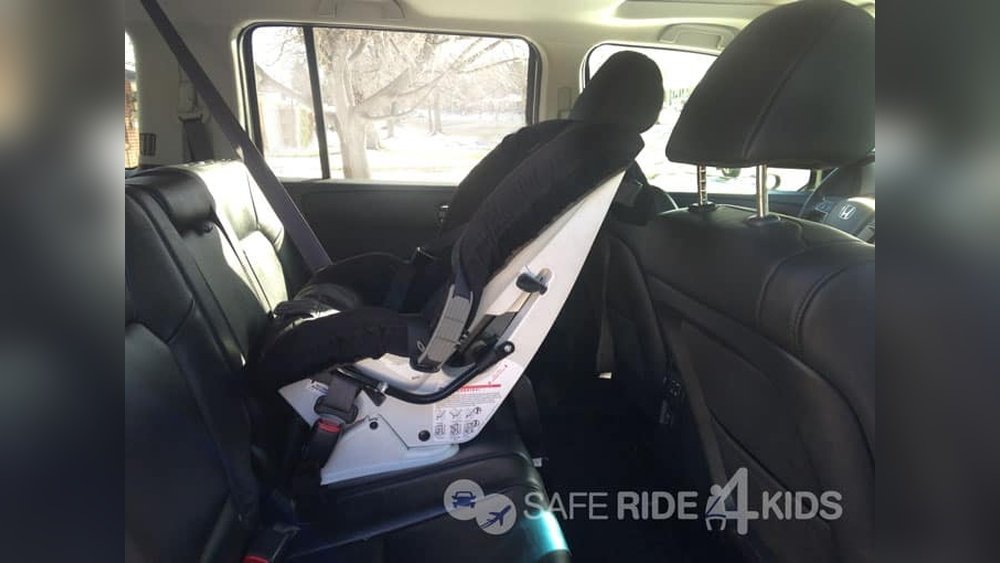
You want to keep your child safe every time you drive. But where does the car seat go to make that happen?
Placing the car seat in the right spot is more important than you might think. The wrong position can put your little one at risk, while the right one gives you peace of mind. You’ll discover exactly where your car seat should be and why.
Keep reading—your child’s safety depends on it.
Choosing The Right Seat Location
Choosing the right seat location for a car seat is very important. It can affect your child’s safety during every trip. Different seats in the car offer different levels of protection. Knowing where to place the car seat helps keep your child safer.
Many parents wonder if the car seat should go in the front or back. Others want to know which spot offers the best protection from crashes. Let’s explore these choices to make a safer decision.
Rear Vs Front Seat Safety
The back seat is safer than the front seat for children. Airbags in the front can hurt small kids during a crash. Most car safety experts say to always place car seats in the back. This keeps children away from the dashboard and airbags.
Center Seat Benefits
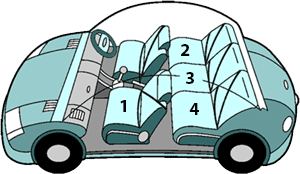
The center seat in the back is the safest spot in many cars. It is farthest from doors and windows. This reduces the chance of injury in side crashes. The center seat also keeps children away from airbags and front impacts.
Considering Side Impact Protection
Side crashes can cause serious harm. Seats next to the doors have extra padding in some cars. But these spots are closer to the impact zone. The center seat usually has no side airbags but is farther from the sides. Think about your car’s design when choosing the seat location.
Types Of Car Seats
Choosing the right car seat is important for your child’s safety. Different types of car seats fit different ages and sizes. Understanding each type helps you keep your child secure on every trip.
Car seats grow with your child. Each type serves a specific stage. Below are the main types of car seats to know.
Infant Car Seats
Infant car seats are for babies from birth to about 1 year old. They face the rear of the car. This position protects the baby’s head and neck in a crash. These seats are light and easy to carry. They often come with a base that stays in the car. Many parents use them for quick trips outside the car.
Convertible Car Seats
Convertible car seats work for babies and toddlers. They can face rear for infants and turn forward for older kids. These seats last longer than infant seats. They provide more room as your child grows. They are heavier and harder to move between cars. Safety features improve as the seat converts.
Booster Seats
Booster seats are for older children who outgrow car seats. They raise the child so the seat belt fits properly. Seat belts lie across the shoulder and lap, not the neck or stomach. Booster seats help children stay safe until the seat belt fits alone. Most kids use boosters until about 8 to 12 years old.
Installation Methods
Installing a car seat correctly is crucial for your child’s safety. There are several methods to secure a car seat in your vehicle. Each method fits different car models and seat types. Understanding these methods helps ensure a safe ride for your little one.
Using Latch System
The LATCH system stands for Lower Anchors and Tethers for Children. It uses built-in anchors in your car to attach the car seat. The connectors on the car seat latch onto these anchors. This method avoids using the seat belt and can be easier for many parents. Always check the car seat and vehicle manuals for proper LATCH use.
Seat Belt Installation
Seat belt installation uses the car’s seat belt to secure the car seat. Thread the seat belt through the car seat belt path. Lock the seat belt tightly to prevent movement. Some vehicles have switchable seat belts that lock when pulled tight. Seat belt installation works for most cars and is very reliable.
Tether Strap Usage
Tether straps add extra security for forward-facing car seats. Attach the tether strap to the anchor point behind the seat. Tighten the strap to reduce forward movement in a crash. Using the tether strap helps keep the car seat stable. Always use the tether strap when your car seat allows it.

Credit: strolleria.com
Step-by-step Installation Guide
Installing a car seat correctly is important for your child’s safety. Follow this step-by-step guide to place the car seat in the right spot. The process is simple if you follow each step carefully.
Preparing Your Vehicle
Start by choosing the best seat in your vehicle. The back seat is safest for children. Check your vehicle’s manual for car seat instructions. Remove any objects from the seat area. Clean the seat to ensure no dirt blocks the installation. Locate the seat belt or LATCH anchors. These will secure the car seat firmly.
Securing The Car Seat
Place the car seat facing the correct direction. Rear-facing for infants, forward-facing for older children. Thread the seat belt through the car seat belt path. If using LATCH, connect the hooks to the anchors. Pull the belt or LATCH strap tight. Make sure the car seat does not move side to side. Tighten all straps to keep the seat stable.
Checking For Tightness
Grab the car seat near the belt path. Try to move it side to side and front to back. The seat should not move more than one inch. Double-check all straps and connectors. Lock the seat belt if your vehicle has a locking feature. Confirm the seat is at the right recline angle. Use the level indicator on the car seat if available.
Common Installation Mistakes
Installing a car seat correctly is crucial for child safety. Many parents make common mistakes that reduce protection during a crash. Understanding these errors helps keep children safe and secure. Here are some frequent installation mistakes to avoid.
Loose Installation
A loose car seat moves more than it should. It can shift or tip in a sudden stop. Always check the seat by pushing and pulling it. It should not move more than one inch side to side or front to back. Tighten the seatbelt or latch system until the seat is secure.
Incorrect Seat Angle
Car seats need the right angle for safety. Too upright or too reclined can harm your child’s neck and head. Many seats have angle indicators or adjusters. Use them to set the seat at the correct tilt. This keeps the child’s airway open and reduces injury risk.
Wrong Harness Positioning
The harness holds your child in place during a crash. Straps too high or too low can cause injury. The harness should lie flat, not twisted. Position the straps at or below the child’s shoulders for rear-facing seats. For forward-facing seats, straps should be at or above the shoulders.

Credit: www.youtube.com
Safety Checks And Maintenance
Keeping your car seat safe means regular checks and good maintenance. This protects your child and keeps the seat working well. Small problems can turn into big risks. Knowing what to look for and how to care for the seat is important.
Regular Inspection Tips
Check the car seat every time before a trip. Make sure the straps are tight and not twisted. Look for cracks or broken parts in the plastic. Confirm the seat is locked firmly in place. Check the label for the seat’s weight and height limits.
When To Replace A Car Seat
Replace the car seat after a crash, even a small one. Car seats can lose their strength after impact. Check the expiration date on the seat label. Most seats expire after six years. Replace the seat if parts are missing or broken. Never buy a used car seat without knowing its history.
Cleaning And Upkeep
Clean the car seat regularly to keep it fresh. Remove the cover and wash it by hand or machine. Use mild soap and warm water on the plastic parts. Avoid harsh chemicals that can weaken the materials. Let the seat dry completely before using it again. Keep the straps dry and free from dirt.
Special Considerations
Car seat placement needs special care in different situations. Every child and vehicle is different. Knowing the right steps helps keep your child safe on the road. This section covers key points to remember for special cases.
Traveling In Different Vehicles
Car seats may fit differently in various cars. Always check the seat belt or latch system in each vehicle. Some cars have tight spaces or unusual seat shapes. Test the car seat before driving. Secure the seat firmly to avoid movement.
Car Seats For Premature Babies
Premature babies need extra support in their car seats. Use a car seat designed for smaller infants or preemies. Make sure the harness fits snugly but gently. Avoid extra padding that is not approved. Keep the baby’s head and neck well supported.
Using Car Seats With Airbags
Airbags can be dangerous for children in car seats. Never place a rear-facing car seat in front of an active airbag. Front-facing seats should also avoid airbag zones. Use the back seat whenever possible. Deactivate airbags if needed and allowed by law.
Credit: www.childcarseats.org.uk
Frequently Asked Questions
Where Is The Safest Place For A Car Seat?
The safest place for a car seat is the back seat, away from active airbags. It reduces injury risk during a crash.
Should The Car Seat Face Rear Or Forward?
Infants and toddlers should face rear until at least age 2 or as per the car seat manual.
Can A Car Seat Be Installed In The Front Seat?
Installing a car seat in the front seat is unsafe and often illegal due to airbag dangers.
How Do I Know If My Car Seat Is Installed Correctly?
Check for tightness, correct angle, and secure harness. Use a car seat inspection station for help.
Conclusion
Placing the car seat in the right spot keeps your child safe. Always follow the car seat manual and vehicle instructions. The back seat is usually the safest place. Make sure the seat is tightly secured and the straps fit well.
Check your car seat regularly for proper installation. Safety matters most when traveling with children. Simple steps can protect your little one every trip. Stay informed and confident about car seat placement. Safety first, always.
