

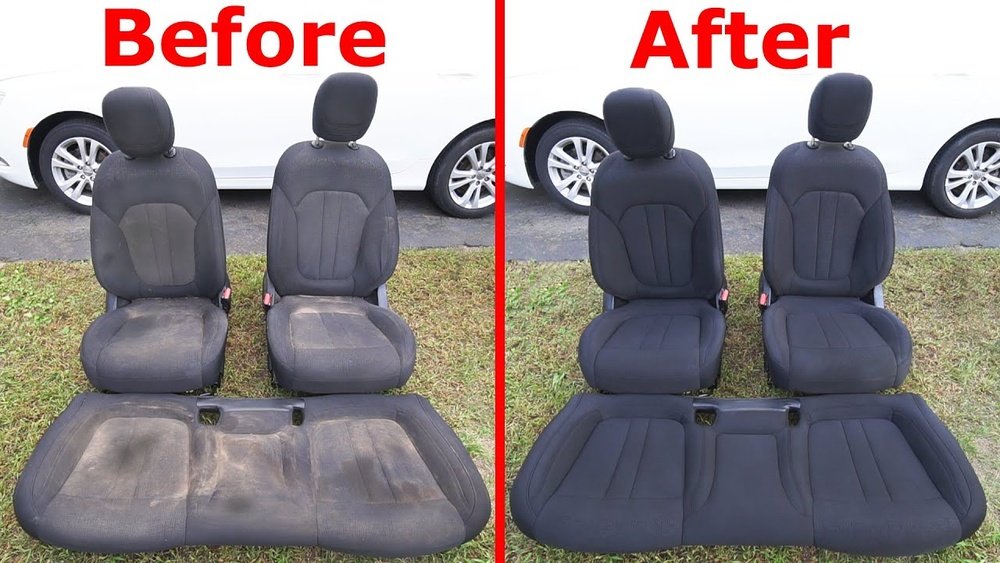
Are your cloth car seats looking dull or stained? You might feel unsure about how to clean them without causing damage.
But don’t worry—cleaning your cloth car seats can be simple and effective when you know the right steps. You’ll discover easy, practical tips that will help you refresh your car’s interior and keep your seats looking like new. Ready to transform your car seats?
Let’s dive in and make your ride feel fresh and comfortable again.
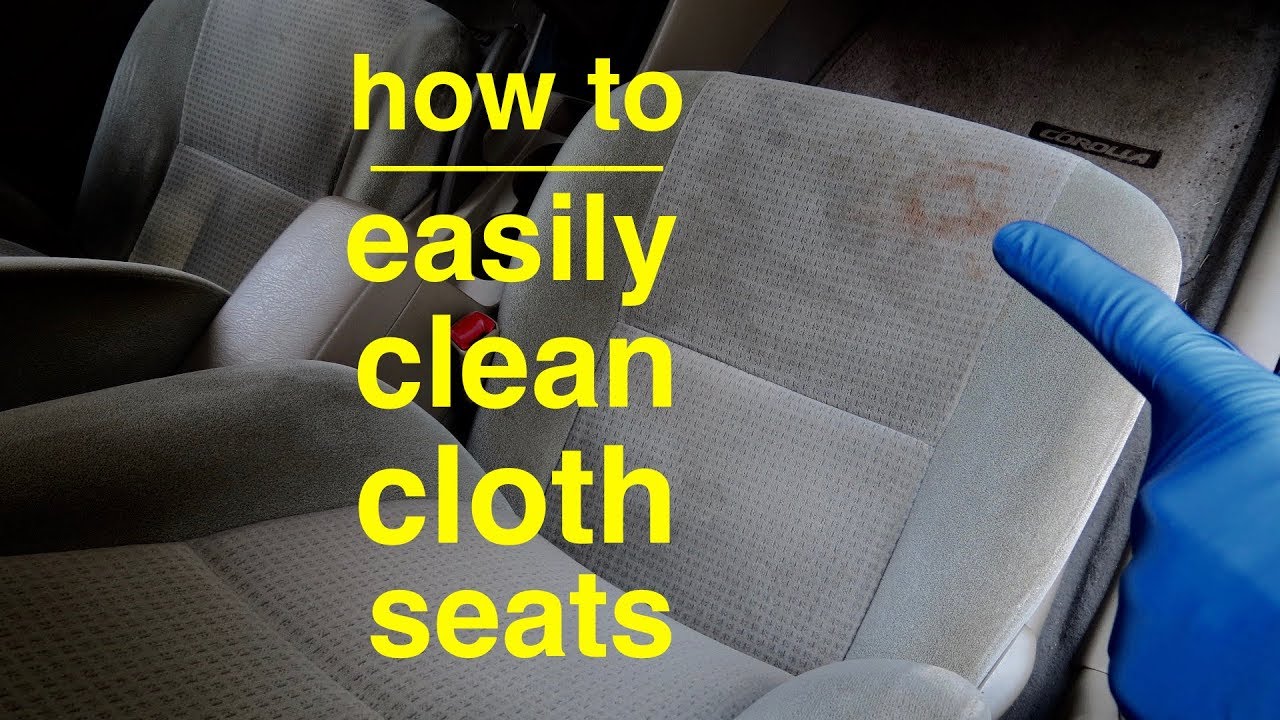
Credit: www.youtube.com
Preparing Your Cloth Seats
Preparing your cloth car seats properly makes cleaning easier and more effective. Start by gathering all necessary tools. Then, remove loose dirt to avoid spreading it during cleaning. Test your cleaner on a small spot. This keeps your seats safe from damage and discoloration.
Gathering Cleaning Supplies
Collect all items before starting. You will need a vacuum cleaner, soft brush, microfiber cloths, and a mild upholstery cleaner. Warm water and a spray bottle help with rinsing. Having everything ready saves time and effort.
Vacuuming Loose Dirt
Use a vacuum with a brush attachment. Gently vacuum the entire seat surface. Focus on seams and crevices where dirt hides. This step removes dust and crumbs. It prevents dirt from embedding deeper during cleaning.
Spot Testing Cleaners
Choose a hidden spot on the seat. Spray a small amount of cleaner. Wait five to ten minutes. Check for color changes or fabric damage. If safe, proceed with full cleaning. This step protects your seats from harm.
Choosing The Right Cleaner
Choosing the right cleaner for cloth car seats is key to keeping them fresh and lasting longer. The cleaner must remove dirt and stains without harming the fabric. Some cleaners work better on certain stains or materials. Testing a small spot first helps avoid damage. The right choice depends on the seat’s condition and your preferences.
Homemade Solutions
Simple ingredients can make effective cleaners at home. Mix equal parts water and white vinegar for a basic cleaner. Add a few drops of dish soap for extra power. This solution lifts dirt and neutralizes odors. Use a spray bottle and a soft brush for best results. Rinse with a clean cloth and let dry.
Commercial Upholstery Cleaners
These cleaners are made specifically for car seats. They remove tough stains and deep dirt. Many products foam or spray easily for quick use. Always read the label and follow instructions. Choose cleaners labeled safe for cloth fabrics. Test a small area before applying everywhere.
Natural Alternatives
Baking soda is a gentle natural cleaner and deodorizer. Sprinkle it on seats, let sit, then vacuum it off. It helps remove smells and light stains. Another option is club soda, which can lift fresh spills. Use a soft cloth to blot stains gently. Natural options are safe and eco-friendly for most seats.
Cleaning Techniques
Cleaning cloth car seats requires the right techniques to keep them fresh and stain-free. Different methods suit different levels of dirt and types of stains. Using the correct approach helps protect the fabric and extend the seat’s life. Here are some effective ways to clean cloth car seats.
Spot Cleaning Stains
Spot cleaning targets specific stains without wetting the entire seat. Use a mild detergent mixed with water for best results. Apply the solution with a clean cloth and gently blot the stain. Avoid scrubbing hard as it may damage the fabric. After blotting, use a dry cloth to soak up excess moisture. Repeat if the stain remains. Let the area air dry completely before sitting.
Deep Cleaning Entire Seats
Deep cleaning removes dirt and odors from the whole seat. Start by vacuuming to get rid of loose dirt and crumbs. Mix a fabric cleaner with water following the product instructions. Use a soft brush to scrub the entire seat surface gently. Work in small sections to ensure even cleaning. Wipe away excess cleaner with a damp cloth. Allow the seats to dry fully with windows open for air flow.
Using A Steam Cleaner
Steam cleaning is a powerful way to sanitize and clean cloth seats. The hot steam breaks down dirt and kills bacteria. Move the steam cleaner slowly over the fabric, focusing on dirty spots. Avoid soaking the seat with too much steam to prevent mold growth. After steaming, use a dry cloth to absorb moisture. Open the car doors or windows to speed up drying time. This method refreshes seats without harsh chemicals.
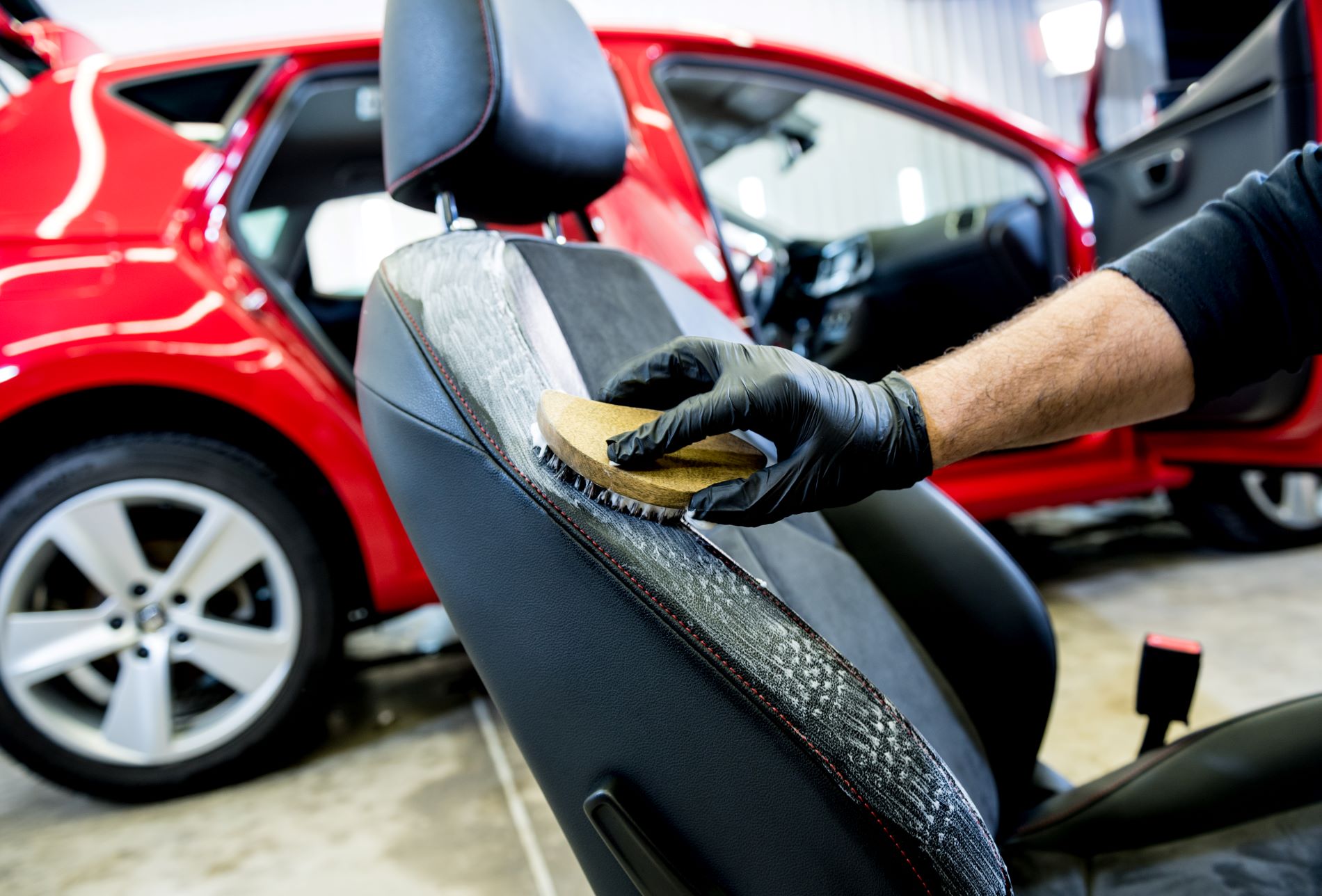
Credit: www.mazdaofsouthcharlotte.com
Drying And Maintaining Seats
Cleaning cloth car seats is only half the job. Drying and maintaining your seats keeps them fresh and lasts longer. Proper drying stops damage and bad smells. Regular care prevents stains and wear. Follow simple steps for best results.
Air Drying Tips
After cleaning, let your seats dry naturally. Open car doors or windows for airflow. Avoid direct sunlight to prevent fading. Use a fan for faster drying inside the car. Do not use a heater or hair dryer. These can damage the fabric and foam.
Avoiding Mold And Mildew
Mold grows in damp, dark places. Always dry seats completely after cleaning. Check under seats and seams for hidden wet spots. Use a moisture absorber if the car is humid. Keep the car ventilated to stop mold growth. Clean any mold spots quickly with mild cleaner.
Regular Maintenance Habits
Vacuum seats weekly to remove dirt and dust. Wipe spills immediately with a clean cloth. Use a fabric protector spray to guard against stains. Avoid eating or drinking in the car to reduce mess. Schedule deep cleaning every few months. Small habits keep seats looking new longer.
Dealing With Tough Stains
Tough stains on cloth car seats need special care. Treating them quickly helps stop permanent marks. Use the right cleaning method for each stain type. This section shows how to handle three common tough stains.
Ink And Dye Stains
Ink and dye stains come from pens, markers, or clothing. Dab the stain gently with rubbing alcohol on a cloth. Avoid rubbing hard to stop ink from spreading. Blot the area with a clean, damp cloth after. Repeat until the stain fades. Let the seat air dry.
Grease And Oil Spots
Grease and oil spots come from food or car parts. Sprinkle baking soda or cornstarch on the stain. Let it sit for 15 minutes to absorb oil. Brush off the powder carefully. Use a mild detergent mixed with water to scrub the spot. Wipe clean with a damp cloth. Dry the seat with a towel.
Food And Drink Spills
Food and drink spills can cause sticky stains and odors. Blot the spill immediately using a clean cloth. Mix warm water with a few drops of dish soap. Use a soft brush to scrub the stain gently. Rinse with a wet cloth to remove soap. Air dry the seat completely to stop smells.
:max_bytes(150000):strip_icc()/how-to-clean-cloth-car-seats-4693504-01-B-550a4fe9d4a340b2b13b276ac06af6c8.jpg)
Credit: www.thespruce.com
Frequently Asked Questions
How Often Should I Clean Cloth Car Seats?
Clean cloth car seats every 1 to 3 months. Regular cleaning prevents dirt buildup and stains. Frequent vacuuming also maintains fabric freshness and extends seat life.
What Household Items Clean Cloth Car Seats Effectively?
Use mild soap, water, and a soft brush or cloth. Avoid harsh chemicals that damage fabric. Baking soda can remove odors. Test solutions on a small area before full cleaning.
Can I Use A Steam Cleaner On Cloth Car Seats?
Yes, steam cleaners safely remove dirt and bacteria. Use low heat and avoid over-wetting the fabric. Always allow seats to dry fully to prevent mold or mildew growth.
How Do I Remove Tough Stains From Cloth Car Seats?
Blot stains immediately with a clean cloth. Apply a fabric cleaner or a vinegar-water solution. Gently scrub with a soft brush. Rinse and dry thoroughly to avoid residue and smells.
Conclusion
Cleaning cloth car seats does not have to be hard. Use gentle cleaners and soft brushes to avoid damage. Act quickly to remove stains before they set. Regular cleaning keeps seats looking fresh and new. Dry the seats fully to stop mold or smells.
Small efforts make a big difference in car care. Now, your cloth seats will stay clean and comfortable. Keep these simple tips in mind for easy seat cleaning.
