

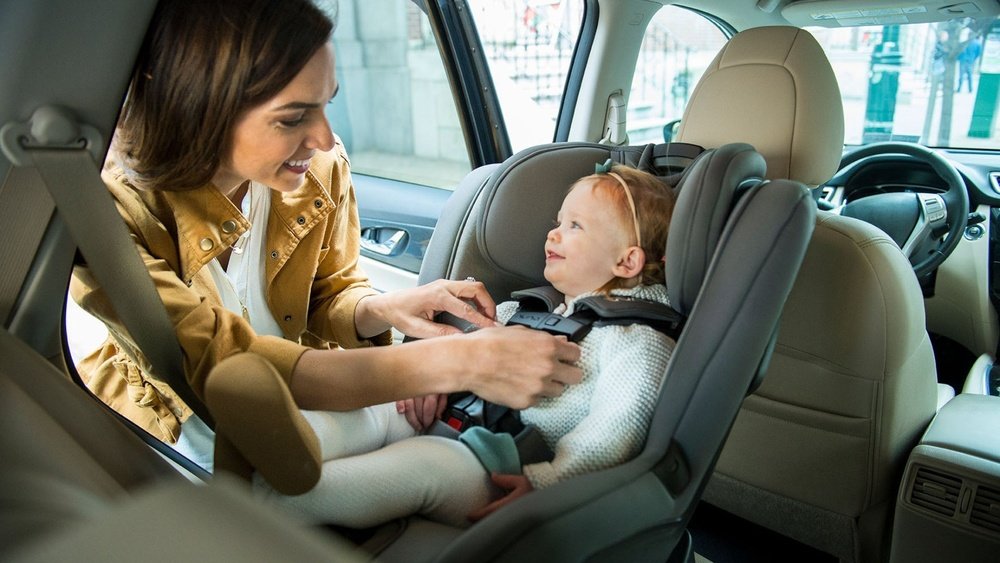
When it comes to your child’s safety in the car, every detail matters. One question you might be asking is, “What side should the car seat be on?” You want to make sure your little one is as safe as possible, but the answer isn’t always obvious.
Choosing the right side can protect your child better and give you peace of mind every time you drive. Keep reading to discover the simple, smart choice that can make all the difference for your family’s safety.

Credit: saferide4kids.com
Best Side For Car Seat Placement
Choosing the best side for car seat placement is important for your child’s safety. The right side can reduce risks during travel and make it easier to load and unload your child. Many parents wonder which side is safer: the driver’s side or the passenger side. Understanding the benefits of each side helps you make a smart decision.
Driver Side Vs Passenger Side
The passenger side is often the safer choice. It is farther from traffic, so less danger from passing cars exists. Loading a child on the passenger side keeps them away from the street. Drivers can watch the child more easily through mirrors on this side.
The driver side allows better control for drivers who want to assist with the seat. But this side is closer to moving traffic. Many experts suggest placing the car seat on the passenger side for safety.
Rear Seat Safety Advantages
The rear seat is the safest place for car seats. It protects children from front-end crashes. Most car seats are designed for the back seat to give the best support. Sitting in the rear also keeps children away from airbags, which can cause injuries.
Placing the car seat in the rear center is the safest position. It offers the most protection from side impacts. The center seat is farthest from doors and windows, reducing injury risk. If the center is not available, the passenger side rear seat is the next best choice.

Credit: www.goodeggcarsafety.com
Factors Influencing Car Seat Position
Choosing the right side for a car seat depends on several important factors. These factors help keep your child safe and comfortable during travel. Understanding them can guide you in placing the car seat correctly.
Vehicle Type And Size
The size of your vehicle affects where the car seat fits best. Small cars have limited space for seats. Larger vehicles offer more room and flexibility. Some cars have better protection on one side. Check your car’s manual for safety tips. The shape of the back seat also matters. It impacts how the car seat attaches and stays secure.
Number Of Passengers
The number of people in the car changes the seat placement. More passengers mean less space for the car seat. You may need to place it where it fits without crowding. If you have other children, think about their seats too. A middle seat can be safest but not always available. Plan for easy access when placing the car seat.
Child’s Age And Weight
Different ages and sizes need different seat positions. Babies in rear-facing seats need extra space behind. Older children in forward-facing seats can sit on either side. Heavy children require seats with strong support. Some seats have weight limits for certain positions. Always check the seat’s guide to match your child’s needs.
Safety Guidelines For Car Seat Installation
Installing a car seat correctly is key to keeping your child safe. Follow simple safety rules to make sure the seat protects your child well. Proper installation reduces injury risks in accidents. Pay close attention to the fit and position of the car seat.
Proper Harness Adjustment
The harness must fit snugly around your child. Loose straps can cause injury during a crash. Place the harness at or below shoulder level for rear-facing seats. For forward-facing seats, the harness goes at or above the shoulders. Check that the chest clip is at armpit level. Tighten the straps until you cannot pinch any slack.
Correct Seat Angle
The seat angle prevents your child’s head from falling forward. Use the angle indicator on the car seat as a guide. Rear-facing seats need a reclined position to support the head and neck. Forward-facing seats should be more upright. A wrong angle can cause breathing problems or reduce protection.
Securing With Latch Or Seatbelt
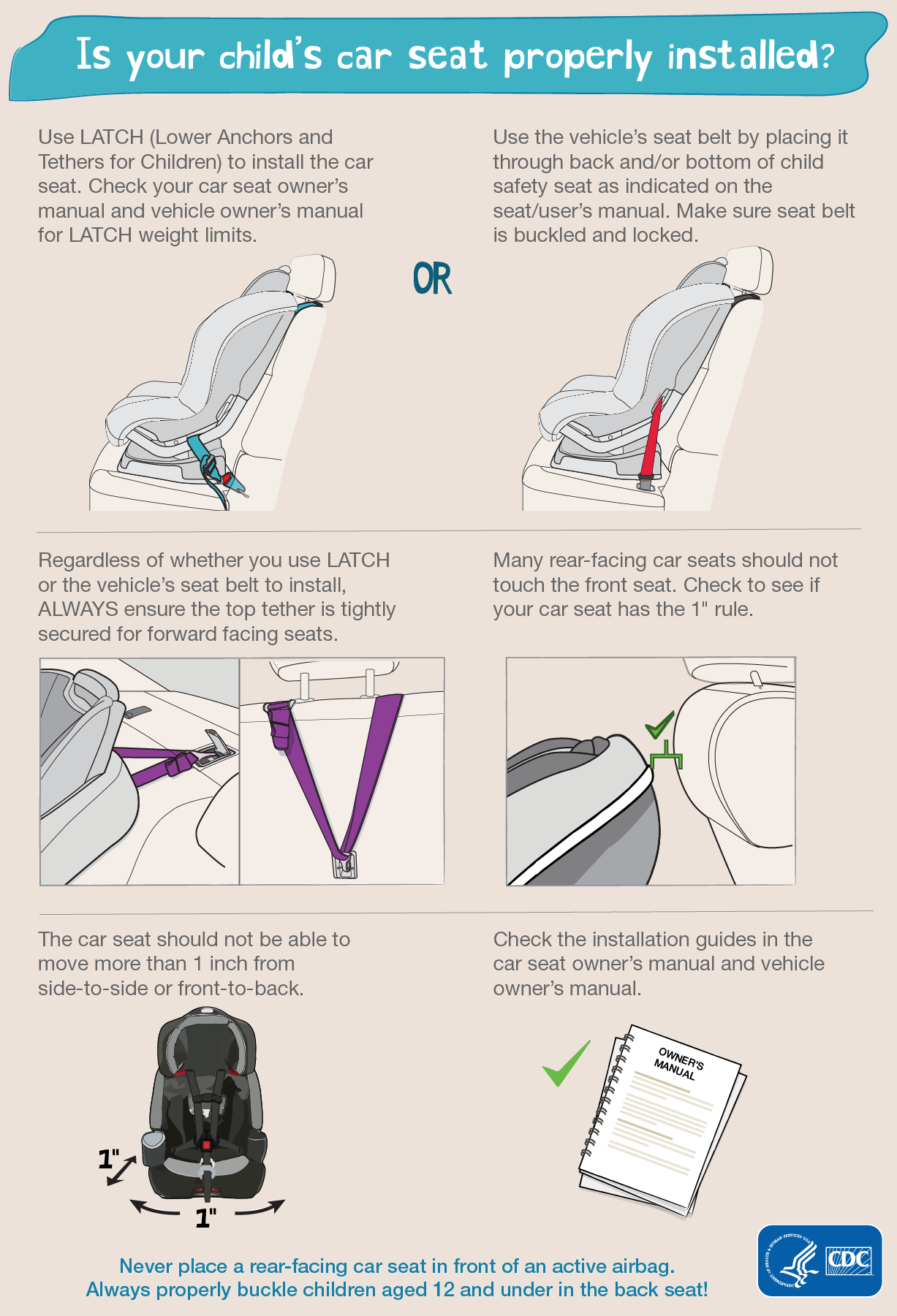
Use either the LATCH system or the vehicle’s seatbelt to secure the car seat. Both methods must hold the seat tightly with no movement. Check your car manual for LATCH limits and instructions. Thread the seatbelt through the correct path if using a seatbelt. Lock the seatbelt to prevent loosening during travel.
Credit: www.inspirahealthnetwork.org
Common Mistakes To Avoid
Choosing the right side for a car seat is important. Many parents make simple mistakes that can risk a child’s safety. Knowing what to avoid helps keep your child secure.
Loose Installation
A common mistake is installing the car seat loosely. The seat must not move more than one inch side to side or front to back. Tighten the straps and use the seat belt or LATCH system correctly. A loose seat can cause injury in a crash.
Incorrect Seat Direction
Placing the seat in the wrong direction is dangerous. Infants should face the rear of the car for better protection. Older children can switch to forward-facing seats, but only after meeting height and weight limits. Always follow the car seat instructions.
Using Expired Or Damaged Seats
Car seats have expiration dates. Using an expired seat weakens safety. Also, check for cracks or broken parts. Damaged seats do not protect well during accidents. Replace seats after a crash or if they show wear.
Additional Tips For Enhanced Safety
Keeping your child safe in the car goes beyond choosing the right side for the car seat. Regular care and attention help protect your child better. Small actions can make a big difference in safety.
Regular Seat Inspections
Check the car seat often for wear and tear. Look for cracks, broken parts, or loose straps. Make sure the seat belt or latch system holds the seat firmly. Clean the seat as recommended by the manufacturer. A well-maintained seat works better in a crash.
Professional Installation Checks
Have a certified technician check the car seat installation. They know how to secure the seat tightly and correctly. Many fire stations and hospitals offer free checks. A proper fit reduces the risk of injury. Trust experts to confirm the seat is safe.
Transitioning To Booster Seats
Know when your child is ready to move to a booster seat. It depends on age, weight, and height, not just age alone. Booster seats help position the seat belt correctly on the child’s body. Use boosters until the seat belt fits well without it. This step keeps the child safe during growth.
Frequently Asked Questions
Which Side Is Safest For A Car Seat Installation?
The rear passenger side is safest for car seat installation. It is farthest from traffic and reduces injury risk in collisions. Installing the car seat here offers the best protection for children during travel.
Can I Place A Car Seat In The Front Seat?
It is not recommended to place a car seat in the front seat. Front airbags can cause serious injury to a child in a crash. Always install car seats in the rear seats for maximum safety.
How Do I Choose The Right Side For A Car Seat?
Choose the side that allows easy access and secure installation. The rear passenger side is preferred, but the driver’s side works if access is limited. Prioritize a side with proper seat belts and LATCH anchors.
Is The Middle Seat Better For Car Seats?
The middle seat is often safest because it is farthest from impact. However, some cars lack proper anchors or seat belts there. Check your vehicle’s manual to ensure the middle seat supports car seat installation.
Conclusion
Choosing the right side for a car seat keeps your child safer. Many experts suggest placing it on the passenger side. This spot helps you watch your child easily while driving. It also reduces the risk when opening doors near traffic.
Always check your car’s manual for specific advice. Safety should be your top priority every time. Remember, a secure seat means peace of mind on the road. Keep your child comfortable and protected on every trip. Simple steps make a big difference in child safety.
