

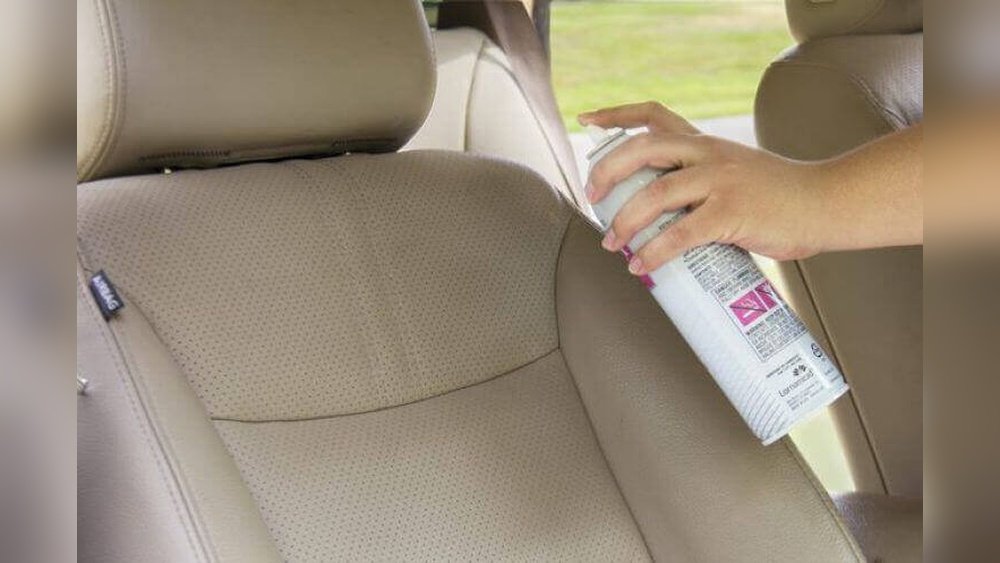
You love your car, and your leather seats show it. But what happens when a pen leaks or marks those smooth surfaces?
Suddenly, your beautiful seats look stained and worn. You might feel frustrated, unsure if the ink can ever come out without ruining the leather. The good news is, you don’t have to live with those marks or pay for expensive repairs.
You’ll discover simple, effective ways to get pen ink out of leather car seats. By the end, you’ll have the confidence to restore your seats and keep your car looking fresh. Keep reading—you won’t want to miss these handy tips!
Credit: www.reddit.com
Causes Of Pen Ink Stains On Leather
Pen ink stains on leather car seats happen more often than you think. These stains can spoil the look of your car’s interior. Understanding what causes these stains helps in preventing and removing them effectively.
Many everyday situations lead to ink marks on leather. Leather is soft and absorbs liquids quickly. Ink seeps into the surface, making stains hard to remove.
Accidental Pen Leaks
Pens can leak inside pockets or bags. Sitting on a leaking pen transfers ink directly to the leather seat. Even small leaks can leave visible stains.
Writing While Sitting In The Car
Writing or signing papers inside the car is common. Sometimes, the pen slips and touches the seat. Quick ink spots appear from careless movements.
Children Playing With Pens
Kids often carry pens and markers. They may draw or press pens against the seat. Their playful actions cause unexpected ink stains.
Pen Caps Falling Off
Loose pen caps can fall onto seats. When pressure is applied, ink can spread on the leather. This simple accident creates stubborn stains.
Using Leather Seats As A Surface
Car seats sometimes serve as a table. Placing pens on them risks ink spills. A slight touch or roll can cause ink to stain the leather.
Credit: www.reddit.com
Immediate Actions After Ink Spills
Ink spills on leather car seats can cause lasting damage. Acting fast helps stop stains from setting deep. Quick steps can save your seat’s look and feel.
Follow these immediate actions to handle pen ink spills effectively. The goal is to limit the stain and prepare for cleaning.
Blot The Ink Gently
Use a clean, dry cloth to blot the ink. Avoid rubbing, which spreads the stain. Press gently to absorb as much ink as possible.
Avoid Using Water Immediately
Water can spread the ink or damage leather. Do not pour or spray water directly on the stain. Wait until you have the right cleaning method.
Test A Small Area
Before applying any cleaner, test it on a hidden spot. This prevents damage or discoloration. Use mild products made for leather.
Use A Leather Cleaner Or Mild Soap
Apply a small amount of leather cleaner or mild soap. Use a soft cloth to work it gently into the stain. Wipe off with a damp cloth, then dry.
Keep The Seat Dry
After cleaning, dry the seat with a soft towel. Moisture can harm leather over time. Let it air dry fully before using the car again.
Safe Cleaning Materials For Leather
Cleaning pen ink from leather car seats needs care. Using the right materials keeps leather safe and fresh. Harsh cleaners can damage the leather surface. Choose gentle, effective products made for leather. This protects your seats and removes ink stains well.
Leather Cleaner
Use a leather cleaner designed for car seats. These cleaners remove stains without drying the leather. Apply with a soft cloth and rub gently. Avoid strong chemicals that can strip leather oils.
Distilled Water
Distilled water is pure and safe for leather. It helps dilute cleaners and rinse stains. Tap water may contain minerals that harm leather. Use distilled water with a cloth to wipe the area.
Mild Soap
Choose a mild soap like baby shampoo or castile soap. Mix a small amount with distilled water. Test on a hidden spot before cleaning. Soap helps lift ink without hurting leather fibers.
Soft Cloths
Use soft, clean cloths such as microfiber or cotton. These cloths avoid scratching the leather surface. Avoid rough towels or sponges that can cause damage. Always dab or wipe gently.
Step-by-step Ink Removal Methods
Removing pen ink from leather car seats can seem hard. Follow these simple steps to clean your seats safely. Each method uses common items or products you may already have. Take your time and test the cleaner on a small spot first. This protects your leather from damage.
Using Rubbing Alcohol
Dab a cotton ball with rubbing alcohol. Gently blot the ink stain, do not rub. Blot until the ink starts to lift from the leather. Use a clean cloth to wipe away excess alcohol. Let the area dry naturally, away from sunlight. Apply leather conditioner after to keep the leather soft.
Applying Leather Cleaner
Choose a leather cleaner made for car seats. Put a small amount on a soft cloth. Rub the cleaner on the ink stain in circles. Wipe the area with a clean damp cloth. Repeat if the stain is still visible. Finish with a leather conditioner to protect the seat.
Home Remedies With Household Items
Milk and baking soda can help remove ink. Mix equal parts milk and baking soda into a paste. Apply the paste to the stain using a soft cloth. Let it sit for 10 minutes. Gently wipe away the paste with a damp cloth. Dry the area and apply leather conditioner.
Preventing Future Ink Stains
Preventing future ink stains on leather car seats is easier than removing them. Taking simple steps protects your seats and keeps them looking new. Small habits help avoid the stress of cleaning tough stains later.
Leather is sensitive to ink and other liquids. Protecting it with care extends the life of your car’s interior. Pay attention to everyday actions that might cause ink stains.
Store Pens Away From Car Seats
Keep pens in your bag or glove compartment. Avoid placing pens directly on the seats. Loose pens can roll and leave marks easily. Use a pen holder or a dedicated space in your car.
Use Leather Protectant Sprays
Apply a leather protectant spray regularly. This creates a barrier that repels ink and dirt. Follow product instructions for best results. Test on a small area first to avoid damage.
Be Careful While Writing In The Car
Avoid writing on paper while sitting on leather seats. Ink can drip or transfer to the leather. Use a hard surface like a clipboard or table. This limits contact between the pen and your seats.
Clean Small Ink Spots Immediately
Attend to tiny ink marks as soon as you notice them. Fresh stains are easier to remove than old ones. Use a clean cloth and mild cleaner for spot cleaning. Regular quick action prevents permanent damage.
When To Seek Professional Help
Removing pen ink from leather car seats can be tricky. Sometimes, home remedies work well. Other times, the stain may be too tough to handle alone. Knowing when to seek professional help saves time and prevents damage.
Professionals have special tools and products made for leather. They understand how to treat stains without harming the seat. They can restore the leather’s look and feel better than most DIY methods.
Signs You Need A Professional
If the ink stain is large or deep, call a pro. When home cleaning does not improve the stain, it may be time. Leather that starts to crack or fade after cleaning needs expert care.
Risks Of Diy Cleaning On Leather
Using wrong cleaners can dry out leather. Harsh scrubbing may cause scratches and color loss. A professional knows the right products and gentle techniques.
Cost Benefits Of Professional Cleaning
Early professional care can save money. Avoid costly repairs or seat replacement. Professionals fix the problem fully the first time.
Maintaining Leather After Cleaning
Cleaning pen ink from leather car seats is just the first step. Proper care after cleaning keeps leather soft and looking new. Without good care, leather can dry out and crack. Regular maintenance helps protect your seats and extend their life.
Moisture and sunlight can damage leather easily. Taking simple steps after cleaning helps avoid future stains and wear. Here are key tips for maintaining leather after removing pen ink.
Clean Gently With A Soft Cloth
Use a soft cloth to wipe the leather lightly. Avoid rough materials that can scratch the surface. A damp cloth works best for removing dust and dirt. Clean regularly to stop buildup that can harm leather.
Apply Leather Conditioner
Leather conditioner restores moisture and keeps seats flexible. Choose a conditioner made for car leather. Apply it evenly using a clean cloth. Let the conditioner absorb before using the car again. Condition every three to six months for best results.
Protect Leather From Sun Damage
Sunlight fades and dries out leather fast. Park in shaded areas or use sunshades to block direct light. Tinted windows can also reduce sun exposure. Protecting leather from sun helps maintain its color and softness.
Avoid Harsh Chemicals
Harsh cleaners can strip leather oils and cause damage. Use only products designed for leather care. Test new products on a small hidden area first. Gentle care extends leather’s life and keeps it looking good.

Credit: www.reddit.com
Frequently Asked Questions
How Can I Remove Pen Ink From Leather Car Seats?
Use a cotton ball dipped in rubbing alcohol to gently blot the ink stain. Avoid rubbing harshly. Wipe with a clean damp cloth and let it air dry.
What Household Items Clean Ink Off Leather Seats?
Rubbing alcohol, non-acetone nail polish remover, and mild soap work well. Test on a hidden area first to prevent damage.
Is It Safe To Use Alcohol On Leather Seats?
Yes, but use it sparingly. Alcohol can dry leather if overused. Always follow up with a leather conditioner.
Can Baby Wipes Remove Pen Ink Stains On Leather?
Baby wipes can help lift fresh ink stains gently. Use wipes without alcohol or harsh chemicals to avoid damage.
Conclusion
Removing pen ink from leather car seats takes patience and care. Use gentle cleaners and soft cloths to avoid damage. Test any product on a small area first. Clean spills quickly for the best results. Regular maintenance helps keep leather seats looking fresh.
Small stains don’t have to ruin your car’s interior. With the right steps, you can restore your seats easily. Keep these tips handy for future accidents. A clean car feels good and lasts longer.
