

Traveling with your little one can be stressful, especially when it comes to carrying a car seat through the airport. You want to keep your child safe, but lugging around bulky gear can slow you down and drain your energy.
What if there was a way to make this part of your trip easier and less stressful? In this guide, you’ll discover simple, practical tips to carry your car seat through the airport smoothly and with less hassle. Keep reading, and you’ll learn how to protect your child and keep your travel day running as smoothly as possible.

Credit: neowatts.in
Choosing The Right Car Seat
Choosing the right car seat for air travel is very important. It ensures your child stays safe and comfortable. The right seat also makes moving through the airport easier. Not all car seats are good for travel. Some are heavy or bulky, making them hard to carry. Others might not fit airplane rules. Picking the best one helps avoid stress and delays.
Consider the size, weight, and safety of the car seat. Think about how you will carry it. Some seats come with travel bags or wheels for easy transport. Safety must always come first. The next sections explain which types suit travel best and what to check before buying.
Types Suitable For Travel
Infant car seats are a popular choice for travel. They are designed for babies and often have a handle for carrying. Convertible car seats can change from rear-facing to forward-facing. Some are travel-friendly but can be heavy. Booster seats are usually for older kids and may not be ideal for flights. Look for car seats labeled as travel-friendly or compact. These types usually fit airplane seats better and are easier to handle.
Lightweight And Compact Options
Lightweight car seats make airport travel simpler. They reduce the burden on parents and caregivers. Compact designs fit into tight airplane spaces. Some car seats fold or collapse to save space. Check the weight before buying; under 15 pounds is easier to carry. Consider seats with a carry bag or wheels. These features help move the seat through busy terminals with less effort.
Safety Certifications To Check
Safety is the top priority in any car seat. Look for seats that meet or exceed government safety standards. In the U.S., check for FMVSS 213 certification. In Europe, look for ECE R44 or R129 labels. These certifications show the seat passed crash tests. Avoid seats without clear safety marks. Also, check the seat’s expiration date. Old seats may not offer proper protection. Always choose a certified and up-to-date car seat for travel.

Credit: parttimetourists.com
Packing The Car Seat
Packing the car seat properly makes airport travel easier. It protects the seat from damage. It also keeps everything clean and organized.
Taking time to prepare the seat helps avoid stress. Follow simple steps to pack it right. This keeps the seat safe and ready to use.
Using Protective Covers
Use a protective cover to shield the car seat. Covers guard against dirt, scratches, and spills. Choose a cover made for car seats. It should fit snugly and have handles. This makes carrying the seat easier and safer.
Securing Loose Parts
Check for loose straps or parts before packing. Secure them tightly to prevent damage. Buckles and harnesses can get caught or torn. Use rubber bands or clips to hold straps in place. This keeps everything neat and prevents loss.
Cleaning Before Travel
Clean the car seat before packing it for travel. Wipe off dust and crumbs with a damp cloth. Remove any stains or sticky spots. A clean seat is more hygienic and pleasant to use. It also helps prevent odors during the trip.
Navigating Airport Security
Navigating airport security with a car seat can feel tricky. You must know the rules and be ready to follow airport procedures. This helps you move through security quickly and without stress. Understanding how to handle your car seat at security checkpoints makes travel easier for you and your child.
Tsa Regulations For Car Seats
The TSA allows car seats in carry-on or checked bags. Car seats must go through the X-ray machine. You can carry your child through the metal detector if needed. The TSA does not require removing your child from the car seat. Knowing these rules helps avoid delays during screening.
Preparing For Security Checks
Take off any covers or bags on the car seat. Place the car seat on the conveyor belt separately. Keep your child close by or hold them during the check. Have your boarding pass and ID ready for security staff. This preparation speeds up the security process.
Handling Security Staff Requests
Security staff may ask to inspect the car seat by hand. Stay calm and follow their instructions politely. Explain if your child is in the seat or if it is empty. Be patient during extra checks to ensure safety. Clear communication helps the process go smoothly.

Credit: ternx.com
Carrying The Seat Through The Airport
Carrying a car seat through the airport can be tricky. It is bulky and can slow you down. Planning how to carry it helps keep your trip smooth. Knowing simple ways to handle the seat makes the walk easier. Here are practical ways to carry your car seat without stress.
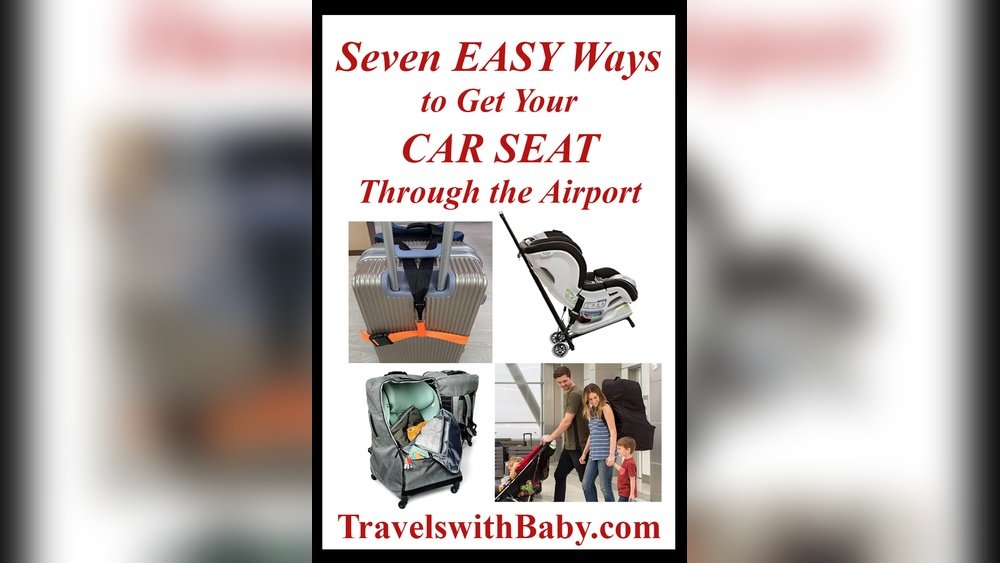
Using Car Seat Travel Bags
Car seat travel bags protect your seat from dirt and damage. They have handles or straps for easy carrying. Many bags have wheels, so you can roll the seat. Using a bag keeps your hands free for other luggage. It also makes security checks faster, as the seat stays covered.
Alternative Carrying Methods
You can carry the car seat by holding the handle. Use a shoulder strap if your seat has one. Some parents wear a baby carrier to free both hands. Try to balance the seat weight evenly on your body. Avoid holding the seat too long to prevent tired arms.
Tips For Managing Other Luggage
Pack light to make carrying easier. Use a backpack to keep your hands free. Place small bags inside your carry-on or car seat bag. Keep essentials in easy-to-reach pockets. Plan your route through the airport to avoid crowded areas. This helps move faster and with less effort.
Checking Or Carrying On The Car Seat
Traveling with a car seat requires deciding whether to check it in or carry it on. Both options have benefits and drawbacks. Understanding airline rules helps make this choice easier. This section explains how to handle your car seat at the airport.
Pros And Cons Of Checking In
Checking a car seat frees your hands at the airport. You do not need to carry extra weight through security. Airlines usually allow car seats as free checked baggage.
On the downside, car seats may get damaged during handling. There is also a risk of delay or loss. Protective covers can reduce damage but not prevent it fully.
Carry-on Policies By Airlines
Many airlines let you carry a car seat on board if you buy a seat for your child. Size and weight limits vary by airline. Some require the car seat to meet FAA approval.
Always check the airline’s website before traveling. Some airlines allow gate check options, where you carry the seat to the gate, then it is stored in the cargo hold.
Booking Seats With Car Seat Accommodations
Reserve your child’s seat early to ensure space for the car seat. Airlines often have specific seating for passengers with car seats. Window seats are usually best to avoid blocking aisles.
Inform the airline about your car seat at booking or check-in. This prevents last-minute surprises and helps secure the right seat.
Arriving At Your Destination
Arriving at your destination means your travel is almost complete. It is important to check the car seat carefully to keep your child safe. Taking time for cleaning and proper storage helps the seat stay in good shape. These simple steps protect your investment and ensure the seat is ready for the next trip.
Inspecting The Seat For Damage
Look over the car seat closely after travel. Check for cracks, dents, or broken parts. Make sure all straps and buckles work properly. Any damage can reduce safety during use. Do not use the seat if you find serious damage. Contact the manufacturer for advice if unsure.
Cleaning And Maintenance After Travel
Remove dirt and crumbs from the car seat. Use a mild soap and warm water to clean fabric covers. Avoid harsh chemicals that can harm the material. Let the seat dry completely before use. Clean the buckles and straps gently to keep them working well.
Storing The Car Seat Safely
Store the car seat in a dry, cool place. Avoid direct sunlight to prevent fading and damage. Keep it away from heavy items that could cause dents. Use a protective bag or cover if available. Proper storage keeps the seat ready and safe for future trips.
Frequently Asked Questions
How Can I Carry A Car Seat Through Airport Security?
You can carry a car seat through airport security by removing it from the stroller. Place it on the X-ray belt for screening. If it’s too bulky, ask for a manual inspection. Always check TSA guidelines before your trip to ensure smooth security checks.
Is It Better To Check Or Carry A Car Seat On A Plane?
It’s safer to carry your car seat on the plane if possible. This ensures it stays clean and undamaged. Most airlines allow car seats as a free carry-on item when used for a child’s safety. Confirm your airline’s policy before traveling.
How Do I Protect My Car Seat During Air Travel?
Use a padded car seat travel bag for protection. Wrap the seat securely to prevent damage. Avoid checking it as fragile without proper packaging. Label the bag with your contact details and handle it carefully throughout your journey.
Can I Use A Car Seat On An Airplane Seat?
Yes, you can use a car seat on an airplane seat if it’s FAA-approved. The seat must fit the airplane seat and be used with the airplane’s seatbelt. Always check with your airline for specific car seat policies before flying.
Conclusion
Car seats can feel heavy and hard to carry at airports. Planning ahead helps make travel easier. Use a lightweight travel bag or stroller with a car seat adapter. Keep important documents and boarding passes handy. Ask airport staff for help when needed.
Taking small breaks during travel keeps you less tired. Protecting your child’s seat ensures safety and comfort. Simple steps make carrying car seats less stressful. Enjoy your journey with peace of mind. Traveling with kids becomes smoother with good preparation.
