

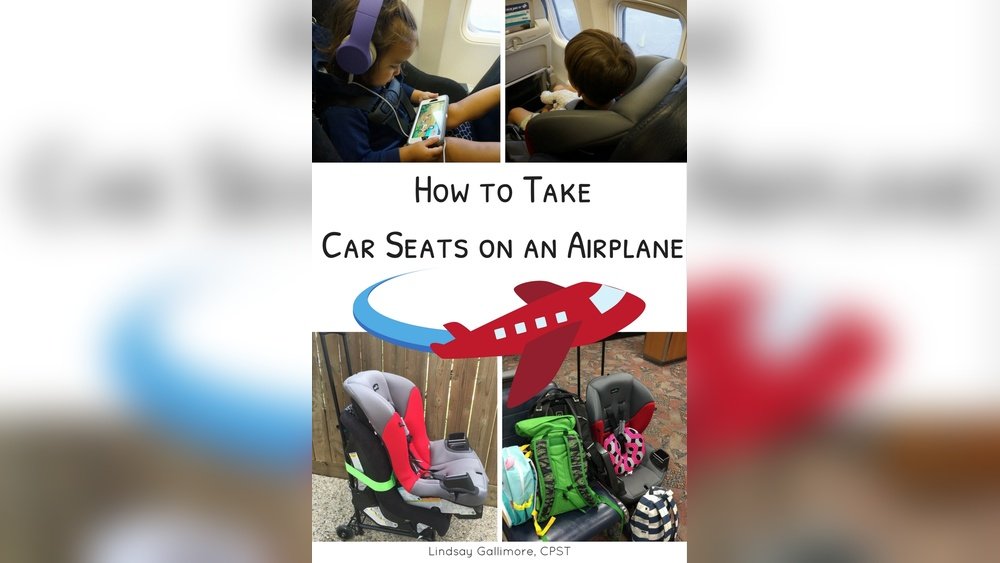
Traveling with your little one can be both exciting and challenging. One of the biggest concerns you might have is how to keep your child safe and comfortable during the flight.
Installing a car seat on a plane might sound tricky, but it doesn’t have to be. If you want to make sure your child stays secure and you avoid any last-minute stress, this guide is exactly what you need. Keep reading, and you’ll discover simple, step-by-step tips that will make installing a car seat on a plane easy and hassle-free.
Your peace of mind and your child’s safety are just a few paragraphs away.
Choosing The Right Car Seat
Choosing the right car seat for air travel is key to keeping your child safe and comfortable. Not all car seats fit airplane seats or meet airline rules. Picking one that suits your child and the plane ensures smooth travel. Consider safety, size, and ease of use before buying or bringing a car seat on the plane.
Faa-approved Car Seats
The Federal Aviation Administration (FAA) approves specific car seats for use on airplanes. These seats have a label showing they meet FAA safety standards. Always check for the FAA approval label before using a car seat on a plane. Using an approved car seat helps keep your child secure during the flight.
Size And Weight Considerations
Airplane seats are smaller than car seats. Choose a car seat that fits well in the airplane seat. A bulky car seat may not fit or may block the aisle. Also, consider the car seat’s weight. Lightweight seats are easier to carry and handle at the airport. Compact and light car seats make travel less stressful.
Types Of Car Seats For Air Travel
Several types of car seats work well on planes. Convertible car seats offer long-term use but can be heavy. Infant car seats are small and often come with a base for the car. Booster seats are usually not allowed for air travel. Some travel-specific car seats fold small and weigh less. Choose the type that matches your child’s age and size.

Credit: www.youtube.com
Preparing Your Car Seat
Preparing your car seat before a plane trip is important for safety and convenience. It helps ensure the seat fits properly and meets airline rules. Taking time to prepare also makes the process smoother at the airport. Follow these simple steps to get your car seat ready for travel.
Cleaning And Inspecting
Start by cleaning the car seat to remove dirt and dust. Use a damp cloth and mild soap for the best results. Check the seat for cracks, loose parts, or damage. Make sure the straps and buckles work well. A clean and safe seat gives your child better protection during the flight.
Removing Accessories
Take off extra accessories like toys, cushions, or covers. These can interfere with how the seat fits on the plane. Airlines often require the seat to be free of added items. Keep only what is necessary for safety. This step also helps reduce the weight of the seat, making it easier to carry.
Labeling Your Seat
Label the car seat with your name and contact information. Use a durable tag or sticker that will not fall off. This helps identify your seat if it gets lost or mixed up. Clear labeling also speeds up the check-in process. It adds a layer of security for your belongings during travel.
Booking Your Flight
Booking your flight is the first step to traveling safely with a car seat. It helps to plan ahead and ensure your child’s seat fits well on the plane. This part of the trip needs careful attention to avoid surprises at the airport.
Informing The Airline
Tell the airline that you will bring a car seat. Some airlines need this information early. It helps them prepare space and give advice. Mention the car seat size and type. This makes your trip smoother and stress-free.
Selecting Seats With Extra Space
Choose seats with more room for your car seat. Bulkhead seats are a good choice. These seats offer extra legroom and space. Picking the right seat helps fit the car seat properly. It also keeps your child comfortable during the flight.
Checking Airline Policies
Read the airline’s rules about car seats. Each airline has different policies on car seats. Some require FAA approval for the seat. Others allow only certain seat types. Knowing the rules helps avoid problems at boarding. It saves time and keeps your child safe.
At The Airport
At the airport, handling a car seat takes planning and care. Knowing the right steps can make your trip smoother. Airports have specific rules for car seats. Following these helps avoid delays and stress.
Car Seat Check-in Procedures
Check with your airline about car seat rules before arriving. Some airlines allow car seats as carry-on, others require checking them. At the counter, tell the agent you have a car seat. They may tag it for special handling. Keep your car seat’s manual handy for quick reference.
Security Screening Tips
At security, you must remove the car seat from its bag. Pass the car seat through the X-ray machine alone. You might need to carry your child through the metal detector. Ask security officers for help if unsure. Prepare for this step to keep lines moving fast.
Managing Carry-on Vs Checked Items
Decide if you will carry the car seat or check it. Carrying keeps the seat safe but can be heavy. Checked car seats risk damage or loss. Pack other items in carry-on bags to keep hands free. Balance convenience with safety for your child’s seat.
Installing The Car Seat On The Plane
Installing a car seat on a plane keeps your child safe and comfortable during the flight. It also ensures the seat stays steady even if the plane hits turbulence. Follow simple steps to secure the car seat correctly for a smooth journey.
Locating The Correct Seat
Choose a window seat for the car seat installation. This spot has fewer disruptions from other passengers. Confirm the seat has a full, flat back and fits the car seat base. Avoid seats near emergency exits or where the seat belt is not standard.
Using The Airplane Seat Belt
Thread the airplane seat belt through the car seat belt path. Use the lap belt only; shoulder belts usually do not secure car seats. Buckle the seat belt tightly to prevent any movement. Pull the belt firmly to lock the car seat in place.
Securing The Car Seat Properly
Press down on the car seat while tightening the belt. The seat should not move more than one inch side to side or front to back. Check the car seat manual for specific instructions. Ensure the harness inside the seat fits your child snugly.
Safety Tips During The Flight
Flying with a car seat can make your child feel safer during the trip. It also gives you peace of mind. Following some simple safety tips helps keep your child secure throughout the flight.
Understanding how to handle different situations in the air ensures a smooth journey. Focus on keeping your child safe and comfortable at all times.
Keeping Your Child Secure
Always fasten your child’s seatbelt tightly in the car seat. Check that the straps are snug but not too tight. Make sure the seat is installed correctly on the plane seat. Keep the car seat locked in place during the entire flight.
Handling Turbulence
Turbulence can happen without warning. Keep your child seated and buckled during bumps. Avoid lifting your child out of the car seat during turbulence. Hold onto the car seat straps if needed. This prevents injuries and keeps your child stable.
Monitoring Seatbelt Sign
Pay attention to the seatbelt sign above your seat. Fasten your child’s seatbelt whenever the sign is on. Follow flight attendants’ instructions for safety. Staying alert helps you react quickly to changes. It keeps your child safe during all parts of the flight.
After Landing
After the plane lands, your focus shifts to safely removing and handling the car seat. This step is important to keep your child secure and protect your equipment. Take your time and follow clear actions to ensure safety and convenience.
Removing The Car Seat Safely
Start by unbuckling your child carefully from the car seat. Keep the seat steady as you release the straps. Avoid sudden movements to prevent any injury. Check that the seat is free from the airplane seatbelt or any attachments. Lift the car seat gently to avoid damage.
Repacking And Transporting
Place the car seat in its travel bag or cover it with a protective cloth. This prevents dirt and scratches during transit. Use the handle or straps to carry the seat comfortably. If possible, keep the car seat with you instead of checking it as luggage. It stays cleaner and safer this way.
Post-flight Inspection
Examine the car seat for any signs of damage after the flight. Look for cracks, loose parts, or worn straps. Clean off any dust or stains with a damp cloth. Ensure all buckles and adjustments work smoothly. A quick check guarantees your car seat is ready for the next trip.

Credit: elfuslenis.lt

Credit: www.vclancy.ch
Frequently Asked Questions
How Do I Install A Car Seat On A Plane?
To install a car seat on a plane, secure it using the airplane seatbelt. Ensure the seat fits the aircraft seat and follows FAA guidelines. Use the LATCH system if available, or tightly fasten the seatbelt through the car seat’s belt path for safety.
Can All Car Seats Be Used On Airplanes?
Not all car seats are approved for airplane use. Check for FAA approval label on the seat. Only use car seats marked “certified for use in motor vehicles and aircraft. ” This ensures the seat meets safety standards for air travel.
Is It Necessary To Book A Separate Seat For A Car Seat?
Yes, a separate seat is required for installing a car seat on a plane. Infants on lap cannot use a car seat safely. Booking an extra seat ensures proper installation and safety for your child during the flight.
How Do I Check If My Car Seat Fits The Airplane Seat?
Measure your car seat’s base and compare it with the airplane seat dimensions. Contact the airline for seat width details. Narrow airplane seats may not accommodate larger car seats, so verifying fit before travel is important.
Conclusion
Installing a car seat on a plane can feel tricky but is doable. Always check airline rules before you travel. Use the airplane seat belt to secure the car seat tightly. Make sure the car seat fits the airplane seat well.
Double-check the installation to keep your child safe. Traveling with a properly installed car seat brings peace of mind. Prepare ahead to avoid stress at the airport. Safe travels start with good planning and care.
