

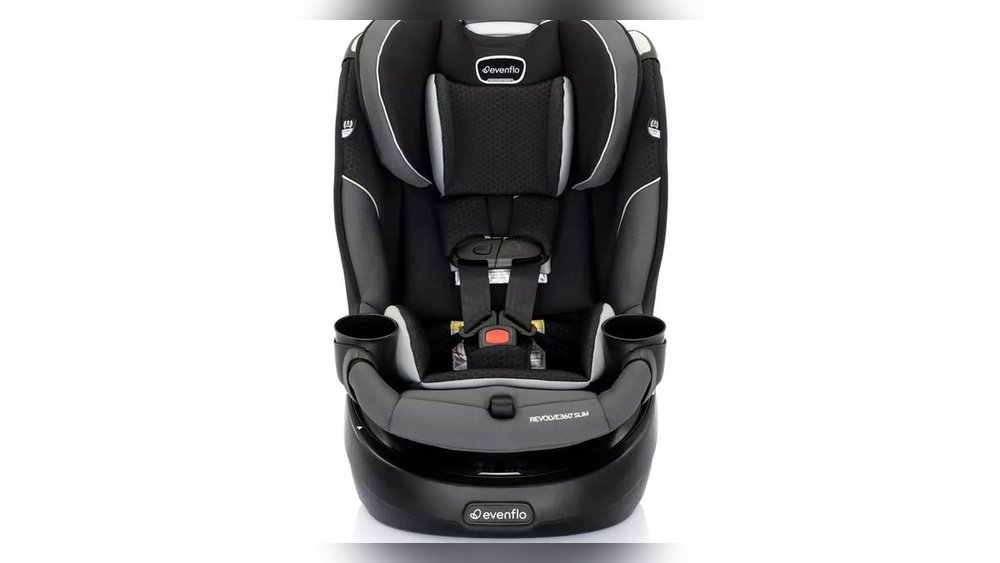
Are you tired of struggling to get your child in and out of their car seat? You’re not alone.
Many parents wonder if rotating car seats are really worth the extra cost. Imagine a seat that turns toward you, making every car ride easier and safer. But does this convenience live up to the hype? You’ll discover the real benefits and drawbacks of rotating car seats.
By the end, you’ll know if investing in one is the right choice for your family’s comfort and safety. Keep reading to find out!
Credit: www.nytimes.com
Benefits Of Rotating Car Seats
Rotating car seats offer several benefits that make traveling with children easier and safer. These seats can turn, allowing better access and convenience. Parents can place and secure their child without straining their back. The design also supports longer use through different growth stages. Below are key advantages of using rotating car seats.
Ease Of Child Placement
Rotating car seats turn toward the car door. This feature helps parents place their child inside easily. No more awkward bending or reaching. Securing the child with the harness becomes simpler and faster. It reduces the risk of injury for both child and parent. Loading and unloading kids becomes less stressful every day.
Enhanced Safety Features
Many rotating car seats include advanced safety designs. They offer better protection in side-impact crashes. The rotation mechanism locks firmly in place during travel. Rear-facing and forward-facing positions improve safety for different ages. Proper installation is easier, reducing errors. Safe travel becomes more reliable with these seats.
Extended Use And Longevity
Rotating car seats grow with your child. Most models support rear-facing use for infants. Then, they switch to forward-facing for toddlers and older kids. This flexibility means one seat lasts longer. Parents save money by avoiding multiple seat purchases. A good rotating seat adapts to your child’s needs over time.
Types Of Rotating Car Seats
Rotating car seats make life easier for parents and caregivers. These seats turn toward the car door, helping you place and lift your child with less strain. There are different types available, each with unique features and benefits. Understanding these types helps you choose the right seat for your family.
360-degree Rotation Models
These car seats can spin all the way around, a full 360 degrees. You can turn the seat to face the door or the front of the car. This feature makes switching between rear-facing and forward-facing modes simple. It also helps with cleaning and adjusting the seat. Many parents find these models very flexible and easy to use.
180-degree Rotation Models
Seats with 180-degree rotation turn halfway, usually from facing the car to facing the door. They do not spin fully but offer enough movement to help with placing your child inside. These models tend to be lighter and less bulky. They often cost less than 360-degree seats. They still provide good convenience during daily use.
Convertible Vs. Dedicated Seats
Convertible seats grow with your child. They often include rotation features and change from rear-facing to forward-facing. These seats last longer and can save money over time. Dedicated seats serve one purpose, like infant-only or toddler-only seats. They may have rotation but only for a specific stage. Choosing between these depends on your child’s age and needs.
Safety Considerations
Safety is the most important factor when choosing a car seat. Parents want to protect their children on every trip. Rotating car seats offer convenience, but their safety must be clear. This section looks closely at key safety points.
Crash Test Ratings
Crash test ratings show how well a car seat protects in accidents. Check ratings from trusted sources before buying. Good ratings mean the seat absorbs impact and keeps the child safe. Rotating seats must perform as well as fixed seats in tests.
Installation Security
Proper installation keeps the car seat stable during rides. Rotating seats have extra parts that must lock firmly. Look for seats with clear instructions and secure locking systems. A well-installed seat reduces risks in sudden stops or crashes.
Material Quality And Durability
The materials used affect both safety and comfort. Strong, crash-absorbing materials protect the child from injury. Durable fabrics and plastic resist wear over time. Choose seats made from tested, high-quality materials for lasting protection.
:max_bytes(150000):strip_icc()/prt-graco-easyturn-360-2-in-1-rotating-convertible-car-seat-ariel-laub-10-d375f61616994c1e83cc6420ce281742.jpeg)
Credit: www.parents.com
Convenience Factors
Rotating car seats offer several convenience factors that parents appreciate. These features can make daily routines smoother and less stressful. The design focuses on ease and comfort for both the child and the caregiver. Small details often make a big difference in busy family life.
Ease Of Installation
Rotating car seats often come with clear instructions. Many models use simple latch or seatbelt systems. This reduces the time needed to secure the seat properly. The ability to rotate helps align the seat for easy buckling. Parents spend less time twisting or bending to strap in their child.
Adjustability And Comfort
These seats usually have multiple recline positions. They grow with your child, adjusting to different sizes. Padding and headrests often move to fit small or tall children. Rotation allows caregivers to place the child comfortably without straining. Children enjoy a cozy seat, making trips calm and peaceful.
Cleaning And Maintenance
Rotating car seats often feature removable covers. This makes washing spills and messes easier. Many fabrics are machine washable or wipeable. The rotating function lets parents access hard-to-reach areas. This helps keep the seat clean and fresh with little hassle.
Cost And Value Comparison
Choosing the right car seat involves thinking about cost and value. Rotating car seats often cost more upfront. But their benefits might save time and effort. Understanding price differences and long-term benefits helps make a smart choice.
Price Range Analysis
Rotating car seats usually cost between $150 and $400. Basic models start near $150. Premium models with extra features can reach $400. Non-rotating seats often cost less, around $50 to $200. The price depends on brand, safety ratings, and materials.
Long-term Investment Benefits
Rotating seats offer easier access to your child. This reduces strain on your back and arms. They often last longer, fitting newborns to toddlers. Fewer seat replacements can save money over time. Convenience might make daily travel less stressful. These seats can make car rides safer and more comfortable.
Comparison With Non-rotating Seats
Non-rotating seats cost less initially. They work well but require more effort to use. Lifting a child into a fixed seat can be hard. Rotating seats spin to face the door for easier loading. This feature helps parents with limited mobility. The higher price reflects added comfort and safety. Choosing depends on budget and lifestyle needs.
User Experiences And Reviews
User experiences and reviews offer real insights into rotating car seats. Parents share stories about daily use. Their feedback helps others decide if these seats fit their needs.
Reviews also highlight common problems users face. These reveal practical challenges beyond product descriptions. Expert opinions add another layer, giving trusted advice on safety and convenience.
Parent Testimonials
Many parents say rotating car seats make getting kids in and out easier. They like the swivel feature that turns the seat toward the door. It reduces back pain and bending.
Some parents mention how the seat grows with their child. They find it useful for toddlers and older kids. Adjusting the seat and harness is simple for most users.
Parents appreciate the safety features too. Many feel confident that rotating seats offer extra protection during car rides.
Common Complaints
Some users report the rotating mechanism can be stiff or hard to turn. This makes daily use frustrating for a few parents. Others find the seats heavier than traditional models.
A few parents mention that cleaning around the base is tricky. The rotating base can trap crumbs and dirt. Installation can be confusing, especially without clear instructions.
Price is another concern. Rotating car seats often cost more than regular seats. This can be a drawback for families on a budget.
Expert Opinions
Child safety experts agree rotating car seats improve ease of use. They say the swivel feature reduces strain on a parent’s body. This can prevent injuries from bending and twisting.
Experts stress proper installation is crucial for safety. They recommend following the manufacturer’s guide carefully. Some suggest professional help to ensure correct setup.
Many specialists feel rotating seats support longer rear-facing use. This position is safer for young children. Experts encourage parents to keep kids rear-facing as long as possible.
When To Choose A Rotating Car Seat
Choosing a rotating car seat depends on several important factors. These seats offer convenience, but they suit some families better than others. Knowing when to pick a rotating car seat helps you make a smart choice for safety and ease.
Lifestyle And Usage Needs
Parents who travel often may find rotating seats very useful. They allow easy access to buckle or unbuckle a child. This feature saves time during busy days or quick trips. Families with multiple children can also benefit from the rotation. It reduces the struggle of fitting seats in small cars.
Child’s Age And Size
Rotating car seats usually fit infants and toddlers well. The turn feature helps place a newborn safely without heavy lifting. Some models grow with the child, adjusting for size changes. Choosing a seat that matches your child’s weight and height is key. This ensures comfort and proper protection.
Vehicle Compatibility
Not all cars fit rotating car seats equally well. Check your vehicle’s space before buying. Some seats require more room to rotate fully. Smaller cars may have limited space for this feature. Look for seats that fit your car’s size and design. Proper installation is critical for safety and function.
Credit: www.babylist.com
Frequently Asked Questions
What Are The Benefits Of Rotating Car Seats?
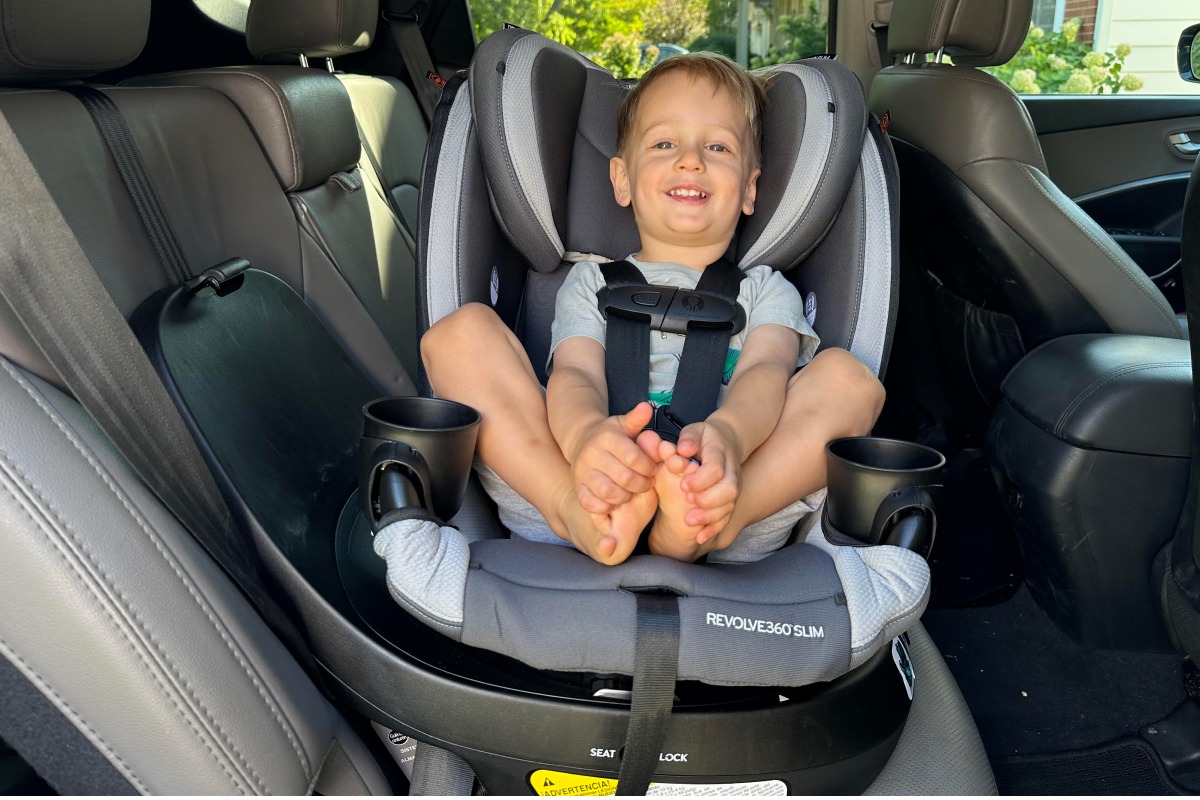
Rotating car seats make it easier to place and secure your child. They reduce strain on your back and improve safety during travel. This feature also allows smooth switching between rear and forward-facing modes as your child grows.
Are Rotating Car Seats Safer Than Regular Ones?
Rotating car seats offer similar safety standards to regular seats. The rotation feature aids proper installation and easier harness adjustments. This can reduce installation errors, enhancing overall safety for your child during car rides.
How Long Can A Child Use A Rotating Car Seat?
Children can use rotating car seats from infancy to toddlerhood, typically up to 4 years. These seats accommodate various growth stages with adjustable features, ensuring comfort and safety as your child grows.
Do Rotating Car Seats Fit In All Vehicles?
Most rotating car seats are designed to fit standard car models. However, always check your vehicle’s compatibility before purchase. Proper fit ensures safe installation and optimal protection for your child.
Conclusion
Rotating car seats offer ease when placing your child inside. They help reduce strain on your back and arms. Switching between forward and rear-facing positions becomes simpler. Many parents find this feature saves time and effort. Safety remains a top priority with these seats.
Consider your budget and how often you travel by car. Think about the space in your vehicle too. In the end, rotating car seats bring convenience and comfort. They may be worth the extra cost for many families.
