

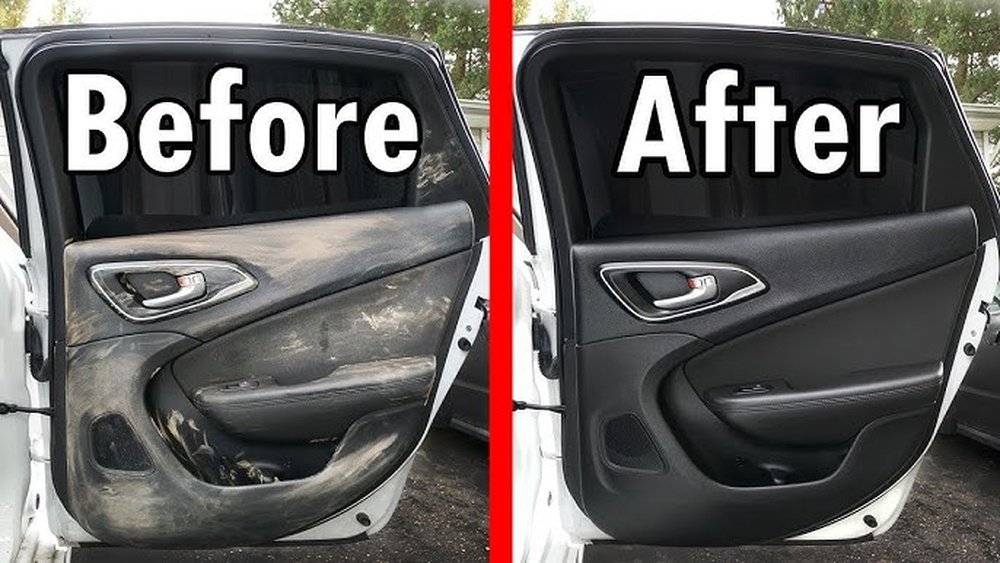
Your car’s interior plastic surfaces can quickly lose their shine and collect dust, grime, and stubborn stains. If you want your car to look fresh and feel comfortable without spending a fortune, learning how to clean car interior plastic at home is the key.
You don’t need expensive products or professional help—just a few simple steps and the right tools can make a huge difference. Keep reading, and you’ll discover easy, effective ways to bring back that clean, like-new look your car deserves.
Credit: rrcustoms.com
Choosing The Right Cleaning Products
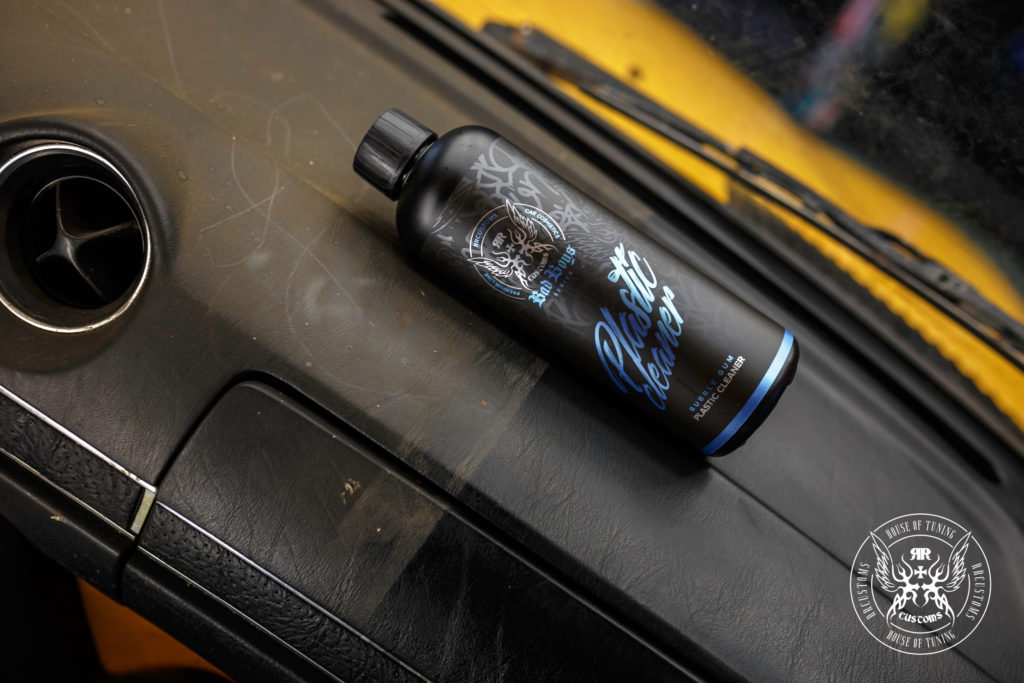
Choosing the right cleaning products is key to keeping your car’s plastic interior clean and safe. The wrong product can cause damage or leave residue. It is important to pick cleaners that work well without harming the plastic. This section helps you find the best options for your car.
Safe Cleaners For Plastic Surfaces
Use cleaners designed for plastic surfaces. Look for labels that say “safe for plastic” or “non-abrasive.” These products clean dirt and stains without scratching. Avoid harsh scrubbing tools that can damage the surface. Soft cloths or sponges work best with these cleaners.
Homemade Solutions To Try
Simple homemade cleaners can be effective and gentle. Mix equal parts of water and white vinegar in a spray bottle. This solution removes dirt and disinfects. Another option is a mild soap mixed with warm water. These recipes are easy to prepare and safe for plastic.
Avoiding Harmful Chemicals
Stay away from cleaners with ammonia, bleach, or alcohol. These chemicals can cause plastic to fade or crack. Also, avoid abrasive powders or solvents. They wear down the surface and reduce the plastic’s shine. Choose gentle products that protect your car’s interior.
Credit: www.youtube.com
Preparing Your Car Interior
Preparing your car interior for cleaning is the first step to a fresh, spotless look. This stage helps remove loose dirt and dust, making the cleaning process easier. It also protects sensitive parts inside the car. Taking time to prepare saves effort later.
Removing Dust And Loose Dirt
Start by opening all car doors for good air flow. Use a soft brush or microfiber cloth to wipe off dust from plastic surfaces. A vacuum cleaner with a brush attachment works well to remove loose dirt from seats and floors. Clean corners and small spaces carefully to get rid of hidden dirt.
Protecting Sensitive Areas
Cover electronic controls, air vents, and screens with plastic wrap or tape. This prevents water or cleaning spray from causing damage. Avoid spraying cleaner directly on these parts. Use gentle cloths to wipe near sensitive areas to keep them safe.
Gathering Cleaning Tools
Collect all necessary tools before starting. You will need a microfiber cloth, soft brushes, a spray bottle with diluted cleaner, and a vacuum cleaner. Having everything ready saves time and keeps the process smooth. Choose mild cleaning products to avoid damage to plastic surfaces.
Step-by-step Cleaning Process
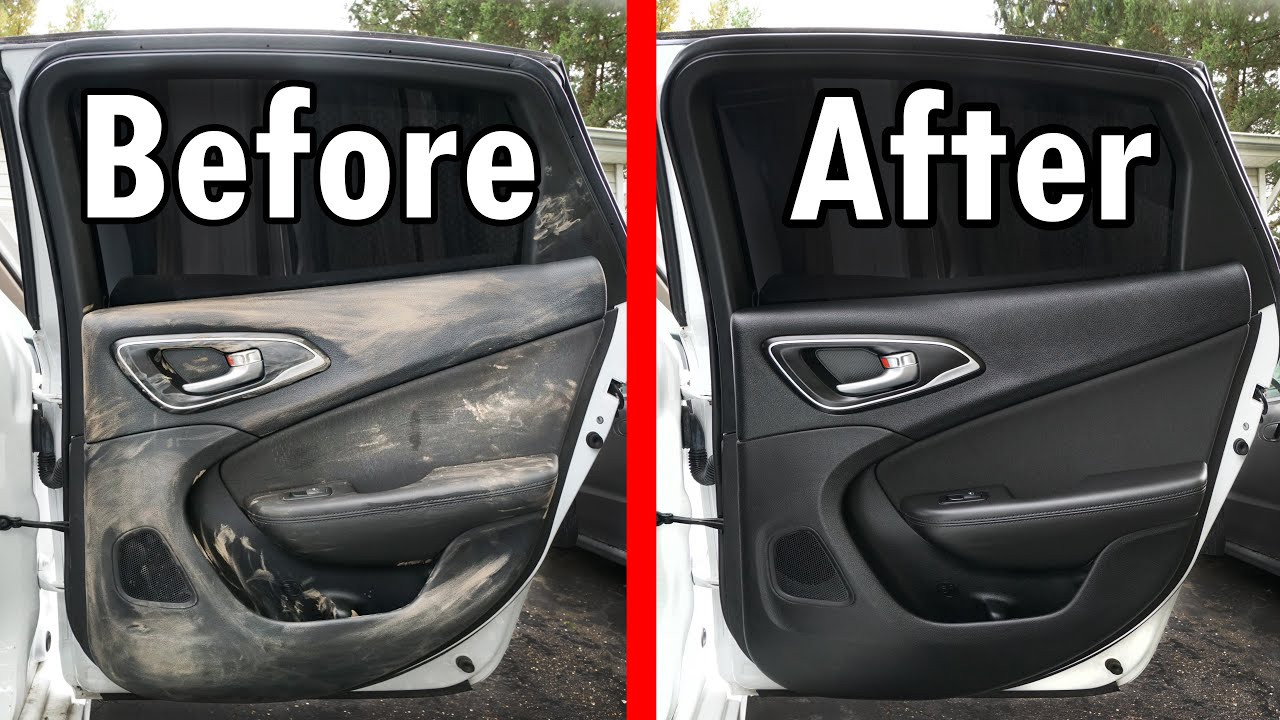
Cleaning your car’s interior plastic is simple with the right steps. Follow this clear process to get your plastic surfaces looking fresh and clean. Each step focuses on careful cleaning without damaging the material. Take your time and be gentle. This method works well for dashboards, door panels, and other plastic parts inside your car.
Applying Cleaner To Plastic
Choose a mild cleaner made for plastic surfaces. Spray or apply a small amount on a soft cloth. Avoid pouring cleaner directly on the plastic. Spread the cleaner evenly over the surface. Cover all areas but use only a thin layer. Let the cleaner sit for a minute to loosen dirt and grime.
Scrubbing Techniques For Stubborn Stains
Use a soft-bristle brush or an old toothbrush for tough spots. Gently scrub the stained areas in small circles. Do not press too hard to avoid scratches. Repeat scrubbing if necessary but stay patient. For textured plastic, work the brush into the grooves carefully. This helps remove dirt trapped deep inside.
Wiping And Drying Properly
Use a clean microfiber cloth to wipe the surface. Remove all cleaner and loosened dirt with smooth motions. Check for any missed spots and wipe again. Dry the plastic fully to prevent water marks. Leave the windows open or use a dry cloth for faster drying. Your car’s plastic will look neat and refreshed.
Maintaining Clean Plastic Surfaces
Maintaining clean plastic surfaces inside your car keeps it looking fresh and new. Regular care stops dirt and grime from building up. It also helps protect the plastic from damage and fading over time. Simple habits make a big difference in keeping your car interior neat and inviting.
Regular Dusting Tips
Dust settles quickly on plastic surfaces. Use a soft microfiber cloth to wipe down dashboards and panels often. Avoid harsh scrubbing that can scratch the plastic. For hard-to-reach spots, try a soft brush or compressed air. Regular dusting prevents buildup and keeps surfaces smooth.
Using Protectants To Prevent Fading
Sunlight can cause plastic to fade and crack. Apply a plastic protectant spray to shield surfaces from UV rays. Choose products made for car interiors to avoid sticky residue. Apply protectants every few weeks for the best results. This simple step keeps plastic looking bright and new.
Dealing With Spills Quickly
Spills happen. Clean them right away to avoid stains and damage. Use a damp cloth to blot the spill gently. Avoid rubbing hard, which can spread the stain. For sticky spots, a mild soap solution works well. Quick action keeps plastic surfaces clean and lasting longer.
Troubleshooting Common Issues
Cleaning car interior plastic can be tricky sometimes. Certain problems may pop up during the process. These issues need special care to avoid damage. Here are common problems and easy solutions. Follow these tips to keep your car looking fresh and neat.
Removing Sticky Residue
Sticky residue often comes from tape or spilled drinks. Use warm soapy water and a soft cloth first. For tough spots, try rubbing alcohol or a mixture of vinegar and water. Apply gently to avoid scratching the plastic. Wipe clean with a damp cloth and dry well.
Handling Scratches On Plastic
Small scratches make plastic look old. Use a plastic polish or a mild abrasive cleaner. Rub gently in a circular motion with a soft cloth. For deep scratches, try a heat gun carefully to soften the plastic. This helps scratches blend in but needs caution.
Dealing With Faded Or Discolored Areas
Sun exposure can fade plastic inside the car. Use a plastic restorer or conditioner to bring back color. Apply evenly and let it sit for a few minutes. Wipe off any excess with a clean cloth. Repeat as needed to improve the look.

Credit: auto-glanz.co.uk
Frequently Asked Questions
How Do I Clean Car Interior Plastic Effectively At Home?
Use a mild soap and water solution with a microfiber cloth. Gently wipe plastic surfaces, avoiding excess moisture. Dry with a clean cloth to prevent streaks and damage.
What Household Items Clean Car Interior Plastic Safely?
Mix equal parts water and vinegar or use mild dish soap. Avoid harsh chemicals that can damage plastic. Test on a small area before full cleaning.
How Often Should I Clean Car Interior Plastic Surfaces?
Clean car interior plastic every two weeks for best results. Regular cleaning prevents dust buildup and keeps surfaces looking new and fresh.
Can I Use Commercial Cleaners On Car Interior Plastic?
Yes, choose cleaners labeled safe for automotive plastics. Avoid products with ammonia or bleach as they can cause discoloration or damage.
Conclusion
Cleaning your car’s plastic interior is simple and effective. Use gentle cleaners and soft cloths to avoid damage. Regular cleaning keeps your car looking fresh and neat. Small efforts make a big difference over time. Enjoy a comfortable, tidy car space every day.
Try these easy steps for a cleaner ride. Your car deserves a little care and attention. Keep it looking its best without much hassle.
