

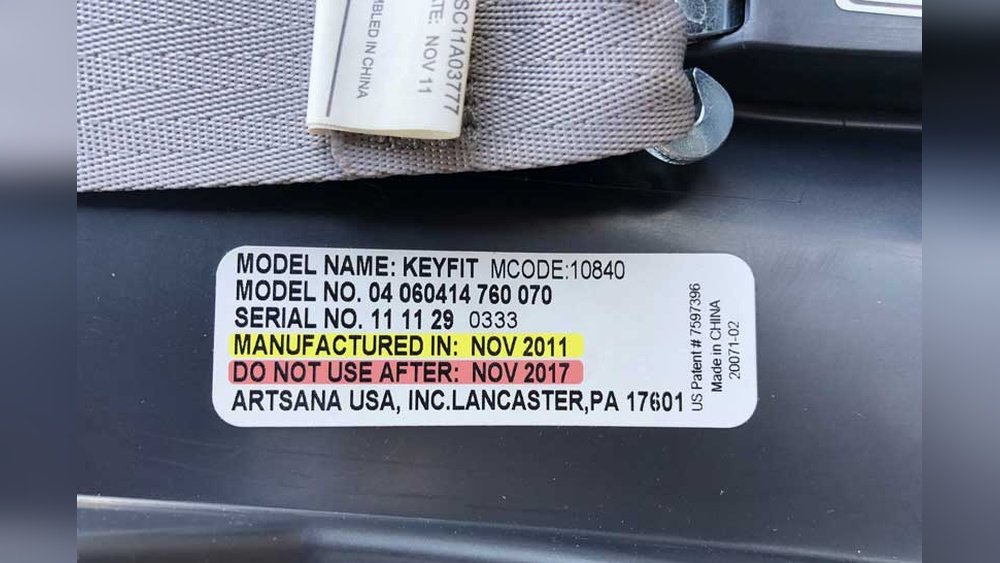
You want to keep your child safe, and knowing the expiration date on your car seat is a key part of that. But where exactly can you find this important detail?
If you’re unsure or worried about whether your car seat is still good to use, you’re not alone. You’ll discover exactly where to look for the expiration date, why it matters, and what to do if your car seat has expired.
Keep reading to make sure your little one’s safety is never compromised.
Credit: southernmaineonthecheap.com
Why Car Seat Expiration Matters
Car seat expiration dates are important for your child’s safety. Over time, car seats can wear out or break down. Materials like plastic and straps may weaken. This makes the seat less safe in a crash. Using an expired car seat increases risks for your child. Knowing why expiration matters helps you keep your child safe.
Safety Risks Of Expired Seats
Expired car seats may not protect your child well. Parts can crack or become brittle. Harnesses may lose strength and fail during a crash. Older seats might not meet current safety rules. Using expired seats can cause serious injuries. Safer to use a seat within its date range.
Manufacturer Guidelines
Car seat makers set expiration dates for safety. These dates appear on labels or manuals. They show how long the seat stays safe to use. Following these rules helps avoid using worn parts. Manufacturers design seats to last only a certain time. Trust their advice to keep your child secure.
Common Locations For Expiration Dates
Car seat expiration dates are important for your child’s safety. Knowing where to find these dates helps you check if the seat is still safe to use. Expiration dates can be in different spots depending on the brand and model. Here are the most common places to look.
Labels On The Seat Base
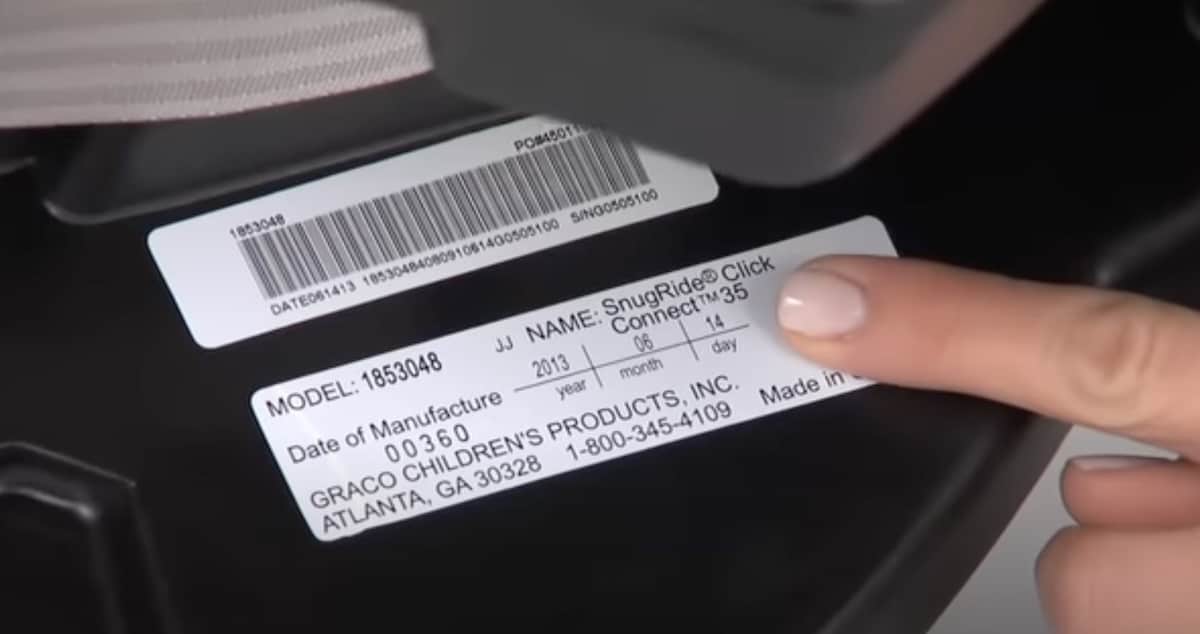
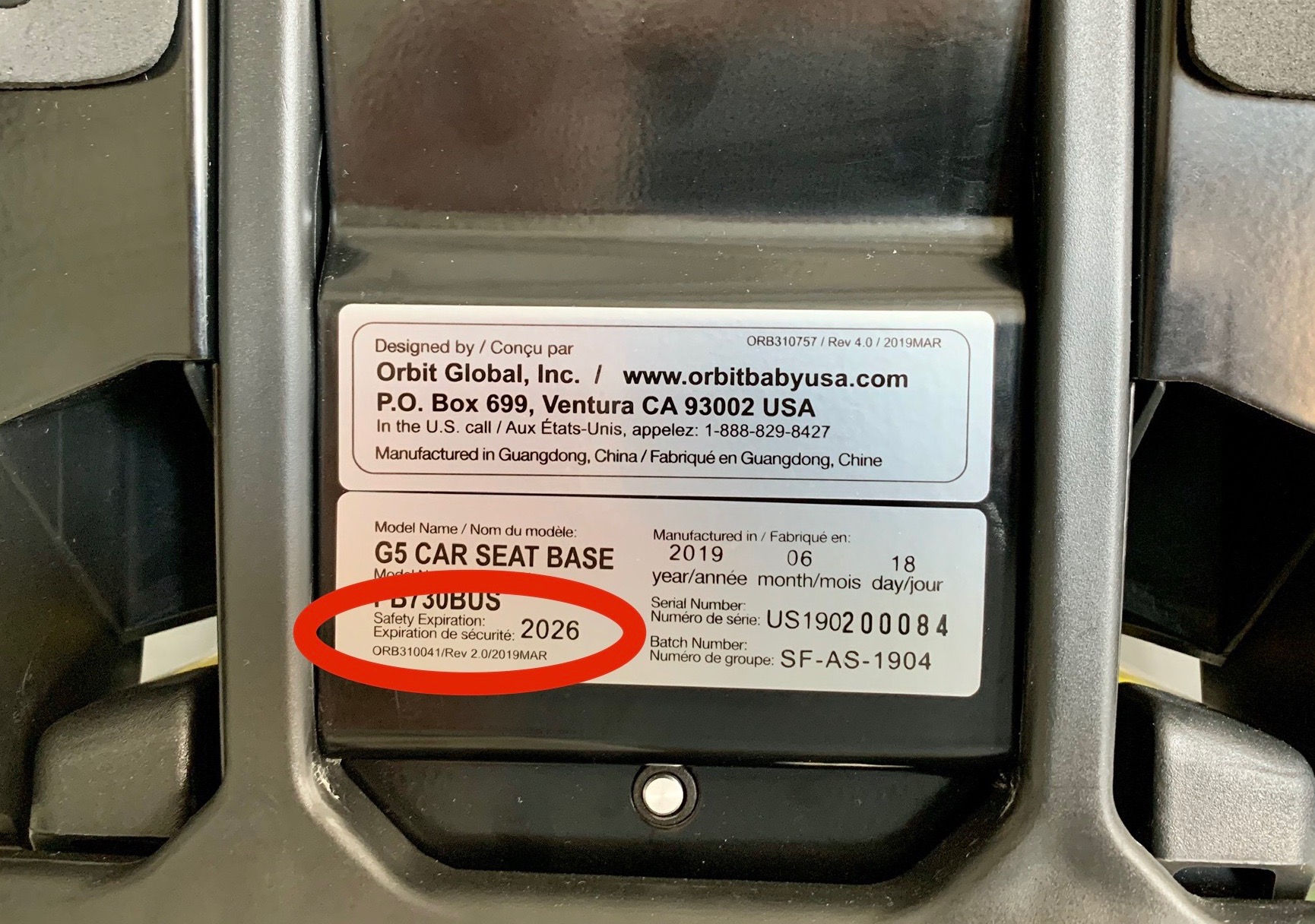
Many car seats have a label on the base. This label often shows the expiration date clearly. Look for a sticker or printed tag on the bottom or side of the seat base. The date might be listed as a month and year or a specific expiration date.
Stickers On The Back Or Bottom
Some car seats have stickers on the back or underneath. Check the rear part of the seat or the bottom side. These stickers usually contain important information, including the expiration date. The text might be small, so look closely.
Imprinted Dates On The Frame
Other car seats have the expiration date imprinted on the plastic frame. This date can be molded into the seat itself. Look for raised or indented numbers on the sides or back of the seat. It may take some effort to spot this type of date.
How To Identify The Expiration Date
Knowing how to find the expiration date on a car seat is important for safety. Car seats do not last forever. Over time, materials wear out and safety standards change. This guide helps you spot the expiration date on your car seat. It explains common date formats and how to read expiration codes clearly.
Date Formats To Look For
Car seat expiration dates often appear as a month and year. For example, “08/2025” means August 2025. Sometimes, the date uses a year only, like “2025.” The date may be stamped, printed, or molded into the plastic. Look for phrases such as “EXP,” “Expiration,” or “Do Not Use After.”
Reading Expiration Codes
Some car seats use codes instead of clear dates. These codes may include letters and numbers. Check the car seat manual to decode them. The code usually shows the month and year of expiration. If you cannot find a date or code, contact the manufacturer for help.
Credit: consumercare.coscokids.com
Tips For Checking Car Seat Age
Knowing the age of your car seat is very important for safety. Car seats expire after some years. This is because materials wear out and safety rules change. Here are some simple tips to check the age of your car seat.
Finding The Model Number
The model number is usually on a sticker or label. Look under the seat, on the back, or near the bottom. This number helps you find the exact car seat information. Write it down clearly for the next steps.
Using Manufacturer Websites
Visit the car seat maker’s official website. Enter the model number in their search or support section. Most websites show the manufacture date and expiration period. This is an easy way to confirm the seat’s age and safety status.
Contacting Customer Support
If the website does not help, call or email the company. Provide the model number and any other details. Customer support can give you the exact expiration date. They can also answer questions about recalls or updates.
What To Do If You Can’t Find The Date
Sometimes, the expiration date on a car seat is hard to find. It might be worn off or covered by fabric. In such cases, knowing what to do next is very important for safety. Don’t guess. Use other ways to check the car seat’s age and condition.
Estimating Age By Purchase Date
Check your receipt or purchase records for the date. This helps guess the car seat’s age. Most car seats last about six years from the purchase date. If you bought it second-hand, ask the seller for the original date. Write down the date to track the seat’s lifespan.
When To Replace Without A Date
Replace the car seat if it looks damaged or worn out. Cracks, broken parts, or faded labels are warning signs. Never use a car seat with missing parts. If unsure about its age or safety, choose a new seat. Safety is the top priority for your child’s protection.
Credit: support.orbitbabyusa.com
Maintaining Car Seat Safety
Maintaining car seat safety is key to protecting children during travel. A safe car seat reduces the risk of injury in accidents. Regular care and attention keep the seat effective and reliable. Understanding how to maintain car seat safety helps parents and caregivers ensure their child’s protection.
Regular Inspections
Check the car seat often for any signs of wear or damage. Look for cracks, broken parts, or frayed straps. Make sure all buckles and harnesses work smoothly. Regular inspections catch problems early before they become dangerous.
Proper Installation
Install the car seat firmly and correctly every time. Follow the manufacturer’s instructions carefully. Use the seat belt or LATCH system as directed. A poorly installed seat cannot protect a child well in a crash.
Avoiding Secondhand Risks
Be cautious when using a secondhand car seat. It may have unseen damage or expired parts. Always verify the seat’s history and check the expiration date. Using a used seat without full knowledge can risk your child’s safety.
Frequently Asked Questions
Where Is The Expiration Date On A Car Seat Located?
The expiration date is usually on a sticker or molded into the plastic shell. Check the back, bottom, or sides of the car seat. It may also be inside the seat cover or on the instruction manual.
How Can I Tell If My Car Seat Is Expired?
Look for the expiration date printed on the seat or label. If the date has passed, the seat is expired. Also, check for visible wear or damage that may affect safety.
Why Do Car Seats Have Expiration Dates?
Car seats expire due to material degradation and safety standards updates. Over time, plastic weakens and safety features become less effective. Expiration ensures your child uses a seat that meets current safety guidelines.
Can I Use An Expired Car Seat Safely?
Using an expired car seat is not recommended. Safety materials may have weakened, increasing injury risk. Always replace expired seats to ensure maximum protection for your child.
Conclusion
Finding the expiration date on a car seat keeps your child safe. Check labels on the seat’s back, bottom, or sides. Look for a stamped or printed date, usually near the model number. Car seats expire because materials wear out over time.
Using an expired seat can put your child at risk. Always replace the seat once it passes the expiration date. Stay safe and protect your little one every ride. Remember, knowing the expiration date is a simple step that makes a big difference.
