

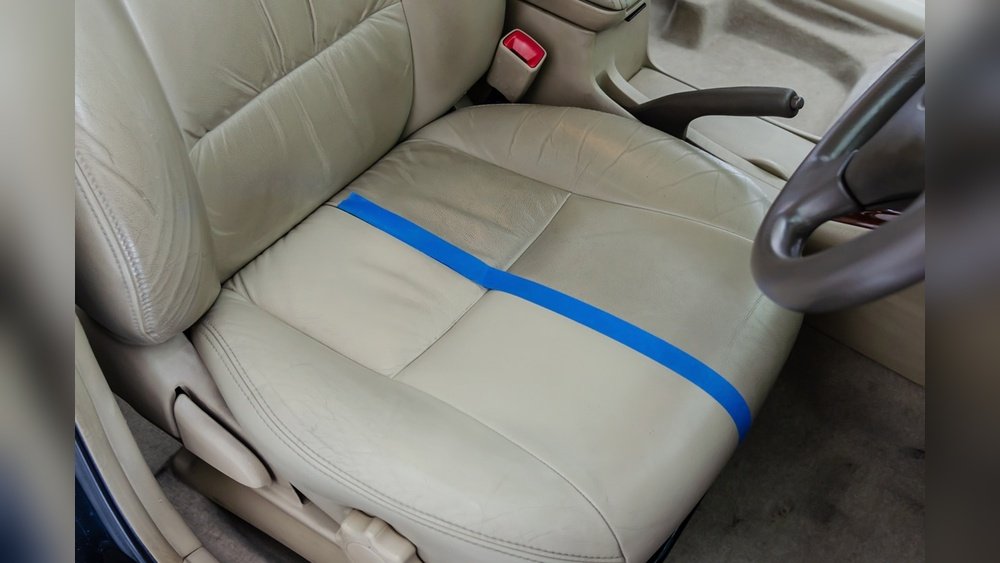
Your leather car seats are a big part of what makes your car feel special. But stains can quickly ruin their look and leave you frustrated.
You might be wondering how to clean leather car seats that are stained without causing damage. The good news? It’s easier than you think, and you don’t need expensive products or professional help. Keep reading to discover simple, effective steps that will restore your seats and keep your car looking fresh.
You’ll be surprised how quickly your leather can look like new again.
Credit: avalonking.com
Identifying Types Of Leather
Knowing the type of leather in your car seats helps clean stains safely. Different leathers need different care. Using the wrong method can damage the leather or leave marks.
Leather mainly comes in a few types. Each type has its look, feel, and cleaning needs. Identifying your leather type is the first step to proper stain removal.
Aniline Vs. Semi-aniline Leather
Aniline leather is soft and natural. It has no protective coating. This leather shows natural marks and color variations. It feels smooth but can stain easily. Use gentle cleaners and avoid harsh scrubbing.
Semi-aniline leather has a thin protective layer. It keeps the natural look but adds some stain resistance. It is easier to clean than pure aniline. Mild soap and water usually work well here.
Pigmented Leather Basics
Pigmented leather has a thick color layer on top. This makes it very durable and stain-resistant. It is less soft but easier to clean. Use a leather cleaner made for pigmented leather. Avoid soaking it with water.
This type is common in many cars. It handles spills better and needs less frequent deep cleaning. Regular wiping with a damp cloth helps keep it fresh.
Gathering Cleaning Supplies
Cleaning stained leather car seats starts with gathering the right supplies. Using proper tools and products ensures safe and effective cleaning. Prepare everything before you begin to avoid interruptions. This step protects your leather and helps remove stains gently.
Essential Cleaning Tools
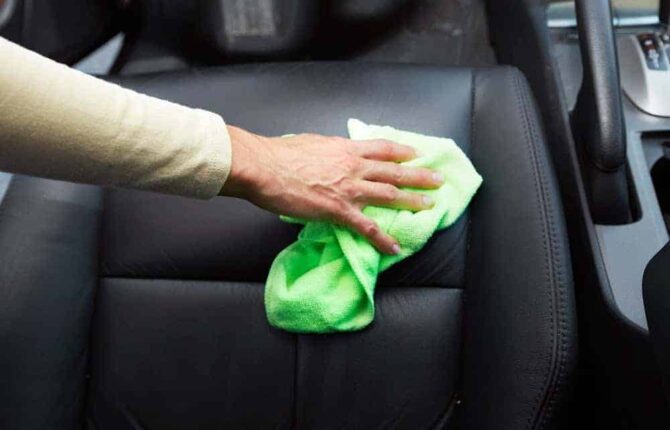
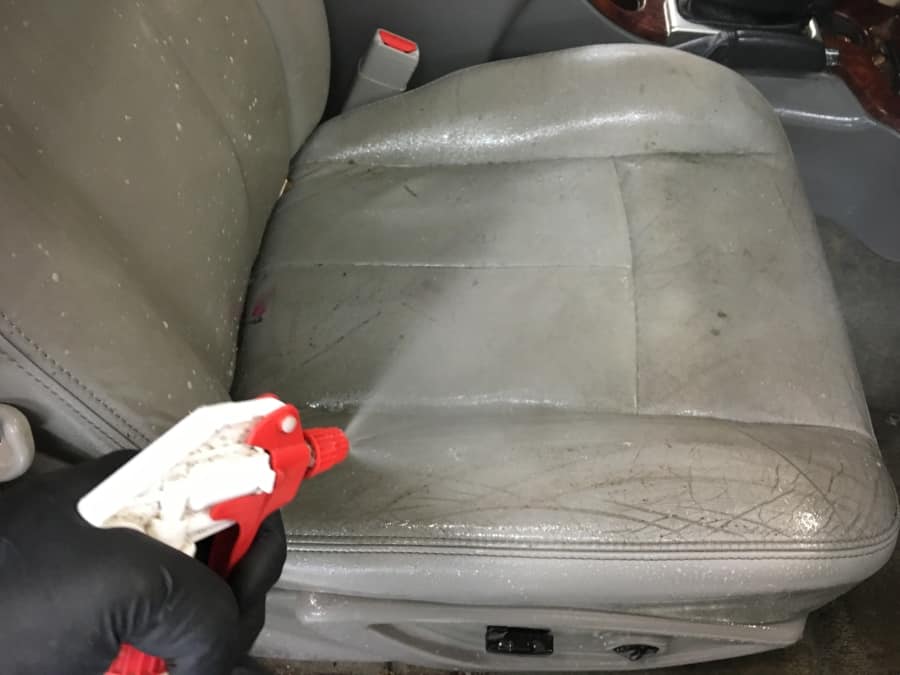
Soft microfiber cloths are a must for cleaning leather seats. They do not scratch or damage the surface. A soft-bristled brush helps loosen dirt in creases and seams. You will also need a small bucket to mix cleaning solutions. A spray bottle can make applying cleaner easier and more even. Keep paper towels or dry cloths nearby for drying the seats after cleaning.
Safe Cleaning Products
Use mild soap or leather cleaner made for car interiors. Avoid harsh chemicals like bleach or ammonia; they can dry out leather. A pH-balanced cleaner maintains leather’s natural oils and softness. Leather conditioner is necessary after cleaning to keep the seats supple. Choose products labeled safe for automotive leather. Test any cleaner on a small, hidden spot first. This prevents unexpected damage or discoloration.
Preparing The Car Seats
Preparing your leather car seats before cleaning is a key step. It helps protect the leather and makes the cleaning easier. Taking time to prepare ensures better results and avoids damage. Start by removing loose dirt and dust that can scratch the leather.
Next, test any cleaner on a hidden spot. This prevents unwanted stains or color changes. Proper preparation leads to a safer and more effective cleaning process.
Vacuuming Loose Dirt
Use a soft brush attachment on your vacuum cleaner. Gently vacuum the seats to remove dust and crumbs. Pay attention to creases and seams where dirt collects. Avoid pressing too hard to protect the leather surface. This step stops dirt from rubbing deeper during cleaning.
Testing Cleaner On Hidden Area
Choose a small, hidden section of the seat. Apply a small amount of cleaner there first. Let it sit for a few minutes. Check for any color changes or damage. If the leather looks normal, it is safe to proceed. Testing avoids surprises on visible parts of the seat.
Removing Common Stains
Leather car seats add style and comfort to any vehicle. Stains on leather seats can ruin their look fast. Removing common stains keeps seats clean and fresh. Act quickly to stop stains from setting. Use gentle methods to protect the leather surface.
Cleaning Food And Drink Spills
Blot spills immediately with a soft cloth. Avoid rubbing to prevent spreading the stain. Use a damp cloth with mild soap to clean the area. Wipe gently in a circular motion. Dry the spot with a clean towel. Repeat if needed until the stain fades.
Handling Ink And Dye Stains
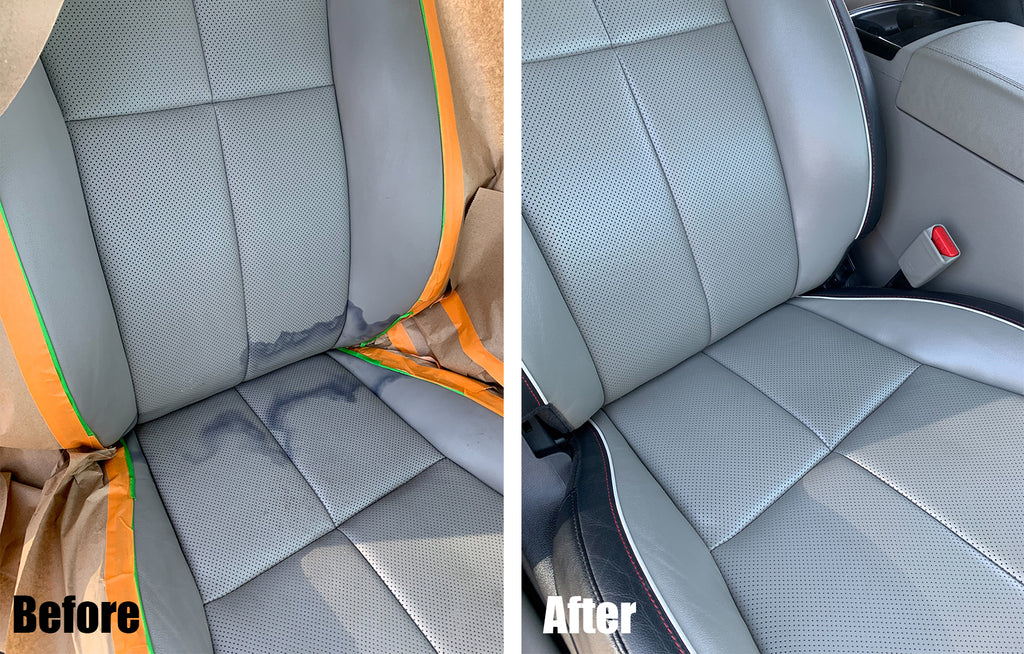
Ink stains require careful treatment. Dab the stain lightly with rubbing alcohol on a cotton ball. Do not soak the leather. Test the alcohol on a hidden spot first. Blot the stain without rubbing. Use a leather conditioner after cleaning to keep the seat soft.
Dealing With Oil And Grease
Sprinkle baking soda or cornstarch on the oily stain. Let it sit for a few hours to absorb the grease. Brush off the powder carefully. Apply a small amount of leather cleaner on a cloth. Gently rub the stained area. Wipe off excess cleaner and dry the seat well.
Deep Cleaning Techniques
Deep cleaning leather car seats requires careful steps to remove stains effectively. It helps keep your seats looking fresh and extends their life. Using the right products and techniques is key. This section explains how to deep clean without damaging the leather.
Using Leather Cleaner Properly
Choose a cleaner made for leather seats only. Avoid harsh chemicals or household cleaners. Apply a small amount of cleaner to a soft cloth. Gently rub the stained area in circles. Do not scrub too hard to protect the leather surface. Let the cleaner sit for a few minutes. Wipe off with a clean, damp cloth. Repeat if the stain remains but avoid over-cleaning.
Avoiding Excess Water Damage
Leather is sensitive to water. Too much water can cause stains or cracks. Use a damp cloth, not a wet one, for cleaning. Always wring out excess water before wiping. Dry the seat with a soft towel after cleaning. Keep the car windows open to air dry faster. Avoid soaking the leather to prevent damage.
Credit: www.colorbondpaint.com
Conditioning Leather Seats
Conditioning leather seats keeps them soft and prevents cracks. It restores moisture lost from cleaning or sun damage. Regular conditioning extends your car seats’ life and keeps them looking fresh. Use the right product and apply it carefully to avoid damage.
Choosing The Right Conditioner
Pick a conditioner made for leather car seats. Avoid products with wax or silicone. These can cause buildup and damage the leather over time. Look for conditioners with natural oils and mild ingredients. Test a small hidden area first. This ensures no discoloration or harm to your seats.
Applying Conditioner For Longevity
Apply conditioner with a clean, soft cloth. Use a small amount and work it into the leather gently. Cover all areas evenly without soaking the seats. Let the conditioner absorb for 15 to 20 minutes. Wipe off any extra to prevent sticky residue. Conditioning every 3 to 6 months keeps leather soft and durable.
Preventing Future Stains
Preventing stains on leather car seats is easier than fixing them. Keeping seats clean helps maintain their look and feel. Small habits can stop stains before they start. Consistent care protects leather from damage and discoloration.
Regular Maintenance Tips
Wipe seats with a soft cloth weekly. Use a damp cloth to remove dust and dirt. Avoid harsh cleaners that dry out leather. Vacuum seats gently to pick up debris in cracks. Clean spills right away to stop stains. Dry seats with a dry cloth after cleaning. Keep car doors closed during bad weather to avoid dirt.
Protective Treatments
Apply leather conditioner every few months. Conditioners keep leather soft and prevent cracks. Use a leather protector spray to block stains. Test products on a small area first. Protective coatings create a barrier against spills. Reapply treatments as recommended on the product label. These steps help leather stay fresh and stain-free longer.
Credit: avalonking.com
Frequently Asked Questions
How Do I Remove Stains From Leather Car Seats?
Use a leather cleaner or mild soap with water. Gently scrub the stained area using a soft cloth. Avoid harsh chemicals to prevent damage. Wipe dry with a clean towel. Condition the leather afterward to keep it supple and protected.
What Is The Best Homemade Cleaner For Leather Seats?
Mix equal parts of white vinegar and water. Dampen a cloth with the solution and gently clean the seat. Avoid soaking the leather. This natural cleaner effectively removes stains and odors without harming the leather’s texture or color.
Can I Use Baby Wipes On Leather Car Seats?
Yes, baby wipes can be used for light cleaning. Choose alcohol-free wipes to avoid drying out the leather. Gently wipe the surface without rubbing hard. Follow up with a leather conditioner to maintain softness and prevent cracking.
How Often Should I Clean Leather Car Seats?
Clean leather seats every 3 to 6 months. Regular cleaning prevents buildup of dirt and oils. Immediate spot cleaning of stains is recommended to avoid permanent damage. Conditioning should be done after cleaning to preserve leather quality.
Conclusion
Cleaning stained leather car seats takes patience and the right steps. Use gentle cleaners and soft cloths to avoid damage. Treat stains quickly to stop them from setting in. Regular care keeps your seats looking fresh and new. Small efforts make a big difference in seat appearance.
Take your time and follow simple cleaning tips. Your car’s interior will stay clean and inviting. Easy to do, worth the time.
