

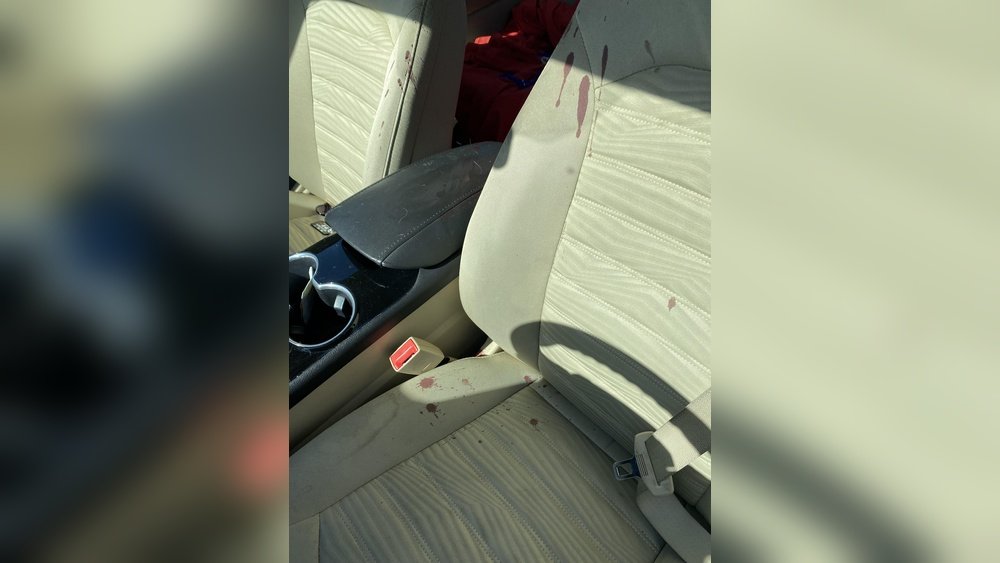
Getting blood out of your car seat can feel overwhelming, especially when you want to act fast but don’t know where to start. You might worry about stains setting in or damaging the fabric.
But what if you had simple, effective steps that anyone can follow to clean it up quickly? You’ll discover easy methods to remove blood stains and restore your car seat’s look. Keep reading—your car deserves the best care, and you’re about to learn how to give it just that.
Identify The Stain Type
Identifying the type of stain is the first step in removing blood from a car seat. Blood stains can vary in age, size, and texture. Each type needs a different cleaning approach to ensure effective removal. Understanding the stain helps avoid damage to the car seat fabric.
Fresh blood stains are easier to clean than old, dried ones. Dried blood can set deep into the fabric, making it tougher to remove. Knowing the stain type saves time and effort during cleaning.
Fresh Blood Stains
Fresh blood is still wet and red. It is easier to wipe off with a damp cloth. Acting quickly prevents the blood from soaking into the fabric fibers. Use cold water to blot the stain gently. Avoid rubbing to stop spreading the stain.
Dried Blood Stains
Dried blood turns dark brown or black. It feels crusty or hard on the surface. Removing dried blood requires softening it first. Soak the area with cold water before scrubbing softly. Use a gentle cleaner to break down the dried blood.
Old Blood Stains
Old blood stains have set deep into the fabric. They may appear faded but still visible. Old stains need stronger cleaning solutions. Enzyme-based cleaners work well to break down protein in the blood. Patience and repeated cleaning may be necessary.
Gather Essential Cleaning Supplies
Before cleaning blood from your car seat, gather the right supplies. This step saves time and ensures effective cleaning. Having everything ready helps you act fast, which is key to removing blood stains.
Cleaning Cloths Or Paper Towels
Use soft cloths or paper towels to blot the blood. Avoid rubbing, which spreads the stain. Several cloths come in handy for different cleaning stages.
Cold Water
Cold water helps prevent blood from setting into fabric. Warm or hot water can make the stain worse. Keep a bottle or bowl of cold water nearby.
Hydrogen Peroxide
Hydrogen peroxide is effective for breaking down blood stains. Use a small amount on a cloth, not directly on the seat. Test on a hidden area first to avoid damage.
Mild Dish Soap
Mild dish soap helps lift blood from fabric fibers. Mix a few drops with cold water for a gentle cleaning solution. It is safe for most car seat materials.
Soft-bristled Brush
A soft brush helps work the cleaning solution into the fabric. Use light strokes to avoid damage. This tool is useful for stubborn stains.
Gloves
Wear disposable gloves to protect your hands. Blood can carry germs, so gloves keep you safe. They also keep your hands clean during the process.
Act Quickly To Prevent Setting
Blood stains on car seats can be tough to remove. Acting fast helps stop the stain from setting deep. The longer blood sits, the harder it becomes to clean. Quick action makes a big difference in removing stains completely.
Start cleaning as soon as you notice the blood. Fresh stains respond better to cleaning methods. Dry or old stains need stronger products and more effort. Save time and avoid damage by treating the stain early.
Blot The Stain Immediately
Use a clean cloth or paper towel to blot the blood. Do not rub. Rubbing spreads the stain and pushes blood deeper. Blot gently to soak up as much blood as possible. Replace the cloth often to avoid reapplying blood.
Use Cold Water For Initial Cleaning
Cold water helps stop the blood from setting. Dampen a cloth with cold water and blot the stain. Avoid hot water; it can cook the blood into the fabric. Repeat blotting with cold water until the stain lightens.
Avoid Heat And Drying
Do not dry the stained area with heat. Heat sets the blood permanently into the car seat. Skip hair dryers and direct sunlight. Let the seat air dry after cleaning. This keeps the fabric safe for further treatment.

Credit: www.wikihow.com
Use Cold Water For Initial Treatment
Blood stains on car seats can be tough to remove. Using cold water right away helps stop the stain from setting. Cold water slows blood from soaking deeper into the fabric. This step is simple but very important for better cleaning results.
Cold water keeps the blood from coagulating and hardening. It makes it easier to lift the stain later. Warm or hot water can make the blood stick more. So always start with cold water for initial treatment.
Blot The Stain Gently With Cold Water
Use a clean cloth or paper towel. Dip it in cold water and wring out excess. Press the cloth on the blood stain carefully. Do not rub hard. Rubbing spreads the stain and damages fabric fibers.
Repeat Blotting Until No More Blood Transfers
Keep blotting with fresh cold water. Change the cloth if it gets too dirty. Keep blotting until the cloth shows no more blood. This means the stain is lifting from the seat.
Avoid Soaking The Car Seat Fabric
Use only enough cold water to dampen the stain. Too much water can soak into the seat padding. Wet padding takes longer to dry and can cause odors. Light dampening works best for initial blood removal.
Apply Homemade Cleaning Solutions
Removing blood stains from a car seat does not require expensive cleaners. Homemade solutions often work well and use items found in your kitchen. These natural methods are gentle on fabric and effective at lifting blood stains. Try these simple and safe options for a clean car seat.
Salt And Cold Water Paste
Mix two teaspoons of salt with a small amount of cold water. Stir until it forms a thick paste. Apply the paste directly to the blood stain. Let it sit for 30 minutes. The salt will help draw out the blood from the fabric. Afterward, use a clean cloth dampened with cold water to wipe away the paste. Repeat if needed until the stain fades.
Hydrogen Peroxide Method
Use 3% hydrogen peroxide for fresh blood stains. Pour a small amount on the stain. You will see it fizz as it works to break down the blood. Let it sit for five to ten minutes. Blot gently with a clean cloth to lift the stain. Avoid rubbing, which can spread the blood. Test on a hidden spot first to check for fabric color loss.
Baking Soda Mixture
Combine one part baking soda with two parts cold water. Stir well to form a paste. Spread the paste over the blood stain. Allow it to dry completely on the car seat. Once dry, brush off the residue with a soft brush or cloth. Baking soda helps absorb the blood and deodorizes the fabric. Repeat if the stain persists.
Try Commercial Stain Removers
Blood stains on car seats can be tough to remove with just water and soap. Commercial stain removers offer a strong and effective way to clean these stubborn stains. These products are designed to break down proteins and dirt quickly, making the cleaning process easier.
Many stain removers come with clear instructions and are safe to use on most car seat fabrics. They save time and effort compared to homemade solutions. Choosing the right product can make a big difference in how well the stain disappears.
Choose A Stain Remover Made For Protein Stains
Blood is a protein stain. Use a remover made to tackle protein-based stains. These products contain enzymes that break down blood molecules. This helps lift the stain from the fabric effectively.
Test The Remover On A Hidden Area
Before applying, test the remover on a small hidden spot. This avoids damage or discoloration of your car seat. Wait a few minutes to see if the fabric changes color or texture.
Follow The Instructions Carefully
Each product has its own steps. Use the right amount and wait time. Avoid scrubbing too hard to prevent fabric damage. Gentle blotting helps the stain remover work better.
Use A Clean Cloth To Blot The Stain
Use a clean, dry cloth to blot the treated area. Press gently to soak up the blood and remover. Repeat as needed until the stain fades.
Rinse And Dry The Seat Properly
After stain removal, wipe the seat with a damp cloth. Remove any leftover product to prevent residue. Let the seat air dry fully before use to stop mold growth.
Blot, Don’t Rub The Stain
Blotting a blood stain on a car seat is the first and most important step. It helps remove the blood without spreading it. Rubbing can push the stain deeper into the fabric. That makes the stain harder to remove later.
Use a clean, white cloth or paper towel to blot. Press gently on the stain. You want to soak up the blood, not spread it around. Keep blotting with a fresh part of the cloth until no more blood lifts off.
Use Gentle Pressure To Avoid Damage
Apply light pressure while blotting. Press too hard and you might damage the car seat fabric. The goal is to absorb the blood, not grind it in. Gentle pressure keeps the fabric safe and helps lift the stain.
Start From The Outside Of The Stain
Begin blotting at the stain’s edge. This stops the blood from spreading further. Work your way toward the center. This technique controls the stain size and keeps it from growing.
Keep Changing To A Clean Section Of Cloth
Always use a clean area of your cloth or towel. Using a dirty part can reapply blood onto the seat. Change the cloth section often. This improves blotting and speeds up stain removal.

Credit: www.reddit.com
Use A Soft Brush For Deep Cleaning
Using a soft brush for deep cleaning helps remove blood stains from car seats effectively. It reaches into the fabric without causing damage. The gentle bristles lift dirt and dried blood from the seat fibers.
This method works well on cloth and fabric seats. It also helps clean the seat evenly. A soft brush makes cleaning thorough and careful.
Choose The Right Soft Brush
Pick a brush with soft, flexible bristles. Avoid stiff or hard brushes that can harm the fabric. A toothbrush or a small upholstery brush works well. The size should fit the stain area for better control.
Apply Cleaner Before Brushing
Spray a mild cleaner on the stained area first. Let it sit for a few minutes. This softens the blood and makes it easier to remove. Use a cleaner safe for your car seat material.
Brush Gently In Circular Motions
Use light pressure while brushing. Move the brush in small circles. This loosens the stain without spreading it further. Brushing too hard can damage the seat fabric.
Wipe Away Residue After Brushing
Use a clean cloth to blot the area after brushing. This removes lifted blood and cleaner residue. Repeat brushing and wiping until the stain fades. Avoid rubbing, which can push the stain deeper.
Dry The Area Properly
Drying the area properly after removing blood from a car seat stops stains and odors. Moisture left behind can cause mold or mildew. It also makes the seat feel damp and uncomfortable. A dry surface helps keep your car clean and fresh.
Use A Clean Cloth To Blot Excess Moisture
Start by pressing a clean cloth on the wet area. Do not rub. Rubbing spreads moisture and can push blood deeper. Blot gently to soak up as much liquid as possible. Repeat with dry parts of the cloth until no more moisture lifts.
Allow Air To Circulate Around The Seat
Open car doors or windows. Good air flow helps speed up drying. Use a fan pointed at the seat for faster results. Fresh air removes dampness and stops smells from settling in. Let the seat dry completely before using the car again.
Use A Hair Dryer On Low Heat
A hair dryer can help remove moisture quickly. Set it to a low or cool setting. Hold it several inches away from the seat surface. Move it around to avoid overheating one spot. Heat dries wet fabric without damaging the car seat.
Prevent Future Stains
Stopping blood stains before they happen saves time and effort. Taking simple steps protects car seats and keeps them clean. A little care today prevents big cleaning jobs tomorrow.
Use Seat Covers
Seat covers act as a shield against stains. They are easy to remove and wash. Choose covers made from waterproof materials. This blocks liquids from reaching the seat fabric. Seat covers keep seats fresh and spotless.
Clean Spills Immediately
Blood can stain quickly. Wipe spills at once with a clean cloth. Use cold water to avoid setting the stain. Quick action prevents permanent marks on the seat. Carry wipes in the car for fast cleaning.
Apply Fabric Protectors
Fabric protectors create a barrier on the seat surface. They repel liquids and stains effectively. Spray protectors as per the product instructions. Regular application keeps the seats safe from spills. This simple step adds long-term protection.
Keep A First Aid Kit Handy
A first aid kit helps manage cuts and bleeding fast. Clean wounds reduce the chance of blood drops. Include antiseptic wipes and bandages in the kit. A ready kit means less mess in the car. This practice supports both safety and cleanliness.

Credit: www.reddit.com
Frequently Asked Questions
How Do I Remove Fresh Blood Stains From Car Seats?
Blot fresh blood gently with cold water and a clean cloth. Avoid rubbing to prevent spreading. Use a mild detergent mixed with water for stubborn stains. Rinse with cold water and blot dry.
What Household Items Clean Blood Out Of Car Fabric?
Cold water, salt, baking soda, and hydrogen peroxide work well. Apply cold water first, then use a paste of baking soda and water. For tough stains, apply hydrogen peroxide carefully and blot.
Can I Use Hydrogen Peroxide On Car Seats Safely?
Yes, but test on a small hidden area first. Hydrogen peroxide can bleach some fabrics. Use a small amount, blot gently, and rinse with cold water after treatment.
How Long Should I Let Cleaning Solutions Sit On Blood Stains?
Let cleaning solutions sit for 5 to 10 minutes. This allows the stain to loosen without damaging the fabric. Avoid letting solutions dry completely to prevent residue.
Conclusion
Blood stains on car seats can be tough to remove. Act quickly to stop stains from setting. Use gentle cleaning solutions and soft cloths to protect the fabric. Blot, don’t rub, for best results. Repeat the process if needed, but be patient.
Dry the seat well to avoid odors. Regular care keeps your car seat fresh and clean. Follow these steps to maintain your car’s interior easily. Clean seats make every drive more pleasant.
