

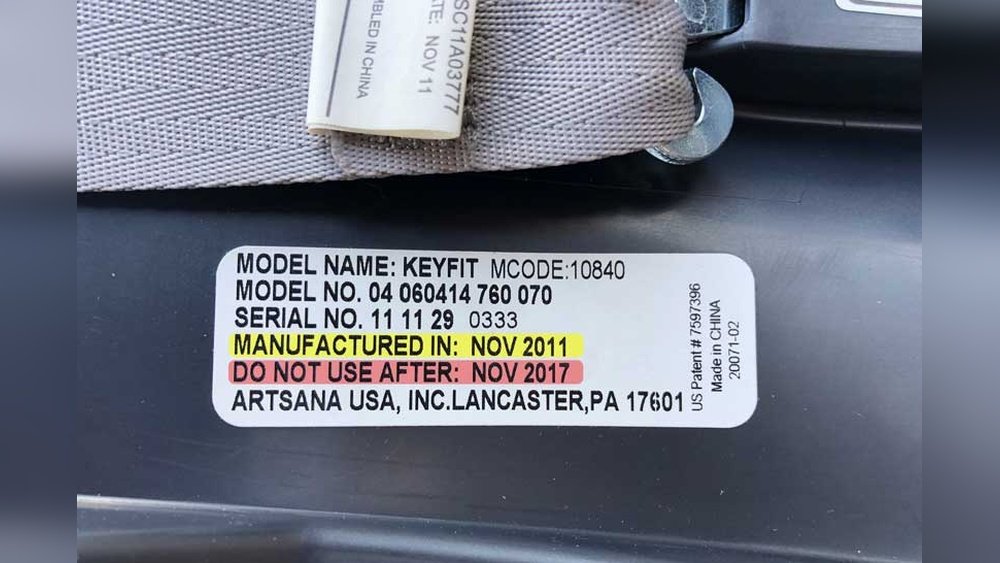
Are you wondering where to find the expiration date on your car seat? Knowing this date is crucial for your child’s safety.
Using an expired car seat can put your little one at risk without you even realizing it. You’ll discover exactly where to look for the expiration date, why it matters, and how to keep your child protected every time you hit the road.
Keep reading—you won’t want to miss these important safety tips.
Car Seat Expiration Basics
Car seats keep children safe during travel. Knowing about car seat expiration helps parents use them correctly. Car seat expiration basics explain why seats stop being safe after some time. Understanding these basics protects children from using old or unsafe car seats.
Why Seats Expire
Car seats expire because materials break down over time. Plastic parts can weaken and lose strength. Straps and buckles may wear out and stop working well. Safety rules also change, making old seats outdated. Using an expired seat can risk a child’s safety in a crash.
Typical Lifespan
Most car seats last about six years from the date made. Some last shorter or longer, depending on brand and model. Check the label or manual to find exact expiration dates. Never use a seat past its expiration date. Old seats may not protect children properly anymore.
Locating The Expiration Date
Finding the expiration date on a car seat is important for safety. The date tells you when the seat is no longer safe to use. Car seats have a limit on how long they can protect a child properly. Expired seats may fail during an accident.
Knowing where to find this date is the first step. It can be hidden or hard to see. The next sections explain common places to check for the expiration date. They also show how the manual can help.
Common Label Spots
The expiration date is usually on a label attached to the seat. Check the back of the seat or near the bottom. Some seats have the label under the padding or near the belt path.
The label may be a white sticker or sewn fabric tag. Look closely for words like “expiration,” “use by,” or “manufacture date.” The date might be a month and year or just a year.
Checking The Manual
The car seat manual always shows where to find the expiration date. It also explains how long the seat lasts. Manuals tell if the seat has a fixed expiration or changes by model.
If the label is missing or unreadable, the manual can help. It often lists the manufacture date. From that, you can calculate the expiration date using the seat’s lifespan.
Signs A Car Seat Needs Replacing
Knowing when to replace a car seat is very important for your child’s safety. Car seats do not last forever. Signs that a car seat needs replacing help you keep your child safe during every ride.
Physical Damage
Check the car seat for cracks or breaks. Even small damage can make the seat unsafe. Look closely at the plastic shell and frame. Damaged parts may fail during a crash. Also, check the straps for cuts or fraying. Worn straps cannot hold your child properly.
Missing Parts
Make sure the car seat has all its parts. Missing buckles, padding, or covers reduce protection. Without these parts, the seat may not work correctly. Always replace a car seat if important pieces are lost or broken. Missing parts are a clear sign to get a new seat.
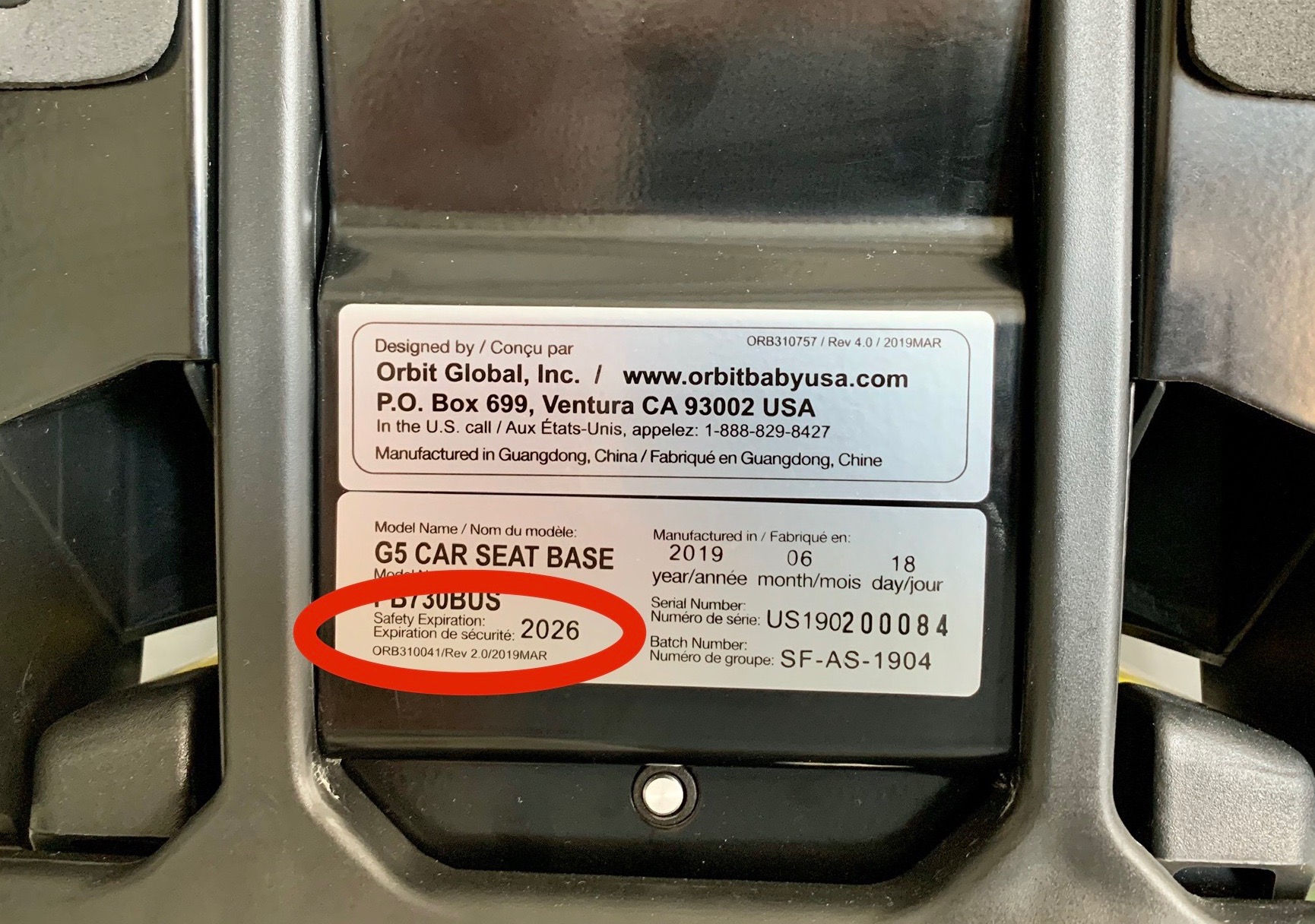
Credit: support.orbitbabyusa.com
Safety Risks Of Expired Seats
Expired car seats pose serious safety risks. Over time, key parts lose their strength. This can lead to poor protection during a crash. Understanding these risks helps keep children safe.
Material Degradation
Car seat materials break down with age. Plastic parts become brittle and crack easily. Foam padding loses its ability to absorb shocks. Harnesses may weaken and fail under stress. This wear reduces the seat’s safety performance.
Outdated Safety Standards
Older car seats may not meet current safety rules. Newer models include better crash protection. They use advanced materials and design improvements. Expired seats miss these important safety updates. Using them increases the chance of injury.
What To Do If You Can’t Find The Date
Sometimes, the car seat expiration date can be hard to find. It might be worn off or missing. Don’t worry. There are ways to find the date or get the information you need.
Contacting The Manufacturer
Call the car seat maker’s customer service. Have the model number and any serial numbers ready. They can tell you the expiration date or the seat’s age. This helps ensure your child’s safety.
Many manufacturers keep records for years. They can guide you on whether the seat is still safe to use. Always use official contacts from the company website.
Using Seat Model Information
Look for the model name and number on the seat. Use this info to search online for the seat’s lifespan. Many brands list expiration times on their websites or manuals.
Check for safety recalls and updates on the model. This info helps you know if the seat meets current safety rules. Even without a date, model details give valuable clues.
Credit: consumercare.coscokids.com
Tips For Extending Car Seat Use
Knowing how to extend your car seat’s use saves money and keeps your child safe. Proper care helps the seat last until its expiration date. Follow easy steps to keep your car seat in top shape.
Proper Cleaning
Clean the car seat regularly to keep it fresh and safe. Use mild soap and water for the fabric. Avoid harsh chemicals that can weaken the material. Wipe down plastic parts with a damp cloth. Let all parts dry completely before reassembling. Regular cleaning prevents dirt build-up and keeps the seat strong.
Safe Storage
Store the car seat in a cool, dry place when not in use. Avoid leaving it in direct sunlight or extreme heat. High temperatures can damage the plastic and straps. Keep the seat away from moisture to stop mold and mildew. Use a cover to protect it from dust. Good storage helps the seat last longer and stay safe.
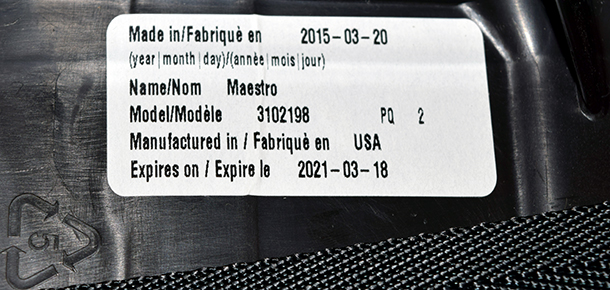
Credit: blog.cincinnatichildrens.org
Frequently Asked Questions
Where Is The Car Seat Expiration Date Located?
The expiration date is usually found on a sticker or embossed label. Check the back, bottom, or side of the car seat. It often includes the month and year the seat expires for safety reasons.
Why Do Car Seats Have Expiration Dates?
Car seats expire because materials degrade over time. Safety standards also change, making older seats less reliable. Using an expired seat may reduce crash protection and increase injury risk.
How Can I Read The Car Seat Expiration Date?
Look for a date formatted as month/year or month and year spelled out. It’s often near the model number and manufacturing date. If unclear, consult the car seat manual or manufacturer website.
What If My Car Seat Has No Expiration Date?
If no expiration date is visible, check the user manual or manufacturer website. Contact customer service for confirmation. Avoid using seats over six years old without verification.
Conclusion
Finding your car seat’s expiration date is easy once you know where to check. Look on the car seat’s label or molded plastic. The date shows how long the seat stays safe to use. Always use a seat that is not expired to keep your child safe.
Remember, old seats may not protect well in crashes. Check the date regularly and replace the seat on time. Safety matters most for your little one’s ride. Keep this tip in mind for every car seat you use.
