

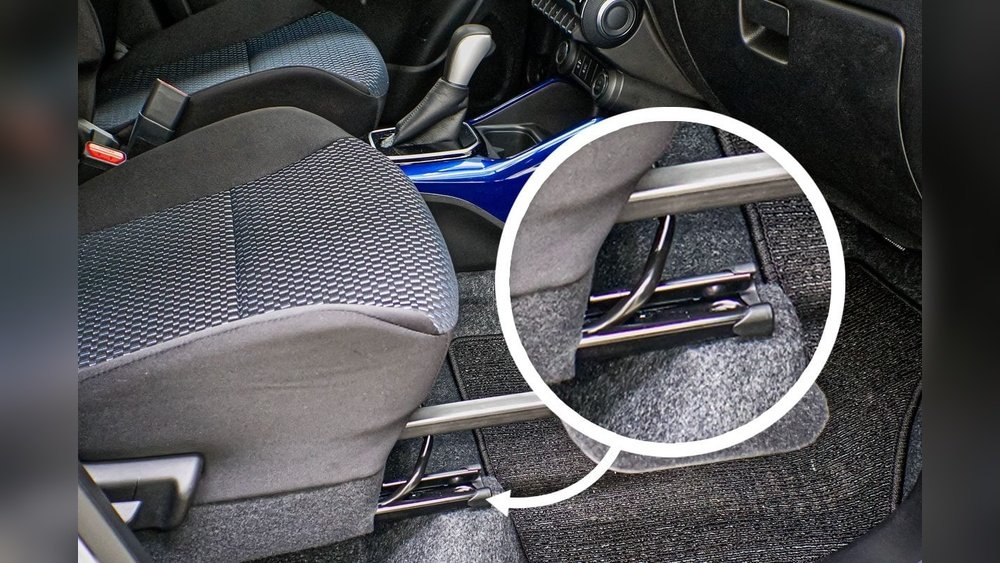
Are your car seat rails sticking or making annoying noises every time you move your seat? If so, you’re not alone—and the solution might be simpler than you think.
Using the right lubricant can make your seat slide smoothly again, saving you frustration and effort. But with so many options out there, which one is best for your car seat rails? You’ll discover exactly what to use to keep your seat rails working like new, so every drive feels comfortable and hassle-free.
Keep reading to find out how a small fix can make a big difference in your daily ride.
Types Of Lubricants For Car Seat Rails
Choosing the right lubricant for car seat rails is important. The right type keeps the rails moving smoothly. It prevents rust and wear. Different lubricants work best in different conditions. Some are thick and sticky. Others are light and dry. Knowing their features helps you pick the best one for your car seat rails.
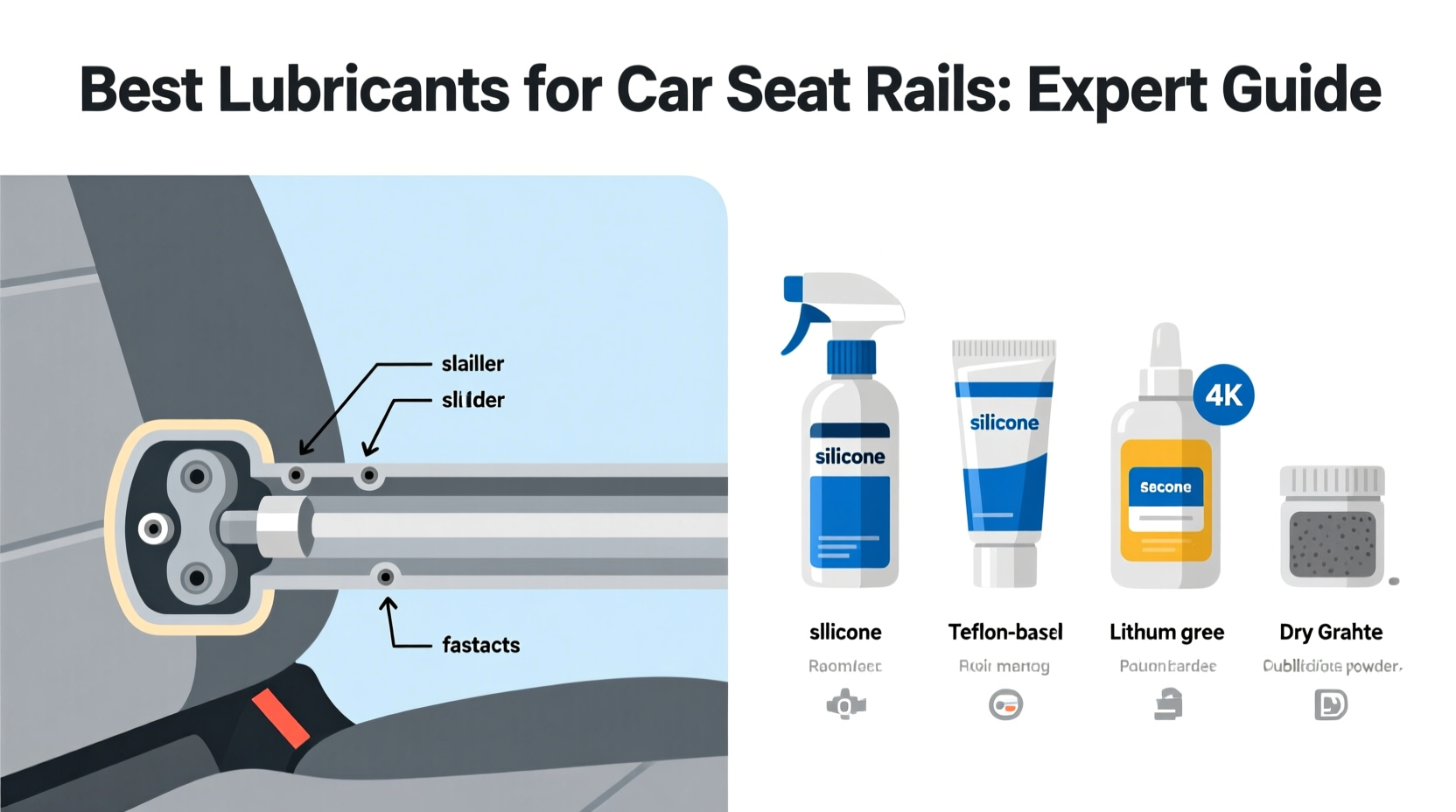
Silicone-based Lubricants
Silicone-based lubricants are water-resistant and flexible. They do not attract dust or dirt. These lubricants work well for plastic and metal parts. They keep the seat rails moving quietly. Silicone sprays dry fast and last long. They do not harm rubber or plastic components.
Lithium Grease
Lithium grease is thick and sticky. It sticks well to metal surfaces. This grease protects against rust and corrosion. It works well in extreme temperatures. It is perfect for heavy-duty use. The grease keeps the rails lubricated for a long time.
White Lithium Grease
White lithium grease is similar to lithium grease but cleaner. It has a white color and smooth texture. It stays on metal parts without dripping. This grease reduces friction and noise. It is good for car seat rails and hinges. It also prevents rust and wear.
Graphite Powder
Graphite powder is a dry lubricant. It works well in tight spaces and dusty places. It does not attract dirt or grime. Graphite powder reduces friction between metal parts. It is ideal for seat rails that need dry lubrication. This powder lasts long without needing reapplication.
Wd-40 And Multi-purpose Sprays
WD-40 and similar sprays clean and lubricate parts. They remove rust and moisture. These sprays are easy to use and widely available. They provide short-term lubrication. For long-lasting results, reapply them often. They are good for quick fixes and maintenance.

Credit: www.familyhandyman.com
Factors To Consider When Choosing Lubricants
Choosing the right lubricant for car seat rails matters a lot. It affects how smoothly the seat moves and how long the rails last. Not all lubricants work the same way. Some might leave a mess, while others wear off quickly. Picking the best one needs careful thought about certain key factors. These factors help you find a lubricant that works well and keeps the seat rails in good shape.
Durability And Longevity
Lubricants must last long on seat rails. A durable lubricant reduces the need for frequent re-application. It protects the metal parts from wear and tear over time. Choose one that can handle daily use without drying out or breaking down. This saves time and keeps the seat moving smoothly for months.
Temperature Resistance
Car interiors face wide temperature changes. Lubricants must stay effective in heat and cold. Some lubricants melt or harden with temperature shifts. Pick a product that works well in all seasons. This ensures the rails stay slippery and easy to adjust, no matter the weather outside.
Cleanliness And Residue
Some lubricants leave sticky or oily residue on rails. This can attract dust and dirt, causing more problems. Look for lubricants that stay clean and dry after application. A clean lubricant keeps the rails free from grime. It also prevents buildup that can block smooth seat movement.
Ease Of Application
Applying lubricant should be simple and quick. A lubricant that sprays or spreads easily saves effort. It helps reach tight spots in the seat rails. Avoid products that drip or require special tools. Easy application means better coverage and less mess.
Step-by-step Guide To Lubricating Seat Rails
Lubricating car seat rails helps seats move smoothly and last longer. This step-by-step guide explains how to do it safely and effectively. Follow these clear instructions to keep your car seats working well.
Preparing The Seat Rails
Start by moving the seat all the way forward and backward. This reveals the entire rail. Remove any dirt, dust, or old grease using a clean cloth. Use a brush to clear hard-to-reach areas. Make sure the rails are dry before applying lubricant.
Applying The Lubricant
Choose a lubricant made for metal parts, like silicone spray or white lithium grease. Spray or apply a thin, even layer along the entire length of the rail. Avoid over-applying to prevent dirt buildup. Cover all moving parts and joints for best results.
Testing And Adjusting
Move the seat forward and backward several times. Check for smooth motion and listen for any noise. If the seat feels stiff, apply a little more lubricant. Wipe off any excess to keep the area clean. Repeat until the seat moves easily.
Credit: carinterior.alibaba.com
Common Mistakes To Avoid
Keeping your car seat rails well-lubricated helps seats slide smoothly. Many people try to do this but make simple mistakes. These errors can damage the rails or make the problem worse. Avoiding common mistakes saves time and money.
Using The Wrong Lubricant
Not all lubricants fit car seat rails. Avoid using WD-40 or oil-based sprays. These can attract dirt and dust. Dirt builds up and blocks smooth seat movement. Use a silicone-based or white lithium grease for best results.
Over-application
Applying too much lubricant is a common problem. Excess lubricant can drip onto carpets or electronics. It also collects dirt, making rails sticky. Apply a thin, even layer only on the rails. Wipe off extra to keep things clean.
Ignoring Safety Precautions
Lubricating seat rails needs care. Avoid touching hot engine parts or sharp edges. Work in a well-ventilated area to avoid fumes. Wear gloves to protect your skin from chemicals. Follow product instructions for safe use.
Maintenance Tips For Smooth Seat Movement
Keeping car seat rails smooth helps you adjust seats easily and safely. Regular care stops jams and squeaks. A few simple steps protect your seat rails and improve comfort while driving.
Proper maintenance makes seat movement smooth and extends rail life. Focus on cleaning, lubricating, and checking for problems often.
Regular Cleaning
Dirt and dust block seat rails and cause rough movement. Wipe rails with a dry cloth every few weeks. Use a soft brush to remove stuck debris. Clean rails before adding lubricant. This helps the lubricant work better and last longer.
Periodic Lubrication
Apply lubricant to car seat rails every 3 to 6 months. Use a silicone spray or white lithium grease for best results. Avoid heavy oils that attract dirt. Spray lubricant evenly along the rail. Move the seat back and forth to spread it well.
Inspecting For Wear And Damage
Check seat rails for rust, cracks, or bent parts regularly. These issues cause stiff movement and can be unsafe. Replace damaged parts quickly to prevent bigger problems. Early fixes keep seats working smoothly and safely.
Eco-friendly And Diy Lubricant Options
Choosing the right lubricant for car seat rails can protect your vehicle and the environment. Eco-friendly and DIY lubricants offer safe, natural ways to keep seat rails smooth. These options avoid harmful chemicals while saving money. They also reduce waste and pollution.
Using natural or homemade lubricants helps maintain your car without risk to health or nature. Easy to find and simple to make, these lubricants work well for car seat rails. They keep rails sliding freely and prevent rust or damage.
Natural Oils
Natural oils like coconut, olive, or jojoba oil can lubricate seat rails gently. These oils reduce friction and prevent rust. They absorb quickly and do not attract dirt or dust. Apply a small amount with a cloth for best results. Natural oils are safe for car parts and the environment.
Homemade Lubricant Recipes
Mix simple ingredients to create your own lubricant at home. One recipe uses equal parts of olive oil and beeswax melted together. Let the mix cool and apply a thin layer to the rails. Another option blends vegetable oil with a small amount of graphite powder. These homemade lubricants offer good glide and protect metal parts. They are affordable and easy to make with common household items.

Credit: www.ebay.com
Frequently Asked Questions
What Is The Best Lubricant For Car Seat Rails?
The best lubricant for car seat rails is a silicone-based spray. It prevents rust, reduces friction, and keeps rails moving smoothly without attracting dirt.
Can Wd-40 Be Used On Car Seat Rails?
Yes, WD-40 can be used on car seat rails. It cleans and lubricates but may attract dust, so use it sparingly and wipe excess.
How Often Should You Lubricate Car Seat Rails?
Lubricate car seat rails every six months or when they feel stiff. Regular lubrication ensures smooth seat adjustments and prevents wear and tear.
Are Grease Or Oil Better For Car Seat Rails?
Silicone spray or light grease is better than heavy oil. Grease stays longer and protects rails without causing dirt buildup or stickiness.
Conclusion
Choosing the right lubricant keeps car seat rails moving smoothly. Use grease or silicone spray for best results. Avoid using oil, as it can attract dirt and dust. Regular lubrication prevents squeaks and wear on the rails. Clean the rails before applying lubricant for better performance.
Simple care extends the life of your car seats. Keep your driving comfortable and quiet with easy maintenance. Small steps make a big difference in car seat function.
