

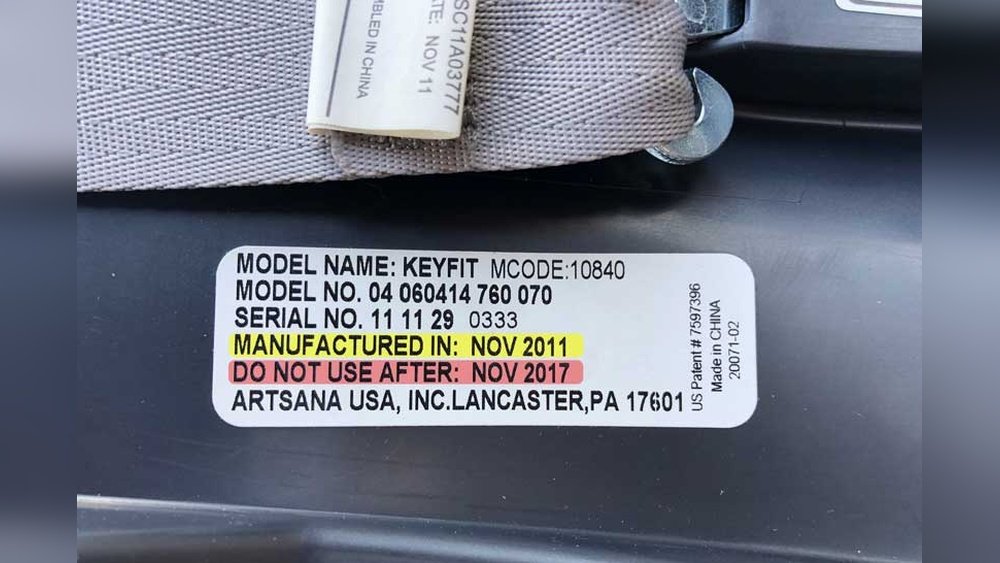
Have you ever wondered if your child’s car seat is still safe to use? Knowing where to find the expiration date on your car seat is crucial for your child’s safety.
Using an expired car seat can put your little one at risk, even if it looks fine. You’ll discover exactly where to look for the expiration date on any car seat. By the end, you’ll feel confident that your child is riding securely every time you hit the road.
Keep reading—your child’s safety depends on it.
Why Car Seat Expiration Matters
Car seats do not last forever. Over time, materials can weaken or break. Safety features may stop working properly. Using an expired car seat can put your child at risk.
Manufacturers set expiration dates based on safety tests. These dates ensure the car seat protects your child well. An expired car seat may fail in a crash. It may not keep your child secure.
Knowing the expiration date helps you keep your child safe. It also tells you when to replace the car seat. Safety is the top priority for every parent.
Material Wear And Tear
Plastic parts can crack or become brittle over time. Straps may lose strength or fray. Foam padding may compress or break down. These changes reduce the car seat’s ability to protect.
Changes In Safety Standards
Safety rules improve over the years. New car seats meet higher standards. Older seats may not have the latest safety features. Expired seats might not protect well in modern crashes.
Recall And Damage Risks
Expired car seats may be harder to check for recalls. Over time, damage can go unnoticed. Invisible damage weakens the seat’s structure. This increases danger in an accident.
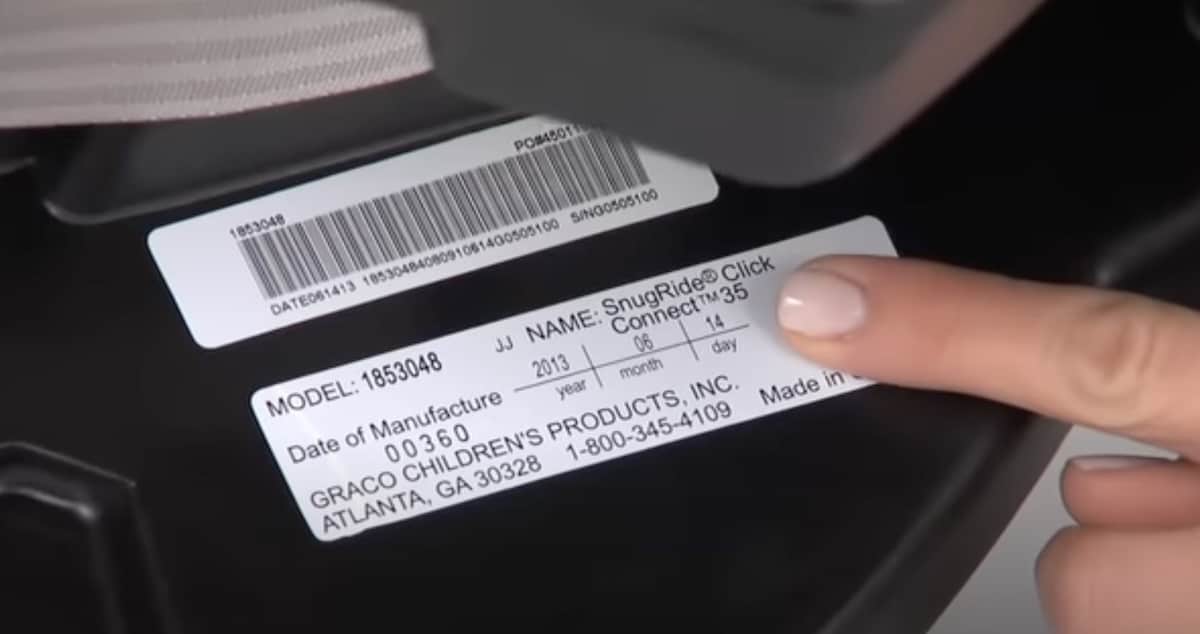
Credit: southernmaineonthecheap.com
Common Expiration Locations
Finding the expiration date on a car seat is important for safety. Car seats wear out over time. Manufacturers put expiration dates in specific places. Knowing where to check helps you keep your child safe.
Labels On The Seat Frame
Many car seats have a label on the metal or plastic frame. This label often shows the expiration date clearly. It might be on the side or back of the frame. Look carefully for printed dates or codes.
Stickers On The Base
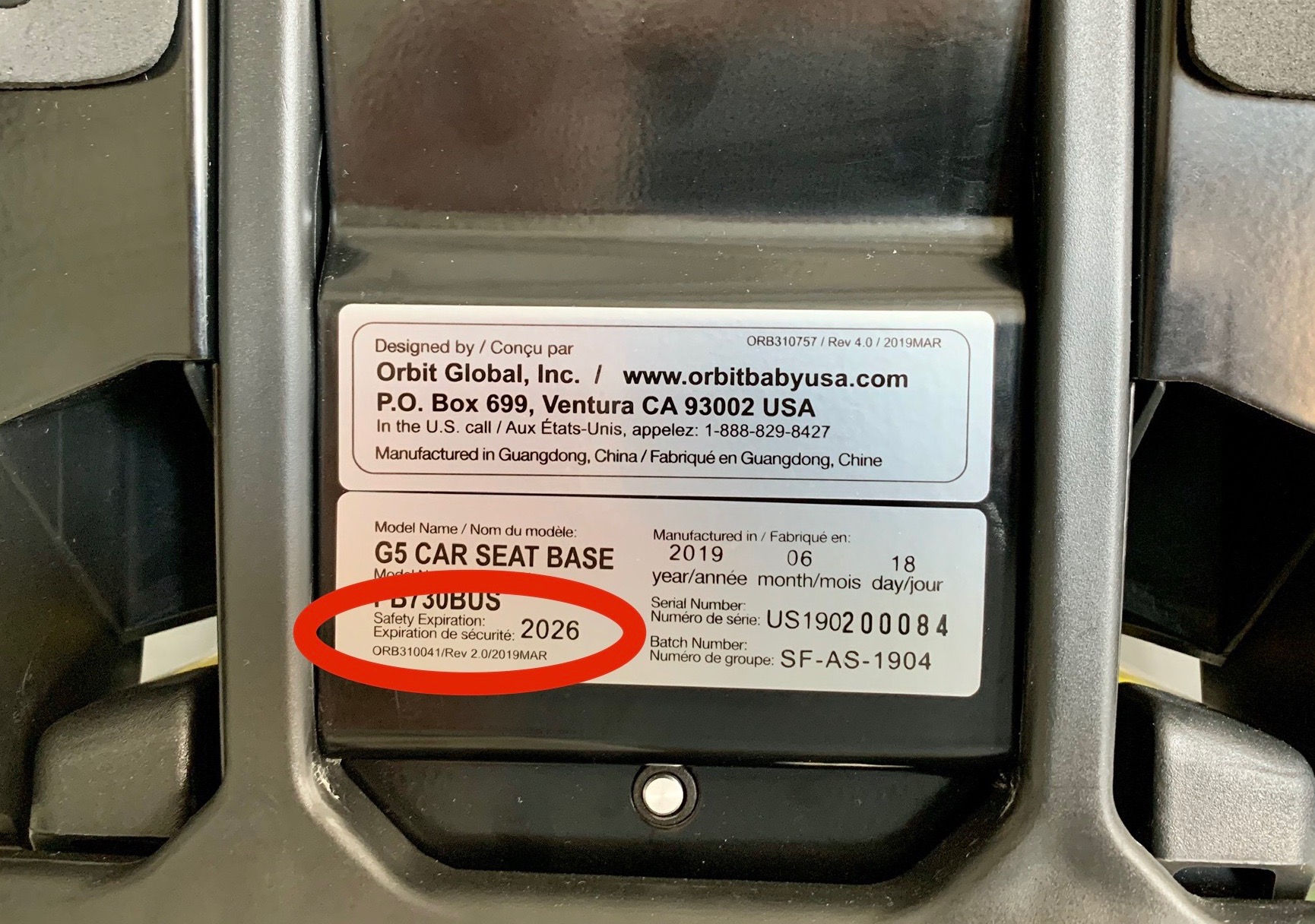
The base of the car seat sometimes has a sticker with expiration details. This sticker is usually easy to spot. It may include the manufacture date and expiration date. Check the base every time you clean the seat.
Stamped Numbers On The Seat
Some car seats have the expiration date stamped into the plastic. This number might be hard to see at first. Use a flashlight to help find it. It is often near the bottom or under the seat.
Inside The Seat Cover
Look under or inside the seat cover for a tag. This tag can have important safety information. The expiration date might be printed here. Gently remove or lift the cover to check.
How To Read Expiration Dates
Reading expiration dates on car seats is important for safety. These dates tell you how long the seat stays safe for your child. Understanding how to find and read these dates helps you avoid using an expired seat. Expired seats may not protect your child properly.
Date Formats To Expect
Car seat expiration dates come in different formats. Often, you see a month and year, like “05/2026.” This means May 2026 is the last safe month to use the seat. Some seats show a full date, such as “05-15-2026,” meaning May 15, 2026. Always check your car seat label carefully to find the correct format.
Interpreting Manufacture Vs Expiry Dates
The manufacture date is when the seat was made. It looks like “Manufactured on 03/2021.” Expiry dates show when the seat is no longer safe to use. Sometimes, the expiry date is printed directly. Other times, you add a number of years to the manufacture date. For example, if the seat expires 6 years after manufacture, add 6 years to 03/2021. This means the seat expires in 2027. Knowing the difference helps you keep your child safe.
Factors Influencing Expiration
Car seats do not last forever. Various factors affect their expiration dates. Understanding these factors helps keep children safe. Knowing why car seats expire helps parents choose the right time to replace them.
Material Wear And Tear
Car seats face daily use and stress. The fabric, straps, and plastic parts weaken over time. Constant exposure to children’s movements causes wear. Straps may fray, and plastic can crack. These damages reduce the seat’s ability to protect.
Safety Standard Updates
Safety rules change as new research appears. Car seat manufacturers update designs to meet new laws. Older seats may lack important safety features. Using an expired seat might mean missing out on better protection. Newer seats often have improved crash protection and better materials.
Environmental Impact
Heat, sunlight, and moisture affect car seats. High temperatures can weaken plastic and adhesives. Sunlight can fade colors and damage fabric. Humidity may cause mold or mildew to grow. These changes reduce the seat’s strength and safety over time.
What To Do After Expiration
Car seats have expiration dates for safety reasons. After this date, the materials may weaken. The seat might not protect your child well in a crash. Knowing what to do after expiration is important for your child’s safety.
Replacing Your Car Seat
Replace the car seat as soon as it expires. Do not use an expired seat. Buy a new one that fits your child’s age and size. Check for the latest safety standards. A new seat ensures better protection on the road.
Safe Disposal Methods
Dispose of the old car seat carefully. Cut the straps to stop reuse. Remove the padding and plastic parts. Drop it off at a recycling center if possible. Avoid throwing it in the trash without disabling it. This prevents others from using an unsafe seat.
Credit: consumercare.coscokids.com
Tips To Extend Car Seat Lifespan
Extending the lifespan of your car seat helps keep your child safe and saves money. Proper care can delay the need for replacement. Simple habits protect the seat’s material and structure. Follow these tips to make your car seat last longer.
Proper Cleaning
Clean the car seat regularly using mild soap and water. Avoid harsh chemicals that damage fabric and plastic. Remove covers and wash them by hand or machine if allowed. Let all parts dry completely before reassembling. Keeping the seat clean prevents wear and tear.
Avoiding Sun Damage
Sunlight can weaken the car seat’s materials over time. Park in shaded areas or use a sunshade inside the car. Cover the seat with a light cloth when not in use. Protecting the seat from sun helps maintain its strength and color.
Regular Inspections
Check the car seat often for cracks, loose parts, or frayed straps. Inspect the buckles to ensure they work properly. Tighten any loose screws or fittings. Early detection of problems keeps the seat safe and extends its life.
Credit: support.orbitbabyusa.com
Frequently Asked Questions
Where Is The Car Seat Expiration Date Located?
The expiration date is usually found on a sticker or molded into the plastic shell. Check the back or bottom of the car seat. Some models also have it on the label attached to the seat fabric. Always verify this date before use.
Why Do Car Seats Have Expiration Dates?
Car seats expire to ensure safety and effectiveness. Materials degrade over time, reducing crash protection. Manufacturers also update safety standards, making old seats outdated. Using expired seats can risk your child’s safety during accidents.
How Long Do Car Seats Typically Last?
Most car seats last between 6 to 10 years. The exact lifespan depends on the model and manufacturer. Always check the expiration date on your specific car seat to ensure it is still safe to use.
Can I Still Use A Car Seat After Its Expiration?
No, using an expired car seat is unsafe. Materials weaken and crash protection diminishes. Expired seats may not meet current safety standards. Replace the car seat once it passes the expiration date to keep your child safe.
Conclusion
Finding the expiration date on a car seat keeps your child safe. Usually, it is on a label or molded into the plastic. Check near the bottom or the back of the seat. Never use a car seat past its expiration date.
Old seats may not protect well in crashes. Always read the manual for exact details. Remember, safety comes first. Keep your child secure with a valid, up-to-date car seat. Simple checks can make a big difference. Stay informed and drive safely every time.
