

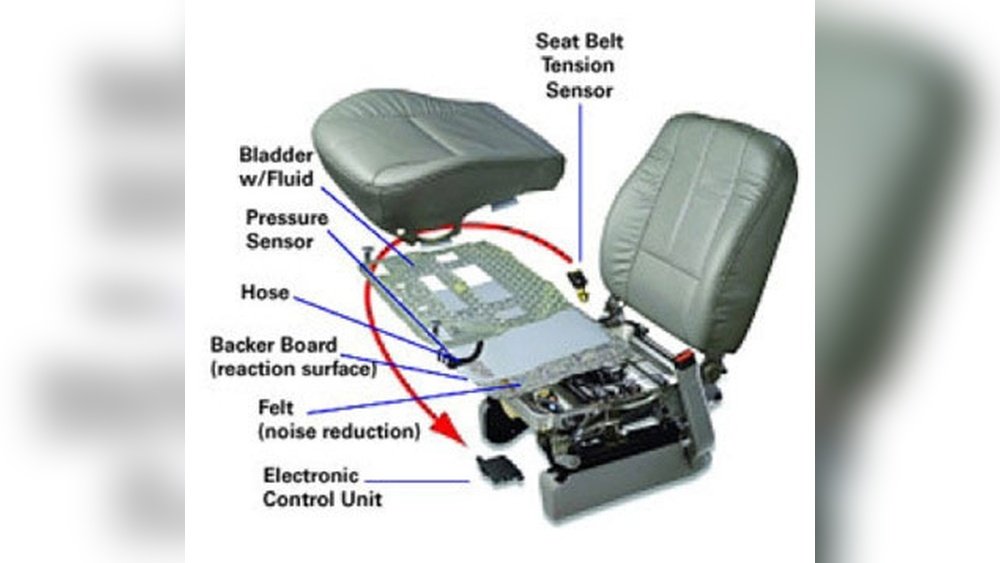
Have you ever wondered how your car knows when someone is sitting in the passenger seat? That’s where the seat sensor comes in.
This small but powerful device plays a big role in keeping you and your passengers safe. Understanding what a seat sensor is and how it works can help you feel more confident every time you get behind the wheel. Keep reading to discover how this smart technology protects you and why it matters for your car’s safety system.
Credit: www.vmanx.com
Role Of Seat Sensors
The role of seat sensors in a car is vital for safety and comfort. These sensors detect if a seat is occupied. They help the car decide how to react during a crash. Seat sensors work quietly but play an important part. They improve the overall safety system of the vehicle.
Understanding their functions helps drivers appreciate modern car safety features. Let’s explore how seat sensors detect presence, trigger airbags, and enhance safety.
Detecting Occupant Presence
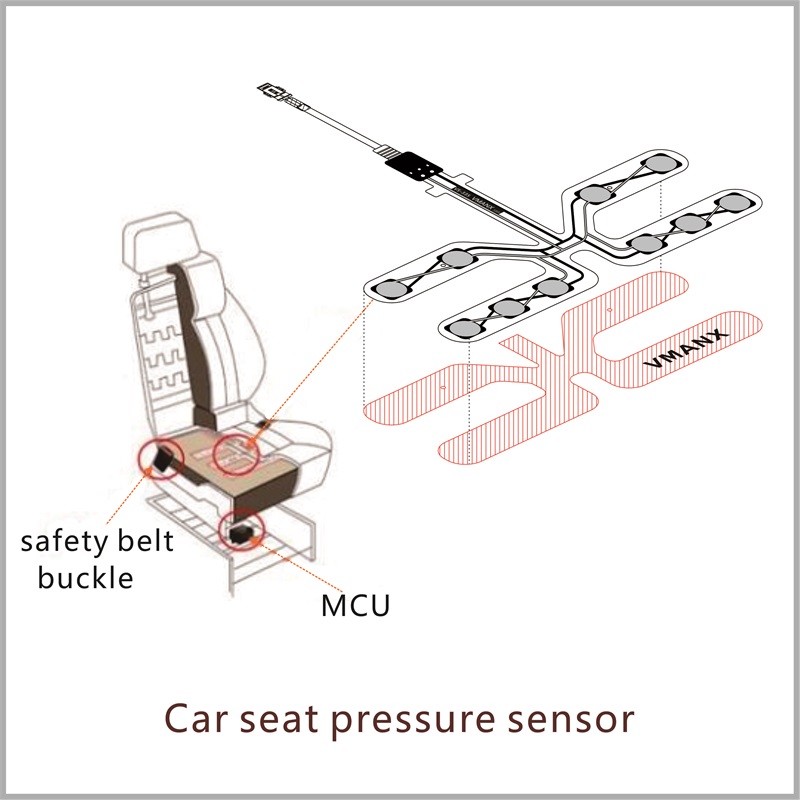
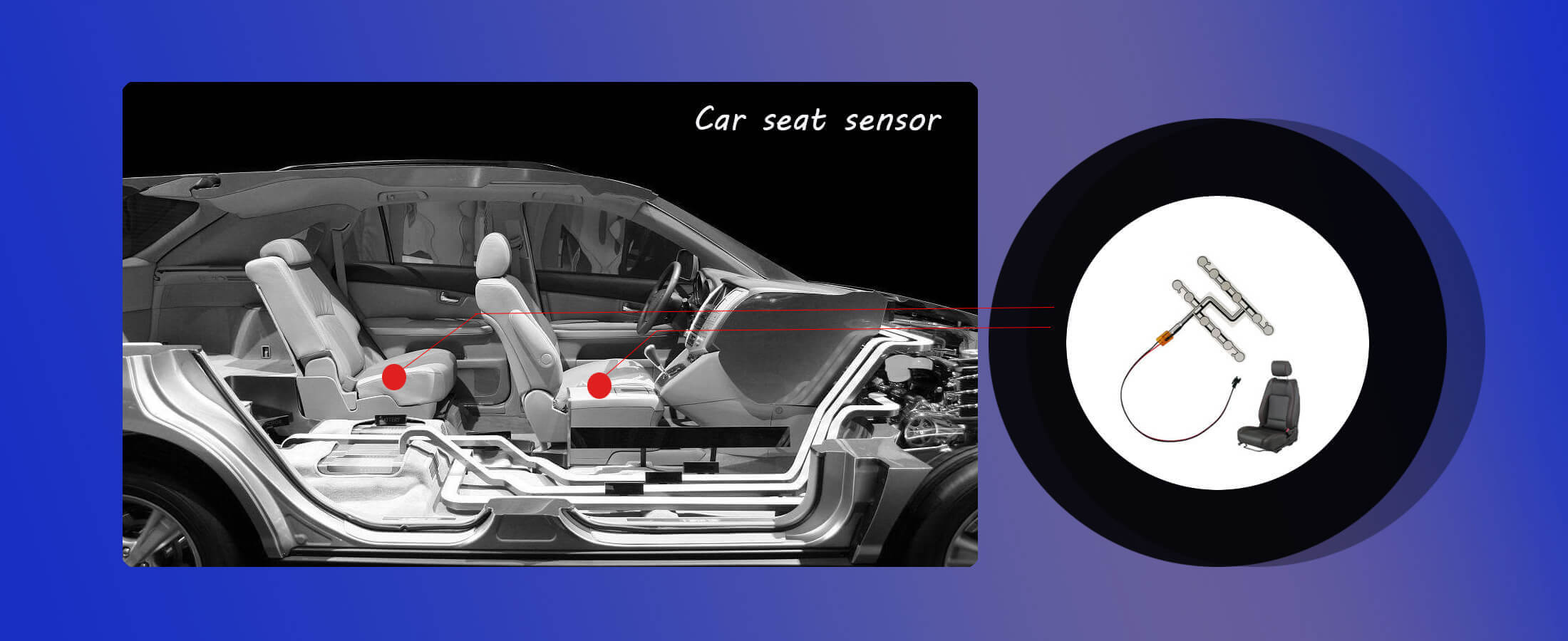
Seat sensors detect if someone is sitting in the seat. They use pressure or weight sensors hidden under the seat cover. This information tells the car if the seat is empty or occupied. The system can adjust airbags and seatbelt reminders accordingly. It also helps avoid false alarms when no one is there.
Triggering Airbag Deployment
Seat sensors guide the airbag system during accidents. If the seat is occupied, the sensor signals the airbag to deploy. If the seat is empty, airbags stay off to prevent unnecessary deployment. This reduces injury risk from airbags. The sensor helps save lives by ensuring airbags work only when needed.
Enhancing Passenger Safety
Seat sensors improve passenger safety by customizing airbag force. They detect the size and weight of the occupant. This data adjusts how airbags inflate in a crash. It prevents airbags from hitting small or light passengers too hard. Seat sensors work with other safety features to protect everyone inside.
Types Of Seat Sensors
Seat sensors in cars help detect if someone is sitting in the seat. They improve safety by controlling airbags and seatbelt alerts. Different types of seat sensors work in various ways to sense presence and weight.
These sensors are key parts of modern car safety systems. Understanding their types helps you know how they function inside your vehicle.
Pressure Sensors
Pressure sensors detect the force applied on the seat surface. They use thin films or mats under the seat cover. When a person sits, the sensor feels pressure and sends a signal.
This type is common because it is simple and effective. It can tell if a seat is occupied or empty. Pressure sensors help activate airbags only when needed.
Weight Sensors
Weight sensors measure the actual weight on the seat. These sensors use load cells or strain gauges. They provide more precise data than pressure sensors.
Weight sensors help distinguish between an adult, child, or heavy object. This information adjusts airbag deployment to improve safety. Cars with weight sensors offer better protection for all passengers.
Capacitive Sensors
Capacitive sensors detect changes in the electric field around the seat. They sense the presence of a person without direct pressure. These sensors use electrodes placed inside the seat cushion.
Capacitive sensors work well in detecting small movements or presence. They are less affected by seat covers or objects on the seat. This makes them useful in modern car designs.
How Seat Sensors Work
Understanding how seat sensors work helps explain their role in car safety. These sensors detect whether a seat is occupied. They send important information to the vehicle’s safety system. This process happens quickly and accurately to protect passengers.
Sensor Activation Mechanism
Seat sensors activate by sensing pressure or weight on the seat. They use special materials that change when someone sits down. This change triggers the sensor to send a signal. The sensor only activates with enough weight to confirm occupancy.
Data Processing And Signal Transmission
Once activated, the sensor sends data to the car’s computer. The computer processes this data to understand if the seat is occupied. It checks the signal for accuracy and timing. Then, the system decides the next action based on this information.
Integration With Vehicle Safety Systems
Seat sensors connect directly with safety features like airbags. If the seat is empty, airbags may not deploy for that seat. If occupied, airbags adjust their deployment based on weight and position. This integration helps improve passenger safety during crashes.
Credit: www.fsrtek.com
Benefits Of Seat Sensors
Seat sensors in cars offer several important benefits. They enhance safety and improve the overall driving experience. These sensors detect if a seat is occupied and adjust safety systems accordingly. This helps protect passengers more effectively and reduces risks during accidents.
Reducing Airbag Injuries
Seat sensors help control airbag deployment. They detect if a seat is empty or occupied. If no one is sitting, the airbag stays off. This prevents unnecessary airbag deployment, which can cause injuries. The sensors also adjust airbag force depending on the passenger’s weight. This reduces harm from airbags in crashes.
Improving Child Safety
Seat sensors detect child seats and small passengers. They make sure airbags do not deploy with children inside. This lowers the risk of injury to young passengers. The sensors also alert drivers if a child is left alone in the car. This feature helps prevent heatstroke and other dangers.
Supporting Advanced Safety Features
Seat sensors work with other safety technologies. They help systems like seat belt reminders and crash detection. This integration improves vehicle safety responses. Sensors provide accurate data about passenger presence and position. Cars can then react faster and more precisely in emergencies.
Common Issues And Maintenance
The seat sensor plays a key role in car safety systems. It detects if someone sits in the seat and controls airbags and alarms. Problems with this sensor can affect car safety. Regular checks and care help keep it working well.
Sensor Malfunctions
Seat sensors may stop working due to dirt or spills on the seat. Worn-out wiring or connectors can cause faults. Sometimes, the sensor might send wrong signals. This can trigger airbags unnecessarily or fail to activate them.
Troubleshooting Tips
Start by cleaning the seat surface gently. Check for any visible damage to wires under the seat. Restart the car to reset the sensor system. Use the car’s manual to find any error codes. Simple steps can often fix minor sensor issues.
When To Seek Professional Help
Persistent warning lights on the dashboard need expert attention. If airbags do not deploy during a test, visit a mechanic. Avoid driving if the sensor causes false alarms often. Professionals have the tools to diagnose and repair safely.
Future Developments
Seat sensors in cars are evolving fast. New technology will make them smarter and more useful. These changes will improve safety and comfort for passengers.
Smart Seat Sensors
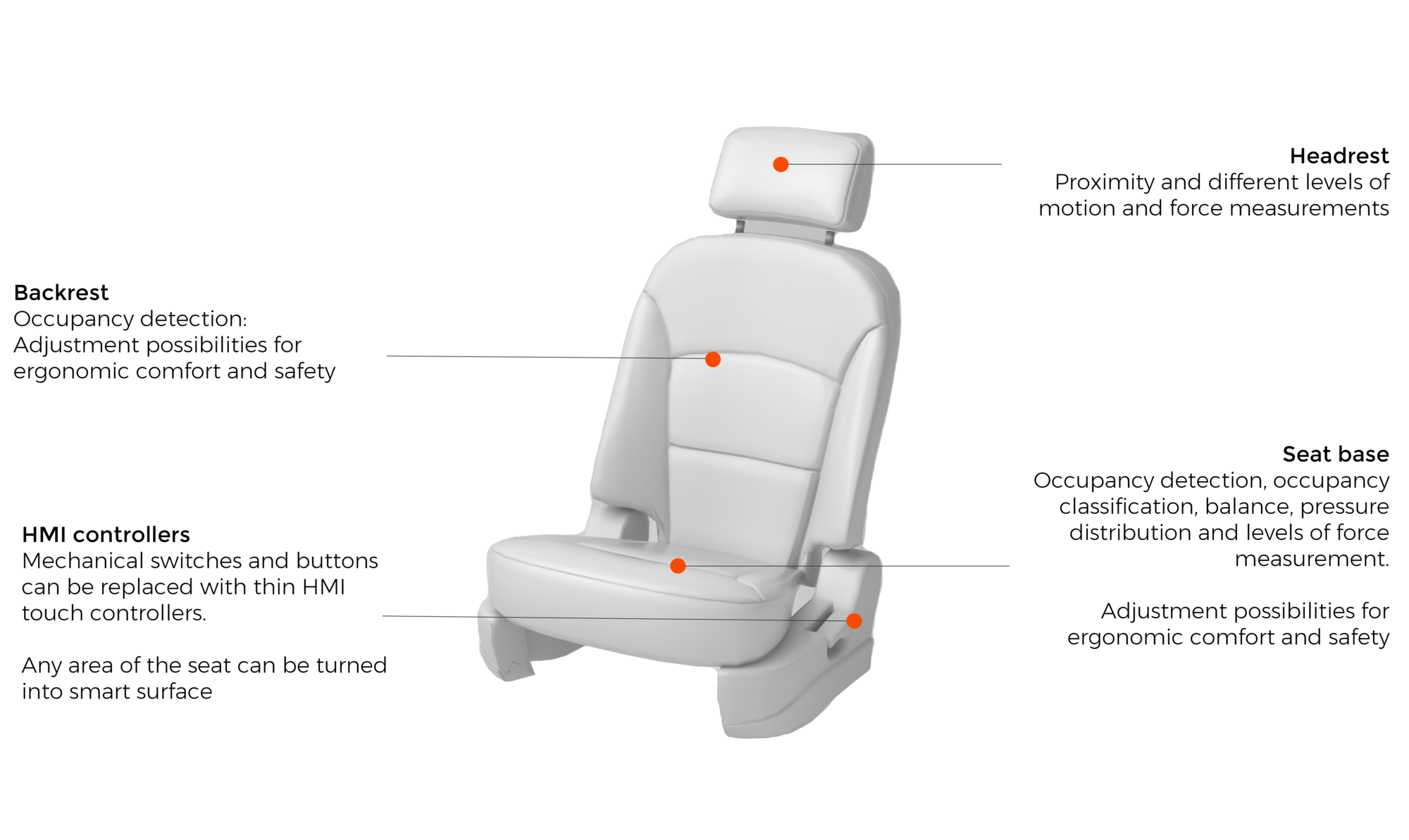
Future seat sensors will detect more than just weight. They will sense body position and movement. This helps adjust seats automatically for better comfort. Sensors may also check if passengers are alert or tired.
Integration With Autonomous Driving
Seat sensors will work with self-driving car systems. They will monitor if passengers are ready to take control. This can help the car know when to hand over driving safely. Sensors may also adjust seats for different driving modes.
Enhanced Passenger Monitoring
New sensors will keep track of each passenger’s health and safety. They can detect if a child or pet is left alone in the car. This can send alerts to avoid dangerous situations. Monitoring may include checking heart rate or breathing for emergencies.
Credit: www.forciot.com
Frequently Asked Questions
What Does A Seat Sensor Do In A Car?
A seat sensor detects if someone is sitting in the seat. It helps control airbag deployment for safety. This sensor also manages seatbelt warnings and adjusts comfort features automatically.
Why Is A Seat Sensor Important For Safety?
Seat sensors ensure airbags deploy only when the seat is occupied. This prevents unnecessary airbag inflation, reducing injury risks. They also trigger seatbelt alerts, encouraging proper restraint use.
How Does A Car Seat Sensor Work?
The sensor uses pressure or weight detection to identify occupancy. When pressure is applied, it sends a signal to the car’s safety system. This activates airbags and seatbelt reminders accordingly.
Can A Faulty Seat Sensor Affect Airbag Deployment?
Yes, a malfunctioning seat sensor can prevent airbags from deploying. It might also cause airbags to inflate unnecessarily. Regular maintenance helps ensure the sensor works correctly.
Conclusion
A seat sensor helps keep car passengers safe. It detects if someone is sitting in the seat. This information controls airbag deployment and seatbelt alerts. Seat sensors also prevent false warnings when the seat is empty. They work quietly and without needing your attention.
Understanding seat sensors can help you appreciate your car’s safety features. They are small parts with an important job. Next time you drive, remember how these sensors protect you. Safety matters, and seat sensors play a key role.
