

You want to keep your child safe every time they ride in the car. But have you ever stopped to think about how long your car seat is actually good for?
Using a car seat past its expiration date can put your child at risk without you even realizing it. Knowing exactly how many years till a car seat expires can help you avoid dangerous mistakes and keep your little one protected.
Keep reading to find out what you need to know about car seat expiration and why it matters more than you might think.

Credit: www.pampers.com
Car Seat Lifespan
Car seats keep children safe during travel. They protect kids in case of sudden stops or accidents. Knowing how long a car seat lasts is very important. Parents should check the lifespan to avoid using expired seats. Expired car seats might not work well and can be unsafe.
Typical Expiration Period
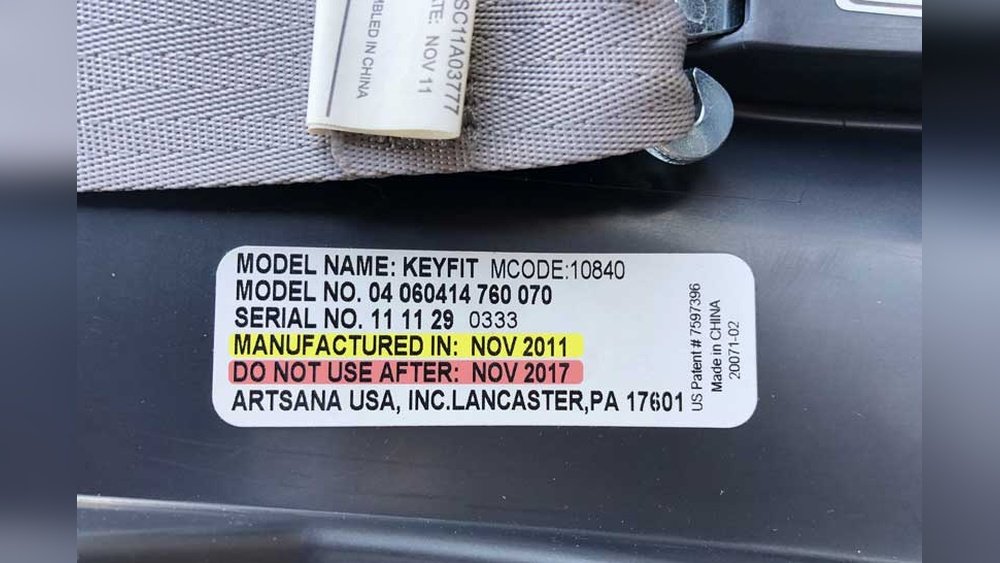
Most car seats last between 6 and 10 years. This period depends on the brand and model. The expiration date is usually on a sticker or molded into the seat. Using a car seat past its expiration date is risky. Parts can wear out or break over time. Safety standards also change, making old seats outdated.
Factors Affecting Durability
Heat and sunlight can damage car seats quickly. Plastic parts may become brittle and weak. Frequent use can wear down straps and buckles. Accidents or crashes can harm the seat’s structure. Cleaning with harsh chemicals can reduce material strength. Proper storage helps keep the seat in good shape. Checking for cracks or broken parts is key to safety.
Safety Risks Of Expired Seats
Expired car seats pose serious safety risks for children. Over time, these seats lose their ability to protect effectively. Using an old car seat may expose a child to higher injury risks during a crash. Understanding these risks helps parents keep their kids safe.
Material Degradation
Car seats contain plastic and foam parts that weaken over time. Sunlight, heat, and wear break down these materials. Cracks and brittleness reduce the seat’s strength. In a crash, weakened parts can fail to absorb impact properly. This makes the seat unsafe for use.
Outdated Safety Standards
Safety rules improve regularly as technology advances. Older car seats may lack new safety features. They might not fit well with modern vehicles and seat belts. Using outdated seats means missing out on better protection. Choosing a current car seat ensures meeting the latest safety standards.
Locating Expiration Dates
Car seats do not last forever. They have expiration dates to keep children safe. Finding these dates is important before using any seat. The expiration shows when the seat might stop protecting well. It also tells you if the seat meets safety rules.
Expiration dates can be hidden or hard to find. Knowing where to look saves time and trouble. This section helps you find the date on most car seats. Learn where labels are and how to read the codes.
Common Label Locations
Look for labels on the car seat’s back or bottom. Sometimes under the seat cushion is a good place. Check the side of the seat near the belt path. The label may be sewn into the fabric or plastic.
Some seats have stickers on the frame or metal parts. The date can be near the manufacturer’s name or model number. Always check multiple spots to be sure. Dirt or wear can hide the label.
Reading The Date Code
The date is often in a month and year format. It may say “EXP” or “Expires” followed by numbers. For example, “EXP 08/2027” means it expires in August 2027. Sometimes only the manufacturing date is shown.
If only the manufacture date is given, add six or ten years. The exact lifespan depends on the brand and model. Check the manual or company website for details. Knowing how to read codes keeps your child safe.
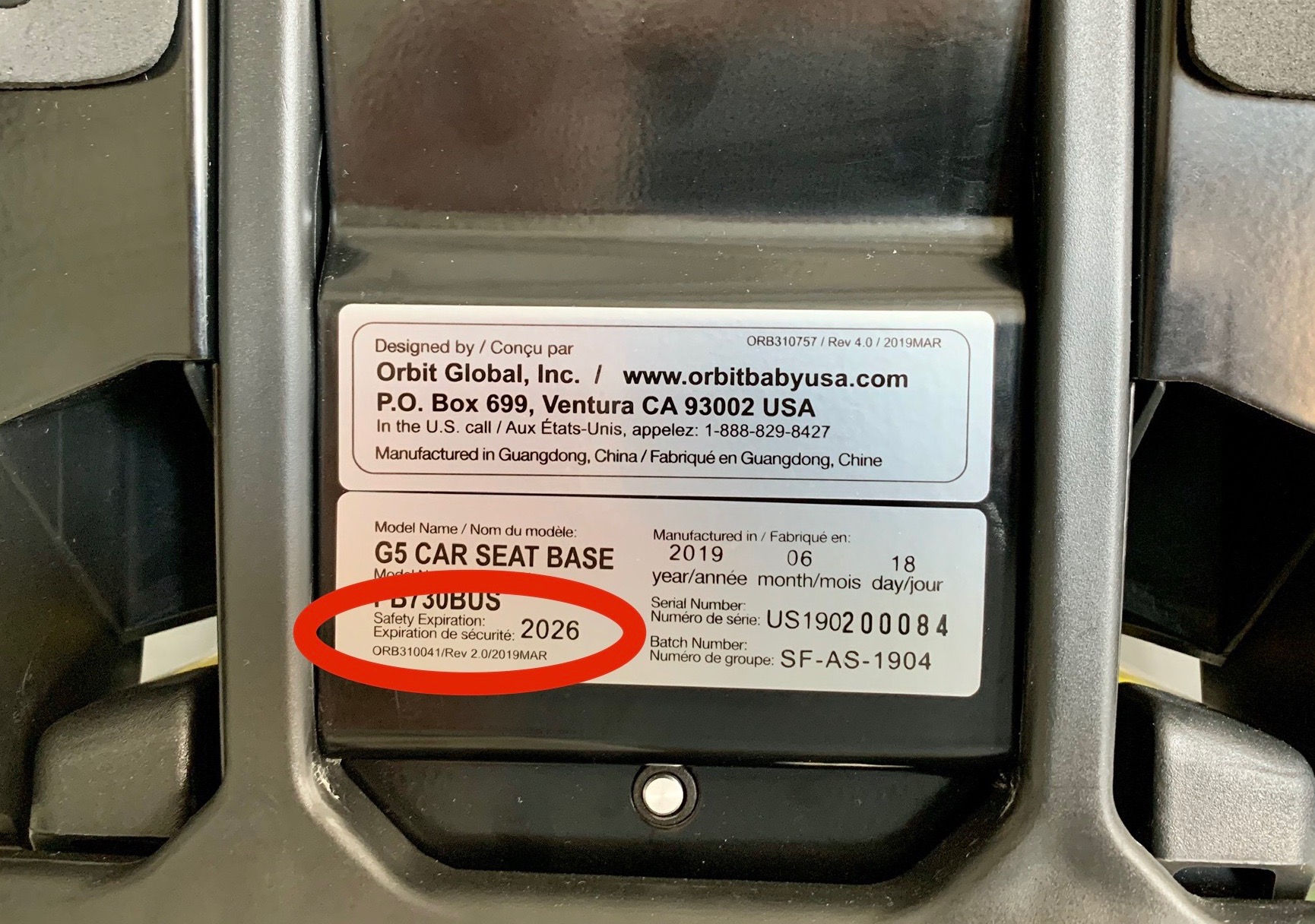
Credit: support.orbitbabyusa.com
Manufacturer Guidelines
Manufacturer guidelines tell you how long a car seat lasts. Each car seat comes with a label or booklet. These show the expiration date or years of use. Following these rules helps keep your child safe. Car seats wear out over time. Materials break down, and safety features may fail. Using a car seat past its expiry can be risky.
Why Follow Them
Car seat makers test their products carefully. They know how long each seat stays strong. The expiration date is not random. It is based on safety tests and materials used. Using a seat after this date may reduce protection in a crash. Also, parts can become hard to use or broken. Following guidelines means your child uses the safest seat possible.
Variations Among Brands
Different brands set different expiration times. Some last six years, others up to ten. The type of seat also affects the lifespan. Infant seats often expire sooner than boosters. Check the label or manual for exact details. Never guess or use a seat without checking. Each brand’s rules help keep your child safe in their car seat.
Signs To Replace A Car Seat
Knowing when to replace a car seat is very important for your child’s safety. Car seats have a limited lifespan. Signs that show a car seat needs replacing help keep kids safe.
Car seats can wear out over time. Some problems are easy to spot. Others need careful checking. Watching for these signs helps avoid risks on the road.
Visible Damage
Check the car seat for cracks or breaks in the plastic. Bent or broken parts can make the seat unsafe. Look for worn or torn straps. Frayed straps might not hold your child securely. Padding that is thin or missing reduces protection. Clean the seat, but avoid harsh chemicals that weaken materials.
After A Crash
Any car seat involved in a crash needs replacing. Even small crashes can damage the seat’s structure. Invisible cracks or weakened parts reduce safety. Manufacturers say to replace seats after an accident. Using a damaged seat puts your child at great risk. Always follow the car seat maker’s instructions about crashes.
Proper Car Seat Maintenance
Proper car seat maintenance keeps your child’s seat safe and durable. It helps extend the life of the car seat. Regular care prevents damage and wear over time.
Maintaining the car seat also means it stays clean and comfortable. A well-kept seat ensures your child’s safety during every ride.
Cleaning Tips
Remove the car seat cover carefully before washing. Use mild soap and warm water for cleaning. Avoid harsh chemicals that can damage the fabric or plastic. Wipe straps with a damp cloth only. Let all parts dry completely before reassembling. Clean regularly to avoid dirt build-up and stains.
Storage Recommendations
Store the car seat in a dry, cool place away from sunlight. Avoid damp areas to prevent mold and mildew. Keep it away from sharp objects that can cause tears. Use a protective cover if storing for a long time. Do not store in a garage or attic with extreme temperatures. Proper storage helps maintain the seat’s strength and appearance.
Choosing A New Car Seat
Picking a new car seat means more than just style or color. Safety is the top priority. A good car seat protects your child in case of a crash. It must fit your child well and meet safety rules.
Car seats have expiration dates. After that, they may not protect your child properly. Choosing a seat with the latest safety features and correct size helps keep your child safe.
Latest Safety Features
Modern car seats include many safety improvements. Side-impact protection cushions your child’s head and chest. Energy-absorbing foam reduces crash forces. Some seats have adjustable headrests and harnesses for a better fit. Look for seats that pass strict safety tests. These features lower injury risks during accidents.
Age And Weight Compatibility
Car seats fit children of different ages and sizes. Choose one that matches your child’s current weight and height. Rear-facing seats suit infants and small toddlers best. Forward-facing seats work for older toddlers and preschoolers. Booster seats help older kids use seat belts correctly. Follow the manufacturer’s guidelines to ensure a proper fit.

Credit: www.gracobaby.com
Frequently Asked Questions
How Long Do Car Seats Usually Last?
Car seats typically expire after 6 to 10 years. This varies by brand and model. Always check the manufacturer’s label for the exact expiration date to ensure safety.
Why Do Car Seats Have Expiration Dates?
Car seats expire because materials degrade over time. Plastic can weaken, and safety features may fail. Expiration ensures the seat remains safe and effective.
Can Expired Car Seats Still Be Used Safely?
No, using expired car seats is unsafe. The structural integrity and safety features may be compromised. Always replace car seats after their expiration date.
How To Find A Car Seat’s Expiration Date?
Check the label or molded date on the car seat. Manufacturers usually place this on the back or bottom. The expiration date is often 6 to 10 years from the manufacture date.
Conclusion
Car seats do not last forever. Most expire after six to ten years. Check the label for the exact date. Expired seats might not protect your child well. Cracks, worn straps, or missing parts are warning signs. Always replace a car seat after an accident.
Safety is the top priority for every ride. Keep your child secure by using a valid seat. Regularly inspect and update your car seat as needed. Staying informed helps you keep your little one safe.
