

Are you confused about how many car seats you really need for your kids? Choosing the right number can feel overwhelming, especially with safety rules changing and your family growing.
But knowing exactly what you need is crucial to keep your little ones safe and secure every time you hit the road. You’ll discover clear answers and practical tips to make the best decision for your family. Keep reading, because getting this right could save you time, money, and most importantly, give you peace of mind.
Factors Influencing Car Seat Needs
Choosing the right number of car seats depends on several important factors. These factors help ensure every child travels safely and comfortably. Understanding them makes the decision easier and clearer.
Number Of Children
The total number of children in the car directly affects how many car seats you need. Each child under the age of 8 usually requires a car seat or booster. If you have twins or triplets, you will need multiple seats. Planning for each child’s seat is essential for safety.
Child Age And Size
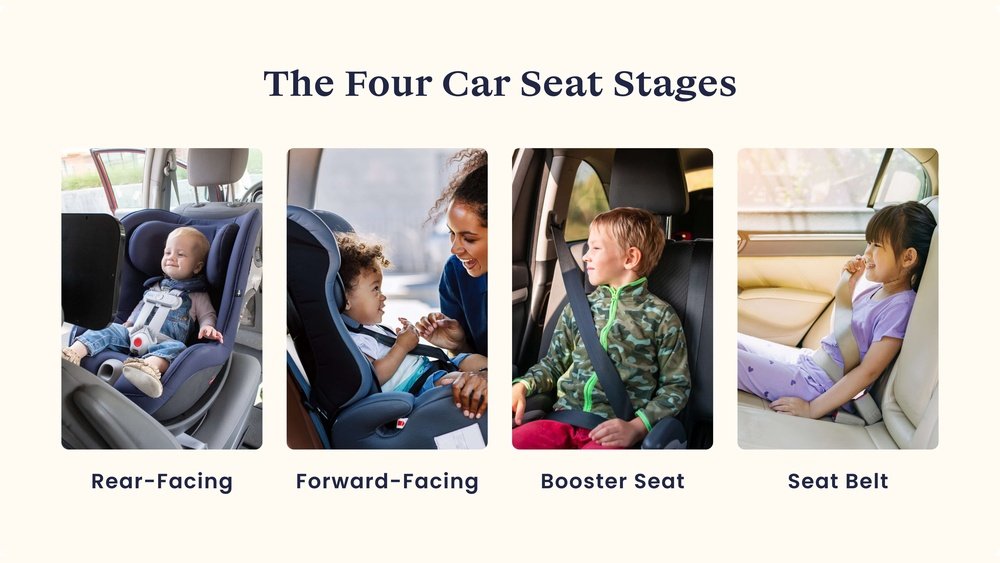
Car seat needs change as children grow. Infants need rear-facing seats for the best protection. Toddlers may switch to forward-facing seats with a harness. Older children often use booster seats until seat belts fit properly. Size and weight limits on seats guide these changes.
Vehicle Capacity
The size of your vehicle limits how many car seats fit safely. Small cars may hold two seats comfortably. Larger vehicles like SUVs or vans can fit three or more seats. Proper installation space is key to keeping seats secure and children safe.

Credit: saferide4kids.com
Types Of Car Seats
Choosing the right car seat is very important for your child’s safety. There are different types of car seats made for children of various ages and sizes. Knowing these types helps you decide how many car seats you need. Each type has specific features to protect your child during travel.
Infant Car Seats
Infant car seats are designed for newborns and babies. They face the rear of the car to support a baby’s head and neck. These seats are lightweight and often come with a handle for easy carrying. Most infant seats fit babies up to 30 pounds or until they reach the height limit set by the manufacturer.
Convertible Car Seats
Convertible car seats grow with your child. They can be used rear-facing for babies and then turned forward-facing as the child gets older. These seats usually have higher weight and height limits than infant seats. They offer more time before you need to switch to a booster seat.
Booster Seats
Booster seats help older children use the car’s seat belt properly. They raise the child so the seat belt fits correctly over the shoulder and lap. Booster seats are for kids who have outgrown their convertible seats but are not tall enough for the regular seat belt. Using a booster seat reduces the risk of injury in a crash.
Car Seat Laws By Age And Weight
Car seat laws vary by a child’s age and weight. These rules protect children during travel. Following the correct guidelines keeps your child safe and legal on the road. Different stages of childhood require different types of car seats. Knowing these laws helps parents choose the right seat for their child.
Infant And Toddler Requirements
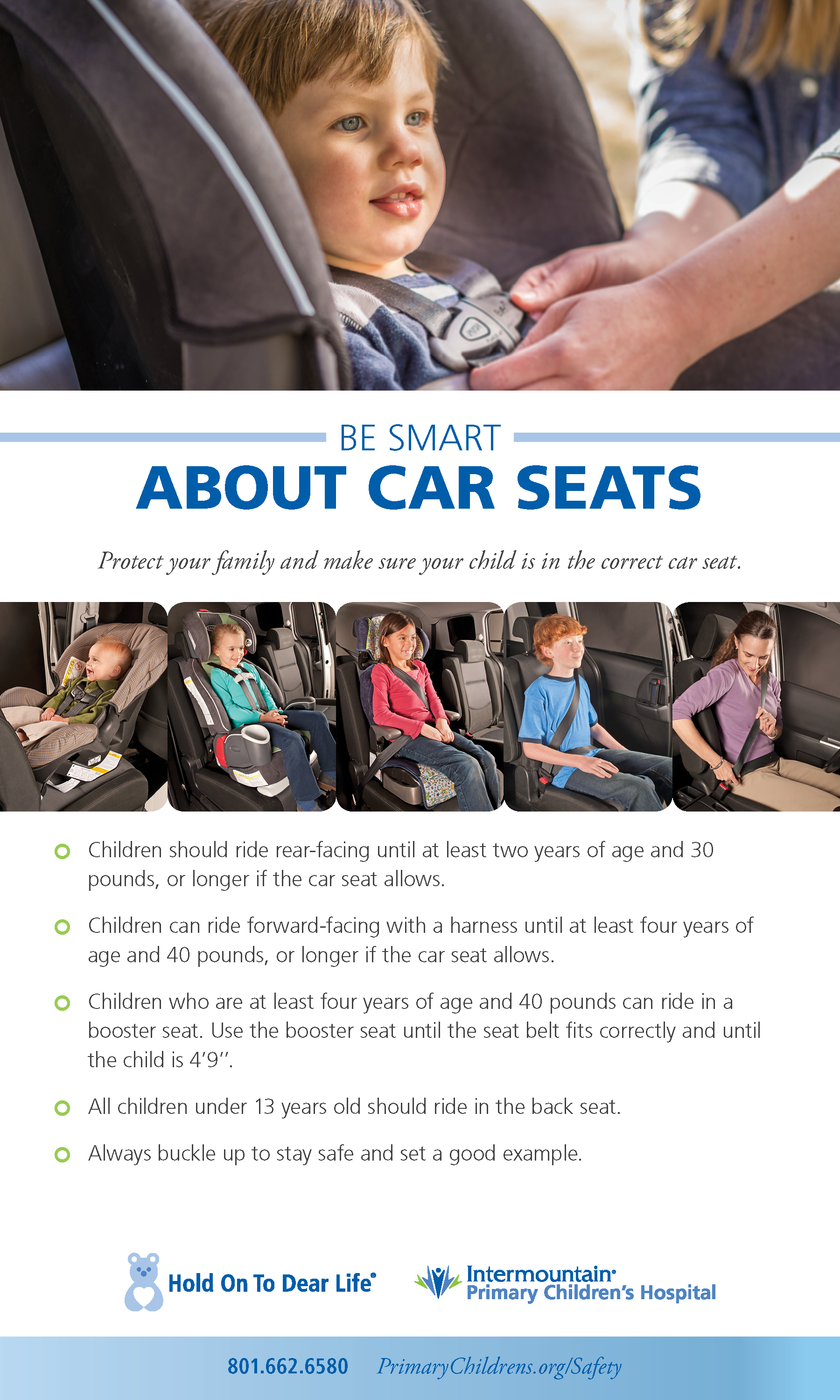
Infants must ride in rear-facing seats. This position supports their head and neck. Toddlers stay rear-facing until they reach the seat’s weight or height limit. Most laws require rear-facing seats until at least 2 years old. Some states allow longer rear-facing use for added safety.
Preschooler Guidelines
Preschoolers use forward-facing seats with a harness. The harness keeps them secure during travel. Children must stay in this seat until they reach the height or weight limit. This usually lasts until they are 4 to 7 years old. Booster seats come next, helping use regular seat belts properly.
Older Children Regulations
Older kids use booster seats to fit seat belts correctly. Booster seats raise the child so the belt fits the shoulder and lap. Laws require booster seats until children are about 8 to 12 years old. Once tall enough, children can use seat belts alone. The child should be at least 4 feet 9 inches tall.
Credit: www.pamsteele.org
Choosing The Right Number Of Seats
Choosing the right number of car seats is important for safety and comfort. It depends on your family size and the type of vehicle you have. Picking the right seats helps keep your children safe during every trip. It also makes travel easier and less stressful for parents.
Single Child Families
One car seat is enough for single child families. Choose a seat that fits your child’s age and size. Infant seats work well for newborns. Convertible seats grow with your child, saving money in the long run. Make sure the seat fits well in your car and follows safety rules.
Multiple Children Families
Multiple children need multiple seats. Count one seat per child under 12 years old. Space can be tight, so pick slim or compact car seats. Some seats can be joined closely to save room. Always check if your car can hold all the seats safely.
Car Seat Sharing Tips
Sharing car seats between cars is common. Use the same seat in each vehicle to avoid mistakes. Keep one seat installed and move the other as needed. Never use a car seat that has been in a crash. Regularly check seat belts and anchors for tightness.
Installation And Space Considerations
Installing car seats properly is essential for your child’s safety. Space inside the vehicle limits how many seats you can fit. Knowing your vehicle’s layout helps plan the best setup. Planning ahead saves time and keeps children secure during travel.
Vehicle Seat Layout
Check your vehicle’s seat rows and width. Most cars have two or three seats in the back. Some SUVs and vans offer a third row. Measure seat width to know how many car seats fit side by side. Look for LATCH anchors or seat belts for installation. Consider which seats have the best safety ratings.
Installation Safety Tips
Always read the car seat manual carefully. Use LATCH anchors or seat belts to secure seats tightly. Test the seat for movement; it should not shift more than one inch. Place rear-facing seats in the back middle seat if possible. Avoid using expired or damaged car seats. Double-check the angle of infant seats for safety.
Maximizing Space
Use narrow car seats to fit multiple children side by side. Remove bulky seat covers or accessories that block proper installation. Position larger seats in the outer seats and smaller ones in the middle. Fold down unused seats to create more room. Keep the area tidy to avoid loose items that can harm during stops.
Upgrading And Replacing Car Seats
Upgrading and replacing car seats ensures your child’s safety on every trip. Car seats wear out over time and may not meet new safety standards. Keeping the right seat helps protect your child as they grow. Knowing when to replace a seat or choose a newer model is important for every parent.
When To Replace Seats
Replace car seats after a crash, even if no damage shows. Most manufacturers recommend replacing seats after six to ten years. Age weakens the materials and safety features. Also, replace seats that no longer fit your child properly. Use the correct seat for your child’s age, weight, and height.
Signs Of Wear And Tear
Check for cracks in plastic or broken parts. Frayed straps and torn fabric reduce safety. Loose buckles or missing labels also signal a need for replacement. Seats with missing instructions or unclear labels are harder to use safely. Regularly inspect your car seat for these signs.
New Features To Look For
Newer car seats often have better side-impact protection. Look for seats with easy installation systems like LATCH. Adjustable headrests and harnesses help the seat grow with your child. Some seats include removable covers for easy cleaning. Safety standards improve, so newer seats often offer better protection.
Budgeting For Car Seats
Buying the right car seats is important for your child’s safety. Planning your budget helps you avoid overspending. It also ensures you get quality seats that fit your needs. Knowing the costs and options can make this easier.
Cost Estimates
Car seats vary widely in price. Infant seats often cost between $100 and $250. Convertible seats range from $150 to $300. Booster seats are usually cheaper, around $50 to $150. Prices depend on brand, features, and safety ratings.
Expect to spend more for extra comfort and advanced safety features. Some seats include easier installation tools or better padding. These add to the overall price but can be worth it.
Affordable Options
Good car seats do not always mean expensive seats. Many budget-friendly models meet safety standards. Look for sales and discounts at trusted stores. Certified used car seats can be an option if they are in good condition.
Community programs sometimes offer free or low-cost car seats. Check local health centers or parenting groups. These options help keep your child safe without breaking your budget.
Safety Vs. Price
Safety should never be compromised for a lower price. All car seats sold in stores must pass safety tests. Yet, more expensive models often have extra safety features. Side-impact protection and better materials cost more but offer extra security.
Choose the safest seat within your budget. Avoid very cheap seats without clear safety certifications. Investing in safety helps protect your child on every trip.
Traveling With Multiple Car Seats
Traveling with multiple car seats can be tricky but manageable. Parents often face challenges carrying and installing more than one seat. Planning ahead helps make trips smoother and less stressful.
Knowing how to handle car seats in airports, on planes, and during road trips is important. Also, having the right accessories makes travel easier for both kids and adults.
Airport And Plane Tips
Check airline rules about car seats before you travel. Some airlines allow car seats on planes if they fit in the seat. Label each car seat with your child’s name and contact info.
Use lightweight and compact car seats when possible. Bring a travel bag to protect seats from dirt and damage. Arrive early to have extra time for car seat checks and boarding.
Road Trip Planning
Plan breaks every two hours for kids to stretch and move. Pack snacks and toys to keep children entertained. Test car seat installation before the trip to avoid delays.
Choose a vehicle that fits all car seats comfortably. Keep a checklist of what you need for each child. Secure loose items to avoid distractions while driving.
Car Seat Travel Accessories
Use car seat travel bags for easy carrying and storage. Seat protectors help keep your car clean and prevent slipping. Consider portable organizers to hold toys, snacks, and wipes.
Buy travel-friendly car seats with simple installation features. Sunshades can protect children from glare and heat. Use straps or hooks to secure car seats during transport.
Credit: www.bambibaby.com
Frequently Asked Questions
How Many Car Seats Do I Need For Two Children?
You generally need one car seat per child under 8 years old. Each child requires their own seat for safety and legal compliance. Sharing a single car seat is unsafe and not allowed by law. Always check local regulations for specific requirements.
When Should I Switch From Infant To Toddler Car Seat?
Switch when your child exceeds the infant seat’s height or weight limit. Typically, this is around 12 months or 22-35 pounds. Using the correct seat size ensures proper protection during travel. Always follow manufacturer guidelines for safe transitions.
Can I Use One Car Seat For Multiple Cars?
Yes, you can use one car seat in multiple vehicles. However, it must be properly installed in each car before travel. Frequent removal and reinstallation can affect seat safety, so ensure it’s secure every time. Consider having extra seats for convenience.
Are Booster Seats Necessary For Older Children?
Booster seats are essential for children who outgrow car seats but are too small for seat belts alone. They position the seat belt correctly across the child’s body. Typically, children aged 4 to 8 years need boosters for maximum safety.
Conclusion
Choosing the right number of car seats keeps children safe on every trip. Each child needs a seat that fits their age and size. Check your car’s space before buying multiple seats. Safety rules help you decide how many seats to use.
Proper installation matters just as much as the seat itself. Keep children secure and comfortable during all rides. Simple steps make travel safer and stress-free for families. Always follow local laws and guidelines for car seats. Your child’s safety comes first every time you drive.
