

Have you ever spilled a drink or gotten caught in the rain, leaving your car seats soaked and uncomfortable? Wet car seats can be more than just annoying—they can lead to bad smells, stains, and even mold if not dried properly.
But don’t worry, drying your car seats doesn’t have to be a hassle. In this guide, you’ll discover simple, effective ways to dry your car seats quickly and safely. Keep reading, and you’ll learn how to protect your car’s interior and keep it feeling fresh and clean every time.

Credit: www.wikihow.com
Causes Of Wet Car Seats
Wet car seats can be a big problem for many drivers. They cause discomfort and can damage the car’s interior. Knowing why car seats get wet helps in fixing the issue quickly. Wet seats happen for several reasons. Some are easy to spot, while others take time to find.
Common Sources Of Moisture
Rainwater often leaks inside through windows or doors. Spilled drinks also add moisture to seats. Wet clothes or shoes leave damp spots after a ride. Sometimes, air conditioning creates condensation on the seats. A clogged sunroof drain can let water drip inside. Pets can bring damp fur or water from outside. These are frequent ways moisture gets trapped in car seats.
Effects Of Wet Seats On Car Interior
Wet seats can smell bad over time. They create a damp environment that grows mold and mildew. Mold can damage fabric and hurt your health. Moisture also weakens the seat’s padding and structure. Electronics near wet seats may get damaged. Wet interiors lower the car’s value and comfort. Drying seats quickly prevents these problems and keeps the car fresh.

Credit: www.youtube.com
Immediate Actions To Take
Wet car seats need quick attention. The faster you act, the less damage occurs. Taking immediate steps helps stop water from soaking deeper. It also prevents mold and bad smells. Follow simple actions to dry seats efficiently.
Removing Excess Water
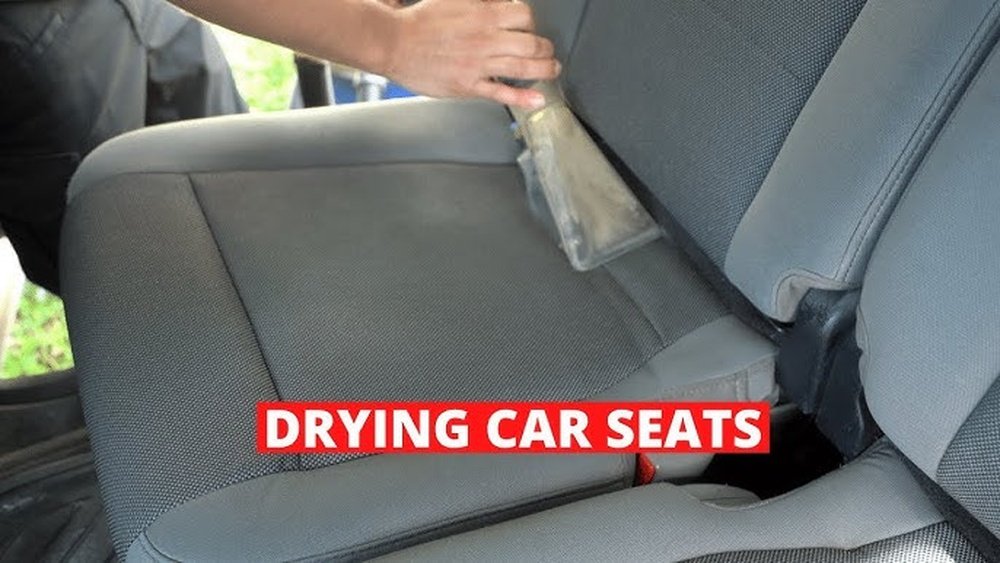
Start by removing as much water as possible. Use a wet/dry vacuum if available. Press the vacuum gently on the seat surface. Avoid rubbing, which can push water inside. If no vacuum is available, use your hands or a cup to scoop water.
Do not wait. The longer water sits, the harder it dries. Focus on seat creases and seams. These areas hold extra moisture.
Using Towels And Absorbent Materials
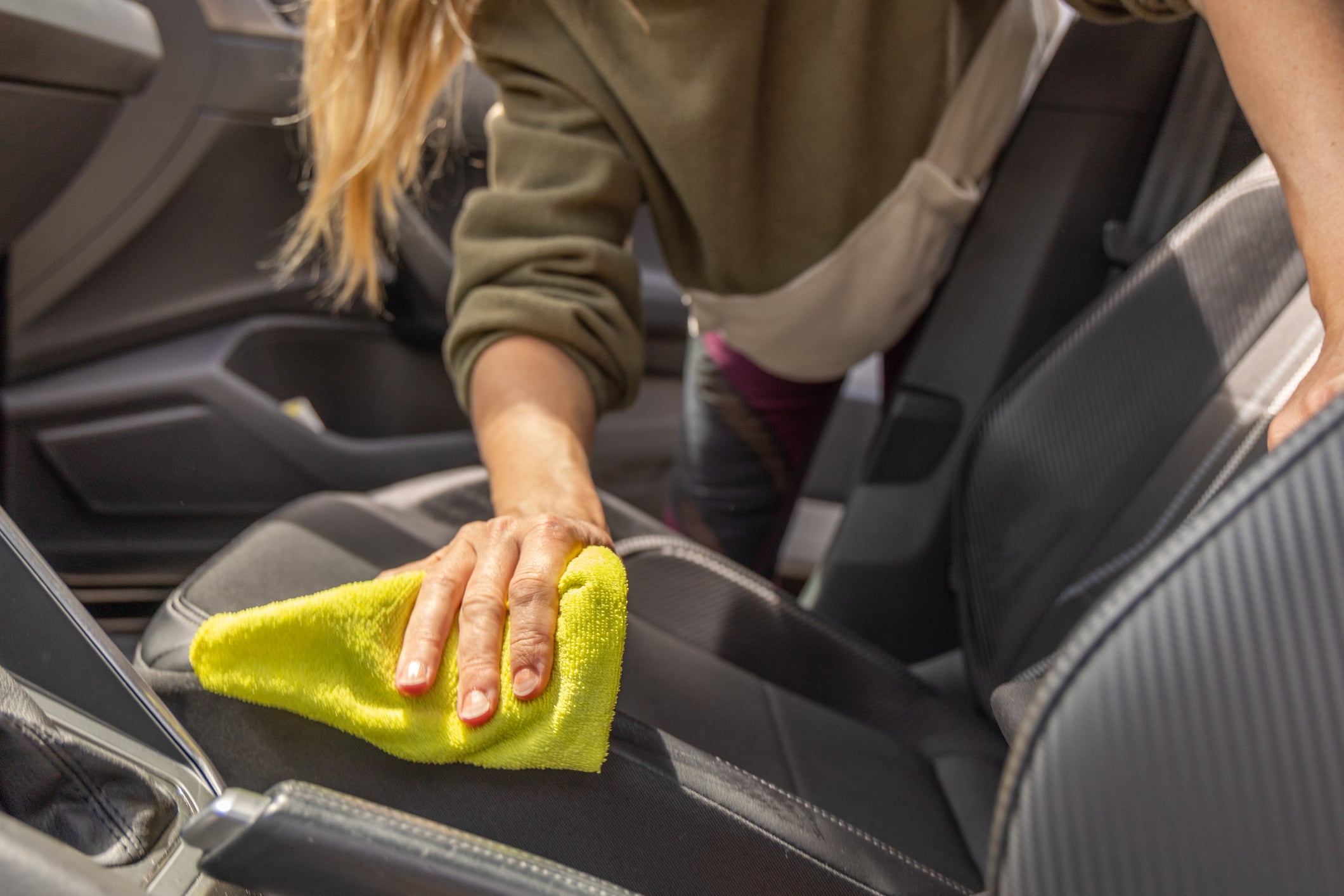
Grab clean, dry towels next. Use thick towels for better absorption. Press towels firmly on wet spots. Change towels when they become damp. Layer absorbent materials like microfiber cloths or paper towels. These soak water faster than regular cloth.
Place towels under the seat if possible. This helps draw water from below. Keep towels in place for 10-15 minutes. Repeat until towels stay dry after pressing.
Quick Drying Techniques
Drying car seats fast is important to avoid bad smells and damage. Quick drying saves time and keeps your car fresh. Use simple tools and tricks to speed up the drying process. Here are some easy ways to dry car seats quickly and safely.
Using A Wet/dry Vacuum
A wet/dry vacuum helps pull water from car seats fast. It removes deep moisture that towels cannot reach. Press the vacuum nozzle firmly on the wet area. Move slowly to suck up as much water as possible. Repeat several times for best results. This method works well for fabric and leather seats.
Applying Fans And Air Circulators
Fans and air circulators blow air over wet car seats. This helps water evaporate quickly. Place a fan near the seat and turn it on high. Use more than one fan if the seat is very wet. Open car doors or windows to let fresh air in. This method is safe and uses no heat.
Utilizing Hair Dryers Safely
Hair dryers can speed up drying but use them carefully. Keep the dryer at least 6 inches away from the seat. Use a low or cool heat setting to avoid damage. Move the dryer back and forth to spread the heat evenly. Do not hold the dryer in one place for too long. This prevents burns or cracks on the seat.
Natural Drying Methods
Natural drying methods are simple and effective for drying car seats. They use sunlight and fresh air to remove moisture. These methods save energy and help keep your car’s interior fresh. They work well after cleaning or if your seats get wet from rain or spills.
Parking In Direct Sunlight
Park your car where sunlight hits directly. Sunlight warms the seats and speeds up evaporation. Leather and fabric seats dry faster under the sun. Open the doors for better air flow. Avoid parking in shady or damp areas.
Ventilation And Window Positioning
Open windows slightly to let air circulate inside. Good ventilation helps moisture escape quickly. Position windows to catch natural breezes. Use car fans if available to boost air movement. Avoid sealing the car tightly until seats are dry.
Dealing With Upholstery Types
Car seats come in different materials. Each type needs special care to dry properly. Wet seats can cause odors and damage. Knowing your upholstery helps prevent these problems.
Fabric Seats
Fabric seats soak up water quickly. Start by blotting the seat with a clean towel. Avoid rubbing to stop spreading moisture. Use a wet/dry vacuum to remove excess water. Let air circulate by opening windows or doors. A fan speeds up drying. Avoid direct sunlight to prevent fading.
Leather Seats
Leather seats need gentle handling. Use a soft cloth to wipe off water. Do not soak leather with water or cleaning products. Apply a leather conditioner after drying to keep it soft. Keep seats away from heaters or direct sun to stop cracking. Patience is key; let leather dry slowly.
Vinyl Seats
Vinyl seats resist water better than fabric. Use a towel to absorb moisture quickly. Clean with a mild soap and water mix if needed. Dry with a soft cloth to avoid streaks. Vinyl can dry faster but watch for heat damage. Keep it cool and shaded while drying.
Preventing Mold And Odors
Keeping car seats dry is important to stop mold and bad smells. Mold can grow fast on wet surfaces. Bad odors come from moisture left behind. Taking steps to prevent these problems helps keep your car fresh and safe.
Using Baking Soda And Deodorizers
Baking soda is a natural way to fight odors. Sprinkle it on damp seats and let it sit for a few hours. It absorbs moisture and bad smells. Afterward, vacuum the baking soda off completely. Deodorizers also help freshen the car. Choose ones safe for fabric or leather. Use them regularly to keep the car smelling clean.
Applying Mold Inhibitors
Mold inhibitors stop mold from growing on wet seats. They come in sprays or liquids. Apply the product after the seats dry. Follow the instructions on the label carefully. These inhibitors create a barrier that protects the fabric. Use them especially if you live in humid areas. This step keeps your car seats mold-free longer.
Tools And Products To Speed Drying
Drying car seats quickly saves time and prevents damage. Using the right tools and products makes the process easier. It also helps keep the seats in good shape. Choose items that absorb moisture well and speed up drying.
Absorbent Towels And Cloths
Microfiber towels work best for drying car seats. They soak up water fast and do not leave lint behind. Use clean, dry towels to press on wet spots. Avoid rubbing hard to prevent fabric damage. Change towels often to absorb more moisture.
Specialized Drying Equipment
A portable fan or blower helps air circulate around seats. This speeds evaporation and dries seats faster. A wet/dry vacuum can suck out water from fabric and foam. Use a dehumidifier inside the car to reduce moisture in the air. These tools work well together for quick drying.
Cleaning And Conditioning Products
Use upholstery cleaner to remove dirt before drying. Clean seats dry faster and look better. After drying, apply a fabric conditioner or protectant. This keeps seats soft and helps repel future stains. Choose products safe for your car’s material.
When To Seek Professional Help
Sometimes, drying car seats at home is not enough. Water can seep deep inside the cushions or frame. This hidden moisture can cause bad smells and damage. Knowing when to get expert help saves time and money. Professionals have tools and skills to fix serious water problems safely and quickly.
Signs Of Deep Water Damage
Water stains that don’t dry after several days. Musty or moldy smells inside the car. Soft or sagging spots on the seat surface. Rust or dampness under the seat covers. Electrical issues with seat heaters or sensors. These signs mean water is trapped inside. It needs professional attention to prevent further damage.
Benefits Of Professional Detailing
Experts use strong dryers and moisture meters. They find and remove hidden water safely. Professionals clean and disinfect seats to stop mold growth. They restore seat fabric and padding to like-new condition. Detailers protect your car’s interior from future damage. Their work improves car value and comfort instantly.
Credit: www.simoniz.uk
Frequently Asked Questions
How Long Does It Take To Dry Car Seats?
Drying car seats usually takes 3 to 6 hours depending on material and ventilation. Leather seats dry faster than fabric. Using fans or sunlight speeds up the process.
Can I Use A Hairdryer To Dry Car Seats?
Yes, a hairdryer can help dry car seats quickly. Use a low heat setting to avoid damage. Keep the dryer moving to prevent overheating any spot.
What Is The Best Way To Dry Wet Fabric Car Seats?
The best way is to blot excess water, then use fans or a dehumidifier. Open car doors for airflow. Avoid direct sunlight to prevent fading or shrinking.
How To Prevent Mold When Drying Car Seats?
Ensure thorough drying by increasing airflow and using absorbent towels. Avoid leaving seats damp for long. Use a mold-resistant spray for extra protection if needed.
Conclusion
Drying car seats quickly helps keep your vehicle fresh and clean. Use towels to soak up water first. Open windows or doors for better airflow. A fan or hairdryer speeds up drying time. Avoid sitting on wet seats to prevent stains.
Regular care stops mold and bad smells. Follow these simple steps for dry, comfortable car seats every time.
