

Are you sure your baby’s car seat straps are in the right place? Knowing exactly when to move the straps up can make a big difference in your child’s safety and comfort.
If the straps are too low or too high, they might not protect your little one properly during a ride. You’ll discover simple signs that tell you it’s time to adjust those straps. Keep reading to learn how to keep your baby secure every time you hit the road.
Credit: thecarseatlady.com
Car Seat Harness Basics
Understanding the basics of a car seat harness helps keep your baby safe. Harness straps hold your infant securely in the car seat. Knowing how they work guides you when to adjust them as your baby grows.
Proper harness use prevents injury in case of sudden stops or accidents. This section explains the purpose and types of harness systems found in infant car seats.
Purpose Of Harness Straps
Harness straps keep your baby tight and secure inside the car seat. They stop your infant from moving too much during a ride. Properly adjusted straps protect the head, neck, and body in a crash.
The straps spread crash forces evenly over the strong parts of the body. This reduces the risk of serious injury. They also keep the baby in the safest position within the seat.
Types Of Harness Systems
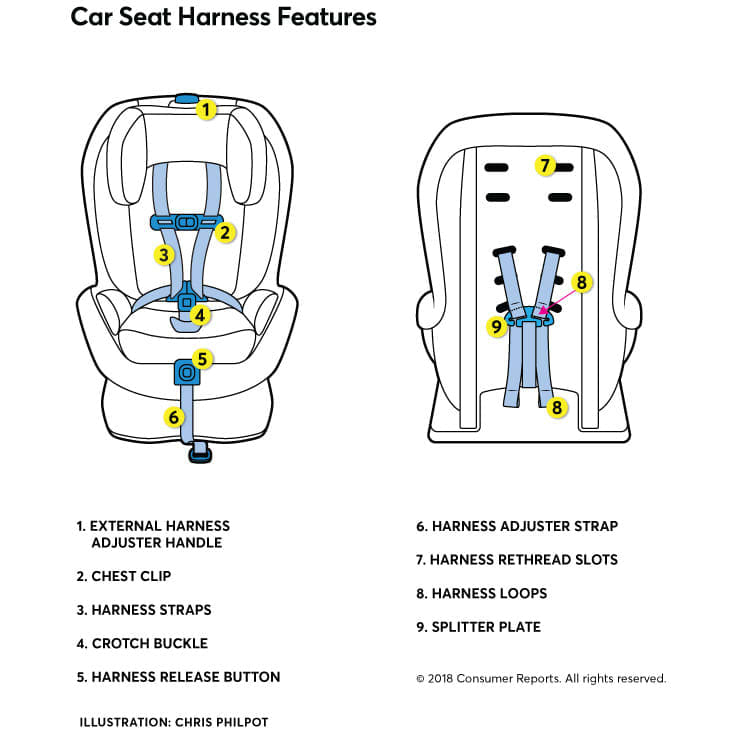
Most infant car seats use a five-point harness system. This system has two shoulder straps, two hip straps, and one strap between the legs. This design offers the best security and restraint.
Some older or simpler models may use three-point harnesses. These have fewer straps and provide less protection. Always choose a seat with a five-point harness for better safety.
Credit: thecarseatlady.com
Signs To Adjust Harness Height
Knowing when to move the straps up on an infant car seat is key for safety. The harness must fit snugly and sit at the correct height. A harness too low or too high can cause discomfort or reduce protection during a crash. Watch your baby closely for signs that the harness height needs adjusting. This helps keep them safe and comfortable on every ride.
Shoulder Level Indicators
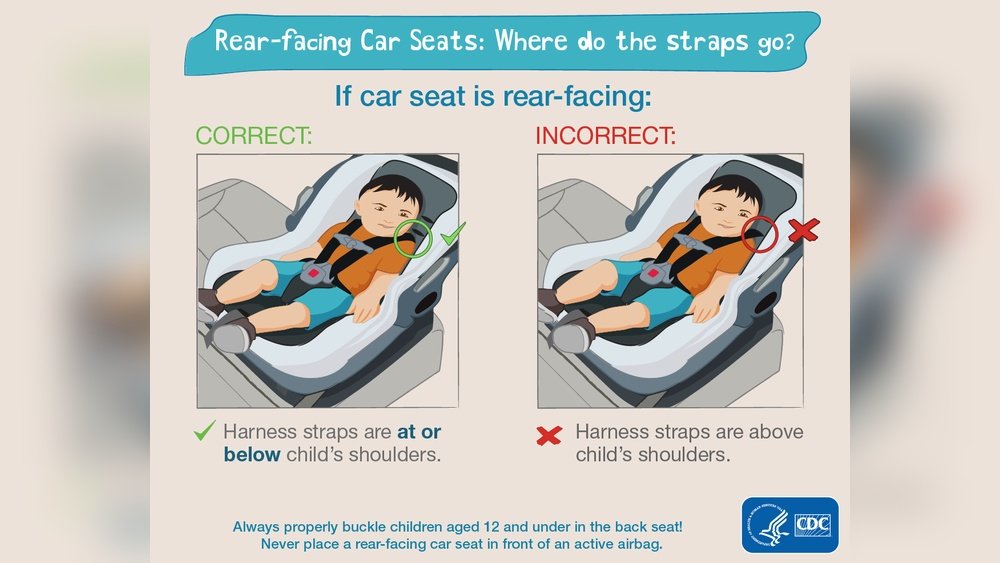
Most infant car seats have shoulder level indicators. These marks show the correct position for the harness straps. The straps should be at or just below your baby’s shoulders for rear-facing seats. If the straps sit below the shoulders, it is time to move them up. Check these indicators every few weeks as your baby grows. Proper strap position keeps your child secure in the seat.
Growth Milestones
Babies grow fast. Their height and weight change quickly in the first months. When your baby starts to look cramped or the harness feels tight, check the harness height. If your baby can lift their arms above the straps easily, it means the harness is too low. Adjust the straps to match their new size. Regular checks during growth milestones ensure the harness fits properly and protects well.
Safe Harness Positioning
Safe harness positioning is very important for your baby’s safety in a car seat. The harness straps keep your baby secure and protect them in case of sudden stops or accidents. Proper strap placement helps prevent injuries and ensures comfort during the ride. Parents must adjust the straps as the baby grows. Knowing when to move the straps up helps keep the harness snug and safe.
Correct Strap Placement
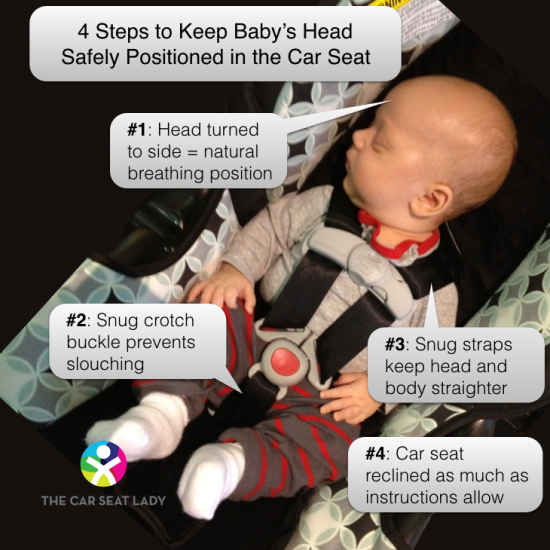
The harness straps should be at or just below your baby’s shoulders. For rear-facing seats, the straps go through the slots at or below shoulder level. This keeps the baby from slipping out in a crash. Tighten the straps so you cannot pinch any slack. The chest clip must be at armpit level to keep straps in place. Always check the car seat manual for specific instructions.
Avoiding Common Mistakes
Do not place straps above the shoulders when rear-facing. Loose straps reduce protection and increase injury risk. Avoid twisting the harness straps as it lessens strength. Never place the chest clip too low or too high. Using bulky clothing under the harness makes it loose. Always remove thick coats before buckling your baby. Regularly check strap position as your baby grows.
Step-by-step Guide To Moving Straps
Moving the straps on an infant car seat is important for your baby’s safety and comfort. Adjusting the harness correctly helps the seat fit your child better as they grow. Follow this step-by-step guide to move the straps up safely and easily.
Preparing The Car Seat
Start by placing the car seat on a flat surface. Remove any blankets or toys from the seat. Check the car seat manual for specific instructions. Unbuckle the harness and loosen the straps. This step makes it easier to change the strap position.
Adjusting The Harness Slots
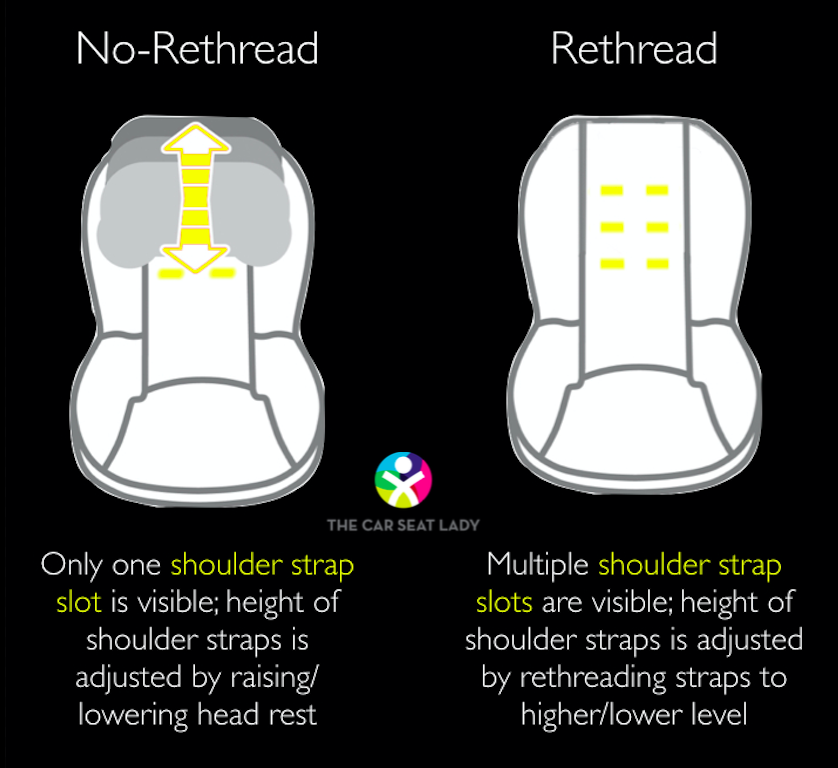
Locate the harness slots at the back of the car seat. Identify the next higher slots for the straps to move into. Gently pull the straps out of the current slots. Thread the straps through the new, higher slots. Make sure the straps lie flat without twists.
Ensuring Proper Fit After Adjustment
Buckle the harness around your child. Tighten the straps until snug but comfortable. Check that the straps sit at or just above your child’s shoulders. Perform a pinch test to ensure the harness is tight enough. Proper fit keeps your baby safe and secure.
Impact Of Incorrect Strap Position
Placing the straps in the right position on an infant car seat matters a lot. Incorrect strap placement can cause serious problems. It can affect both the safety and comfort of your baby during travel. Understanding these impacts helps keep your child secure.
Potential Safety Risks
Straps that are too low or too high do not protect properly. In a crash, loose or misplaced straps can let the baby move too much. This movement may cause injury or increase the chance of falling out. Proper strap height keeps the baby snug and safe. It spreads crash forces evenly across the strongest parts of the body.
Comfort Issues For Infants
Straps placed incorrectly can cause discomfort. Straps too tight or on the wrong spot dig into the baby’s skin. This can make the baby fussy or upset during the ride. Straps placed well reduce pressure and allow natural movement. Comfortable babies are more likely to stay calm and happy in the car seat.
Credit: www.consumerreports.org
When To Transition Out Of Infant Car Seats
Knowing when to transition out of an infant car seat is important for your child’s safety. Infant car seats have limits on weight and height. Using the seat beyond these limits can be unsafe. Parents must watch for signs that their child is ready for a bigger seat. This helps keep your child secure during every ride.
Weight And Height Limits
Every infant car seat has a weight limit. Most seats hold babies up to 22 to 35 pounds. Height limits also matter. Your child’s head should be below the top of the seat. Check the car seat manual for exact limits. Exceeding these limits means it is time to move to a different seat.
Signs Your Child Is Ready
Look for clues your baby has outgrown the seat. The top of your child’s head is near or above the seat’s edge. Their shoulders reach the highest harness slot. Your child’s weight is close to the seat’s maximum. Your child may sit up well and want to face forward. These signs show it is time to switch seats.
Additional Safety Tips
Keeping your baby safe in the car seat is very important. Moving the straps up at the right time is just one part of car seat safety. There are other steps to follow to ensure the harness fits well and protects your infant properly.
Regular Harness Checks
Check the harness often to make sure it fits snugly. The straps should lie flat without twists. Tighten the harness so you cannot pinch any slack at the shoulder. Check the height of the straps as your baby grows. Adjust them to keep the straps at or below your baby’s shoulders.
Consulting Manufacturer Guidelines
Always read the car seat manual carefully. Each brand may have different rules for when to move straps up. Follow the instructions for your specific seat model. This keeps the harness working correctly and keeps your baby safe. Contact the manufacturer if you are unsure about any step.
Frequently Asked Questions
When Should I Move Car Seat Straps Up For My Infant?
Move the straps up when your infant’s shoulders reach the current strap slots. This ensures proper fit and safety during travel.
How Do I Know If Straps Are Too Low On Infant Seat?
If straps rest below your infant’s shoulders, they are too low. Straps must be at or just above shoulder level.
Can I Move Straps Up Before The Infant Grows Taller?
No. Adjust straps only when your infant’s shoulders reach the next slot. This prevents unsafe harness positioning.
What Risks Come From Incorrect Strap Height In Car Seats?
Straps placed too low or too high reduce restraint effectiveness. This can increase injury risk in a crash.
Conclusion
Moving the straps up on an infant car seat keeps your baby safe and comfortable. Straps should be at or just below your baby’s shoulders. Check the fit regularly as your baby grows. A snug, secure harness prevents injuries during travel.
Always follow the car seat’s instructions carefully. Safety is the top priority on every ride. Adjust straps promptly to protect your little one. Simple steps can make a big difference in safety. Keep your baby secure and enjoy peace of mind.
