

Making sure your child rides safely is one of your top priorities. Installing a rear-facing car seat correctly can protect your little one in ways you might not realize.
But if you’re unsure where to start or worried about getting it wrong, you’re not alone. This guide will walk you through simple, step-by-step instructions to help you install your rear-facing car seat with confidence. Keep reading—your child’s safety depends on it.
Choosing The Right Car Seat
Choosing the right car seat is important for your child’s safety. The right seat fits your child’s size and age. It also fits well in your car. Picking the correct seat helps protect your child during every ride. Safety rules change as your child grows. Knowing these rules keeps your child secure.
Age And Weight Guidelines
Car seats have age and weight limits. Rear facing seats suit babies and toddlers best. Most experts suggest keeping children rear facing until at least age two. Many seats allow children up to 40 pounds rear facing. Always check the seat label for exact limits. Follow these guidelines to keep your child safe.
Types Of Rear Facing Seats
Rear facing seats come in several types. Infant-only seats fit newborns and small babies. These seats are lightweight and easy to carry. Convertible seats grow with your child. They start rear facing and switch to forward facing later. Some seats also recline for comfort. Choosing the right type depends on your child’s needs and your car space.

Credit: www.youtube.com
Preparing Your Vehicle
Preparing your vehicle is an important step before installing a rear-facing car seat. A clean and organized space helps secure the seat firmly. It also makes the installation process smoother and safer. Take time to get your car ready for the car seat.
Locating The Latch System
The LATCH system is designed to make car seat installation easier. Look for small metal bars between the seat cushions. These bars are anchor points for the car seat straps. Check your vehicle’s manual to find the exact location. Use these anchors for a tighter and safer fit.
Clearing The Installation Area
Remove all loose items from the back seat. Bags, toys, and other objects can block the car seat. Clear space allows the seat to sit flat and secure. A tidy area reduces distractions and risks during installation. Make sure the seat surface is free of crumbs or debris too.
Installing The Car Seat
Installing a rear-facing car seat is a key step for your child’s safety. It needs careful attention to ensure it fits well and stays secure. Follow each step closely to make the installation right.
Positioning The Seat Correctly
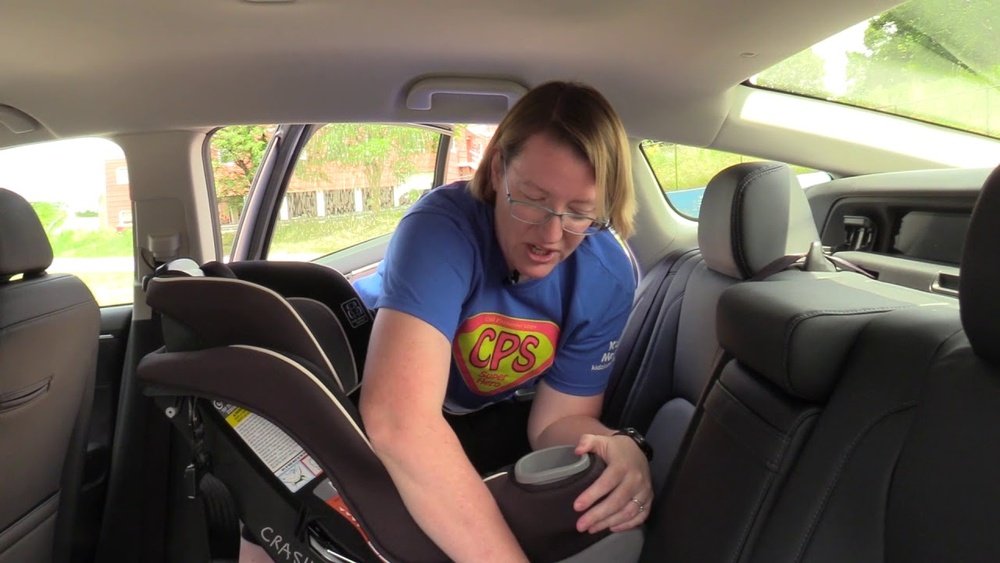
Place the car seat in the back seat of your vehicle. It should face the rear of the car. Make sure the seat base rests flat on the vehicle seat. The car seat angle must match the manufacturer’s instructions. This helps protect your child’s head and neck.
Securing With Latch Or Seat Belt
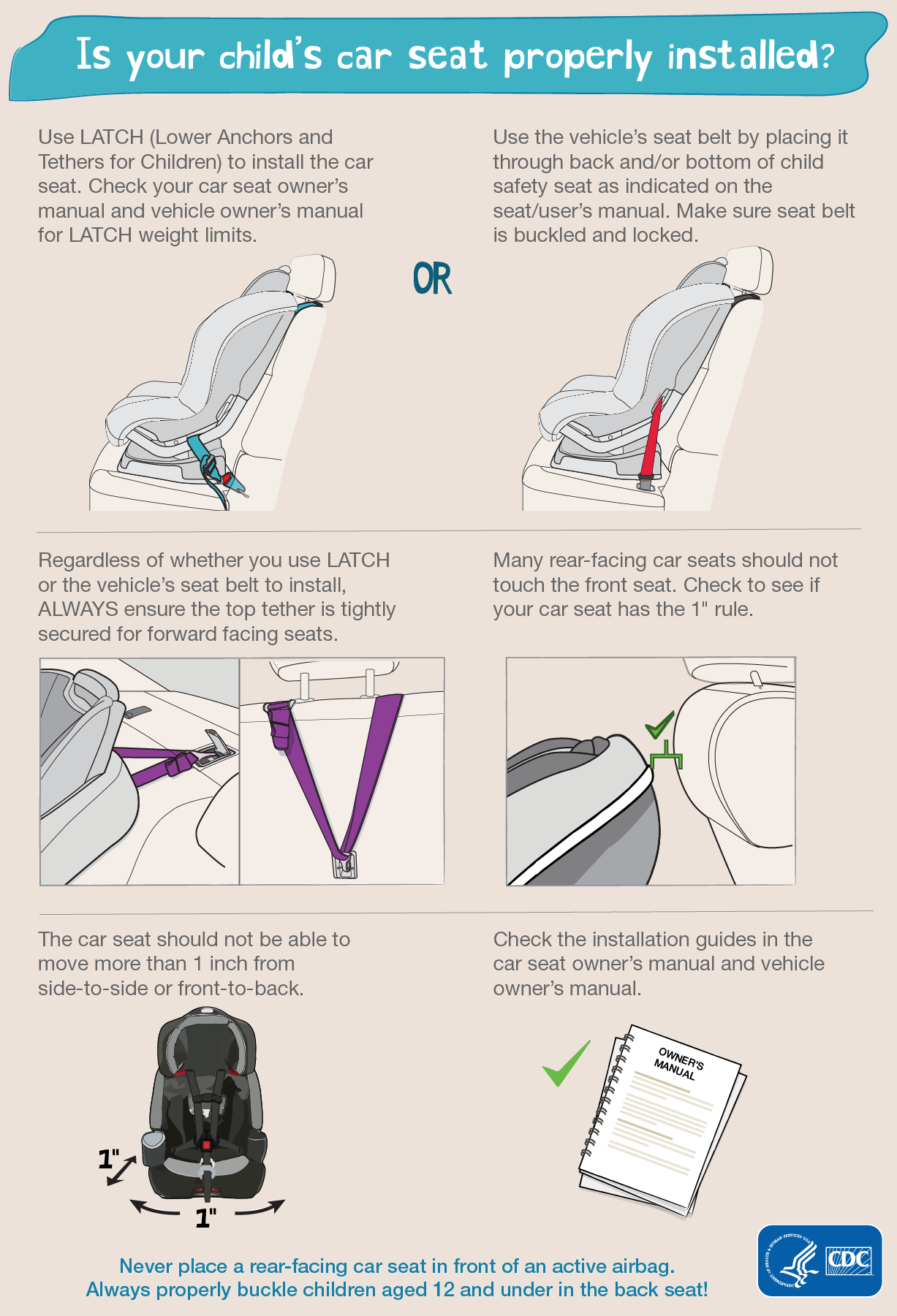
Use the LATCH system or the vehicle seat belt to secure the car seat. Attach the lower anchors or thread the seat belt through the correct path. Lock the seat belt or tighten the LATCH strap. Never use both systems together unless the manual allows it.
Checking For Tightness
Push and pull the car seat at the base. It should move less than one inch side to side or front to back. A tight seat keeps your child safe during a crash. Adjust straps or belts as needed to achieve this tight fit.
Adjusting The Harness
Adjusting the harness of a rear-facing car seat is crucial for your child’s safety. A properly adjusted harness keeps your child secure and comfortable during the ride. It prevents slipping out or too much movement in case of sudden stops. Take your time to check each part carefully and make sure everything fits just right.
Strap Height And Fit
The straps should be at or just below your child’s shoulders. This position helps keep them snug and safe. Adjust the straps so they lie flat without twists. Pull the harness tight enough that you cannot pinch any slack at the shoulder. A loose harness can increase injury risk during a crash.
Chest Clip Placement
Place the chest clip at armpit level. This keeps the straps in the correct position on your child’s chest. The chest clip should be centered, not too high or low. It helps distribute force evenly across the body in an accident. Make sure the clip snaps securely and stays in place.
Final Safety Checks
Final safety checks are crucial after installing a rear-facing car seat. They ensure your child’s protection during every ride. Taking time to verify the seat’s position and stability can prevent accidents and injuries. Focus on these important areas before every trip.
Seat Angle And Recline
The car seat must have the correct angle. Too upright or too reclined can harm your baby’s safety. Use the built-in level indicator or angle adjuster to set it right. The seat should support your baby’s head and neck comfortably.
Ensuring No Movement
Check that the car seat does not move more than one inch side to side or front to back. Push and pull at the base to test. A tight fit means the seat is secure. Loose seats can cause serious injury in a crash.
Reviewing Manufacturer Guidelines
Read the car seat manual carefully. Follow all instructions for installation and use. Each model has different rules and limits. Use the proper harness settings and weight limits. This protects your child and keeps the seat effective.
Credit: www.inspirahealthnetwork.org
Common Mistakes To Avoid
Installing a rear-facing car seat can feel tricky. Many parents make simple mistakes that reduce safety. Avoiding these errors keeps your child secure. Below are common mistakes to watch out for.
Loose Installation
The car seat must not move more than one inch side to side. A loose seat cannot protect your child well in a crash. Use the seat belt or LATCH system tightly. Check the fit by pushing and pulling the seat firmly.
Incorrect Harness Adjustment
The harness should fit snugly around your child’s body. Loose straps let your child move too much. The chest clip must be at armpit level. Tighten the harness until you cannot pinch any slack.
Wrong Seat Angle
Rear-facing seats need the right angle to support the head and neck. Too upright can cause the head to fall forward. Too reclined can reduce protection. Use the seat’s built-in level indicator to set the correct angle.
Maintenance Tips
Proper maintenance of a rear-facing car seat keeps your child safe and comfortable. Regular care helps the seat work well over time. Follow simple steps to maintain the seat’s quality and safety.
Regular Inspections
Check the seat for any damage or loose parts every few weeks. Look at the straps, buckles, and shell carefully. Make sure everything is tight and secure. Replace or fix anything that seems worn or broken. This prevents accidents and keeps the seat safe.
Cleaning The Seat
Keep the car seat clean by wiping it often. Use mild soap and water to clean the fabric and plastic. Avoid harsh chemicals that can damage the material. Remove crumbs and dirt from the crevices regularly. Clean straps gently without soaking them to keep their strength.
When To Replace The Car Seat
Car seats have expiration dates. Check the label for the date or manufacturer advice. Replace the seat after a crash, even if no damage is visible. Do not use a seat with cracks or broken parts. A new seat means better protection for your child.

Credit: nexlam.it
Frequently Asked Questions
How Do I Install A Rear Facing Car Seat Safely?
Place the car seat in the back seat, facing the rear. Use the seat belt or LATCH system to secure it tightly. Ensure the harness is snug and chest clip is at armpit level for maximum safety.
When Should I Switch From Rear Facing To Forward Facing?
Keep your child rear facing until at least age 2 or the car seat’s height and weight limits. Rear facing offers better protection for the head and neck in a crash.
Can I Install A Rear Facing Car Seat Without A Base?
Yes, many convertible car seats allow installation without a base. Use the vehicle seat belt to secure the seat tightly. Always check the car seat manual for specific instructions.
How Tight Should The Seat Belt Be For Installation?
The seat belt or LATCH strap should be tight enough that the car seat moves less than one inch side to side or front to back. This ensures the seat is securely installed.
Conclusion
Installing a rear-facing car seat keeps your child safer on every trip. Always read the car seat manual and your vehicle’s guide. Make sure the seat is tight and does not move more than an inch. Check the angle to keep your baby’s head from falling forward.
Regularly inspect the seat for wear or damage. Remember, safety takes time and care. Small steps make a big difference. Drive with confidence knowing your child is well protected.
