


Have you ever wondered if your car seat is tight enough? Getting the right fit isn’t just about comfort—it’s about your safety every time you hit the road.
A seat that’s too loose or too tight can affect how well it protects you in a crash. You’ll discover exactly how tight your car seat should be and simple tips to make sure it’s just right. Keep reading to learn how a small adjustment can make a big difference for you and your loved ones.
Importance Of Proper Seat Fit
Proper seat fit in a car is very important for every driver and passenger. A seat that fits well keeps the person safe and comfortable. It helps avoid injuries during sudden stops or accidents. The right fit also supports good posture. This can prevent pain and health problems later. Understanding how tight a car seat should be is key to a better driving experience.
Safety Benefits
A properly fitted seat holds the driver firmly. It stops the body from sliding or moving too much. This reduces the risk of injury in crashes. Seat belts work best when the seat is tight enough. Proper seat fit helps keep the head, neck, and back in safe positions. It also helps airbags protect you correctly.
Comfort And Support
A seat that fits well feels more comfortable on long drives. It supports the lower back and reduces strain on muscles. The right tightness prevents the body from sliding forward or sideways. This helps keep focus and control over the car. Comfort leads to less fatigue and better driving performance.
Preventing Long-term Issues
Improper seat fit can cause body pain over time. Slouching or poor posture can lead to back and neck problems. A tight, supportive seat helps keep the spine aligned. This reduces the chance of muscle strain and joint pain. Good seat fit protects health and improves daily comfort.

Credit: saferide4kids.com
Signs Of A Too Tight Seat
Knowing the signs of a too tight car seat is important for safety and comfort. A seat that is too tight can cause problems during driving. It can limit your movements, cause pain, and affect your blood flow. Pay attention to these signs to adjust your seat properly.
Restricted Movement
A seat that is too tight makes it hard to move your body. You may find it difficult to turn your head or shift your position. This limits your ability to react quickly while driving. Lack of movement can increase fatigue and reduce control of the vehicle.
Discomfort And Pain
A tight seat often causes discomfort in the back, hips, or legs. Sitting too tightly can create pressure points that lead to pain. You might feel soreness after a short drive. Pain distracts you and lowers your focus on the road.
Circulation Problems
Too much pressure from a tight seat can block blood flow. Your legs or feet may feel numb or tingly. Poor circulation can cause swelling or cramps during long drives. This reduces comfort and can be a health risk over time.
Signs Of A Too Loose Seat
Knowing the signs of a too loose car seat is important for safety and comfort. A seat that is not tight enough can cause problems while driving. It can make your ride less stable and increase risks in case of an accident.
Check your seat carefully. Notice if it moves more than it should. Feeling the seat shift during turns or stops is a key sign. Recognize these warning signs to keep control and stay safe on the road.
Excessive Movement
A loose seat moves too much during driving. It shifts forward, backward, or side to side. This movement distracts you and makes driving harder. The seat should stay firmly in place without any wiggle.
Reduced Control
Loose seats reduce your control over the car. You may feel unstable when steering or braking. The seat’s movement affects your ability to react quickly. A tight seat helps you maintain better control and focus.
Safety Risks
A seat that is too loose is dangerous in a crash. It can slide or tilt, putting you at risk of injury. Seat belts and airbags may not work properly. Tightening your seat reduces these risks and keeps you safer.
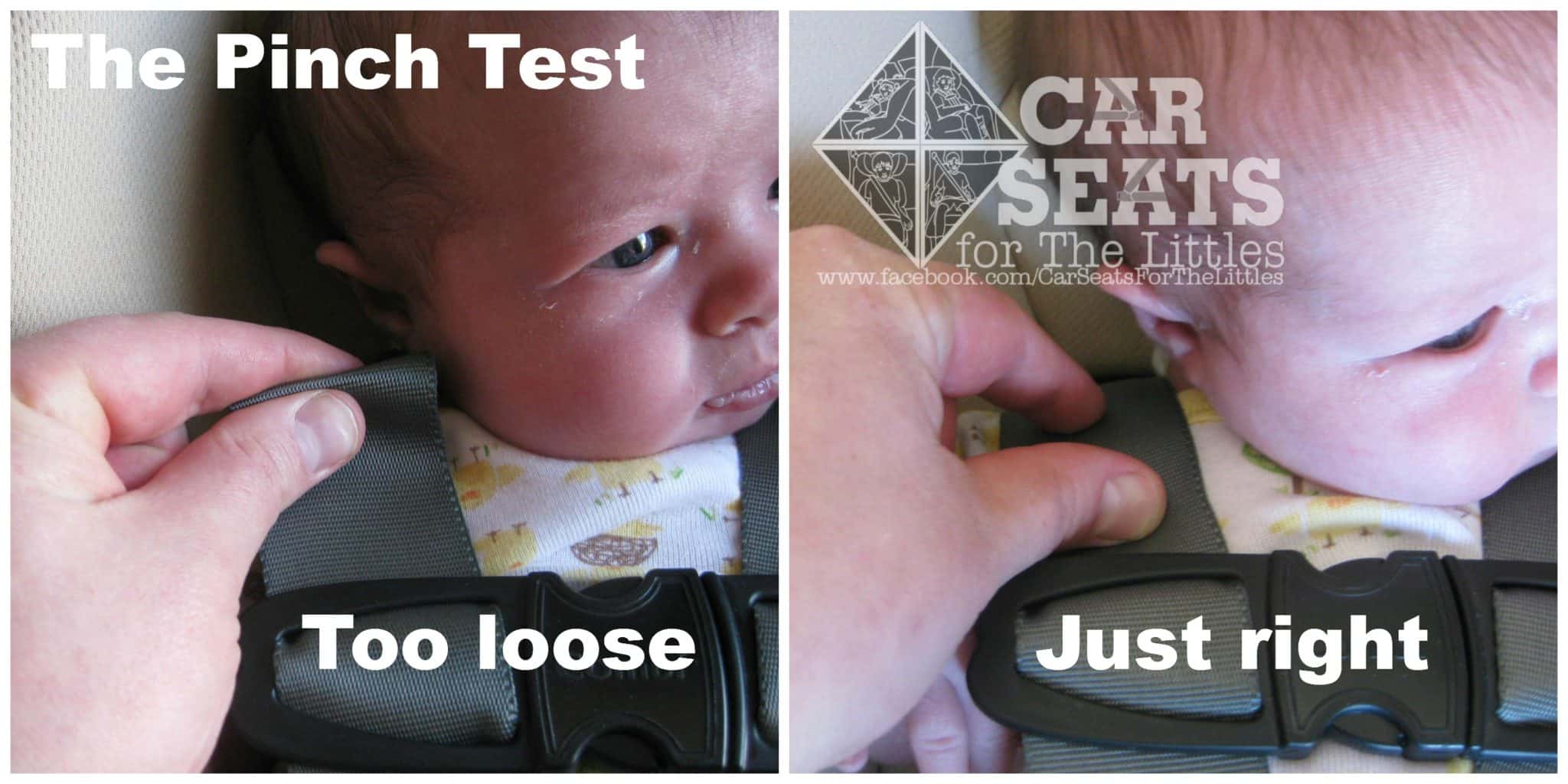
Credit: csftl.org
Measuring The Right Fit
Measuring the right fit for your car seat is key to comfort and safety. A seat that fits well helps keep you steady and reduces strain on your body. It also ensures your seatbelt works as it should in a crash. Pay close attention to adjustments and positions to find the best setup for your seat.
Proper Seatbelt Adjustment
Check that the seatbelt lies flat across your chest and hips. It should not twist or be too loose. Tighten the belt enough to hold you firmly but still allow some movement. The belt must rest low on your hips, not your stomach. Adjust the shoulder strap so it crosses your chest without cutting into your neck.
Seat Positioning Tips
Move the seat forward or backward so your feet reach pedals comfortably. Your knees should bend slightly, not fully straight or cramped. Set the seat height to keep your hips level with your knees. Lean the backrest upright or slightly tilted for good spine support. Avoid sitting too far back or leaning too far forward.
Checking Headrest And Lumbar Support
Adjust the headrest to align with the back of your head. It should sit just above your ears to protect your neck. Use the lumbar support to fill the curve of your lower back. Proper support reduces fatigue and prevents back pain. Check these often as small changes affect comfort a lot.
Expert Tips For Adjusting Your Seat
Adjusting your car seat correctly is key for comfort and safety. A properly tightened seat helps you stay in control and reduces fatigue. Small changes can make a big difference during your drive.
Step-by-step Adjustment Guide
Start by sitting fully back in the seat. Push the seat forward or backward until your feet comfortably reach the pedals. Adjust the seat height so you see the road clearly. Tilt the seat back to support your spine without leaning too far. Tighten the seat so it does not move during driving. Check that you can easily reach all controls.
Using Seat Accessories
Consider using cushions or lumbar supports for extra comfort. Seat covers with padding can reduce pressure points. Use anti-slip mats to keep your seat cover in place. These accessories help customize your seat without changing the car’s settings. They can improve posture and reduce pain on long trips.
Customizing For Different Drivers
Each driver has a unique body shape and size. Adjust the seat for each person’s comfort before driving. Save seat settings if your car has memory functions. Use easy-to-move seat covers for quick changes. Proper customization helps every driver maintain focus and avoid strain.
Common Mistakes To Avoid
Knowing how tight your car seat should be is important for safety and comfort. Many people make simple mistakes that reduce seatbelt effectiveness. Avoiding these errors helps you stay secure and prevents injuries.
Ignoring Seatbelt Slack
Leaving slack in your seatbelt weakens its protection. The belt should fit snugly across your chest and hips. Slack allows your body to move too much during sudden stops. Always pull the belt tight enough to remove any loose fabric.
Neglecting Posture
Sitting too far back or slouching affects seatbelt fit. Your back should rest fully against the seat. Keep your shoulders straight and head supported. Proper posture keeps the belt in the right position and improves safety.
Overlooking Vehicle Manual
Car manuals have specific instructions about seatbelt use. Each vehicle may have unique features or recommendations. Skipping the manual leads to incorrect seatbelt adjustment. Always read your manual to know the best way to secure yourself.
When To Seek Professional Help
Knowing when to seek professional help for your car seat tightness is important. Some problems need expert care beyond basic adjustments. Professionals can ensure your seat is safe and comfortable.
Persistent Discomfort
Feeling pain or pressure after adjusting your car seat is a sign to get help. Discomfort that does not go away might mean the seat is not right. Experts can find the cause and fix it properly.
Adjustments Beyond Standard Features
Most car seats have basic controls for tilt and height. Some needs go beyond these features. If you require special adjustments or custom fitting, a professional can assist. They have tools and skills for complex changes.
Special Needs Considerations
People with physical challenges or injuries may need unique seat adjustments. Professionals understand these special needs well. They can provide tailored solutions for safety and comfort. This support is important for long drives or daily use.
Credit: bucklemecoats.com
Frequently Asked Questions
How Tight Should A Car Seat Be For Safety?
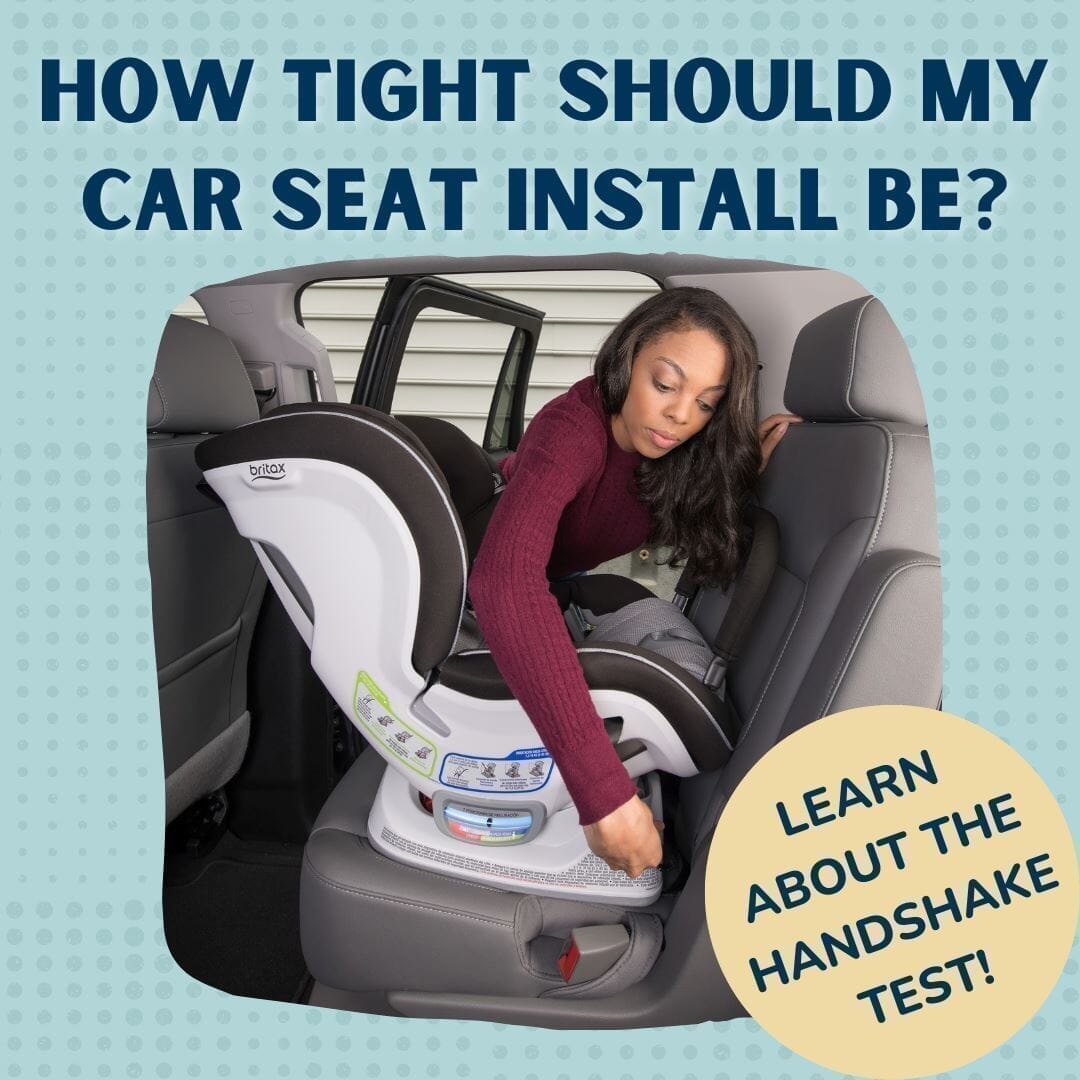
A car seat should be snug enough that it does not move more than one inch side to side or front to back. This tightness ensures maximum protection in a crash and reduces injury risk.
Why Is Proper Car Seat Tightness Important?
Proper tightness keeps the child secure and prevents excess movement. It helps the seat absorb crash forces effectively, protecting the child’s head, neck, and body.
How To Check If Car Seat Is Tight Enough?
Firmly grasp the car seat at the belt path and try to move it. If it shifts less than an inch, it is tight enough and safe.
Can A Car Seat Be Too Tight?
Yes, overly tight seats can cause discomfort and restrict breathing. Tighten until secure but still comfortable, allowing proper child movement and ventilation.
Conclusion
A car seat should fit snugly without causing discomfort. Tight enough to keep your child safe. Loose straps can put your child at risk. Check the seat regularly for proper fit. Adjust straps as your child grows. Safety is the top priority every time.
Keep these tips in mind for peace of mind. A secure car seat helps protect your loved ones on every trip. Simple steps make a big difference in safety.
