

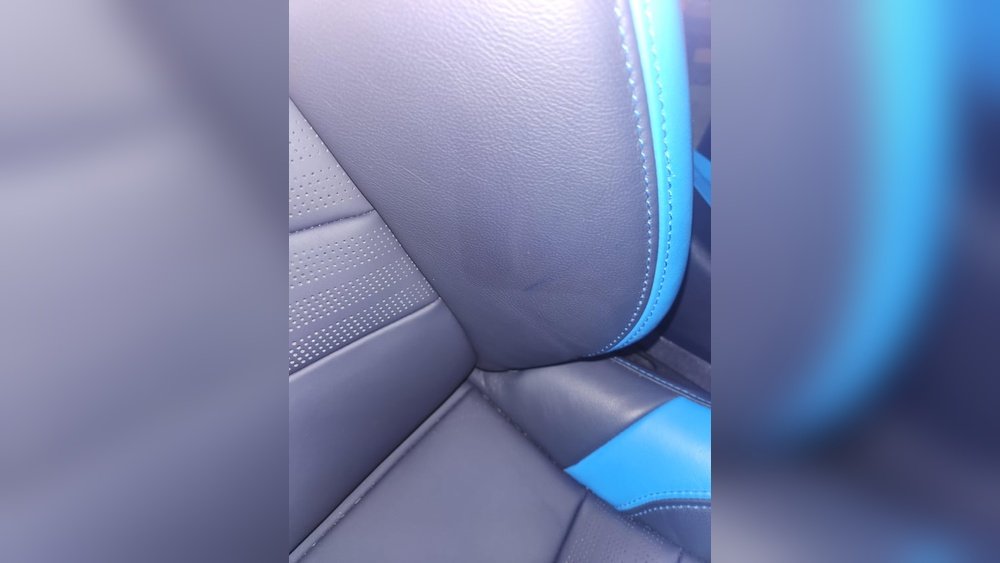
Have you ever noticed a stubborn ink stain ruining the look of your leather car seats? It’s frustrating, right?
You want your car to look clean and fresh, but ink spots can make your seats look worn and messy. The good news is, you don’t have to live with those marks. You’ll discover simple and effective ways to get ink off your leather car seats without causing damage.
Keep reading, and you’ll soon have your seats looking as good as new.
Credit: www.reddit.com
Identify The Ink Type
First, check what kind of ink stained your leather seat. Different inks need different cleaning methods. Knowing the ink type helps remove it safely without damage.
Why Knowing The Ink Type Matters
Ink stains on leather car seats can look similar but behave differently. Each ink type reacts to cleaning agents in a unique way. Using the wrong cleaner might spread the stain or damage the leather. Identifying the ink type helps pick the safest and most effective cleaning method. This step saves time and protects your car seats.
Types Of Ink You Might Find
Common ink types include ballpoint pen ink, marker ink, and printer ink. Ballpoint pen ink is oil-based and usually dark blue or black. Marker ink can be permanent or washable. Permanent markers have strong dyes that stick tightly. Printer ink is often water-based and may fade with water. Knowing these types guides your cleaning approach.
How To Identify The Ink Type
Look at the color and texture of the ink stain. Ballpoint pen ink is smooth and often shiny. Marker ink looks more matte and can bleed into leather pores. Printer ink may appear blotchy or uneven. Smell the stain gently; permanent markers have a strong chemical odor. Test a small hidden spot with water to see if the ink spreads or fades.
Gather Cleaning Supplies
Gathering the right cleaning supplies is the first step to remove ink from leather car seats. Using the correct tools helps protect the leather and makes cleaning easier. Prepare everything before you start to avoid delays and mistakes.
Leather Cleaner
Choose a cleaner made specifically for leather. It removes stains without harming the material. Avoid harsh chemicals that can dry or crack the leather.
Soft Cloths
Use soft, clean cloths for applying cleaner and wiping the seats. Microfiber cloths work well. They do not scratch the leather surface.
Rubbing Alcohol Or Hairspray
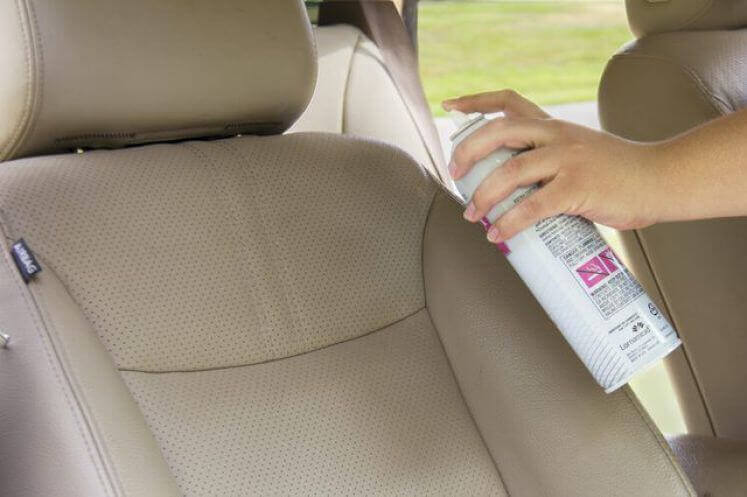
These can help lift ink stains. Use a small amount and test on a hidden spot first. This avoids damage or discoloration.
Distilled Water
Distilled water is pure and free from minerals. Use it to dampen cloths or rinse cleaner off. Tap water may leave marks on leather.
Leather Conditioner
After cleaning, apply leather conditioner. It keeps the leather soft and prevents drying. Conditioning helps maintain the seat’s look and feel.
Test Cleaning Products Safely
Testing cleaning products safely is very important before using them on leather car seats. Leather is delicate and can get damaged easily. A product that works on one area might ruin another. Always test cleaning solutions on a hidden spot first. This helps avoid stains or discoloration on visible parts.
Start with a small amount of the cleaner. Apply it gently and wait a few minutes. Check if the leather changes color or texture. If it looks good, you can use the product on the ink stain. If not, try a different cleaner or method.
Choose An Inconspicuous Area
Pick a spot that no one sees often. This could be under the seat or near a seam. Apply a small drop of the cleaner there. Wait for at least 10 minutes. Look for any color change or damage. If the leather stays the same, it is safe to use.
Use A Soft Cloth Or Cotton Swab
Use a soft cloth or cotton swab to apply the cleaner. This controls the amount of product on the leather. It also prevents rubbing too hard, which can harm the surface. Dab gently and avoid soaking the leather.
Observe Changes Before Full Cleaning
Watch the test area closely after applying the product. Some damage may appear after drying. Check after 15 to 30 minutes. If the leather feels dry or looks faded, stop using that product. Find a gentler alternative to protect your seats.
Credit: www.reddit.com
Use Rubbing Alcohol Method
Rubbing alcohol can help remove ink stains from leather car seats. Dab it gently on the stain using a soft cloth. Avoid soaking the leather to prevent damage.
What You Need For The Rubbing Alcohol Method
Gather rubbing alcohol, cotton balls, and a clean cloth. Use 70% isopropyl alcohol for best results. Have a small bowl to pour the alcohol into. Prepare your workspace by choosing a well-lit area.
How To Apply Rubbing Alcohol Safely
Dip a cotton ball into rubbing alcohol. Dab the ink stain gently, do not rub hard. Let the alcohol sit on the stain for a few seconds. Blot with a clean cloth to lift ink. Repeat dabbing and blotting until the stain fades.
Protecting Your Leather During Cleaning
Test rubbing alcohol on a hidden leather spot first. Wait five minutes to check for color change. Avoid soaking the leather to prevent damage. Use gentle motions to protect leather texture. After cleaning, apply leather conditioner to restore softness.
Try Leather Cleaner Solutions
Ink stains on leather car seats can be tough to remove. Using leather cleaner solutions offers a safe and effective method. These products are specially made to clean leather without causing damage.
Leather cleaners help break down ink without harsh chemicals. They keep leather soft and prevent cracking. Using the right cleaner protects the seat’s color and texture.
Choosing The Right Leather Cleaner
Pick a cleaner designed for leather only. Avoid all-purpose cleaners that may harm the material. Look for pH-balanced products for the best care. Test the cleaner on a small, hidden area first.
How To Apply Leather Cleaner
Use a soft cloth or sponge to apply the cleaner. Dab gently on the ink stain, do not rub hard. Let the cleaner sit a few minutes to work. Wipe off with a clean, damp cloth.
Repeat Cleaning If Needed
Stubborn ink may need several attempts. Repeat the process carefully to avoid damage. Always dry the seat after cleaning with a soft towel. Give the leather time to air dry fully.
Apply Homemade Remedies
Removing ink from leather car seats can feel tough. Store-bought cleaners may be harsh or costly. Homemade remedies offer gentle, safe options using items from your home. These solutions help lift ink stains without harming leather. Trying them soon can save your seat’s look and your wallet.
Rubbing Alcohol And Cotton Ball
Dab a small amount of rubbing alcohol on a cotton ball. Gently press the ink stain without rubbing hard. Wait a few seconds for the alcohol to break down the ink. Wipe the area with a clean, damp cloth. Repeat if needed, but avoid soaking the leather.
Baking Soda Paste
Mix baking soda with water until it forms a thick paste. Apply the paste to the ink stain using a soft cloth. Rub gently in small circles to lift the ink. Leave it on for about 10 minutes. Wipe off the paste carefully with a damp cloth.
White Vinegar Solution
Combine equal parts white vinegar and water in a bowl. Dip a clean cloth in the solution and wring out extra liquid. Dab the ink stain softly, letting the vinegar work on the ink. Use a dry cloth to blot the area afterward. Repeat if the stain remains.
Avoid Common Cleaning Mistakes
Removing ink from leather car seats requires care and the right approach. Many people make common mistakes that damage the leather or spread the ink more. Avoiding these errors saves time and keeps your seats looking good.
Understanding what not to do is as important as knowing how to clean the stain. Small errors can cause permanent marks or rough patches on leather. Always handle leather gently and test any cleaner first.
Use Harsh Chemicals
Strong chemicals can strip leather’s natural oils. This causes dryness and cracking over time. Avoid bleach, alcohol, or ammonia-based cleaners. Instead, use mild soap or special leather cleaners made for ink stains.
Scrubbing Too Hard
Vigorous scrubbing damages the leather surface. It can leave scratches and make the stain worse. Use a soft cloth and gentle circular motions. Patience works better than force.
Skipping The Spot Test
Not testing a cleaner on a hidden spot risks discoloration. Always try on a small, unseen area first. Watch for any color change or damage before full application.
Using Water Excessively
Leather does not like soaking wet cloths. Too much water can cause stains to spread or leather to warp. Use a damp cloth, not a wet one. Dry the area quickly with a soft towel.
Ignoring Manufacturer’s Instructions
Leather varies by type and treatment. Cleaning advice may differ based on the seat material. Follow the car or leather maker’s cleaning instructions carefully. This prevents unintended damage.
Credit: autodetailingpro.ca
Condition Leather After Cleaning
Cleaning ink from leather car seats can dry the surface. Applying a leather conditioner restores softness and prevents cracking. This step keeps the seats looking fresh and smooth.
Why Condition Leather After Cleaning?
Cleaning ink from leather seats can make the leather dry and stiff. Conditioning brings back moisture. It keeps leather soft and flexible. Without conditioning, leather can crack or fade over time. Conditioning helps protect your car seats from damage.
Choose The Right Leather Conditioner
Pick a conditioner made for car leather. Some products work better on natural leather than synthetic. Avoid anything with harsh chemicals. Test a small area first. This prevents unwanted stains or damage.
How To Apply Leather Conditioner
Use a clean, soft cloth for application. Apply a small amount of conditioner. Rub it gently into the leather in circles. Cover all cleaned areas evenly. Let the leather absorb the conditioner for about 15 minutes.
Buffing For A Smooth Finish
After the conditioner soaks in, buff the leather. Use a dry microfiber cloth. Buffing removes excess conditioner. It also restores the leather’s natural shine. This step makes your seats look fresh and new.
When To Seek Professional Help
Serious ink stains on leather car seats may need a professional’s touch. If home methods don’t work or damage appears, seek expert cleaning help. Experts can safely remove tough stains without harming the leather.
When Ink Stains Are Deep And Large
Ink stains that soak deep into leather need expert care. Deep stains can spread or damage the leather surface. Professionals have special tools to clean without harm. Attempting to clean these stains alone may worsen the problem.
When Home Methods Fail
After trying home cleaning, some ink stains stay stubborn. This is a clear sign to get professional help. Experts can remove tough stains safely. They know how to protect your car seats during cleaning.
When Leather Is Expensive Or Vintage
High-end or vintage leather requires careful handling. Mistakes can reduce the leather’s value or ruin its look. Professionals understand how to treat delicate leather. Trust them to keep your seats in top shape.
When You Notice Damage Or Discoloration
Ink removal can sometimes cause discoloration or damage. If you see changes in leather color or texture, stop cleaning. A professional can repair or restore the leather properly. This helps keep your seats looking new.
When You Lack Time Or Proper Tools
Cleaning ink stains takes time and the right tools. Without them, cleaning can be frustrating and ineffective. Professionals save you time and effort. They use the best products and techniques for quick results.
Frequently Asked Questions
How Can I Safely Remove Ink From Leather Seats?
Use a cotton swab dipped in rubbing alcohol gently on the ink spot. Blot, don’t rub. Wipe with a damp cloth and dry immediately.
What Household Items Remove Ink Stains On Leather?
Rubbing alcohol, non-acetone nail polish remover, and white vinegar work well. Test on a hidden spot first to avoid damage.
Can Leather Cleaner Remove Ink Stains Effectively?
Yes, some leather cleaners are designed to remove ink. Follow product instructions carefully and always test on an inconspicuous area first.
Is It Safe To Use Alcohol On All Leather Types?
Alcohol can dry out or discolor some leather. Use it sparingly and only on sealed or finished leather surfaces.
Conclusion
Removing ink from leather car seats takes patience and care. Start with gentle cleaning methods to avoid damage. Test any cleaner on a small spot first. Act quickly to prevent ink from setting in. Regular maintenance helps keep leather seats looking fresh.
Remember, harsh chemicals can harm leather. Clean spills as soon as possible. With the right steps, your leather seats can look great again. Keep your car interior neat and enjoy a clean ride every day.
