

Are you wondering if you really need the base of a car seat for your little one? Choosing the right car seat setup can feel confusing, especially when safety is on the line.
The base might seem like just an extra piece, but it could make a big difference in how secure and easy-to-use your car seat is. You’ll discover why the base matters, how it impacts your child’s safety, and whether it’s the right choice for your family.
Keep reading to make the best decision for your child’s car travel.
Credit: csftl.org
Why Car Seat Bases Matter
Car seat bases play a key role in child safety during car rides. They provide a solid foundation for the car seat, helping it stay in place. Many parents wonder if they really need the base or if they can secure the seat without it. Understanding why car seat bases matter helps make safer choices for your child.
Stability And Security
The base keeps the car seat stable in the vehicle. It fits tightly and prevents movement during travel. This stability reduces the risk of injury in sudden stops or crashes. A secure base locks the seat firmly, giving parents peace of mind. Without the base, the seat might shift, which can be dangerous.
Proper Installation Benefits
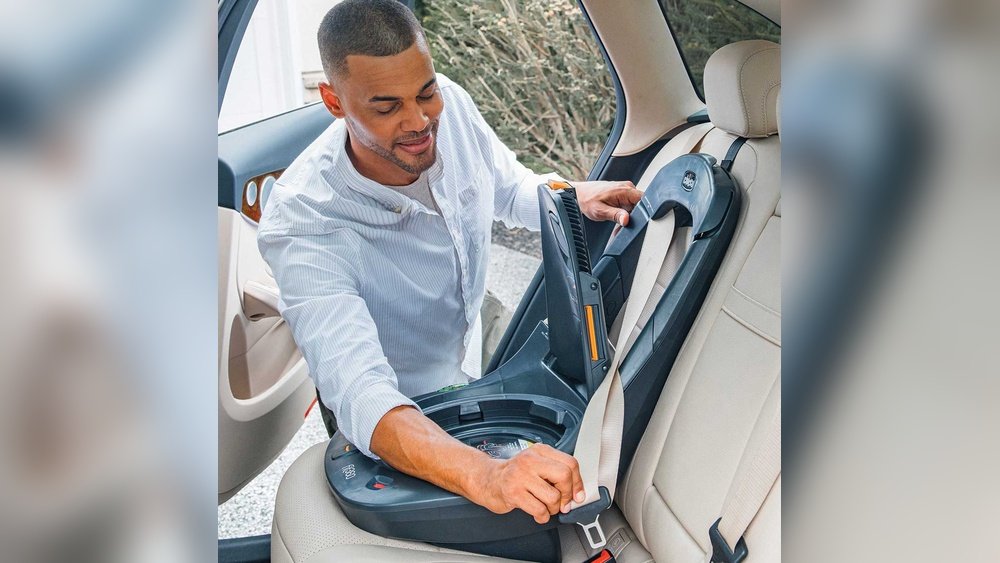
Installing a car seat base correctly is easier and faster than installing the seat alone. The base stays in the car, so you just click the seat in and out. This reduces errors that happen with seat installation every time. Proper installation means the seat meets safety standards and protects your child well. It also saves time during busy days or trips.
Types Of Car Seats And Bases
Car seats come in several types, each designed for different ages and sizes. Knowing the types helps you choose the right seat and base for your child. Some seats need a separate base, while others do not. Understanding this difference keeps your child safe and makes travel easier.
Infant Car Seats
Infant car seats are for newborns and small babies. They usually come with a detachable base. The base stays in the car, so you can click the seat in and out easily. This feature makes carrying your baby and moving the seat simple.
Convertible Car Seats
Convertible seats grow with your child. They can be used rear-facing for babies and forward-facing for toddlers. Most convertible seats do not need a separate base. They are installed directly with the car’s seat belt or LATCH system. This offers flexibility as your child grows.
Booster Seats
Booster seats help older children use the car’s seat belt correctly. These seats do not have a base. They lift the child to position the seat belt safely. Booster seats come in high-back or backless types. They are simple to install and move between cars easily.
When A Base Is Necessary
Knowing when a base is necessary for a car seat helps keep your baby safe. Not all car seats need a base, but some do for proper installation. A base can offer extra stability and ease of use. Understanding the key reasons for using a base can guide your choice.
Infant Car Seat Requirements
Many infant car seats require a base for safe use. The base stays installed in the car, allowing quick seat clicks. This setup reduces the chance of incorrect installation. Some models cannot be used without their base at all. Always check the car seat manual for exact rules.
Travel And Convenience Factors
Using a base makes travel easier for parents. It allows fast removal and reattachment of the car seat. This is helpful when moving the baby between car and stroller. A base also keeps the car seat stable during short stops. For frequent travel, a base adds convenience and safety.

Credit: strolleria.com
Using A Car Seat Without A Base
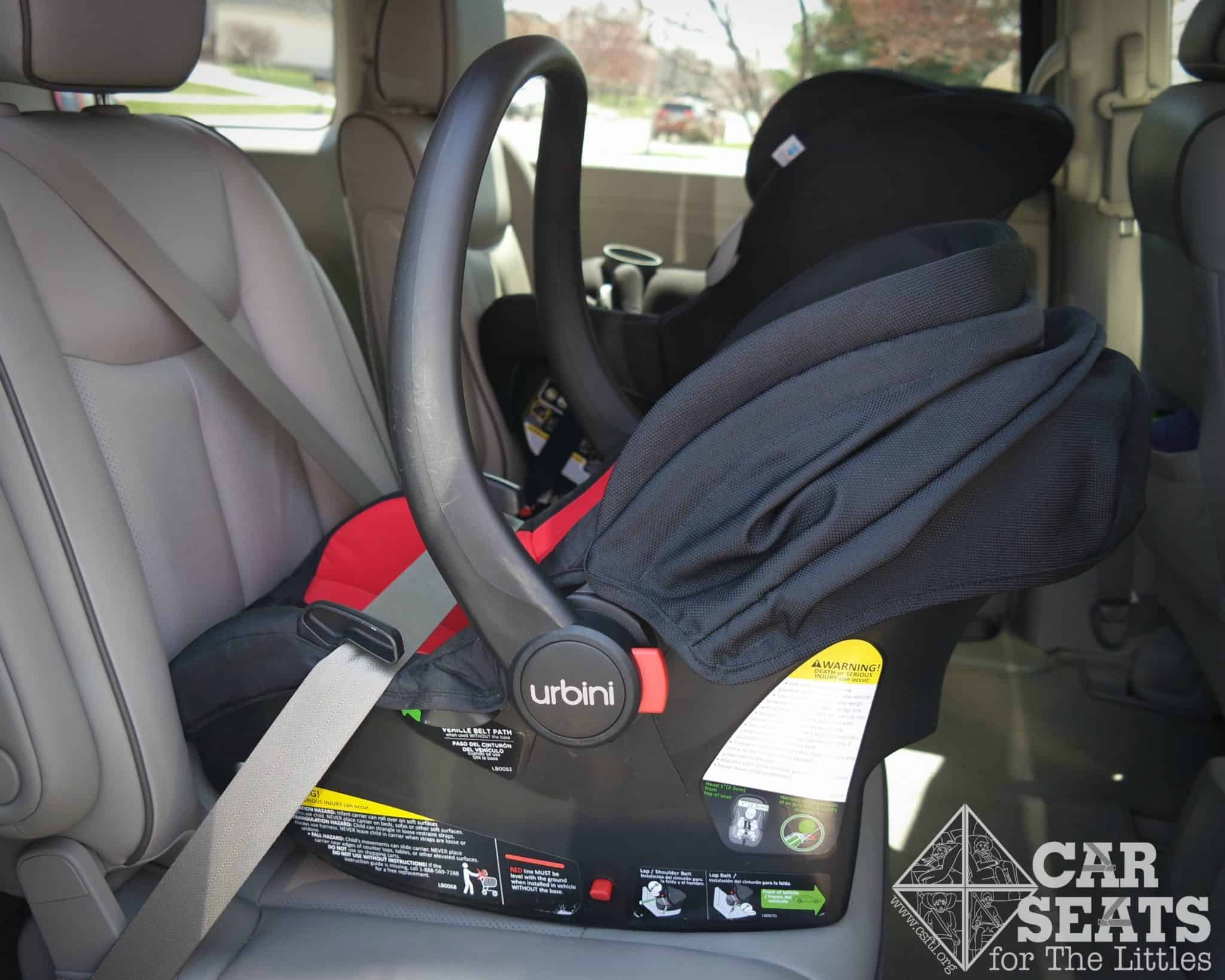
Using a car seat without a base is possible but not very common. Some parents choose this option for travel or short trips. It can save space in the car and make the seat easier to carry. Yet, it brings some challenges and safety concerns.
Installation Challenges
Installing a car seat without a base can be tricky. Most infant seats are designed to click into a base. Without it, you must use the car’s seat belt to secure the seat. This process requires careful attention to ensure a tight fit.
Seat belts vary in cars, so installation might not be the same every time. The seat can move more than with a base. This movement can be dangerous in a crash. It often takes more time to install properly without a base.
Safety Considerations
Safety is the top priority with any car seat. Using a seat without a base can reduce stability. The seat may not be as secure during a sudden stop or accident. A base helps keep the seat at the correct angle for a baby’s safety.
Many safety experts recommend always using a base. Some car seats are tested only with their base. Without the base, the seat might not meet all safety standards. Always follow the car seat manufacturer’s instructions for best safety.
Choosing The Right Car Seat Base
Choosing the right car seat base is important for your child’s safety and your convenience. A good base fits well in your car and makes installing the seat easier. It also helps keep the seat stable during travel. Understanding key features will guide you to a better choice.
Compatibility With Your Vehicle
Not all car seat bases fit every vehicle. Check if the base works with your car model. Look for bases with universal fit or specific vehicle approval. Ensure the base attaches securely to your car’s seat. This reduces movement and improves safety.
Ease Of Use Features
Easy installation saves time and reduces errors. Look for bases with clear instructions and simple latch systems. Some bases have indicators to show correct installation. Adjustable angles help fit the base properly. These features make your daily use smoother and safer.
Installation Tips For Car Seat Bases
Installing a car seat base correctly keeps your child safe during every ride. A secure base prevents excessive movement in case of sudden stops. Follow these simple tips to make sure the base fits tightly and stays stable. Proper installation is key to protecting your child.
Securing With Latch System
The LATCH system uses built-in anchors in your car. Connect the base hooks to these anchors firmly. Pull the straps tight to remove any slack. The base should not move more than one inch side to side. Check the car manual for the exact anchor locations. Lock the connectors to avoid loosening while driving.
Using Seat Belts Properly
Thread the seat belt through the base’s belt path. Buckle the seat belt and lock it by pulling tight. Press down on the base firmly while tightening the belt. The base must not shift more than one inch. Use a locking clip if your car does not lock the seat belt automatically. Check the base angle to ensure it is level.
Common Mistakes With Car Seat Bases
Car seat bases make installing your child’s seat easier and safer. Many parents trust bases for quick setup. Yet, some common mistakes can reduce safety. Knowing these errors helps avoid risks and keeps your child secure.
Incorrect Angle Placement
Car seat bases must sit at the right angle. Too steep or too flat causes discomfort or danger. A wrong angle can harm a child’s head and neck in a crash. Most bases have built-in angle indicators. Use them to check the tilt every time. Never guess the angle; always measure carefully.
Loose Installation Issues
A loose base moves during travel. This can cause the seat to shift or tip over. Tighten the base firmly using the vehicle’s seat belt or LATCH system. Test the base by shaking it side to side and front to back. It should not move more than one inch. Secure installation protects your child better in accidents.

Credit: www.sietesetenta.com.ar
Safety Regulations And Standards
Safety regulations and standards guide how car seats should be used. These rules help protect children during travel. They ensure car seats meet strict safety tests. Understanding these standards helps parents make better choices.
Government Guidelines
Governments set rules for car seat safety. These rules vary by country but share common goals. They require car seats to pass crash tests. Some laws require using a base for infant seats. These guidelines aim to reduce injury risks in accidents.
Manufacturer Recommendations
Car seat makers provide important safety instructions. They tell parents if a base is needed. The base often helps install the seat correctly. Following these instructions keeps the child secure. Ignoring them may lower the seat’s safety level.
Maintenance And Inspection
Proper maintenance and inspection of your car seat base are crucial for your child’s safety. A well-maintained base ensures the seat stays secure during every trip. Regular care helps spot any damage early before it becomes a problem.
Regular Checks
Check the base every time you use it. Look for cracks, loose parts, or worn straps. Make sure the base clicks firmly into the car’s seat. Confirm the level indicator shows the correct angle. Clean the base with mild soap and water. Avoid harsh chemicals that can weaken the material.
When To Replace A Base
Replace the base if you find any cracks or broken parts. Do not use a base involved in a car accident, even if it looks fine. Follow the manufacturer’s expiration date for replacement. A base older than six years may not be safe. Always choose a new base approved for your car seat model.
Frequently Asked Questions
Do All Car Seats Require A Base For Installation?
Not all car seats need a base. Infant car seats typically require a base for secure installation. Convertible and booster seats often install directly using seat belts or LATCH systems without a base.
What Are The Benefits Of Using A Car Seat Base?
A car seat base offers easier installation and consistent safety. It stays installed in the car, allowing quick attachment and removal of the seat. This reduces installation errors and improves child safety during travel.
Can A Car Seat Base Fit In Any Vehicle?
Most car seat bases fit standard vehicles, but compatibility varies. Always check the car seat and vehicle manuals for proper fit. Some bases are adjustable to fit different seat shapes and seat belt types.
Is It Safe To Use A Car Seat Without Its Base?
Using a car seat without its base can be less secure. Infant seats designed for use with a base may not install correctly without it. Always follow manufacturer instructions to ensure maximum safety.
Conclusion
Choosing the right car seat base keeps your child safe and secure. It makes installing the seat quick and easy. Without a base, you may struggle to fit the seat properly. A stable base reduces seat movement during travel. Always check your car seat manual for base use instructions.
Safety matters most on every trip. A good base brings peace of mind for parents. Keep your little one protected with the right setup. Simple steps can make a big difference in safety.
