

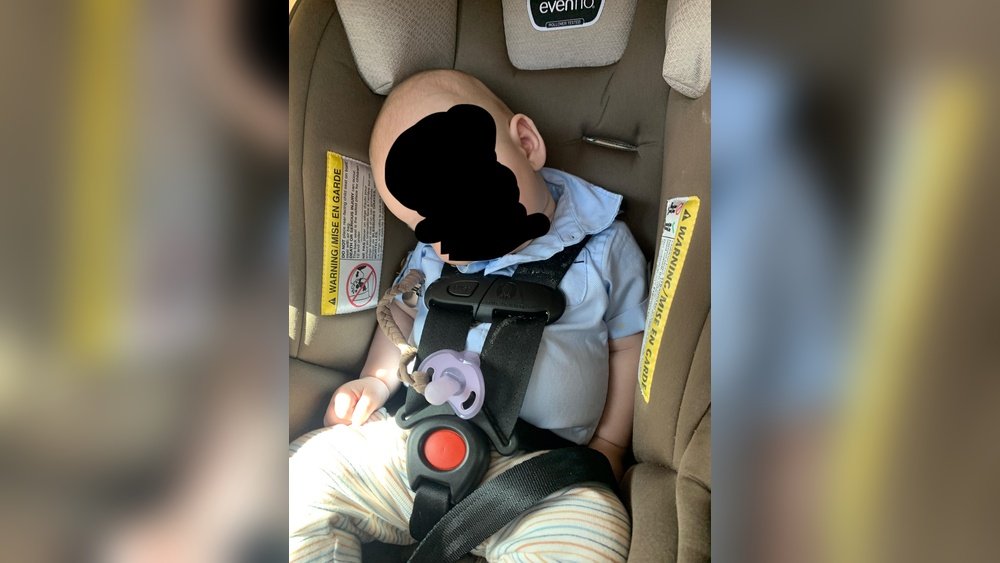
If you’re a new parent, you want to keep your baby safe and comfortable at all times. Using a newborn insert in your car seat is a great way to support your little one during those first few months.
But you might be wondering—when is the right time to take that insert out? Removing it too soon or too late can affect your baby’s safety and comfort. You’ll discover exactly when and why you should remove the newborn insert, so you can feel confident every time you buckle up.
Keep reading to protect your baby and make every car ride a smooth one.

Credit: www.liftingitalia.com
Risks Of Prolonged Car Seat Use
Using a newborn insert in a car seat for too long can cause problems. Newborns need breaks from the car seat to stay healthy and comfortable. Sitting too long can lead to physical and breathing issues. Parents must watch their babies closely.
Physical Strain On Newborns
Newborns have soft bones and delicate muscles. Long periods in a car seat can cause pressure on their backs and necks. This strain may lead to muscle soreness or stiffness. It can also affect their natural posture. Moving the baby often helps prevent these issues.
Breathing And Airway Concerns
The angle in a car seat can affect a newborn’s breathing. Sitting too long may cause the head to fall forward. This position can block the airway partially. Babies with weak neck muscles are at higher risk. Regularly checking and adjusting the baby’s position is important.
Signs Of Discomfort
Babies cannot tell us when they feel uncomfortable. Watch for fussiness, crying, or restlessness. Look for changes in skin color or breathing patterns. These signs suggest the baby needs a break from the car seat. Responding quickly keeps the baby safe and calm.
Recommended Time Limits
Newborn inserts provide extra support and comfort in car seats. But it is important to know how long your baby should stay in the insert. Keeping your baby in the insert for too long can be unsafe. Parents must follow clear time limits to protect their newborn’s health and safety.
Guidelines From Pediatric Experts
Doctors and child safety experts suggest limiting car seat time for newborns. They warn against long periods in the insert. Babies need breaks to move and stretch. Experts recommend no more than two hours at a time. This helps prevent breathing problems and discomfort.
Safe Duration For Car Seat Use
Babies should not stay in the car seat insert for over two hours continuously. Short trips are okay, but long rides need pauses. Taking the baby out after two hours supports healthy growth. It also lowers the risk of flat head syndrome and poor circulation.
Monitoring Time Spent
Parents should watch how long their newborn uses the insert. Set a timer if needed. Check the baby often for signs of fussiness or discomfort. Remove the insert and let the baby rest outside the seat regularly. This practice keeps the baby safe and comfortable.
Safe Practices For Car Seat Use
Using a car seat safely helps protect your newborn during every trip. Correct use lowers risks and keeps your baby comfortable. Follow key practices to ensure your little one stays secure and happy in the car seat.
Proper Positioning Techniques
Place your baby in the car seat with their back flat against the seat. Make sure the straps are snug but not too tight. The chest clip should be at armpit level to hold the harness in place. Avoid bulky clothing that can affect the fit of the straps. Adjust the car seat recline to keep your baby’s head from falling forward.
Frequent Breaks And Movement
Limit the time your newborn spends in the car seat. Long periods can affect breathing and comfort. Stop every hour during long trips to take your baby out. Hold and move your baby gently to encourage circulation. These breaks help prevent stiffness and keep your baby calm.
Using Car Seats Outside The Car
Car seats can be used outside the vehicle for short periods. Always place the car seat on a flat, stable surface. Never leave your baby unattended in the car seat outside the car. Use this option for naps or carrying the baby safely from one place to another. Avoid using the car seat as a regular chair or swing.
Alternatives To Car Seats For Newborns
Newborns spend a lot of time in car seats during travel. Still, these seats are not designed for long periods outside the car. Parents often seek safe, comfortable alternatives for their babies at home. These options help keep newborns secure and cozy without the risks of extended car seat use.
Several choices exist for newborn comfort and safety beyond the car seat. Each alternative serves different needs, from soothing motion to safe sleep. Understanding these options helps parents make better decisions for their child’s well-being.
Infant Carriers And Swings
Infant carriers offer a safe way to hold and move newborns. They keep babies close and supported. Many carriers have soft padding and adjustable straps for comfort.
Swings gently rock newborns, calming them and helping them rest. They have safety straps to keep the baby secure. Swings often include soothing sounds or vibrations to relax infants.
Safe Sleep Spaces
Safe sleep spaces protect newborns during naps and nighttime. Cribs, bassinets, and portable play yards provide firm, flat surfaces. These areas reduce the risk of suffocation and sudden infant death syndrome (SIDS).
Always place babies on their backs to sleep. Keep the sleep area clear of pillows, blankets, and toys. Use a fitted sheet and ensure good airflow.
When To Transition Out
Newborns should not stay in car seats outside the car for long. Limit car seat use to actual travel times. At home, switch to carriers, swings, or sleep spaces.
Watch baby’s cues for comfort and safety. If the newborn fusses or seems uncomfortable, change positions. Transition gradually to other safe options as the baby grows.
Signs To Remove Insert Immediately
Knowing when to remove a newborn insert from a car seat is very important. The insert helps keep your baby safe and comfortable. But some signs show it may cause harm. Acting quickly keeps your baby safe and happy. Watch for these clear signs to remove the insert right away.
Visible Red Marks Or Pressure Points
Check your baby’s skin after every trip. Red marks or pressure points mean the insert is too tight. These marks can lead to skin irritation or sores. Never ignore these signs. Remove the insert to protect your baby’s delicate skin. Comfort matters as much as safety.
Respiratory Distress Symptoms
Watch your baby’s breathing closely. If breathing seems fast, shallow, or noisy, stop using the insert. Inserts can sometimes block airways or cause poor head positioning. Signs like blue lips or extreme difficulty breathing need urgent action. Remove the insert immediately and seek help if needed.
General Fussiness And Irritation
Your baby cannot tell you what’s wrong. Fussiness or constant crying can be a sign. The insert might cause discomfort or restrict movement. If your baby seems unhappy only while in the car seat, check the insert. Removing it can help calm your baby quickly.

Credit: www.reddit.com
Maintenance And Inspection Tips
Keeping your newborn car seat insert in good shape is very important. Regular checks help keep your baby safe and comfortable. Small problems can become big if not noticed early. Cleanliness also matters a lot to protect your baby’s health.
Checking Insert Condition
Look at the insert carefully before each use. Check for tears, loose threads, or worn areas. Make sure padding is still soft and supportive. If the insert looks damaged, stop using it. Replace it with a new one to keep safety.
Cleaning And Hygiene
Remove the insert for cleaning regularly. Follow the manufacturer’s washing instructions to avoid damage. Use mild soap and warm water for spot cleaning. Let it air dry completely before putting it back. Clean inserts keep your baby healthy and fresh.
Ensuring Proper Fit
Check that the insert fits well inside the car seat. It should not be too tight or too loose. The insert must hold your baby snugly without squeezing. Adjust straps and positioning to keep the right fit. A good fit helps protect your baby during travel.

Credit: kdfoundation.org
Frequently Asked Questions
When Should I Remove A Newborn Insert From Car Seat?
Remove the newborn insert when your baby outgrows it. Check if your baby’s head or body no longer fits snugly. Most inserts are designed for infants up to 11 pounds or when the baby’s shoulders reach the top harness slots.
Can I Keep The Insert In For Every Car Ride?
No, only use the insert when the baby fits properly. It provides extra support for smaller infants. Once the baby grows and fits securely without it, remove the insert to ensure proper harness positioning and safety.
How Do I Know If The Insert Is Unsafe?
If the insert causes the harness to fit loosely or shifts the baby’s position, it’s unsafe. Also, if the baby’s head tilts forward or the insert compresses too much, remove it immediately to maintain proper safety standards.
Does Removing The Insert Affect Car Seat Safety?
Yes, removing the insert at the right time improves safety. The insert is for extra support in early months. Once your baby grows, removing it ensures the harness fits correctly and the baby is protected during travel.
Conclusion
Newborn inserts support your baby’s safety and comfort in car seats. Remove the insert once your baby grows and fits the seat without extra padding. Check weight and height limits on the car seat manual. Using the insert too long can affect safety during travel.
Always follow manufacturer guidelines for best protection. Your baby’s safety comes first on every trip. Trust your instincts and keep your little one secure. Car rides become safer as your baby grows and adjusts to the seat.
