

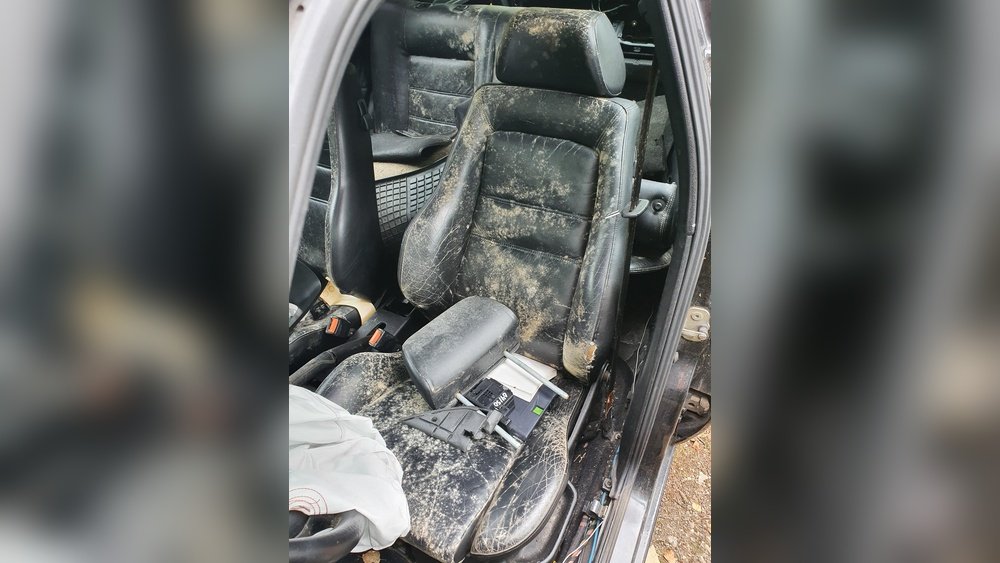
Mold on your leather car seats can be more than just an eyesore—it can damage your seats and create unpleasant odors. If you’ve noticed those stubborn spots creeping in, you probably want a quick and effective way to get rid of them.
The good news? You don’t have to replace your seats or call an expensive professional. You’ll discover simple, step-by-step methods to remove mold safely and restore the fresh look of your leather seats. Keep reading, and you’ll learn how to protect your car’s interior from mold for good.
Causes Of Mold On Leather Seats
Mold grows on leather car seats because of certain conditions. Leather is natural and can absorb moisture. This moisture creates a perfect place for mold to grow. Understanding the causes helps prevent and remove mold effectively.
Common Moisture Sources
Water leaks from windows or sunroofs can wet leather seats. Spilled drinks or rainwater can also add moisture. Wet clothes or towels left on seats increase dampness. These sources provide the water mold needs to grow.
Impact Of Humidity And Temperature
High humidity makes leather damp and soft. Warm temperatures help mold spores grow fast. Cars parked in humid areas face more mold problems. Poor ventilation inside the car traps moisture, worsening the issue.

Credit: www.youtube.com
Signs Of Mold On Leather
Mold on leather car seats can cause damage and bad odors. Spotting mold early helps protect your car’s interior. Mold often grows in damp or humid conditions. It can harm the leather’s texture and color. Knowing the signs of mold keeps your seats clean and safe.
Visual Indicators
Mold looks like small spots or patches on leather. These spots may appear white, green, black, or gray. They often form in clusters or spread over time. Mold can cause discoloration on the leather surface. Check seams and creases closely for hidden mold growth. Dark stains or fuzzy spots are common signs.
Smell And Texture Changes
Mold creates a musty, damp smell inside the car. This odor often lingers and worsens over time. Leather affected by mold may feel sticky or slimy. The surface can become rough or cracked. Mold weakens leather fibers, making seats less soft. Notice any strange smells or texture changes immediately.
Essential Supplies Needed
Removing mold from leather car seats needs the right supplies. Using the correct tools and cleaning solutions helps protect your leather. It also makes the cleaning process easier and more effective. Prepare all items before starting to avoid interruptions.
Cleaning Solutions
Choose a gentle cleaner safe for leather. Mild soap mixed with water works well. Avoid harsh chemicals that can damage leather. Leather cleaner or saddle soap are good options too. Vinegar diluted with water can kill mold spores. Test the solution on a small spot first.
Tools And Protective Gear
Soft cloths or microfiber towels help wipe the seats gently. Use a soft-bristle brush to remove mold without scratching. Gloves protect your hands from mold and cleaning agents. A mask stops you from breathing in mold spores. Have a spray bottle ready for applying solutions evenly.

Credit: www.reddit.com
Step-by-step Mold Removal
Mold on leather car seats can cause damage and bad odors. Removing mold quickly helps protect your car’s interior. Follow these simple steps to clean mold safely and effectively. This guide breaks down the process into easy parts.
Preparing The Area
Start by parking your car in a well-ventilated space. Open all doors and windows to allow fresh air in. Wear gloves and a mask to protect yourself from mold spores. Remove any loose dirt or dust from the seats with a soft brush. Cover nearby surfaces to prevent mold spread during cleaning.
Cleaning The Leather
Mix equal parts of water and rubbing alcohol in a spray bottle. Lightly spray the solution on the moldy areas of the leather. Use a soft cloth to gently wipe the leather in circular motions. Avoid soaking the leather to prevent damage. Repeat the process until the mold disappears. For tough spots, use a leather cleaner designed for mold removal.
Drying And Ventilation
After cleaning, dry the seats with a clean towel. Leave the car doors open to let air flow inside. Use a fan if possible to speed up drying. Make sure the leather is completely dry to stop mold from returning. Regular ventilation helps keep your car mold-free in the future.
Leather Care After Cleaning
After removing mold from leather car seats, caring for the leather is important. Proper care keeps the leather soft, strong, and looking good. It also helps stop mold from coming back. Follow these steps to protect your leather seats and keep them clean for longer.
Conditioning The Leather
Leather can dry out after cleaning. Use a leather conditioner to add moisture back. Apply a small amount with a soft cloth. Rub gently in a circular motion. Let the conditioner soak in for a few minutes. Buff off any extra with a clean cloth. Conditioning keeps leather soft and prevents cracks.
Preventing Future Mold Growth
Keep your car dry to stop mold from growing again. Air out your car often to reduce moisture. Use a dehumidifier or moisture absorber inside the car. Avoid leaving wet items on the seats. Clean spills quickly and dry seats thoroughly. Regularly check for signs of mold and clean early.
Credit: www.reddit.com
When To Seek Professional Help
Knowing when to seek professional help is key to protecting your leather car seats. Mold can sometimes be tricky to remove with home methods. Professionals have the right tools and skills to handle tough mold problems safely. They also reduce risks of further damage to your leather.
Severe Mold Infestations
Large mold patches covering a big area need expert attention. Professionals can assess the full extent of the mold growth. They use special cleaning agents not available to the public. This ensures complete mold removal and prevents it from returning quickly.
Strong mold smells and visible black spots often show severe infestations. These issues may affect your car’s air quality. Professionals remove mold deeply, improving the smell and safety inside your vehicle.
Leather Damage Risks
Leather is delicate and can crack or fade if cleaned wrongly. Harsh chemicals or scrubbing can worsen damage. Experts know how to treat mold while protecting the leather’s texture and color.
Professionals also condition leather after cleaning. This keeps the seats soft and extends their life. Avoid DIY methods that may cause expensive repairs later.
Frequently Asked Questions
How Do I Safely Clean Mold From Leather Car Seats?
Use a mixture of equal parts water and rubbing alcohol. Dampen a cloth, gently wipe the leather, and dry it immediately. Avoid soaking the leather to prevent damage.
What Household Items Remove Mold From Leather Seats?
White vinegar and rubbing alcohol effectively kill mold on leather. Mix with water, apply gently, then wipe and dry. These items are safe and readily available.
Can Mold Damage Leather Car Seats Permanently?
Yes, mold can cause stains and weaken leather fibers if untreated. Prompt cleaning prevents permanent damage and preserves seat quality.
How Often Should I Clean Leather Seats To Prevent Mold?
Clean leather seats every 3-6 months and keep them dry. Regular cleaning and ventilation prevent mold growth and maintain leather condition.
Conclusion
Cleaning mold from leather car seats takes time and care. Use gentle cleaners and soft cloths to protect the leather. Act quickly to stop mold from spreading further. Keep your car dry and well-ventilated to prevent mold growth. Regular checks help catch mold early.
With patience, your seats can look fresh again. A clean car feels better and lasts longer. Mold removal is simple with the right steps. Stay consistent and your leather will stay safe and clean.
