

When it comes to keeping your child safe, every detail matters—especially the condition of their car seat. But did you know that car seats don’t last forever?
Using one past its expiration date can put your little one at risk. If you’re wondering how to find the expiration date of your car seat, you’re in the right place. You’ll discover simple steps to locate this important information and ensure your child’s ride is as safe as possible.
Keep reading to protect what matters most.
Credit: consumercare.safety1st.com
Why Car Seat Expiration Matters
Car seat expiration matters a lot for your child’s safety. Over time, materials in the seat can weaken. This makes the seat less able to protect your child in a crash. Knowing the expiration date helps you avoid using a seat that might fail.
Using an expired car seat can put your child at risk. The seat might look fine but may not work well in an accident. Checking the expiration date ensures the seat is still strong and safe.
Safety Risks Of Expired Seats
Expired car seats may have worn-out parts. Plastic and straps can break easily. Crashes can cause more harm if the seat is old. Safety features might stop working over time. Using an expired seat increases injury chances.
Manufacturer Guidelines
Car seat makers set expiration dates for a reason. They test seats to last only a certain time. The date shows when the seat may become unsafe. Following these guidelines keeps your child protected. Always check the date on the seat label.
Legal Considerations
Some places have laws about car seat expiration. Using an expired seat might break these laws. Law enforcement can issue fines or warnings. It is important to follow the rules. Staying legal also means staying safe.
Locating The Expiration Date
Finding the expiration date on a car seat is important. It helps you know if the seat is still safe to use. Car seats do not last forever. Over time, materials can break down. This makes the seat less protective in a crash. Knowing where to find the expiration date saves time and keeps children safe.
Common Label Locations
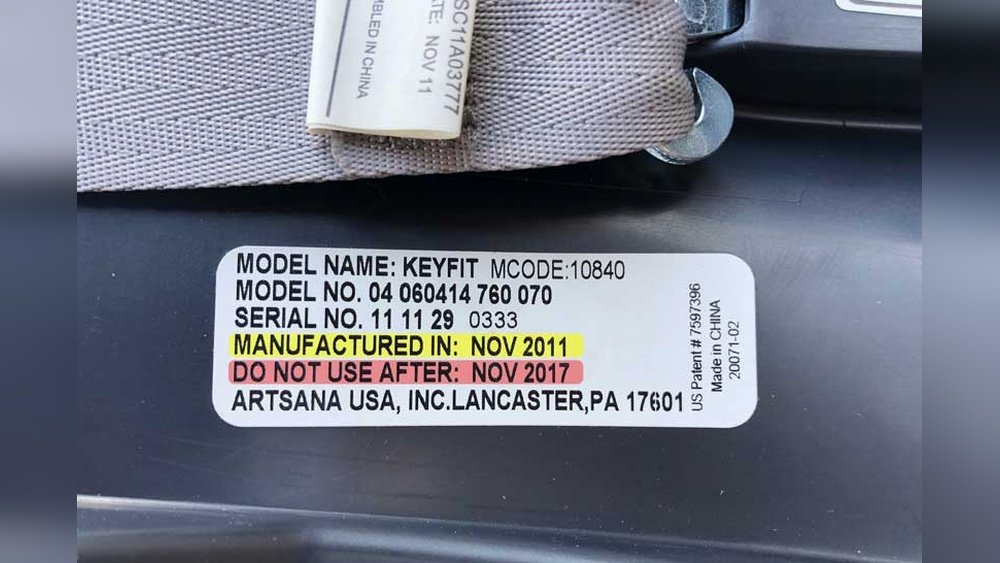
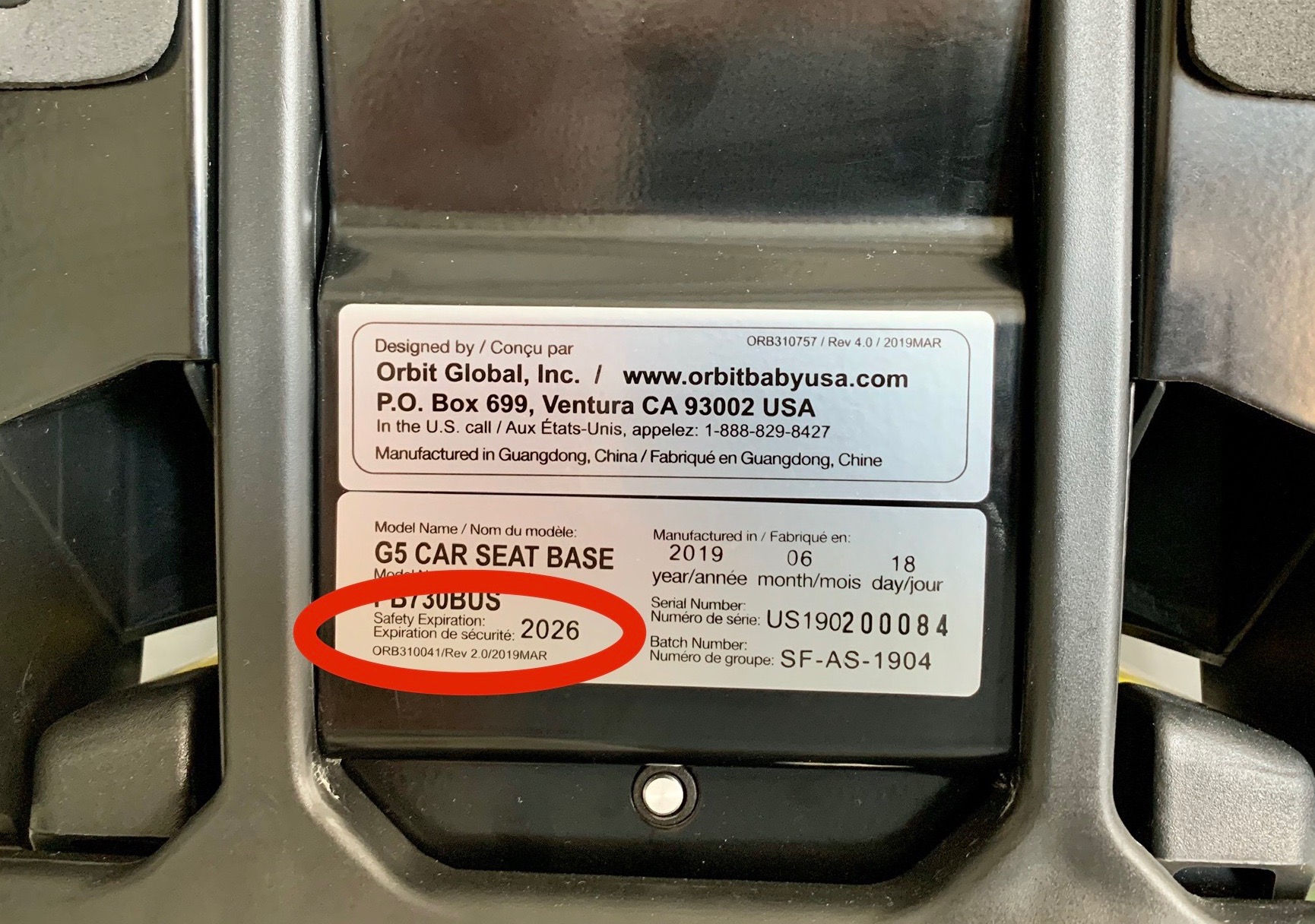
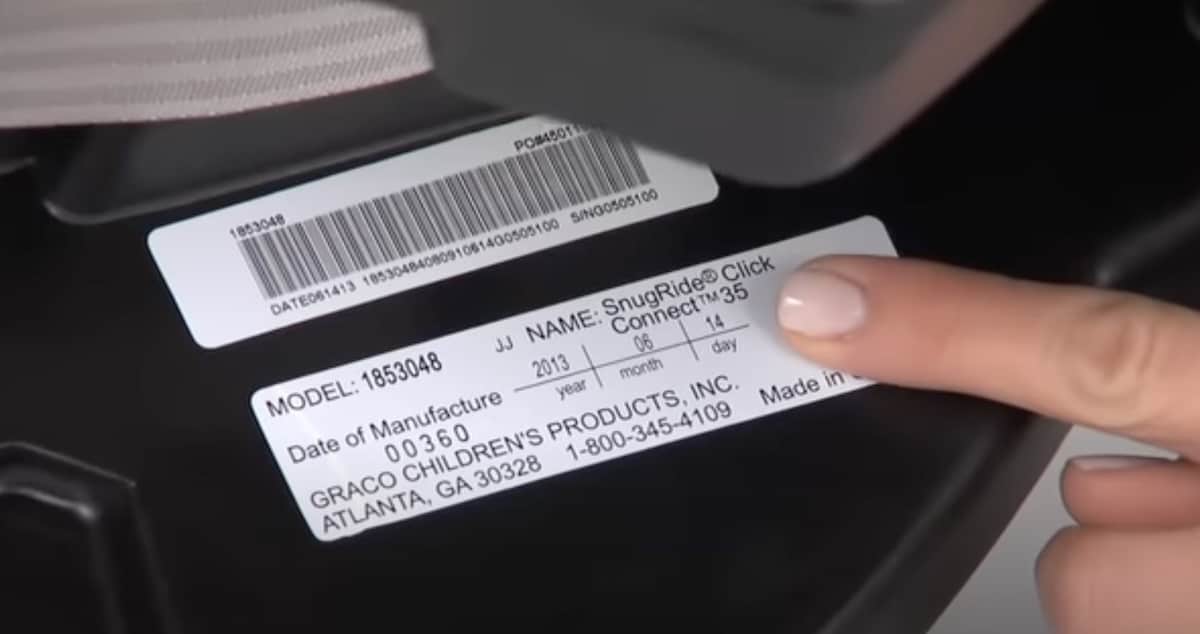
The expiration date is usually on a label or sticker. Check the back of the car seat first. Look near the bottom or on the side. Some labels are under the seat or on the frame. If you can remove the cover, check underneath it. The label may be sewn into the fabric or printed on plastic.
Decoding The Date Format
The date might look like a code. It often shows the month and year the seat expires. For example, “EXP 08/2026” means August 2026. Some seats use a manufacture date plus years of use. For example, made in 2020 with six years of use means expiration in 2026. Always read the label carefully to avoid mistakes.
When Expiration Date Is Missing
Some older car seats do not have an expiration date. Check the user manual or contact the manufacturer. Use the manufacture date to estimate the expiration. Most car seats expire six to ten years after the manufacture date. If you cannot find any date, consider replacing the seat. Safety standards change, and old seats may not protect well.
Factors Affecting Expiration
Car seats do not last forever. Several factors affect their expiration. Knowing these factors helps keep your child safe. Expired car seats may fail in a crash. Understanding what causes a seat to expire is important.
Material Degradation
Car seats face wear and tear over time. Plastic parts weaken from sunlight and heat. Fabrics can fade, tear, or lose padding. Straps may fray or lose strength. These changes reduce the seat’s safety. Material degradation makes the seat less reliable.
Technological Updates
Car seat safety rules often change. New designs improve crash protection. Older seats may lack current safety features. Manufacturers stop supporting outdated models. Using a newer seat means better protection. Technology advances push expiration dates forward.
Accident History
Seats involved in crashes may be unsafe. Even minor accidents can weaken the frame. Internal damage may not be visible. Experts recommend replacing seats after a crash. Accident history shortens a car seat’s life. Safety cannot be guaranteed with past damage.
Tips For Maintaining Car Seat Safety
Keeping a car seat safe is very important for your child’s protection. Regular care and attention help the seat work well. Follow these tips to keep the car seat in good shape and safe for use.
Regular Inspections
Check the car seat often for any signs of damage. Look for cracks, worn straps, or missing parts. Make sure the buckles work properly. Replace any damaged parts immediately. Regular inspections help spot problems early.
Proper Installation
Install the car seat exactly as the manual says. Use the seat belt or LATCH system correctly. A loose or incorrect installation can be dangerous. Tighten the straps so the seat does not move. Ask for help if you are unsure.
Cleaning And Storage
Keep the car seat clean but avoid harsh chemicals. Use mild soap and water to clean the fabric. Remove crumbs and dirt regularly. Store the seat in a dry place when not in use. Avoid leaving it in direct sunlight for long periods.
Replacing Expired Or Damaged Seats
Replacing an expired or damaged car seat is vital for child safety. Old seats may not protect well during a crash. Damaged seats can fail to keep the child secure. Knowing when to replace the seat helps avoid risks. Choosing the right new seat and disposing of the old one properly are key steps. Support is available for families needing help with car seats.
Choosing A New Seat
Select a seat that fits your child’s age, height, and weight. Check for labels showing it meets safety standards. Look for easy installation features to avoid mistakes. Seats with clear instructions help parents use them correctly. Consider seats with adjustable harnesses for growth. Choose a model that matches your vehicle’s seat type.
Disposal Of Old Seats
Old car seats should not be reused or given away. They may have unseen damage or expired parts. Cut the straps to prevent others from using them. Remove padding and labels to mark them as unsafe. Many local recycling centers accept car seats. Some stores offer take-back programs for old seats.
Resources For Assistance
Contact local safety organizations for help with car seats. Many communities offer free car seat checks. Certified technicians can inspect and guide seat use. Some programs provide low-cost or free seats to families. Online resources show how to install and maintain seats. Use these services to keep your child safe on the road.
Credit: support.orbitbabyusa.com
Credit: southernmaineonthecheap.com
Frequently Asked Questions
How Can I Locate The Car Seat Expiration Date?
You can find the expiration date on a label or imprinted molded into the car seat’s plastic shell. Check the back or bottom. It usually states the month and year the seat expires.
Why Is Knowing A Car Seat’s Expiration Important?
Expired car seats may have weakened materials and outdated safety standards. Using an expired seat can compromise your child’s safety in a crash.
How Long Do Car Seats Typically Last?
Most car seats expire 6 to 10 years after their manufacture date. Always check the specific seat’s label for the exact expiration timeframe.
Can I Use A Car Seat Past Its Expiration Date?
It is not recommended to use a car seat past its expiration date. Expired seats may not provide proper protection or meet current safety regulations.
Conclusion
Finding your car seat’s expiration date keeps your child safe. Check the label on the seat or look in the manual. Expired car seats may not protect well in crashes. Replace old seats promptly to avoid risks. Remember, safety matters more than saving money.
Regularly review your car seat’s condition and date. Stay informed and protect your little ones every ride. Simple steps make a big difference in safety. Don’t guess—always know your car seat’s expiration date.
