

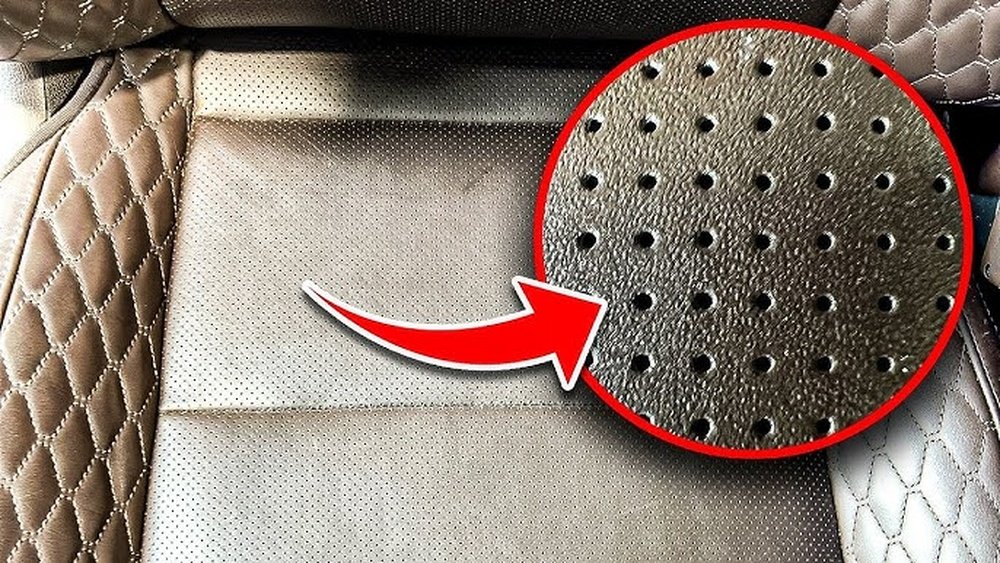
Have you noticed small holes or tears in your leather car seats and wondered how to fix them without spending a fortune? Those tiny imperfections can quickly make your car’s interior look worn and tired.
But don’t worry—you don’t have to replace your seats or hire expensive professionals. In this guide, you’ll discover simple, effective ways to clean and repair leather car seat holes, bringing back that smooth, fresh look you love. Keep reading, because your car deserves a makeover that’s easy and affordable.
Tools And Materials Needed
Cleaning leather car seat holes needs the right tools and materials. Using proper items makes the job easier and better. It helps keep your leather safe and looking good. Below are key tools you need for this task.
Leather Cleaner And Conditioner
Leather cleaner removes dirt and stains without damaging leather. Choose a cleaner made for car seats. After cleaning, apply leather conditioner. It keeps the leather soft and prevents cracks. Clean and condition regularly to maintain the leather’s look.
Repair Kits And Patches
Repair kits help fix holes and tears in leather seats. Kits usually include glue, filler, and color compounds. Use patches for larger holes to cover and protect them. Choose kits that match your seat’s color for a natural look.
Cleaning Cloths And Brushes
Soft cloths help wipe away dirt gently. Use microfiber cloths for best results. Small brushes reach into holes and seams to clean deeply. Avoid stiff brushes that can scratch leather. Keep cloths clean to prevent spreading dirt.

Credit: www.reddit.com
Assessing The Damage
Before repairing leather car seat holes, it is important to assess the damage. This step helps you understand the type and size of the hole. Knowing these details guides you to the right cleaning and repair methods. Careful inspection saves time and effort later.
Check the seat closely under good light. Look for any tears, cracks, or worn-out spots. Note the condition of the leather around the hole as well. This information will help you choose the correct tools and products.
Types Of Leather Seat Holes
Leather car seat holes come in different forms. Some may be small punctures caused by sharp objects. Others can be larger tears from wear or accidents. There are also holes made by burns or chemical damage.
Each type needs a different cleaning and repair approach. Small holes may only require simple cleaning and patching. Large tears might need professional repair or replacement parts.
Size And Depth Considerations
Measure the size of the hole carefully. Small holes under one inch are easier to fix at home. Larger holes need more preparation and stronger materials.
Depth also matters. Surface scratches are less serious than deep holes. Deep holes might expose the foam beneath the leather. These holes require filling before cleaning and repair.
Preparing The Seat For Repair
Preparing your leather car seat for repair is an important first step. It helps the repair materials stick better and last longer. A clean, dry, and smooth surface is key to a good fix. Follow these simple steps to get your seat ready.
Cleaning The Surrounding Area
Start by cleaning the area around the hole. Use a soft cloth and mild soap mixed with water. Gently wipe the leather to remove dirt and oils. Avoid harsh cleaners that can damage the leather. Clean the edges of the hole carefully. Dirt or grease can stop repair glue from sticking well.
Drying And Surface Preparation
After cleaning, dry the seat with a soft towel. Let the leather air dry fully to avoid moisture under the repair. Check the surface for loose fibers or rough edges. Use fine sandpaper or a leather prep tool to smooth these areas gently. This step helps the repair patch or filler attach firmly.
Step-by-step Repair Process
Repairing holes in leather car seats restores their look and comfort. The process involves filling, shaping, and matching the color of the leather. Each step is simple and requires basic tools. Follow these steps carefully for the best results.
Applying Leather Filler
Start by cleaning the damaged area with a leather cleaner. Remove any loose fibers or dirt. Use a leather filler to fill the hole. Apply it in thin layers using a spatula or your finger. Let each layer dry before adding the next. Build up the filler until it is level with the seat surface.
Smoothing And Shaping
After the filler dries, gently sand the area with fine sandpaper. This makes the surface smooth and even. Shape the filler to match the seat’s curves. Be careful not to sand too much. The goal is to blend the repair seamlessly with the leather.
Color Matching And Blending
Choose a leather dye or paint that matches your seat color. Test the color on a hidden spot first. Apply the color in thin coats using a small brush or sponge. Blend the edges carefully into the surrounding leather. Allow the color to dry fully between coats. Repeat until the repair matches the seat perfectly.
Caring For Repaired Leather
Taking care of repaired leather seats is important to keep them looking good. Proper care helps the leather stay soft and strong. It also stops new damage from forming on the repaired area. Simple steps can make a big difference in the life of your leather seats.
Conditioning Tips
Use a leather conditioner made for car seats. Apply it gently with a soft cloth. Do this every three months to keep the leather flexible. Avoid using too much conditioner. Too much can make the leather sticky or attract dirt. Let the conditioner dry before sitting on the seat.
Preventing Future Damage
Keep sharp objects away from the seats. Keys, tools, or pet claws can cause holes again. Use seat covers if you carry pets or heavy items. Park in the shade to avoid sun damage. Sunlight can dry out leather and cause cracks. Clean spills immediately to prevent stains.

Credit: www.youtube.com
When To Seek Professional Help
Leather car seat holes can sometimes be fixed at home with basic tools and materials. Small tears or tiny holes often respond well to DIY cleaning and repair. Yet, certain situations need expert care to avoid further damage and to keep your seats looking great.
Knowing when to seek professional help saves time and money. It ensures the job is done right the first time. Experts have the skills and tools to handle tough problems that go beyond simple cleaning.
Extensive Damage Cases
Large holes or deep tears are signs of extensive damage. These cannot be fixed with simple patches or cleaners. The leather may be worn out or weakened around the hole. Poor DIY fixes might make the damage worse or cause uneven surfaces.
Wear and tear over time can cause cracks and splits near the holes. Professionals assess the full extent of damage. They decide if replacement or advanced repair is necessary. This protects your car seat’s appearance and comfort.
Specialized Repair Services
Leather repair specialists use special techniques and materials. They match the color and texture perfectly. Tools like heat guns, fillers, and adhesives help create smooth, durable repairs. Professionals also clean and condition leather deeply to restore softness.
Some services include re-dyeing and sealing to protect from future damage. Experts offer long-lasting solutions. This avoids repeated repairs and saves money in the long run. Trusting specialists ensures your leather seats look nearly new again.
Credit: www.reddit.com
Frequently Asked Questions
How Do I Repair Holes In Leather Car Seats?
To repair holes, clean the area first. Use a leather repair kit with filler and color matching. Apply in thin layers. Let it dry completely before using the seat again. This restores the seat’s look and prevents further damage.
What Materials Do I Need To Fix Leather Seat Holes?
You need a leather repair kit, cleaning solution, soft cloth, sandpaper, and colorant. The kit usually includes filler, adhesive, and texture paper. These materials help fill and blend the hole with the rest of the seat for a seamless repair.
Can I Clean Leather Seats Before Fixing Holes?
Yes, cleaning is essential. Use a mild leather cleaner and a soft cloth. Remove dirt and oils gently. Clean surfaces allow better filler adhesion and a smoother repair. Avoid harsh chemicals that can damage leather.
How Long Does Leather Seat Hole Repair Take?
Most repairs take about 30 to 60 minutes. Drying time varies based on filler and adhesive used. Multiple thin layers need more time to dry fully. Plan accordingly for best results and durability.
Conclusion
Cleaning leather car seat holes takes patience and the right tools. Start with gentle cleaning to avoid damage. Use leather filler or repair kits to fix holes carefully. Regular care keeps your seats looking fresh and strong. Small holes don’t have to ruin your car’s look.
Fixing them early saves money and effort later. Keep your leather soft and clean for longer life. Simple steps make a big difference in seat care. Your car seats will stay comfortable and neat every day.
