

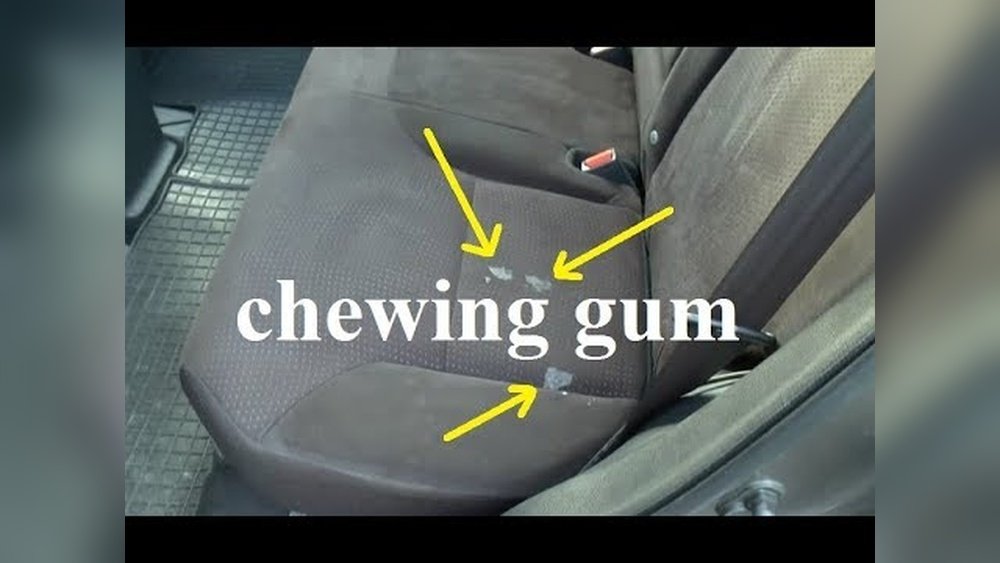
You know how frustrating it is to find sticky gum stuck to your car seat. It’s annoying, messy, and can make your car look dirty.
But don’t worry—getting gum out of car seats isn’t as hard as it seems. You’ll discover simple, effective ways to remove gum without damaging your seats. Keep reading, and you’ll have your car looking fresh and clean again in no time.
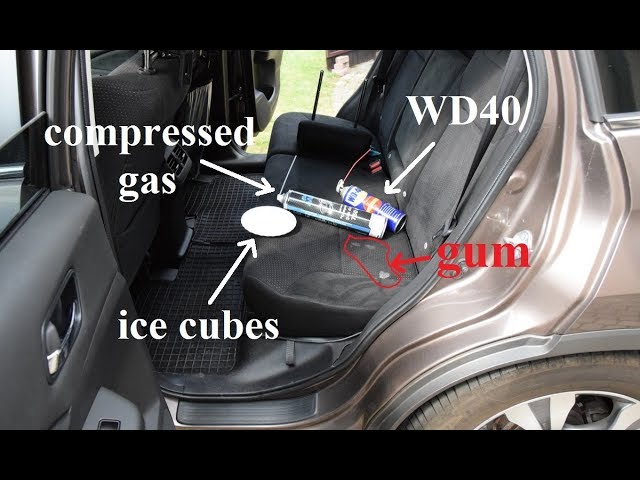
Credit: www.youtube.com
Tools Needed
Removing gum from car seats needs the right tools. These tools make the job easier and protect your seats. Using the wrong tools can damage the fabric or leather.
Below are the basic tools required to get gum out safely and quickly.
Plastic Scraper Or Credit Card
A plastic scraper or an old credit card helps to lift the gum. It removes gum without harming the seat. Avoid metal tools; they can scratch or tear the fabric.
Ice Pack Or Frozen Peas
Freezing the gum hardens it. Use an ice pack or a bag of frozen peas. This stops the gum from sticking and makes it easier to remove.
Cloth Or Paper Towels
Cloths or paper towels clean the seat after gum removal. They absorb any leftover residue. Use soft cloths to avoid roughing up the seat surface.
Mild Detergent Or Upholstery Cleaner
A mild detergent or upholstery cleaner removes stains and leftover gum bits. Choose a cleaner safe for your car seat material. Always test on a small spot first.
Warm Water
Warm water helps to soften any remaining gum residue. It works well with detergent for cleaning the seat. Use a damp cloth to apply the water carefully.
Initial Gum Removal Steps
Removing gum from car seats starts with careful steps. Acting quickly can prevent gum from sticking deeper into the fabric. The right approach avoids damaging your car seat material.
These initial steps help soften the gum and make it easier to remove. They also protect your seat’s color and texture. Patience and gentle handling are key to success.
Freeze The Gum
Place ice cubes in a plastic bag. Hold the bag firmly on the gum for several minutes. This hardens the gum and stops it from spreading. Frozen gum is easier to lift from the seat.
Scrape Off Gently
Use a dull knife or a credit card edge. Carefully scrape the frozen gum off the fabric. Work slowly to avoid tearing the seat. Remove as much gum as possible without pushing it deeper.
Apply A Mild Cleaner
Dip a soft cloth in warm soapy water. Dab the stained area gently to remove leftover gum residue. Avoid soaking the fabric too much. This step helps break down sticky bits without harming the seat.
Freezing Method
The freezing method is a simple way to remove gum from car seats. It makes the gum hard and easy to scrape off. This method works best on fabric and soft materials. It does not damage the seat if done carefully.
Prepare The Gum For Freezing
First, remove any loose dirt around the gum. Use a dry cloth or brush. Avoid rubbing the gum deeper into the fabric. Make sure the gum is clean before freezing.
Apply Ice To Harden The Gum
Place ice cubes in a plastic bag. Hold the bag on the gum for 10 minutes. The cold will make the gum hard and brittle. Do not let the ice melt on the seat.
Scrape Off The Frozen Gum
Use a dull knife or a credit card. Gently scrape the gum from the seat. Work slowly to avoid tearing the fabric. The gum should break into pieces easily.
Clean The Area After Removal
Use a mild soap and water mix. Dab the spot with a clean cloth. Remove any sticky residue left behind. Let the seat air dry completely.
Using Ice Cubes
Removing gum from car seats can be tough. Using ice cubes helps harden the gum. This makes it easier to remove without spreading it. The cold also prevents the gum from sticking more to the fabric. This method works well on both cloth and leather seats.
Prepare The Ice Cubes
Take a few ice cubes from your freezer. Put them in a plastic bag. This keeps the ice from melting on your seat. The bag also stops water from soaking into the fabric.
Apply Ice To The Gum
Place the bag of ice on the gum spot. Hold it there for about 10 minutes. The gum will get hard and brittle. Do not press too hard to avoid damaging the seat.
Remove The Hardened Gum
Use a spoon or a dull knife carefully. Gently scrape the gum off the seat. It should come off in chunks. Avoid rubbing, which can spread the gum further.
Clean The Seat After Gum Removal
Take a clean cloth and some mild soap. Dab the area gently to remove any residue. Let the seat dry naturally. This keeps your car seat fresh and clean.
Heat Method
The heat method uses warmth to soften the gum. This makes it easier to remove without damaging the car seat. It works best on fabric or vinyl seats. The gum becomes sticky but less hard.
This method needs simple tools like a hairdryer or warm cloth. It is safe and does not require harsh chemicals. The heat loosens the gum’s grip on the seat fibers. This helps pull the gum off smoothly.
Gather Your Supplies
Get a hairdryer or a warm towel. Have a plastic scraper or old credit card ready. Keep paper towels or cloth nearby. These will help clean up any leftover residue.
Apply Heat To The Gum
Turn on the hairdryer to medium heat. Hold it a few inches away from the gum. Warm the gum for about 30 seconds. If using a warm towel, press it on the gum for one minute.
Remove The Softened Gum
Use the plastic scraper to lift the gum gently. Work slowly to avoid tearing the seat fabric. If the gum is still hard, apply more heat. Repeat until the gum peels off easily.
Clean The Seat
Wipe the area with a damp cloth. Use mild soap if needed to remove residue. Dry the seat with a clean towel. Check for any leftover gum pieces and remove them.
Cleaning Residue
After removing gum from car seats, some sticky residue often remains. This residue attracts dirt and can make the seat look dirty. Cleaning the residue is important for a fresh, clean seat. Use gentle methods to avoid damaging the fabric or leather. Here are simple ways to clean gum residue effectively.
Mild Detergent Solution
Mix a few drops of mild detergent with warm water. Dip a soft cloth in the solution and wring it out. Gently rub the residue in a circular motion. Avoid soaking the seat to prevent damage. Use a clean damp cloth to wipe away soap. Let the seat air dry completely.
Vinegar And Baking Soda
Sprinkle baking soda over the gum residue. Pour a small amount of white vinegar on top. The mixture will fizz and help break down the gum. Wait five minutes for it to work. Use a soft brush to scrub gently. Wipe with a damp cloth and allow drying.
Commercial Cleaners
Choose a cleaner made for car upholstery. Test it on a hidden spot first. Spray the cleaner on the gum residue. Use a soft brush or cloth to scrub gently. Wipe the area with a clean damp cloth. Follow the product instructions for best results.
Preventing Future Gum Stains
Preventing gum stains on car seats saves time and keeps your car clean. Simple habits and small changes help avoid sticky messes. Protect your seats before problems start.
Start by setting clear rules about chewing gum in the car. This reduces the chance of gum dropping or sticking on seats. Keep gum out of reach from children during rides.
Use Seat Covers Or Protectors
Seat covers add a layer of protection against stains and spills. They are easy to remove and clean. Choose covers made from materials that resist gum and dirt. This helps keep your seats looking new.
Keep A Trash Bag Or Container Handy
Having a trash bag in the car encourages proper gum disposal. Passengers can easily throw gum wrappers and chewed gum away. This small step stops gum from ending up on seats.
Clean Spills Immediately
Quick action prevents gum from sticking and hardening on fabric. Carry wet wipes or cloths to clean small messes fast. This habit keeps your car seats fresh and stain-free.
Educate Passengers On Gum Etiquette
Explain the importance of not sticking gum on seats. Ask passengers to dispose of gum properly. A little awareness helps protect your car’s interior.

Credit: www.wikihow.com
When To Seek Professional Help
Persistent gum stains or damage to car seat fabric may need expert care. Difficult spots that won’t come off with home methods call for professional cleaning. Trust trained technicians to protect your car’s interior safely.
Signs You Need Professional Cleaning
Some gum stains are too tough for home methods. Deep stains or sticky residue that won’t come off need expert care. Professionals use special tools and cleaners to protect your car seats. They can save your upholstery from damage.
Complex Materials Require Expert Handling
Leather and suede seats need gentle treatment. Wrong cleaning can cause discoloration or cracks. Experts know how to treat these materials safely. This helps keep your car’s interior looking new.
When Time Is Limited
Busy schedules leave little time for DIY cleaning. Professionals offer quick and efficient service. They remove gum fast without harming your car seats. This saves you effort and stress.
Cost Vs. Risk Of Damage
Cleaning gum yourself might cause costly damage. Stains can spread or seats may tear. Spending on professional help can prevent bigger repair bills. It is a smart choice for delicate or expensive cars.

Credit: www.wikihow.com
Frequently Asked Questions
How Can I Remove Gum From Car Seats Quickly?
Freezing the gum with ice cubes hardens it. Then, gently scrape it off using a plastic scraper or credit card. Finally, clean any residue with upholstery cleaner or mild soap and water.
What Household Items Remove Gum From Car Upholstery?
Ice cubes, peanut butter, vinegar, and rubbing alcohol work well. Ice hardens the gum, while others help dissolve sticky residue safely without damaging the fabric.
Is It Safe To Use Chemicals On Car Seats For Gum?
Use mild chemicals like rubbing alcohol cautiously. Test on a hidden area first to avoid discoloration or damage. Avoid harsh solvents that may harm the upholstery.
Can Heat Help Remove Gum From Car Seats?
Heat softens gum, making it sticky and harder to remove. It’s better to freeze gum first, then gently scrape it off for best results.
Conclusion
Removing gum from car seats does not have to be hard. Cold helps the gum become firm and easier to lift. Gently scrape or peel it off without hurting the fabric. Use mild soap and water to clean leftover residue.
Patience and care protect your car’s seat from damage. Small steps lead to great results. Keep these tips in mind for a fresh, clean seat every time. Clean seats make your car look and feel better. Take your time and your seats will thank you.
