

Are your car seats looking tired, stained, or just plain dirty? You might be wondering what the best way is to clean them without causing damage.
The truth is, choosing the right cleaner can make all the difference in keeping your car’s interior fresh and inviting. You’ll discover simple, effective options that work for different types of car seats. By the time you finish reading, you’ll know exactly what to use to bring your seats back to life—making every drive more enjoyable.
Keep reading to find the perfect cleaning solution for your car seats!
Types Of Car Seat Materials
Car seats come in different materials. Each type needs special care. Knowing the material helps you choose the right cleaner. This protects your seats and keeps them looking new.
Fabric Seats
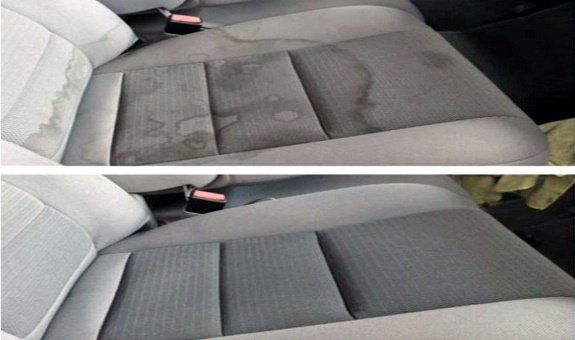
Fabric seats are common and comfortable. They absorb spills and stains easily. Use a mild soap or fabric cleaner. Avoid soaking the seat to prevent damage. A soft brush helps lift dirt from fibers.
Leather Seats
Leather seats look stylish and last long. They need gentle cleaning and conditioning. Use a leather cleaner and a soft cloth. Avoid harsh chemicals that dry out leather. Regular conditioning keeps leather soft and prevents cracks.
Vinyl Seats
Vinyl seats are durable and easy to clean. Use a vinyl cleaner or mild soap. A soft cloth removes dirt without scratching. Avoid strong cleaners that can cause fading. Vinyl seats do well with regular wiping.
Suede And Alcantara
Suede and Alcantara seats feel soft and luxurious. They are delicate and require special care. Use a suede brush to remove dirt gently. Avoid water and harsh cleaners that damage texture. A specialized cleaner keeps these seats fresh.
Credit: www.veishop.com
Common Stains On Car Seats
Car seats face many types of stains every day. Dirt, spills, and marks can make seats look old and dirty quickly. Knowing common stains helps choose the right cleaner. Each stain needs a special approach to clean well. This section explains the usual stains on car seats.
Food And Drink Spills
Food crumbs and drink spills are the most common stains. Soda, coffee, and juice can leave sticky spots. These stains often soak into fabric or leather. Cleaning quickly stops stains from setting deep. Mild soap and water work well for fresh spills. For dried stains, a special upholstery cleaner helps.
Pet Stains
Pets often leave dirt, hair, and stains on seats. Muddy paws and wet fur cause dirt spots. Sometimes, pets leave urine or vomit stains. These need stronger cleaning solutions to remove odor. Enzyme-based cleaners break down pet stains effectively. Regular vacuuming also keeps pet hair away.
Ink And Dye Marks
Ink from pens or dye from clothes can stain seats. These marks are tough to remove. Rubbing alcohol or special ink removers work best. Test cleaners on a hidden spot first. Act fast to stop ink from spreading. Gentle blotting helps avoid damage to seat fabric.
Grease And Oil Spots
Grease and oil stains come from hands or car parts. These spots are dark and hard to clean. Dish soap cuts through grease well. Apply soap gently and rinse with warm water. Avoid rubbing too hard to protect seat material. Repeat cleaning if the stain stays visible.
Cleaning Products For Car Seats
Choosing the right cleaning product makes a big difference in cleaning car seats. Different materials need different care. Some products work well on fabric seats. Others are better for leather or vinyl. Picking the right cleaner protects your seats and keeps them looking fresh. Here are some common options for cleaning car seats.
Commercial Upholstery Cleaners
Commercial upholstery cleaners are made for car seats and furniture. They come in sprays, foams, and liquids. These cleaners remove dirt, stains, and odors. Many have special formulas for fabric or leather. Follow the instructions on the label for best results. Test a small hidden area first to avoid damage.
Diy Cleaning Solutions
DIY cleaning solutions use common household ingredients. Mix water with mild soap or dish detergent. White vinegar and baking soda also work well. These solutions clean gently and cost less. Use a soft cloth or brush to scrub stains. Rinse with clean water and dry the seat thoroughly.
Natural And Eco-friendly Options
Natural cleaners are safe for people and the environment. Ingredients like lemon juice, olive oil, and essential oils clean and freshen seats. These products avoid harsh chemicals. They are great for sensitive skin and pets. Natural cleaners work best on light stains and regular maintenance.
Stain Removers And Spot Treatments
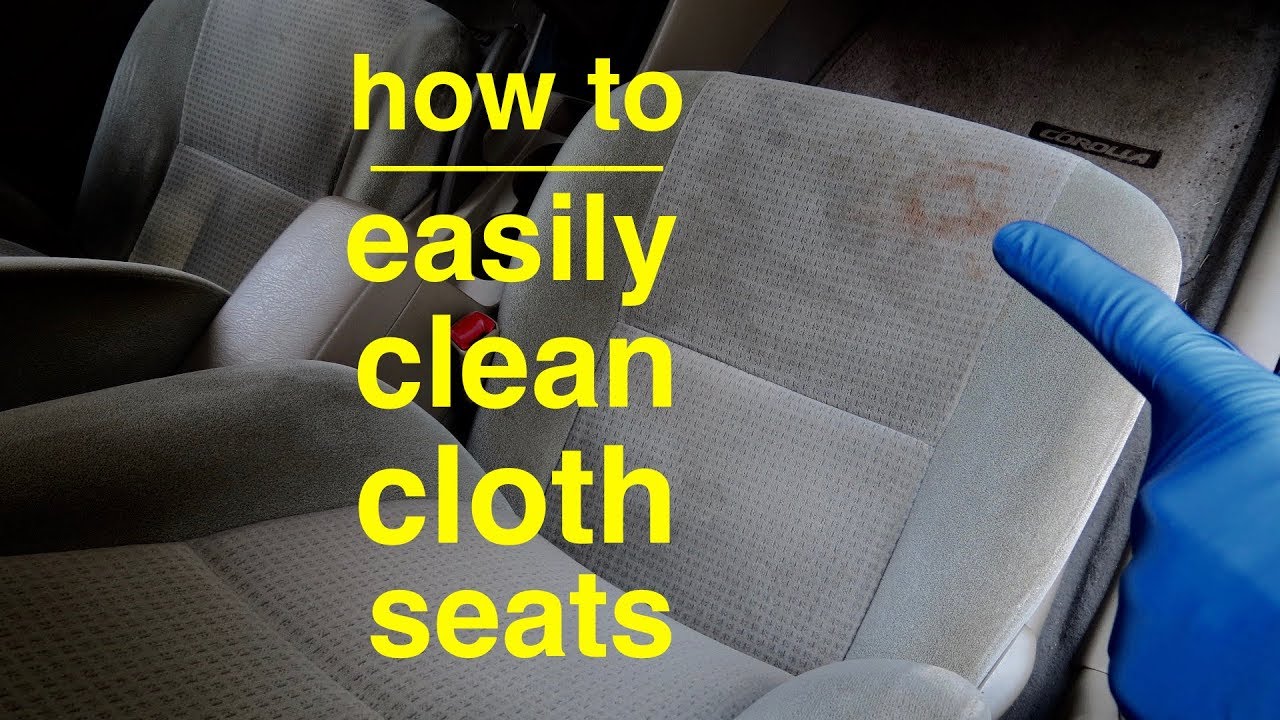
Stain removers target tough spots and spills. They come in gels, sprays, or wipes. Use them quickly after a spill for best effect. Different stains need different removers, such as grease or ink. Always test on a small area first. Follow the product directions carefully for safe use.
Credit: www.youtube.com
Tools For Effective Cleaning
Cleaning car seats well needs the right tools. Using proper tools makes the job easier and more effective. Each tool serves a special purpose in removing dirt and stains. Choosing the right one helps keep seats fresh and neat.
Microfiber Cloths
Microfiber cloths are soft and gentle on car seats. They trap dust and dirt without scratching surfaces. These cloths absorb liquids well, helping to remove spills fast. They work great for daily cleaning and wiping down seats.
Soft-bristle Brushes
Soft-bristle brushes loosen dirt stuck deep in fabric fibers. They reach into seams and crevices where dirt hides. These brushes clean without damaging the seat material. Use them to scrub gently on tough stains or ground-in grime.
Vacuum Cleaners
Vacuum cleaners remove loose dirt, crumbs, and pet hair quickly. A vacuum with different attachments cleans hard-to-reach areas. They prepare seats for deeper cleaning by clearing surface debris. Regular vacuuming keeps seats looking tidy and fresh.
Steam Cleaners
Steam cleaners use hot steam to kill germs and lift dirt. They sanitize seats without harsh chemicals. Steam helps remove stubborn stains and odors from fabric. This tool refreshes car seats, making them feel clean and new.
Step-by-step Cleaning Process
Cleaning car seats can seem tough. A clear process makes it easy and effective. Follow these simple steps. They help keep your seats fresh and neat. Use safe cleaners and gentle scrubbing. Protect the fabric after cleaning to keep it longer.
Preparing The Car Seats
Start by removing loose dirt and crumbs. Use a vacuum cleaner with a brush tool. Check the seats for stains and marks. Test your cleaner on a small hidden area. This prevents damage or color change.
Applying Cleaner Safely
Choose a cleaner fit for your seat type. Spray or apply it lightly on the fabric. Avoid soaking the seat. Let the cleaner sit a few minutes to work well.
Scrubbing And Spot Cleaning
Use a soft brush or cloth to scrub gently. Focus on dirty spots and stains. Avoid hard scrubbing to protect the fabric. Wipe away dirt and cleaner with a clean damp cloth.
Drying And Protecting Upholstery
Let the seats air dry fully. Open car doors or windows to speed drying. Avoid direct sunlight to prevent fading. Use a fabric protector spray to guard against stains. This keeps seats clean longer and easier to maintain.

Credit: www.kiaoflagrange.com
Tips For Maintaining Spotless Seats
Keeping car seats spotless takes effort but pays off with a fresh, clean ride. Small daily habits stop dirt and stains from building up. Using the right products helps protect seats and keeps them looking new. These tips guide you through easy steps for clean, fresh car seats.
Regular Cleaning Routine
Clean car seats weekly to avoid dirt buildup. Use a soft brush or vacuum to remove dust and crumbs. Wipe seats with a damp cloth and mild soap. Avoid harsh chemicals that can damage fabric or leather. Dry seats completely to prevent mold and mildew.
Preventing Future Stains
Act quickly on spills to stop stains from setting. Keep a small cleaning kit in your car. Use seat covers to protect fabric seats. Avoid eating or drinking inside the car if possible. Teach passengers to be careful with food and drinks.
Protective Treatments And Conditioners
Apply fabric protectors or leather conditioners regularly. These products create a barrier against stains and spills. Follow product instructions carefully for best results. Conditioners also keep leather soft and prevent cracking. Protecting seats extends their life and maintains their look.
Dealing With Odors
Freshen car seats by airing out the car often. Sprinkle baking soda on seats, leave it for a few hours, then vacuum. Use fabric-safe odor eliminators as needed. Avoid strong perfumes that may irritate passengers. Clean seats regularly to stop bad smells from building up.
Frequently Asked Questions
What Is The Best Cleaner For Fabric Car Seats?
A gentle upholstery cleaner or a mix of mild soap and water works best for fabric car seats. Avoid harsh chemicals that may damage the fabric or cause discoloration.
How Do I Clean Leather Car Seats Safely?
Use a leather cleaner and conditioner specifically designed for car interiors. Apply with a soft cloth, gently wipe, and avoid excess water to prevent damage.
Can Household Products Clean Car Seats Effectively?
Yes, mild household products like dish soap, vinegar, and baking soda can clean car seats. Always test on a small area first to avoid damage or stains.
How Often Should Car Seats Be Cleaned?
Car seats should be cleaned every 3 to 6 months to maintain appearance and hygiene. Frequent cleaning prevents buildup of dirt, stains, and odors.
Conclusion
Choosing the right cleaner keeps car seats fresh and safe. Use gentle products made for the seat material. Test any cleaner on a small spot first. Clean seats regularly to avoid stains and wear. Soft brushes and cloths help remove dirt without damage.
Dry seats well after cleaning to prevent mold. Clean seats make your car feel more comfortable. Simple care keeps your car looking its best longer. Easy steps protect your seats and save money too. Keep your ride fresh, clean, and inviting every day.
