

Have you ever discovered a sticky piece of gum stuck to your car seat and felt instantly frustrated? Removing gum can seem tricky, but you don’t have to worry or panic.
In this guide, you’ll learn simple, effective ways to get that stubborn gum off your car seat without causing any damage. By the time you finish reading, you’ll have easy tricks that save your seat and your sanity. Keep going—you’ll be amazed at how quickly your car’s interior can look fresh and clean again.
Identify The Gum Type
Before removing gum from a car seat, identifying the gum type is key. Different gums react differently to cleaning methods. Knowing the type helps choose the safest and most effective way to remove it.
Some gums stay soft and sticky, while others harden quickly. The ingredients in the gum affect how it sticks to fabric. Identifying the type prevents damage to your car seat.
Soft And Chewy Gum
This gum stays sticky and pliable for a long time. It often feels fresh and elastic. Soft gum can be tricky because it spreads easily when touched.
Hard Or Dried Gum
Hard gum becomes brittle and less sticky over time. It usually cracks or flakes when you try to pull it off. This type is easier to scrape away but needs careful handling.
Sugar-free Gum
Sugar-free gum tends to be less sticky but can still cling tightly. It often contains artificial sweeteners that make it tougher to dissolve. Knowing this helps pick the right solvent.
Bubble Gum
Bubble gum is usually softer and stretchier than regular gum. It can stretch long and stick to many surfaces. Its texture requires gentle removal to avoid spreading.

Credit: www.wikihow.com
Gather Necessary Tools
Start by collecting items like ice cubes, a plastic scraper, and a cloth. These tools help remove gum gently without hurting the car seat. Having everything ready makes the process quicker and easier.
Removing gum from a car seat requires the right tools. Having them ready makes the task easier and faster. Prepare everything before you start to avoid interruptions.
Each tool plays a key role in safely removing gum without damaging the seat fabric. Choose items that are gentle but effective.
Plastic Scraper Or Credit Card
A plastic scraper or an old credit card helps lift the gum off the seat. They work without scratching the fabric. Avoid metal tools that can cause damage.
Ice Pack Or Frozen Vegetables
Use an ice pack or frozen vegetables to harden the gum. Cold makes it less sticky and easier to remove. Wrap the ice in a cloth to protect the seat from moisture.
Mild Detergent Or Dish Soap
Mild detergent or dish soap helps clean any leftover gum residue. Mix with warm water for best results. It keeps the fabric fresh and stain-free.
Soft Cloth Or Sponge
A soft cloth or sponge helps apply detergent and wipe the seat. Choose a gentle material to avoid harming the fabric. Use it for blotting, not rubbing hard.
Warm Water
Warm water loosens gum residue and soap. It makes cleaning easier. Keep a bowl nearby for dipping your cloth or sponge.
Freeze The Gum
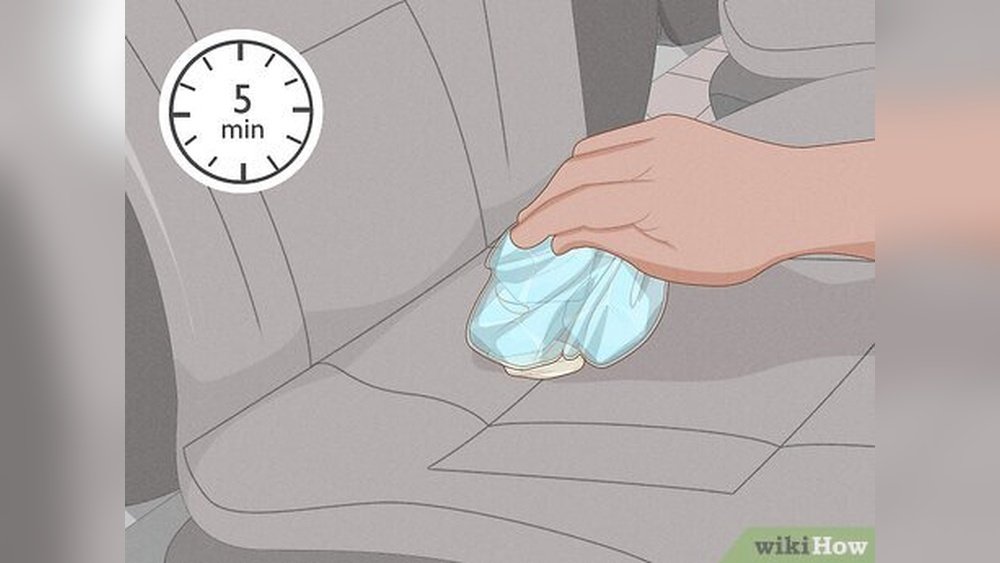
Freezing the gum makes it hard and easy to remove. This method stops the gum from sticking to the car seat fabric. You need to cool the gum until it becomes firm. Then you can scrape it off without much effort.
Use Ice Cubes
Take a few ice cubes and put them in a plastic bag. Place the bag directly on the gum spot. Hold it there for about 10 to 15 minutes. The cold will harden the gum. After that, use a spoon or a dull knife to lift the gum. It should come off in chunks without leaving a sticky mess.
Apply A Freezing Spray
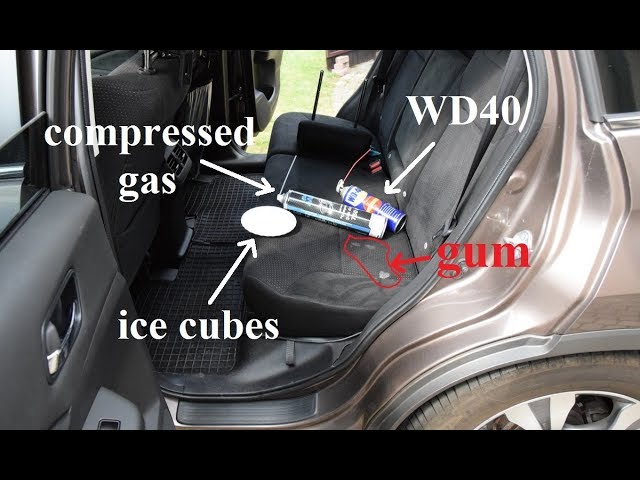
Get a freezing spray from a store or online. Spray it carefully on the gum area. The spray cools the gum very fast. Wait a few minutes for the gum to harden completely. Then, gently scrape the gum off the car seat. This method works well for tough gum stains and hard-to-reach spots.
Scrape Off The Gum
Removing gum from a car seat starts with scraping it off carefully. This step is important to avoid damage to the fabric. Doing it right helps make the next cleaning steps easier. Use gentle tools and methods to protect your seat.
Choose The Right Scraper
Select a plastic scraper or a dull knife for scraping gum. Avoid metal tools that can tear or scratch the seat. A credit card or a plastic spatula works well. These tools are firm enough to lift gum without harming the fabric.
Safe Scraping Techniques
Begin by loosening the edges of the gum with the scraper. Work slowly and carefully to prevent spreading the gum. Scrape in one direction to lift it away from the seat. Avoid pressing too hard to protect the material underneath.
Stop scraping as soon as the gum starts to lift. Remove small pieces gently by hand or with a cloth. This method reduces the risk of tearing or staining the car seat.
Use Cleaning Solutions
Removing gum from a car seat can be tricky. Cleaning solutions help break down the sticky mess. They soften the gum, making it easier to lift away. Choose a method that suits your seat material and available supplies. Always test on a small spot first to avoid damage.
Mild Detergent Method
Mix a few drops of mild detergent with warm water. Dip a clean cloth into the solution and wring out excess water. Gently dab the gum spot to soften it. Use a plastic scraper or your fingernail to lift the gum carefully. Repeat if needed until the gum loosens and comes off.
Rubbing Alcohol Approach
Apply a small amount of rubbing alcohol on a cotton ball or cloth. Blot the gum area gently without soaking the seat. Alcohol breaks down gum’s stickiness quickly. Wait a few minutes for the gum to soften. Use a blunt tool to scrape off the gum slowly. Clean the area with a damp cloth afterward to remove alcohol residue.
Commercial Cleaners
Choose a cleaner designed for removing sticky substances. Follow the product instructions carefully. Spray or apply the cleaner on the gum spot. Let it sit for the recommended time to loosen the gum. Use a soft cloth or scraper to remove the gum. Wipe the seat clean with a damp cloth to finish.
Treat Stains And Residue
Removing gum from a car seat is only the first step. Often, sticky residue and stains remain. Treating these spots quickly keeps your seat clean. It also prevents permanent damage. Use gentle methods that protect the fabric. Careful cleaning restores the seat’s look and feel. Patience and the right tools make a big difference.
Spot Cleaning Tips
Start by blotting the area with a clean cloth. Use cold water to dampen the stain slightly. Avoid rubbing, which can spread the gum residue. Apply a mild soap or fabric cleaner to the spot. Let it sit for a few minutes to break down the stain. Gently blot again with a damp cloth. Repeat until the residue lifts. Dry the area by pressing with a dry towel. Air dry completely before using the seat.
Deep Cleaning For Fabrics
For tougher stains, mix a solution of warm water and mild detergent. Use a soft-bristled brush to scrub the fabric lightly. Work in small sections to avoid soaking the seat. Rinse the brush often to remove gum particles. After scrubbing, blot excess moisture with a clean cloth. Avoid harsh chemicals that damage fabric or cause discoloration. Let the seat air dry fully to prevent mold. A fresh, clean seat feels much better after deep cleaning.
Dry And Protect The Seat
After removing gum from your car seat, drying and protecting it is crucial. Moisture can damage the fabric or leather if left too long. Proper care helps keep your seat looking fresh and clean. Let’s explore easy ways to dry and protect your seat effectively.
Proper Drying Methods
Start by blotting the wet area with a clean cloth. Avoid rubbing, as it can spread moisture and dirt. Use a fan or open car windows to increase air flow. Keep the seat dry by not sitting on it until fully dry. For leather seats, use a soft towel to absorb water gently. Avoid direct sunlight, which can cause fading or cracks.
Prevent Future Gum Spots
Apply a fabric protector spray on cloth seats to repel stains and spills. For leather, use a conditioner to keep it soft and safe. Encourage passengers to avoid chewing gum in the car. Keep a small trash bag handy for gum disposal. Regular cleaning and protection reduce the risk of future gum stains.
Credit: www.youtube.com
When To Seek Professional Help
Removing gum from a car seat can be tricky. Sometimes, home methods do not work well. Knowing when to seek professional help saves time and protects your car’s interior.
Professionals have the right tools and skills. They can remove gum without damaging the seat fabric or leather. They also handle tough cases that need special care.
Signs You Should Call A Professional
Gum stains that have hardened for days often need expert cleaning. If home remedies leave sticky residue, it is time to get help. Large gum spots or those deep inside the seat fabric require professionals.
Risks Of Diy Removal
Using sharp objects can tear or damage the car seat. Harsh chemicals may fade or discolor the fabric. Incorrect methods might spread the gum, making the stain worse.
Benefits Of Professional Cleaning
Experts use safe, effective cleaning products. They can restore the seat’s look without harm. Professionals also provide quick results, saving effort and stress.
How To Find The Right Service
Choose a cleaner with good reviews and experience with car interiors. Ask if they specialize in gum and stain removal. Check prices and guarantees before booking.

Credit: www.youtube.com
Frequently Asked Questions
How Can I Remove Gum From A Car Seat Safely?
Use ice cubes to harden the gum first. Then, gently scrape it off with a plastic scraper. Avoid harsh chemicals to protect the seat fabric or leather.
What Household Items Remove Gum From Car Seats?
Ice, peanut butter, vinegar, and rubbing alcohol work well. Apply these carefully to soften or dissolve the gum without damaging upholstery.
Can I Use Heat To Remove Gum From Car Seats?
Heat can make gum sticky and harder to remove. It’s best to use cold methods like ice to harden the gum first.
How Do I Prevent Gum Stains On Car Seats?
Avoid eating gum in the car and keep seats clean. Use seat covers to protect upholstery from accidental spills and stains.
Conclusion
Removing gum from your car seat does not have to be hard. Use simple tools like ice or a spoon to lift the gum gently. Clean the spot with mild soap and water afterward. Act quickly to avoid stains and sticky residue.
Keep these tips handy for any future gum mishaps. Your car seats will stay clean and fresh with little effort. Easy steps make a big difference in maintaining your car’s interior. Try these methods next time gum gets stuck on your seat.
