

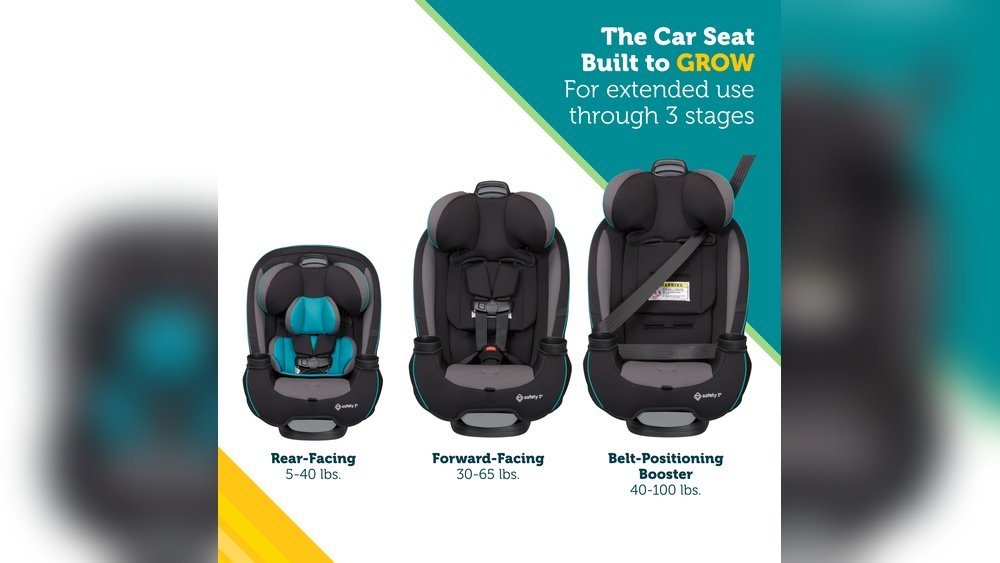
Are you wondering how many pounds your child needs to be before switching to a forward-facing car seat? It’s a question every parent or caregiver faces, and getting it right is crucial for your child’s safety.
Making the switch too early or too late can affect how well your car seat protects your little one during a ride. You’ll discover the key weight guidelines and important tips to help you make the best choice. Keep reading to ensure your child stays safe and comfortable every time you hit the road.
Weight Limits For Forward Facing Seats
Weight limits for forward facing car seats matter a lot for child safety. Each seat has its own weight range. Parents must follow these limits to keep children safe on the road.
Exceeding the weight limit can make the seat unsafe. The harness might not fit well or protect properly. Always check the car seat manual for exact numbers.
Most forward facing car seats hold children from 20 to 65 pounds. Some models support up to 80 pounds. This depends on the brand and design.
Seats with higher limits often use a harness for safety. Others switch to a booster seat after reaching the limit.
How Weight Limits Affect Safety
The right weight limit ensures the harness fits snugly. It keeps the child secure during sudden stops. A loose harness can cause injuries.
Forward facing seats protect better when used within weight limits. Proper fit reduces the risk of harm in crashes.
Signs Your Child Has Outgrown The Weight Limit
Check if the harness straps are at or above shoulder level. The child’s shoulders should not be higher than the top slots. Also, the child should not feel cramped or uncomfortable.
When the child reaches the weight limit, it is time to upgrade. Choose the next seat type according to safety guidelines.
When To Transition From Rear Facing
Knowing when to switch your child from a rear-facing car seat to a forward-facing one is important. It keeps them safe while traveling. Many parents wonder about the right time to make this change.
Experts say children should stay rear-facing as long as possible. This position offers the best protection for their head, neck, and spine. The switch depends mostly on your child’s weight and height limits for the seat.
Check The Car Seat’s Weight Limits
Every car seat has a weight limit for rear-facing mode. This limit is usually listed on the seat’s label or in the manual. Your child should remain rear-facing until they reach that weight. Exceeding the limit can reduce safety in a crash.
Consider Your Child’s Height
Height is as important as weight. Your child’s head should not be near the top of the car seat. The seat’s top edge should be at least one inch above their head. If your child outgrows this height, it’s time to change the seat position.
Follow State Laws And Guidelines
Each state has different rules about car seat use. Some require children to stay rear-facing until age two or longer. Always check your local laws. Following these rules helps avoid fines and keeps your child safe.
Look For Signs Of Discomfort
Children who are too big for rear-facing seats may feel cramped. They might fuss or try to move out of the seat. This discomfort can distract the driver. If your child shows these signs, consider switching to forward-facing.
Types Of Forward Facing Car Seats
Forward facing car seats come in different types. Each type fits different needs and ages of children. Choosing the right one helps keep your child safe and comfortable. Understanding the types makes the decision easier.
Convertible Seats
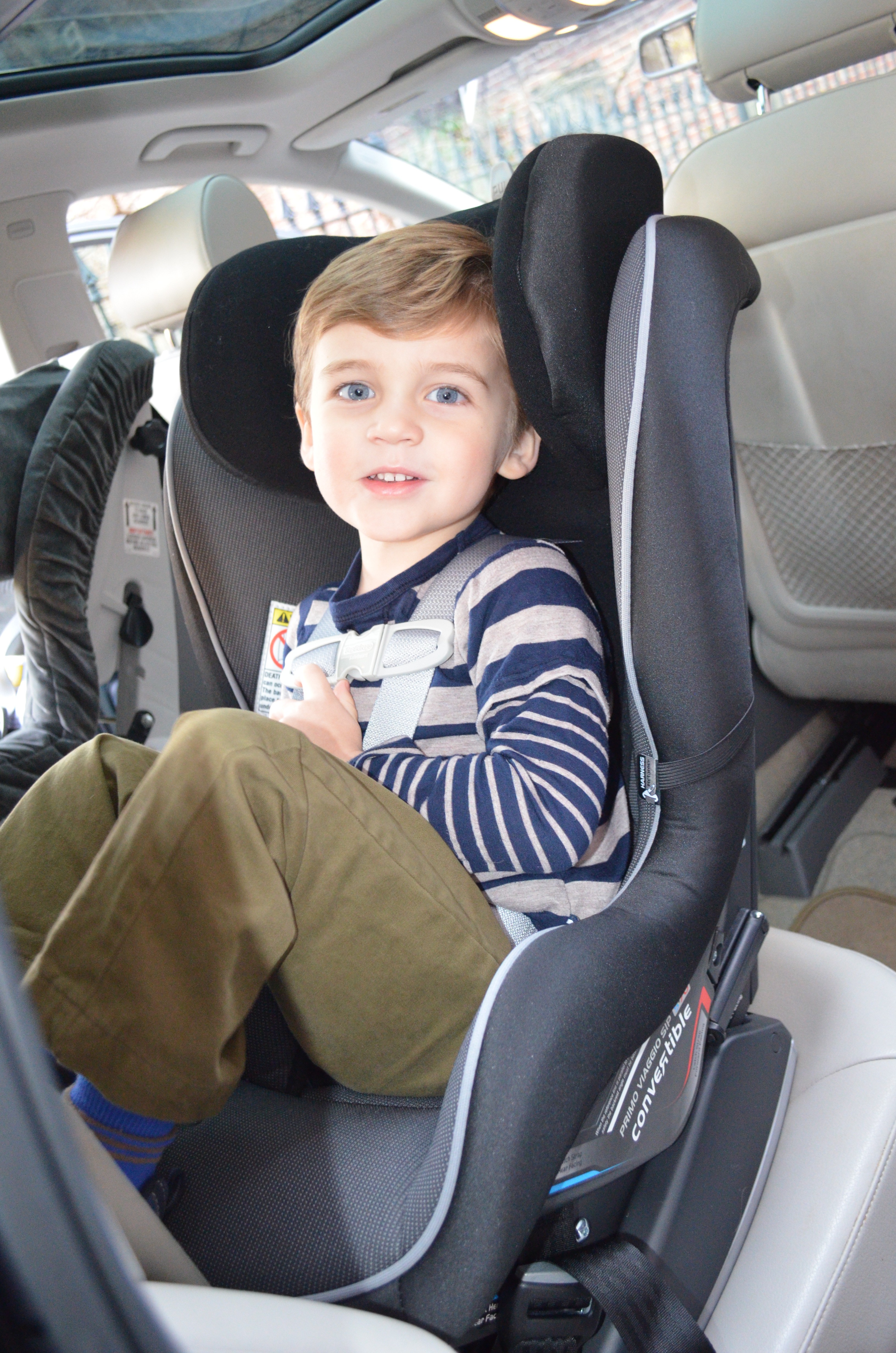
Convertible seats change from rear-facing to forward-facing. They fit babies and toddlers as they grow. These seats often hold children up to 65 pounds forward-facing. Parents like them for their long use and safety features. Installation can be easy or a bit tricky. Always check the weight and height limits on the seat label.
Combination Seats
Combination seats start as forward-facing with a harness. Later, they change to a booster seat without the harness. These seats usually hold children from 22 to 65 pounds in the forward-facing mode. They are good for kids who outgrow their convertible seats. The booster mode helps kids use the car’s seat belt correctly.
Credit: thecarseatlady.com
Safety Standards And Regulations
Safety standards and regulations guide the proper use of forward-facing car seats. These rules help protect children during car rides. They set limits on weight, height, and installation methods. Understanding these standards ensures children travel safely.
Federal Safety Requirements For Forward Facing Car Seats
In the United States, the National Highway Traffic Safety Administration (NHTSA) sets federal rules. All car seats must meet these safety standards. The rules include weight limits for forward-facing seats. Typically, these seats support children from 20 to 65 pounds.
State Laws On Forward Facing Car Seat Weight Limits
Each state may have its own laws about car seat use. Some states require children to stay in rear-facing seats longer. Others specify exact weight or height limits for forward-facing seats. Always check local laws to ensure compliance and child safety.
Importance Of Manufacturer Guidelines
Car seat makers provide specific weight limits for their products. These guidelines are based on crash tests and safety research. Following them helps keep your child secure. Never exceed the maximum weight stated in the manual.
Signs Your Child Is Ready For Forward Facing
Knowing when your child is ready to move to a forward-facing car seat is very important. It helps keep your child safe and comfortable during car rides. There are clear signs that show when your child is ready for this change. Paying attention to these signs helps you make the right decision.
Each child grows differently, so watching their development is key. Understanding these signs ensures your child’s safety and proper use of the car seat.
Child’s Age And Weight
Most children are ready for a forward-facing seat at 2 years old. Weight is also important. Your child should weigh at least 20 pounds. Check the car seat manual for exact limits. Meeting these numbers is a good start.
Ability To Sit Upright
Your child must sit up straight without help. This shows good neck and back strength. Sitting upright keeps the harness in the correct position. It also helps protect your child in a crash.
Head And Neck Control
Strong head and neck control is a must. Your child should hold their head steady. This prevents injury during sudden stops. Watch for steady movements and no slumping.
Outgrowing Rear-facing Seat
Your child might feel cramped in the rear-facing seat. Legs may bend tightly or touch the seat back. Outgrowing the space signals it’s time to switch. Comfort matters for longer trips.
Comfort And Behavior During Rides
Your child’s behavior can show readiness. If they fuss or try to climb out, they might be ready. A forward-facing seat can give a better view. This helps reduce restlessness.

Credit: www.ozkarakimya.com.tr
Common Mistakes To Avoid
Choosing the right weight for a forward-facing car seat is important for child safety. Many parents make simple mistakes that can reduce the seat’s protection. Avoiding these errors helps keep your child safe on every ride.
Incorrect Weight Limits
Using a car seat beyond its weight limit is unsafe. Each seat has a maximum weight for forward-facing use. Do not move your child to the next seat too early or too late.
Ignoring Height Guidelines
Weight is not the only factor. Height also affects the fit of the seat and harness. A child may be too tall for the seat even if under the weight limit.
Improper Harness Adjustment
Loose or twisted harness straps reduce protection. The harness should fit snugly at or above the child’s shoulders. Check straps every trip.
Using Expired Or Damaged Seats
Car seats have expiration dates. Old seats lose strength over time. Cracks, broken parts, or recalls can affect safety. Always inspect the seat before use.
Tips For Proper Installation
Proper installation of a forward facing car seat is key to your child’s safety. Follow simple steps to secure the seat firmly. A well-installed seat reduces risks during sudden stops or accidents.
Take time to read the car seat manual and your vehicle’s guide. Each car and seat model may have different instructions. Clear understanding helps avoid mistakes during installation.
Check The Seat Belt Or Latch System
Use either the seat belt or the LATCH system to install the seat. Do not use both unless the car seat manual allows it. Tighten the belt or LATCH strap until the seat does not move more than one inch side to side.
Position The Harness Correctly
Adjust the harness straps to fit your child snugly. The straps should lie flat without twists. Place the chest clip at armpit level for the best protection.
Secure The Car Seat At The Right Angle
Keep the car seat upright in the forward facing position. Some seats have angle indicators to help. A proper angle keeps your child comfortable and safe.
Double Check Installation Every Time
Test the seat before every ride. Push and pull the seat at the base to ensure it is tight. Loose installation can reduce the effectiveness in a crash.

Credit: florencewipublichealth.com
Frequently Asked Questions
What Is The Minimum Weight For Forward Facing Car Seats?
Most forward facing car seats require a minimum weight of 20 to 22 lbs. This varies by brand and model, so always check the manufacturer’s guidelines before switching your child to a forward facing seat.
When Should My Child Switch To A Forward Facing Seat?
Children should switch to forward facing seats after outgrowing their rear-facing seat’s weight or height limits. Usually, this happens around 2 years old or 20-22 lbs, but always follow specific car seat instructions.
What Is The Maximum Weight For Forward Facing Car Seats?
Forward facing car seats typically support children up to 40 to 65 lbs. Weight limits depend on the seat model, so verify the limit to ensure your child’s safety and proper fit.
Can I Use A Forward Facing Seat Before 20 Lbs?
It is not recommended to use a forward facing seat before 20 lbs. Rear-facing seats provide better protection for infants and toddlers under this weight. Always follow safety guidelines for your child’s age and size.
Conclusion
Choosing the right weight for a forward-facing car seat keeps your child safe. Most seats fit children weighing between 20 and 65 pounds. Always check your car seat’s manual for exact limits. Remember, proper installation matters just as much as weight limits.
Keep your child in the forward-facing seat until they reach the maximum weight or height. Safety grows with careful choices and attention to details. Your child’s protection depends on following these simple rules.
