

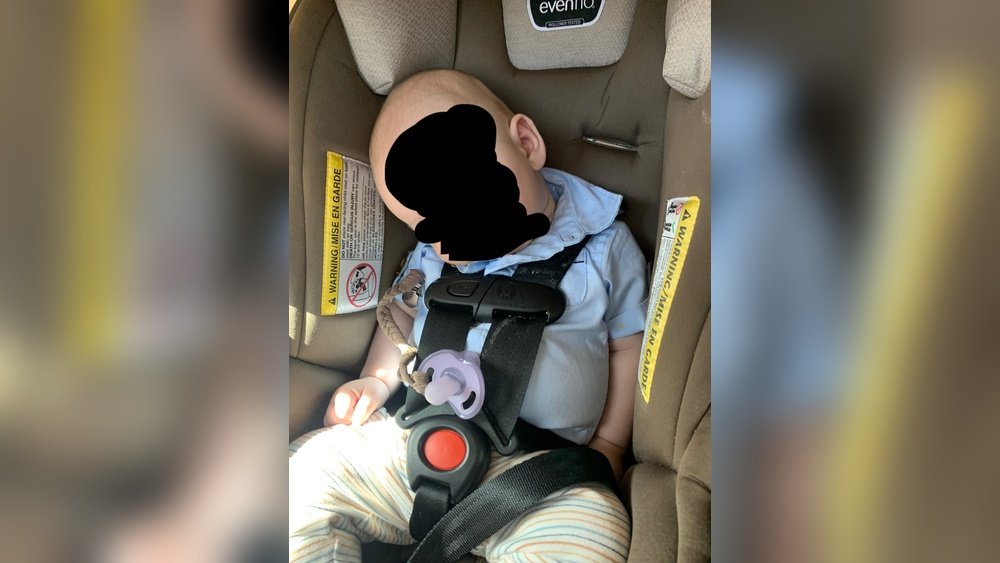
You want to keep your baby safe and comfortable during every car ride. But how do you know when it’s time to remove the infant insert from your car seat?
Using the insert too long or taking it out too soon can affect your child’s safety and comfort. You’ll learn the clear signs to watch for and expert tips to make the switch at just the right time. Keep reading to ensure your little one stays secure on every trip.
Signs To Remove Infant Insert
Infant inserts provide extra support for newborns in car seats. They keep babies snug and safe during travel. But babies grow quickly. Knowing when to remove the insert is important for comfort and safety. Signs to remove the infant insert help parents make the right choice. These signs include weight and height limits, head positioning, and overall comfort and fit.
Weight And Height Limits
Check the car seat manual for specific weight and height limits. Most infant inserts fit babies under a certain weight, usually around 10 to 12 pounds. When your baby grows beyond these limits, the insert may no longer provide proper support. Also, measure your baby’s height. If their head or body starts to touch the sides or top of the insert, it is time to remove it.
Head Positioning
The infant insert helps keep your baby’s head stable. Watch your baby’s head position during rides. If the insert causes the head to tilt forward or sideways uncomfortably, it may be time to remove it. A proper head position means the head stays aligned with the body and does not slump. Poor head positioning can block airways and cause discomfort.
Comfort And Fit
Comfort is key for safe travel. Feel how the car seat fits your baby with the insert in place. If the baby seems cramped or restricted, the insert might be too small now. Babies should have enough space to move slightly but still be secure. Removing the insert can improve comfort while maintaining safety.
Risks Of Keeping Insert Too Long
Keeping the infant insert in the car seat for too long can cause serious problems. These inserts are made for newborns and small babies only. As your baby grows, the insert may no longer fit properly. This can create risks that affect your child’s safety and comfort during car rides. Understanding these risks helps you know when to remove the insert.
Restricted Movement
The insert limits your baby’s space inside the car seat. As your baby grows, they need more room to move their arms and legs. Too much restriction can make your baby uncomfortable and restless. It may also stop them from adjusting their position naturally. This can lead to poor posture and discomfort during trips.
Breathing Hazards
The insert can press against your baby’s chest and neck. This may make it harder for them to breathe properly. Babies need clear airways at all times. If the insert is too tight or bulky, it can block airflow. This risk increases if your baby falls asleep in the car seat.
Reduced Crash Protection
Car seats are designed to protect babies in a crash. The infant insert helps newborns fit safely at first. But as your baby grows, the insert can interfere with the car seat’s safety features. It can change how the harness fits and holds your child. This reduces the protection during an accident. Removing the insert at the right time keeps your baby safer.
Car Seat Manufacturer Guidelines
Car seat manufacturer guidelines are the best source for knowing when to remove the infant insert. Each car seat model has specific instructions to keep your baby safe and comfortable. Ignoring these instructions can risk your child’s safety or void the warranty.
Checking The Manual
Always read the car seat manual before removing the infant insert. The manual explains the right time and signs for removal. It also guides how to adjust the seat after removal. Keep the manual handy for quick reference.
Manufacturer Recommendations
Manufacturers design inserts for newborns and small infants. They recommend removal when your baby grows bigger or reaches weight limits. Following these recommendations ensures your child fits well and stays secure. Each brand may have different rules.
Warranty And Safety Updates
Following manufacturer guidelines helps keep your car seat warranty valid. Updates on safety standards may affect insert use. Check for recalls or new advice from the manufacturer regularly. Staying informed protects your child and your investment.

Credit: dpsjanowicewielkie.pl
Alternatives After Removing Insert
After removing the infant insert from a car seat, parents often wonder how to keep their baby safe and comfortable. The infant insert provides extra padding and support, especially for newborns. Once your baby grows, the insert may no longer fit properly. This change calls for new ways to adjust the car seat and maintain safety. Below are some practical alternatives to consider after taking out the insert.
Using Harness Adjustments
Adjusting the harness is crucial after removing the infant insert. Tighten the straps so they fit snugly against your child’s body. Make sure the harness is at or just below your baby’s shoulders for rear-facing seats. Check the chest clip position; it should be at armpit level. Proper harness adjustment keeps your baby secure during travel.
Choosing The Right Car Seat Size
Choosing a car seat that matches your baby’s size is important. Once your child outgrows the infant insert, the seat may become too big. Consider moving to a convertible car seat designed for older babies and toddlers. These seats offer better support without needing an insert. Always check the weight and height limits before switching.
Additional Padding Options
Some parents worry about comfort after removing the insert. Use only manufacturer-approved padding to avoid safety risks. Special car seat cushions and head supports help fill gaps and provide comfort. Never add extra blankets or pillows, as they can interfere with the harness fit. Safe padding keeps your child cozy and secure.
Expert Safety Tips
Knowing when to remove the infant insert from a car seat is important for your baby’s safety. Experts give clear advice to help parents make the right choice. Following these tips keeps your child safe and comfortable during every ride.
Regular Car Seat Inspections
Check the car seat often for wear and tear. Look at the straps, buckles, and padding carefully. Make sure the infant insert fits well and is not damaged. Replace parts if they are broken or too old. Regular checks help avoid safety risks on the road.
Consulting Pediatricians
Talk to your child’s doctor about car seat use. Pediatricians know the best time to remove the infant insert. They consider your baby’s weight, height, and development. Following their advice supports safe travel and proper support for your child.
Staying Updated On Safety Standards
Car seat safety rules change over time. Keep up with new laws and guidelines for infant inserts. Check trusted sources like safety organizations and manufacturers. Staying informed helps you use the car seat correctly and protects your baby.

Credit: www.liftingitalia.com

Credit: dpsjanowicewielkie.pl
Frequently Asked Questions
When Should I Remove The Infant Insert From A Car Seat?
Remove the infant insert once your baby outgrows the weight or size limits. Usually, this is around 3 to 6 months. The insert is designed for newborns and smaller infants to provide extra support and safety.
Why Is Removing The Infant Insert Important?
Removing the infant insert prevents improper fit as your baby grows. It ensures the harness fits snugly and the car seat provides optimal protection during travel.
How Do I Know If My Baby Still Needs The Insert?
If your baby’s head and body no longer fit comfortably in the insert, it’s time to remove it. Check the car seat manual for specific size guidelines.
Can I Keep The Infant Insert For Future Use?
Yes, you can keep the insert for future infants if it remains in good condition. Always check the car seat’s expiration date and safety standards before reuse.
Conclusion
Removing the infant insert at the right time keeps your baby safe. Watch your baby’s size and comfort closely. When their head or body feels cramped, it’s time to remove it. The car seat should fit snugly but not squeeze.
Always follow the car seat maker’s instructions for best results. A proper fit helps protect your child during every ride. Safety grows as your baby grows. Stay alert and adjust the seat as needed. Your careful attention makes every trip safer and more comfortable.
