

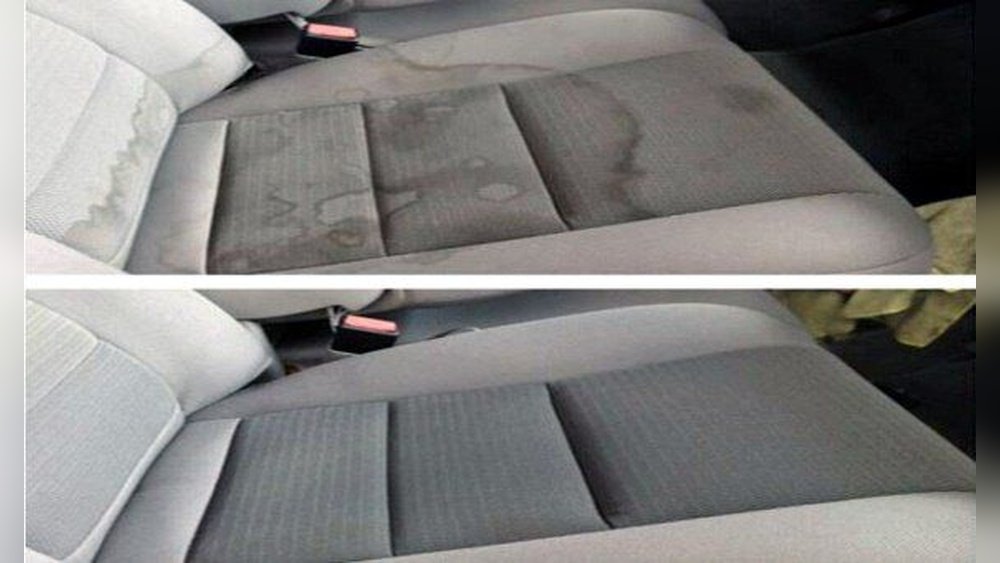
Have you ever looked down at your car seat and noticed an unexpected stain ruining its clean look? Whether it’s from spilled coffee, grease, or something else, stains can be frustrating and make your car feel less comfortable.
But don’t worry—you don’t have to live with it or pay for expensive cleaning services. You’ll discover simple, effective ways to get that stain out of your car seat quickly and easily. Keep reading, and you’ll learn how to restore your car’s interior to looking fresh and spotless again.
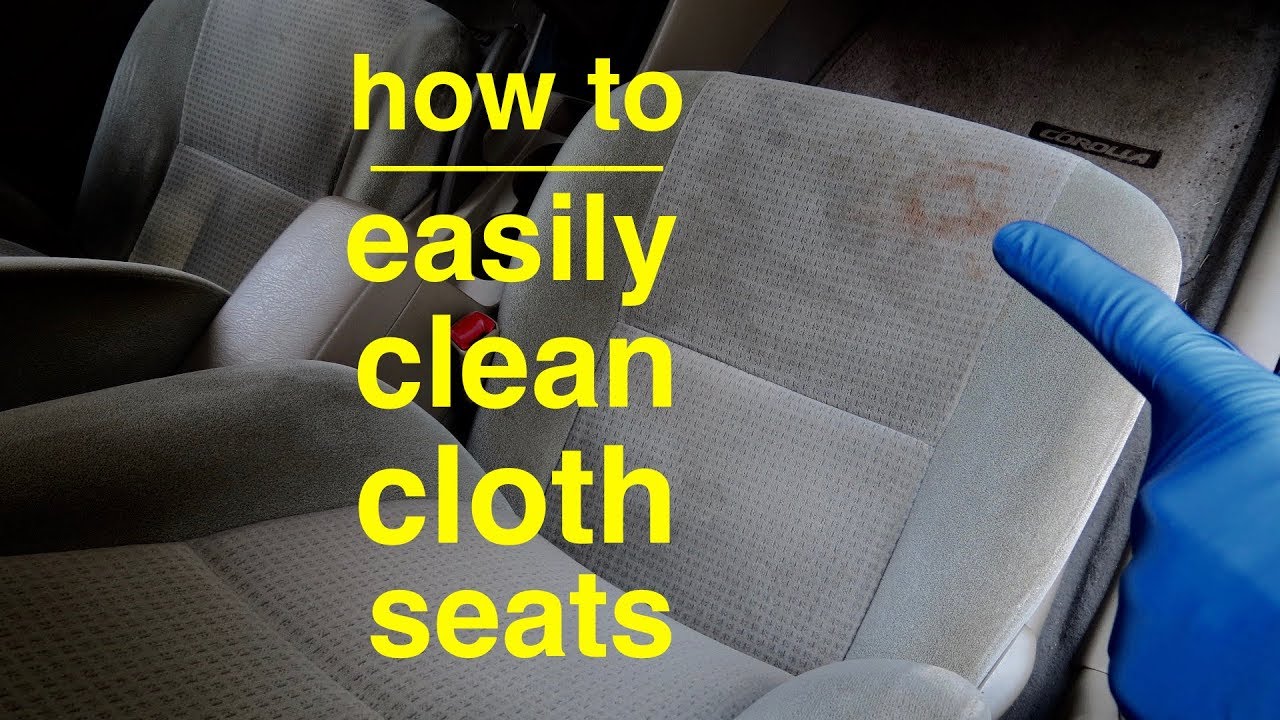
Credit: www.youtube.com
Identify The Stain Type
Identifying the type of stain on your car seat is the first step to effective cleaning. Different stains need different treatments. Knowing what caused the stain helps you choose the right method and avoid damage.
Common Stains On Car Seats
Car seats often get stained by food and drinks. Coffee, soda, and juice leave dark marks. Grease and oil stains come from hands or car parts. Mud and dirt enter from shoes. Ink and dye stains happen from pens or clothing. Each stain type reacts differently to cleaning products.
Material-specific Considerations
Car seats come in fabric, leather, or vinyl. Fabric absorbs liquids quickly and can hold stains deep. Leather needs gentle cleaners to avoid drying or cracking. Vinyl is easier to clean but can discolor with harsh chemicals. Always check your seat’s material before applying any stain remover.
Gather Necessary Cleaning Supplies
Before cleaning a stain on your car seat, gather all needed supplies. Having everything ready saves time and makes the process easier. Choose the right tools and cleaners for the best results. Below are common household items and commercial cleaners to help remove stains effectively.
Household Items That Work
Many stains can be treated with items found at home. Start with mild dish soap mixed with warm water. This solution is safe and good for most stains. Baking soda helps absorb odors and lift dirt from fabric. White vinegar is useful for tougher stains and smells fresh. Use a clean cloth or soft brush to apply these items gently. Avoid harsh scrubbing to protect your car seat fabric.
Commercial Cleaners To Consider
Several commercial products target car seat stains. Look for upholstery or fabric cleaners made for cars. These cleaners often contain ingredients that break down grease and grime. Spray cleaners come in handy for quick application. Foam cleaners work well for deep stains and fabric seats. Always test a small area first to check for color fading or damage. Follow product instructions carefully for best results.
Pre-treatment Steps
Before treating a stain on your car seat, preparation is key. Proper pre-treatment steps make stain removal easier and more effective. These steps help protect your seat and improve cleaning results.
Vacuuming And Removing Debris
Start by vacuuming the car seat thoroughly. Remove dust, dirt, and loose particles from the fabric. This prevents rubbing dirt deeper into the seat during cleaning. Use a brush attachment for better reach into seams and crevices. Clean seats allow stain removers to work directly on the stain.
Testing Cleaners On Hidden Areas
Test any cleaner on a small, hidden part of the seat first. This checks for color fading or damage. Apply a small amount of cleaner and wait a few minutes. Look for any changes in fabric color or texture. Testing avoids ruining your car seat with harsh chemicals.
Cleaning Techniques For Fabric Seats
Fabric car seats can catch stains easily. Cleaning them fast helps keep your car fresh. Use the right methods to remove stains without damaging the fabric. Simple tools and ingredients work well for cleaning fabric seats. Follow these steps for safe and effective stain removal.
Diy Cleaning Solutions
Mix equal parts of water and white vinegar in a spray bottle. Add a few drops of dish soap. Shake gently to mix. Spray the solution lightly on the stained area. Let it sit for 5 minutes. Vinegar breaks down stains, and soap lifts dirt. Avoid soaking the fabric to prevent damage.
Using A Soft Brush Or Cloth
Use a soft-bristled brush or clean cloth for scrubbing. Gently scrub the stained spot in small circles. This helps lift the stain from the fabric fibers. Use a damp cloth to wipe away dirt and soap residue. Dry the seat with a clean towel or air dry. Avoid harsh scrubbing that can wear out the fabric.
Cleaning Techniques For Leather Seats
Leather car seats need special care to stay clean and soft. Using the right cleaning methods helps keep the leather from cracking or losing color. This section explains simple steps to clean leather seats safely and keep them looking new.
Gentle Cleaners For Leather
Choose a cleaner made for leather, not regular soap. Harsh soaps dry out the leather and cause damage. Use a soft cloth or sponge to apply the cleaner. Wipe gently in small circles to lift the stain. Avoid soaking the leather with too much liquid. After cleaning, use a dry cloth to remove any leftover moisture.
Conditioning After Cleaning
Leather conditioner keeps the seats soft and flexible. Apply it after cleaning to stop the leather from drying out. Use a small amount and rub it evenly with a soft cloth. Let the conditioner soak in for a few hours. This step protects the leather and helps it last longer.
Dealing With Tough Stains
Tough stains on car seats can seem impossible to remove. These marks need special care and the right cleaning method. Using common household items often helps without damage. Act quickly to stop stains from setting deep. Here are simple ways to handle difficult spots like ink, dye, grease, and oil.
Ink And Dye Removal
Ink and dye stains soak into fabric quickly. Dab the spot gently with a clean cloth to remove excess ink. Avoid rubbing, which spreads the stain. Apply rubbing alcohol to a cotton ball. Test on a hidden seat area first. Blot the stain softly, changing cotton balls often. Use a clean damp cloth to remove alcohol. Repeat until the stain fades. Let the seat air dry. Never pour alcohol directly on the fabric.
Grease And Oil Stains
Grease and oil leave dark, sticky spots. Sprinkle baking soda over the stain to absorb oil. Let it sit for 15 minutes. Vacuum the powder off carefully. Mix dish soap with warm water. Dip a soft cloth in the solution and blot the stain. Rinse the cloth and repeat blotting with clean water. Avoid soaking the seat to prevent damage. Dry the area with a dry towel. Repeat if the stain remains but be gentle.
Drying And Final Touches
After removing a stain from your car seat, drying and final touches are important. Proper drying stops mold and bad smells from forming. It also helps the fabric look fresh and clean again.
Taking time to dry your seat well keeps it safe and ready for use. Final touches help bring back the seat’s original texture and color. Small efforts now save bigger problems later.
Air Drying Tips
Open car windows or doors for good airflow. Fresh air helps water evaporate faster. Avoid using direct heat like hair dryers; it can damage the fabric. Instead, let the seat dry naturally at room temperature. Use a fan inside the car to speed up drying. Check the seat often to make sure it is drying evenly.
Preventing Future Stains
Use seat covers to protect your seats from spills. Clean spills quickly before they soak in. Avoid eating or drinking inside the car if possible. Keep cleaning wipes or cloths in the car for emergencies. Regularly vacuum seats to remove dirt that can cause stains. Treat the seats with a fabric protector spray for extra defense.
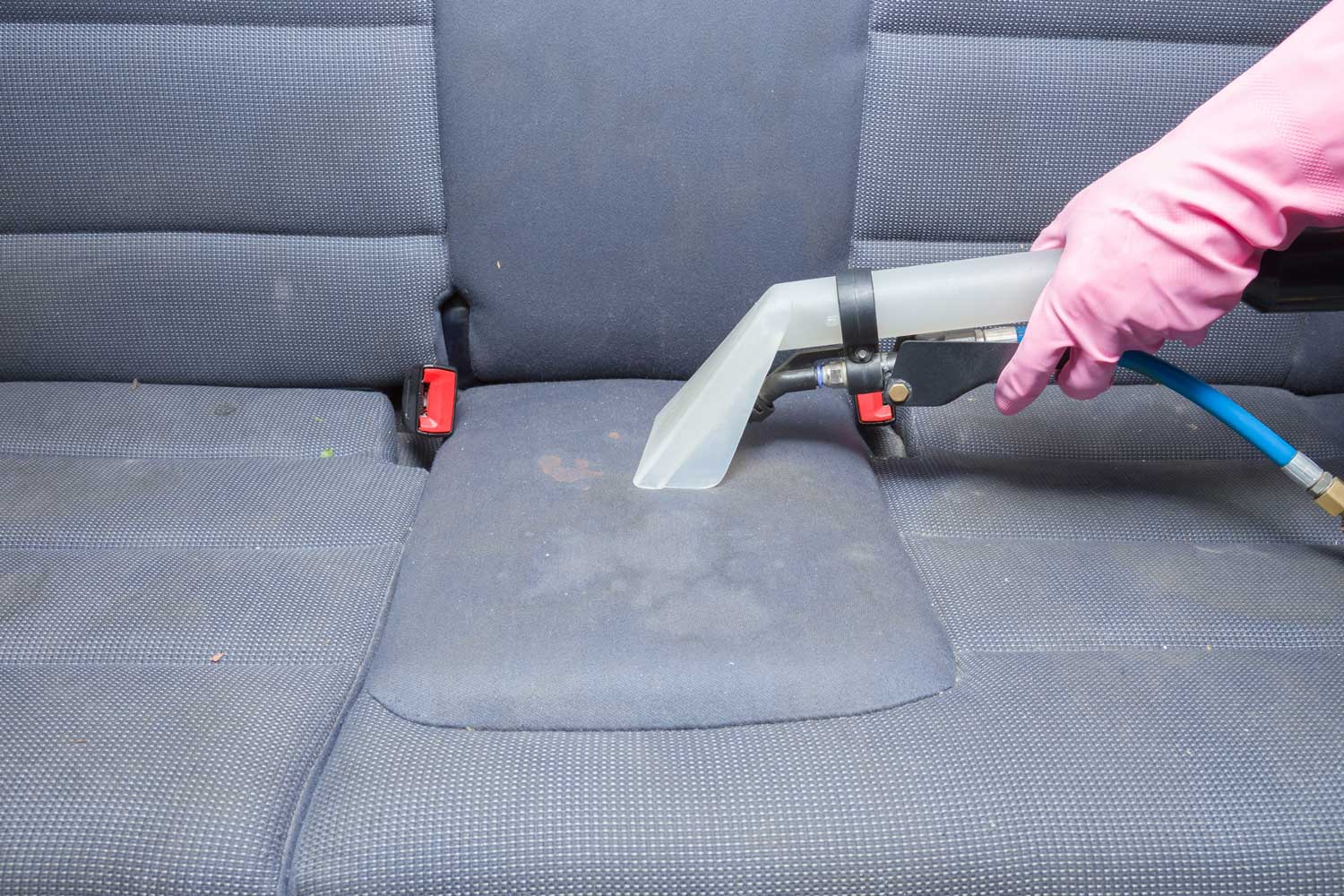
Credit: www.capitalone.com
When To Seek Professional Help
Some car seat stains need more than home cleaning efforts. Professional help can save your seat from permanent damage. Knowing when to call an expert protects your car’s interior and saves time.
Severe Or Old Stains
Stains that have set for weeks or months are hard to remove. Deep stains from coffee, ink, or paint often need special tools. Professionals have strong cleaners and machines to handle tough spots.
Delicate Or Leather Seats
Leather and delicate fabrics require gentle care. Wrong cleaning can cause cracks or discoloration. Experts know how to treat these materials without harm.
Unpleasant Odors Persisting After Cleaning
Some stains bring bad smells that stay after washing. Professionals can identify the source and remove odors fully. This keeps your car fresh and pleasant.
Allergic Reactions Or Health Concerns
Stains from mold, mildew, or bodily fluids may cause allergies. Professionals use safe methods to disinfect and clean. This protects your health and your car’s cleanliness.

Credit: www.veishop.com
Frequently Asked Questions
How Do I Remove Fresh Stains From Car Seats?
Blot fresh stains immediately with a clean cloth. Use mild soap and water to gently clean the area. Avoid rubbing, as it can spread the stain. For stubborn spots, use a specialized upholstery cleaner.
What Household Items Help Clean Car Seat Stains?
White vinegar, baking soda, and dish soap are effective. Mix vinegar and water for a cleaning solution. Sprinkle baking soda to absorb odors. Always test on a small seat area first.
Can I Use A Steam Cleaner On Car Seats?
Yes, steam cleaners safely remove stains and sanitize. Use a low heat setting to avoid damage. Test on a hidden spot before full use. Steam cleaning works well on fabric and cloth seats.
How To Prevent Stains On Car Seats?
Apply a fabric protector spray regularly. Clean spills immediately to avoid permanent marks. Use seat covers for added protection. Regular vacuuming prevents dirt buildup and stains.
Conclusion
Stains on car seats can be frustrating and tricky to remove. Using the right cleaner and method makes a big difference. Act quickly to stop stains from setting in. Test cleaning products on small areas first. Regular seat cleaning helps keep your car fresh and nice.
With simple steps, your seats look better and last longer. Clean seats make every drive more enjoyable. Keep these tips handy for stain-free car rides.
