

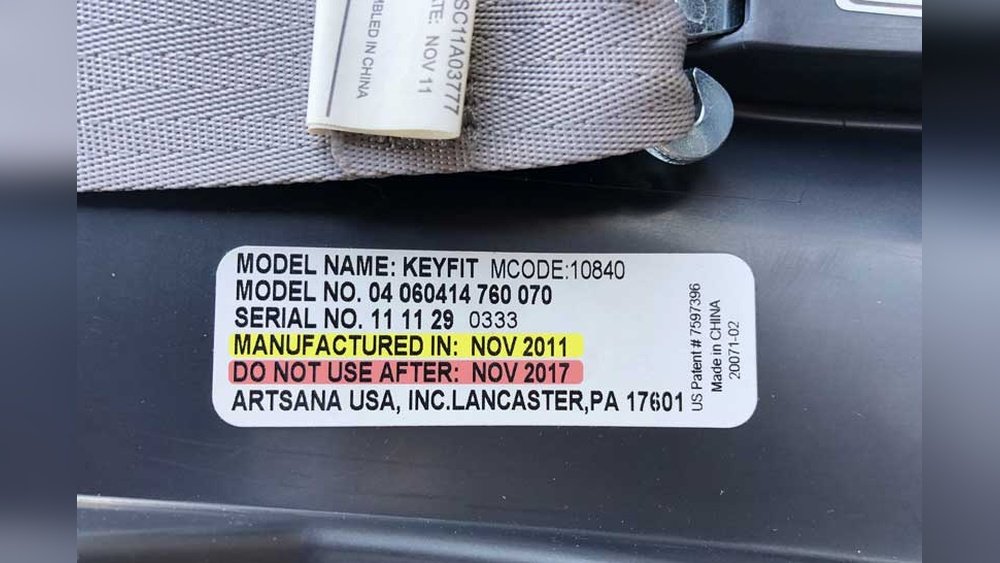
Have you ever wondered how long your child’s car seat is actually safe to use? You might think it lasts forever, but using an expired car seat could put your little one at serious risk.
Knowing when your car seat expires isn’t just a good idea—it’s crucial for your child’s safety. You’ll discover exactly how long car seats last, why they expire, and what you need to look for to keep your child protected on every ride.
Keep reading to make sure your car seat is still doing its job when it matters most.
Car Seat Lifespan
Car seats do not last forever. They have a set life span for safety reasons. Over time, materials wear out and parts may weaken. This can affect how well the seat protects a child during a crash.
Knowing how long a car seat lasts helps parents keep their child safe. It also prevents using seats that might fail in an accident. Each car seat comes with an expiration date or period.
Typical Expiry Period
Most car seats expire between 6 to 10 years after manufacture. This period depends on the brand and model. The expiration date is often on a label or molded into the seat.
Parents should check this date before buying or using a seat. Using a seat past its expiry can reduce safety. The materials may break down or lose strength over time.
Factors Influencing Expiry
Sun exposure can weaken the plastic and fabric of car seats. Constant heat or cold also affects their durability. Accidents can cause hidden damage, even if the seat looks fine.
Wear and tear from daily use can reduce a seat’s life. Cleaning with harsh chemicals may harm the materials. Storing a seat improperly might lead to cracks or warping.
Always inspect a car seat for cracks, frayed straps, or missing parts. These signs show the seat may not be safe anymore.
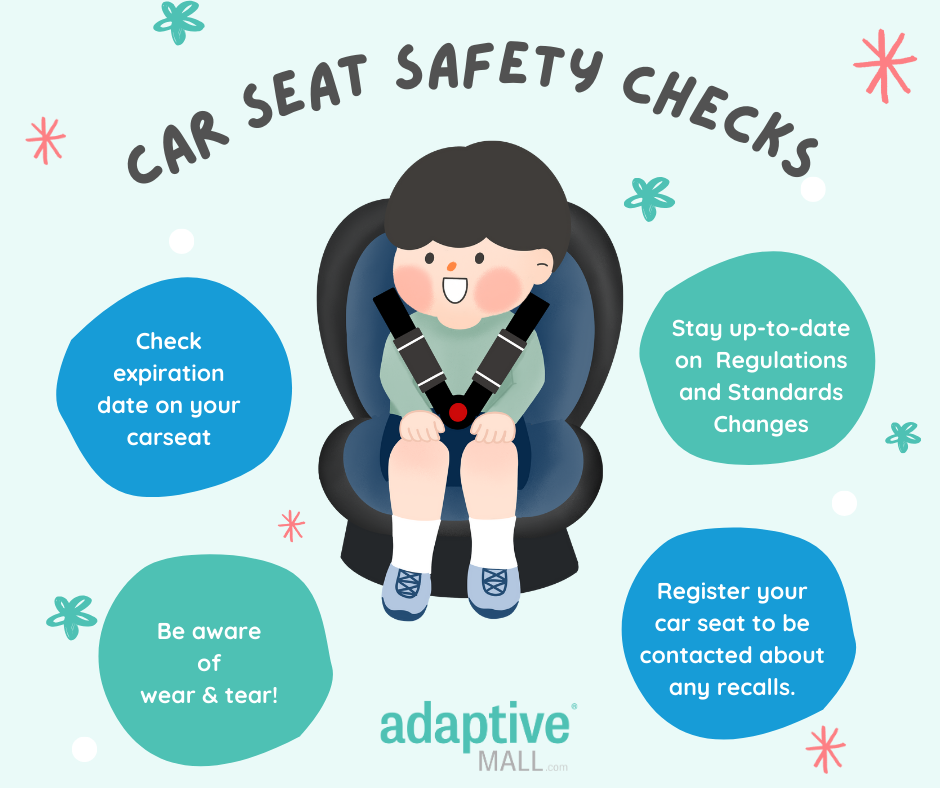
Credit: www.adaptivemall.com
Safety Risks Of Expired Seats
Expired car seats can put children at serious risk. Over time, the materials and parts inside these seats weaken. This can affect how well they protect during a crash. Using an expired car seat is not worth the danger. Parents must understand why these risks matter.
Material Degradation
Car seats face constant wear from heat, sunlight, and use. Plastic parts can crack or become brittle with age. Fabrics and straps may lose strength or tear easily. These changes reduce the seat’s ability to hold a child securely. Damaged materials may fail during an accident, risking injury.
Reduced Crash Protection
Car seats are tested for safety within a set time frame. After expiry, parts like buckles and padding may not work properly. The seat may not absorb impact as designed. This lowers crash protection and increases injury risk. Using an expired seat is like driving without a proper safety belt.
Finding Expiry Dates
Finding the expiry date on a car seat is important for safety. Car seats do not last forever. Over time, materials wear out. Expired seats may not protect children well during crashes.
Most car seats have clear markings or labels. These show the date the seat expires. Knowing how to find these dates helps you keep your child safe.
Checking Labels And Manuals
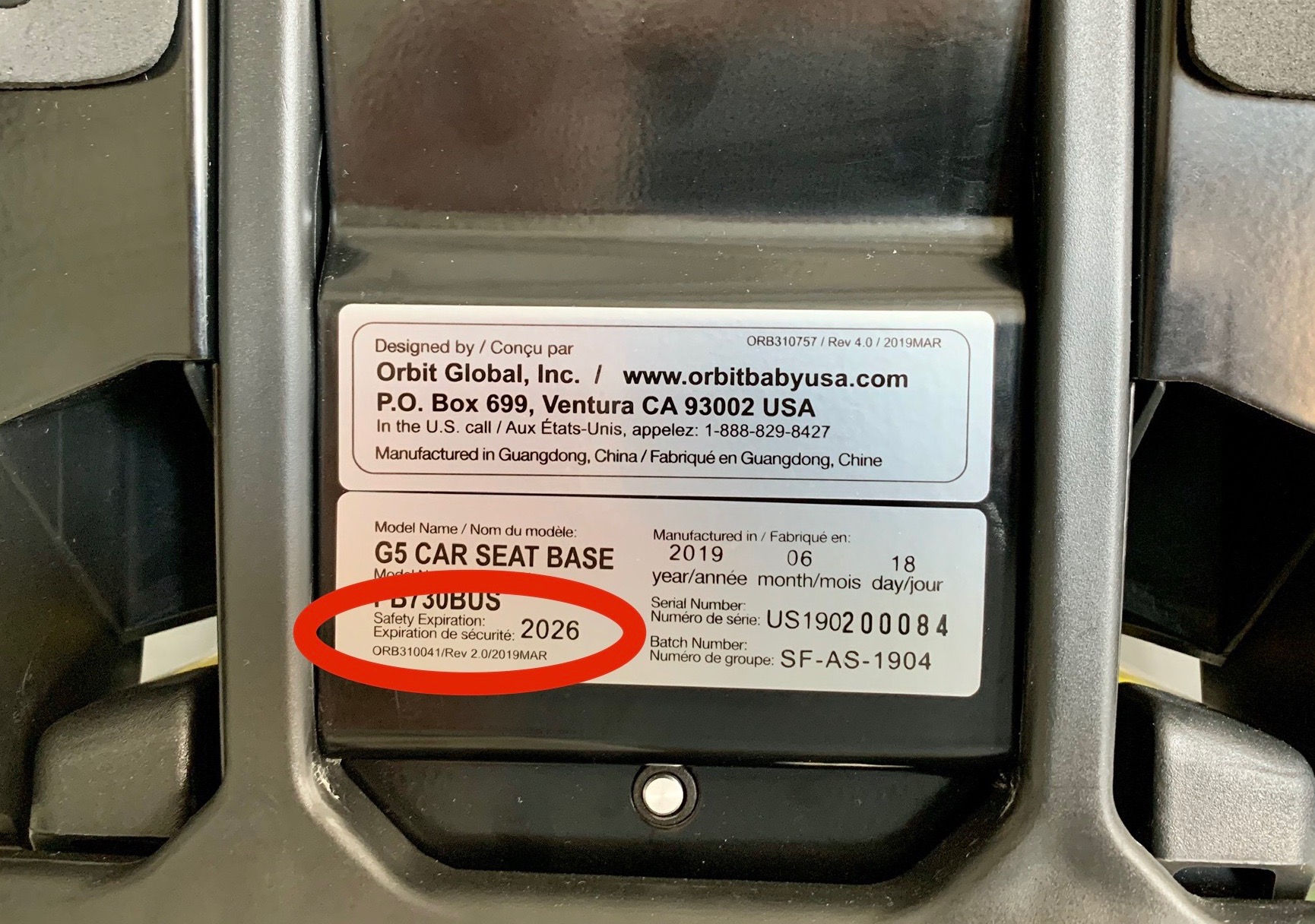
Check the car seat for a label. This label often appears on the back or bottom. The label shows the manufacture date and expiry date. Sometimes the label uses words like “expiration” or “use by.”
If you cannot find the label, look in the manual. The manual usually explains where to find the expiry date. It also tells how long the car seat lasts. Keep the manual for easy reference.
Manufacturer Resources
Visit the car seat manufacturer’s website. Many brands provide tools to check expiry dates. You may need the model number or serial number. Enter these details to find exact information.
Contact the manufacturer’s customer service if unsure. They can give advice on expiry and safety. Using these resources keeps your child secure in every ride.
Signs To Replace Car Seats
Knowing when to replace a car seat is very important. Car seats protect children during travel. Over time, they wear out or become unsafe. Some signs show it is time to get a new one. Recognizing these signs keeps your child safe on the road.
Visible Damage
Check your car seat for cracks or broken parts. Look for frayed or torn straps. Padding that is crushed or missing means less protection. Damage weakens the seat’s ability to protect your child. Even small cracks can cause failure in a crash.
Make sure all buckles and clips work smoothly. If they stick or do not lock properly, replace the seat. Do not try to fix broken parts yourself. Use a new car seat for safety.
Recalls And Safety Notices
Manufacturers may find problems after selling car seats. They issue recalls to fix these issues. Check if your car seat model has any recalls. Visit official websites or contact the company for updates.
Safety notices provide important information about defects. Follow these instructions carefully. Using a seat under recall can put your child at risk. Replace the seat if advised by the manufacturer.
Proper Car Seat Maintenance
Proper car seat maintenance helps keep your child safe. It also extends the life of the seat. Clean and store the seat carefully. This prevents damage and wear. Follow simple steps to maintain your car seat well.
Cleaning Tips
Remove the car seat cover before cleaning. Wash it with mild soap and warm water. Avoid harsh chemicals that can weaken the fabric. Use a soft brush to clean hard-to-reach areas. Wipe the plastic parts with a damp cloth. Let all parts dry completely before reassembling. Regular cleaning prevents dirt buildup and keeps the seat fresh.
Storage Recommendations
Store the car seat in a dry place. Avoid areas with high heat or direct sunlight. Heat can damage plastic and straps. Keep the seat away from moisture to prevent mold. Do not stack heavy items on top of the seat. Cover the seat with a clean cloth to protect it from dust. Proper storage keeps the seat in good condition for longer use.
Regulations And Recommendations
Understanding the rules and advice about car seat expiration helps keep children safe. Car seats do not last forever. They wear out or become unsafe over time. Following official guidelines and expert tips ensures the best protection for your child.
Government Guidelines
Many countries set rules for car seat use and expiration. These rules often say seats expire after 6 to 10 years. The expiration date is usually on a label or molded into the seat. This date shows the last safe day to use the seat.
Governments require manufacturers to test seats for safety over time. After the expiration date, the seat may lose strength or parts may break. Using an expired seat can increase injury risk during crashes.
Expert Safety Advice
Child safety experts agree with government expiration rules. They warn against using old or damaged car seats. Experts say to check seats regularly for wear and tear. Cracks, missing parts, or frayed straps mean a replacement is needed.
Experts also advise not to buy used seats without knowing their history. Seats involved in accidents should never be used again. Safety depends on using a seat in good condition and within the expiry time.
Choosing A New Car Seat
Choosing a new car seat is important for your child’s safety. Car seats have expiration dates to keep up with safety rules and technology. A new car seat means better protection and comfort. Picking the right seat helps your child travel safely every time.
Parents must know what to look for when buying a new car seat. Safety features and correct size matter most. Understanding these points makes the choice easier and safer.
Latest Safety Features
New car seats include improved safety features. Look for side-impact protection and energy-absorbing foam. Some seats have adjustable headrests and harnesses. These features help reduce injury during a crash. Always check if the seat meets current safety standards.
Age And Size Appropriateness
Choose a car seat that fits your child’s age and size. There are rear-facing seats for infants and toddlers. Forward-facing seats work for older kids. Booster seats are for children who outgrow forward-facing seats. A good fit ensures the harness secures your child well. Check weight and height limits on the label.

Credit: www.pampers.com
Credit: support.orbitbabyusa.com
Frequently Asked Questions
How Long Do Car Seats Typically Last?
Car seats usually expire between 6 to 10 years from the manufacture date. Check the label on your seat for exact details. Using expired seats can compromise safety due to material wear and updated safety standards.
Why Do Car Seats Have Expiration Dates?
Car seats expire because materials degrade and safety technology evolves. Over time, plastic weakens and straps wear out. Expiration ensures your seat meets current safety regulations for maximum protection.
Can I Use A Second-hand Car Seat Safely?
Using a second-hand car seat is risky unless you know its full history. Check for expiration, accident involvement, and recalls. Always prefer seats with clear manufacture dates and intact safety features for your child’s protection.
How To Find My Car Seat’s Expiration Date?
Locate the expiration date on a sticker or molded imprint on the car seat. It’s often under the seat or near the label. If missing, consult the manufacturer’s website using the model number for expiration info.
Conclusion
Car seats do not last forever. Check the expiration date on every seat. Old seats may not protect your child well. Cracks, wear, or missing parts are warning signs. Using a seat past its expiry can be unsafe. Always follow the manufacturer’s guidelines for safety.
Replace seats after accidents, even if they look fine. Keeping your child safe is the top priority. Regularly inspect car seats to ensure they work properly. Stay informed and make safety your habit.
