

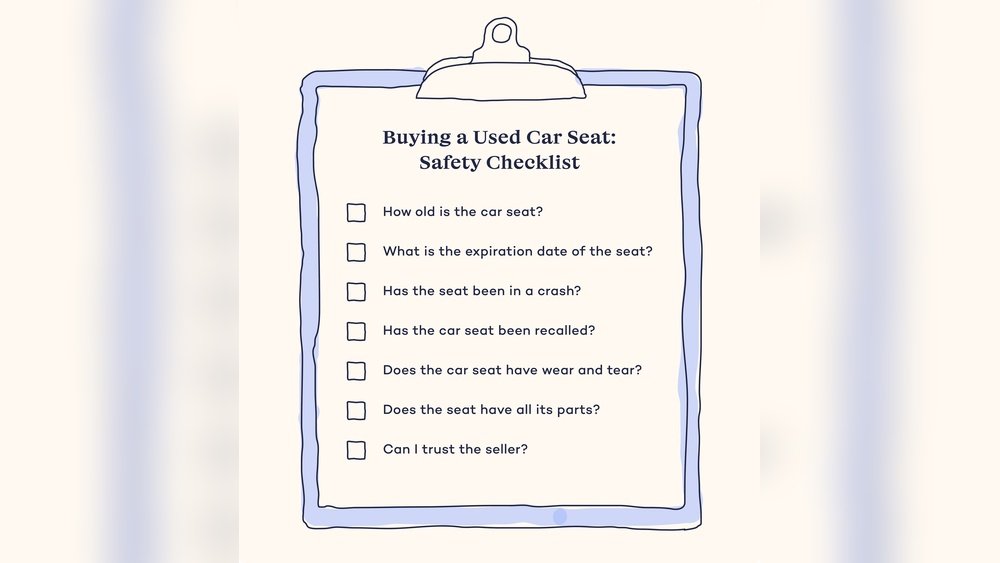
Are you thinking about buying a used car seat to save money? Before you make that choice, it’s important to know if it’s truly safe for your child.
Your little one’s safety depends on it, and a used car seat might hide risks you don’t see at first glance. You’ll discover what to look for, what to avoid, and how to make sure your child stays protected every time they ride.
Keep reading—your child’s safety could depend on the decision you make right now.
Risks Of Used Car Seats
Buying a used car seat may seem like a smart choice. It can save money and reduce waste. Still, used car seats carry risks that can affect your child’s safety. Understanding these risks helps you make a better decision. Here are some key dangers to watch out for.
Hidden Damage And Wear
Used car seats might have damage that is not easy to see. Cracks in the plastic or broken parts can weaken the seat. Seat belts and harnesses can be worn out or frayed. These issues reduce how well the seat protects your child. Even small damage can be dangerous in a crash.
Expired Safety Standards
Car seats have expiration dates for a reason. Over time, materials can degrade and lose strength. Safety rules also change and improve. A used car seat may not meet current safety standards. Using an expired seat means your child might not get the best protection.
Recall And History Concerns
Some car seats are recalled due to safety problems. A used seat might have a recall that was never fixed. You may not know the full history of the seat. It could have been in a crash or used improperly. These unknowns increase the risk to your child’s safety.
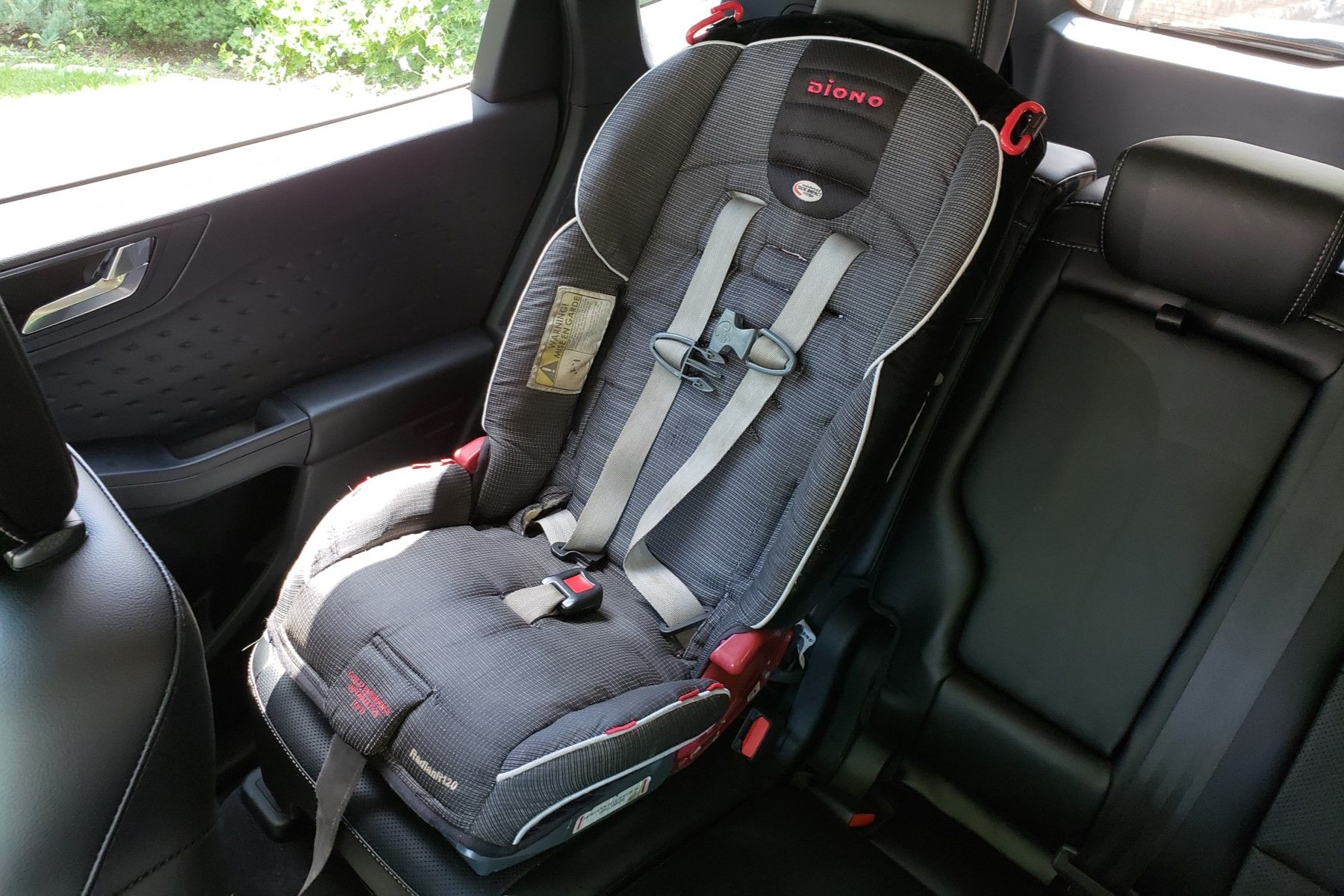
Credit: driving.ca
Checking For Safety Compliance
Checking for safety compliance is essential before buying a used car seat. Safety rules keep children protected during travel. Old or damaged seats might not offer enough protection. Understanding how to check safety can help you make a smart choice. Follow these steps to ensure the seat meets safety standards.
Expiration Dates And Labels
Every car seat has an expiration date. This date shows how long the seat is safe to use. Look for a label on the seat’s side or bottom. The label shows the manufacture date and expiration date. Do not buy a seat past its expiration date. Plastic and materials can weaken over time. Expired seats may fail in a crash.
Recall Checks
Car seats can be recalled if they have safety issues. Check the seat’s model number on the label. Visit the official recall website for car seats. Enter the model number to see if there is a recall. Never use a seat with an active recall. A recalled seat may have defects that cause harm.
Crash History Verification
Car seats involved in crashes might not be safe. Even small crashes can damage the seat’s structure. Ask the seller if the seat was in an accident. A seat with crash history should not be used again. Cracks or dents can weaken the seat. A damaged seat can put a child at risk.
Inspecting Physical Condition
Checking the physical condition of a used car seat is very important. It helps ensure the seat is safe for your child. A careful inspection can show hidden damage or wear. Focus on key parts like straps, buckles, the frame, and padding. These parts must work well to protect your child.
Straps And Buckles
Straps should be strong and free from frays or cuts. Pull each strap hard to check for weakness. Buckles must click securely and release easily. Test them several times to confirm proper function. Broken or sticky buckles mean the seat is unsafe.
Frame And Shell Integrity
The frame supports the seat’s whole structure. Look for cracks or bends in the plastic or metal parts. Even small cracks can cause failure in a crash. Avoid seats with any visible damage to the frame. Check the shell for dents or warping too.
Padding And Covers
Padding cushions your child during a crash. It should feel firm and not worn out. Covers protect the padding and keep the seat clean. Check for tears, stains, or missing parts. Covers should be easy to remove and clean. Damaged padding or covers lower the seat’s safety.
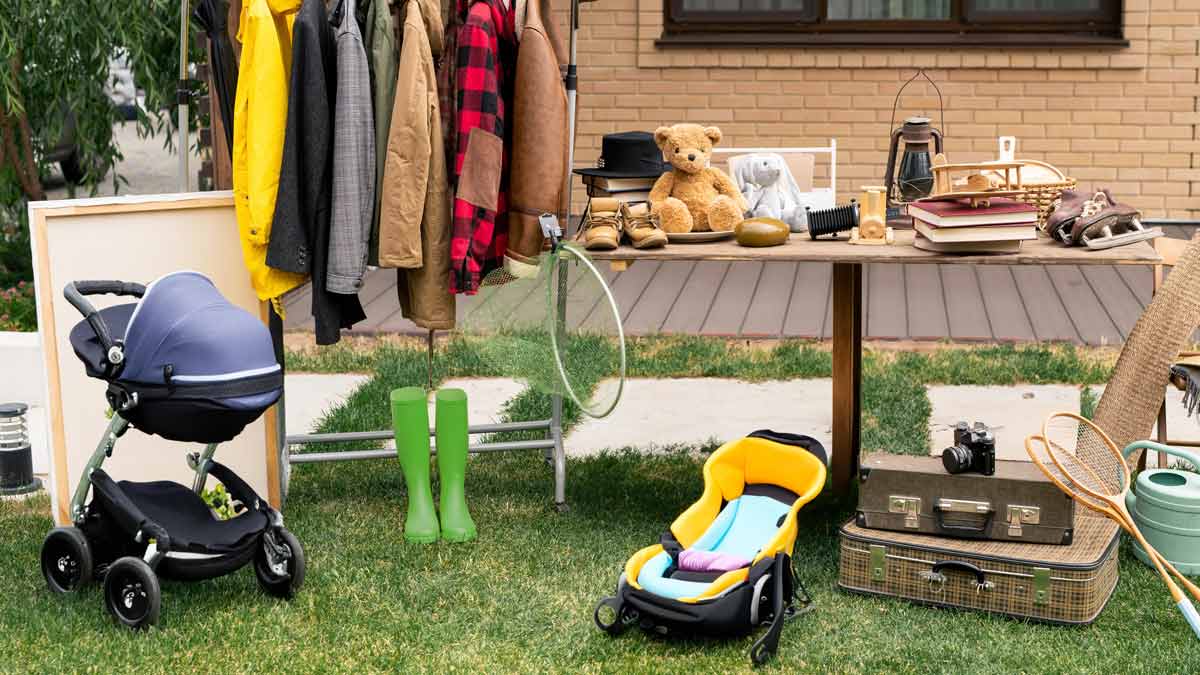
Credit: www.consumerreports.org
Choosing A Trusted Source
Choosing a trusted source is key when buying a used car seat. Safety matters most. A reliable seller ensures the seat meets safety standards. It also reduces the chance of getting a damaged or expired product. Trustworthy sources provide clear information about the car seat’s history and condition.
Certified Resale Programs
Certified resale programs offer used car seats that pass safety checks. Experts inspect these seats carefully. They remove any damaged parts and replace expired items. These programs follow strict rules to keep seats safe. Buying from them means you get a seat that works well and is safe for your child.
Reputable Sellers
Reputable sellers have good reviews and clear policies. They provide full details about the car seat’s age and condition. These sellers answer questions honestly. Their goal is to keep customers safe, not just to sell quickly. You can trust them to offer seats that meet safety rules.
Avoiding Unsafe Deals
Beware of very cheap seats or sellers with no proof of safety checks. Avoid seats without labels or manuals. Do not buy seats involved in accidents or recalls. These might look fine but can be unsafe. Always check the seat’s history and condition before buying.
Cleaning And Maintenance Tips
Cleaning and maintaining a used car seat is crucial for safety and hygiene. Proper care helps the seat last longer and protects your child. Follow easy steps to keep the seat clean and safe.
Safe Cleaning Methods
Remove the cover and wash it with mild soap and warm water. Avoid harsh chemicals that can weaken the fabric. Use a soft brush to clean small spots. Let the cover air dry to prevent shrinking. Wipe the plastic parts with a damp cloth. Do not soak the whole seat in water.
Replacing Parts
Check if any parts are broken or missing. Replace straps, buckles, or padding with original manufacturer parts only. Using non-approved parts can reduce safety. Contact the manufacturer for replacement parts. Keep the manual for guidance on parts replacement.
Regular Safety Checks
Inspect the seat regularly for wear and tear. Check the harness for fraying or damage. Make sure buckles click and release smoothly. Confirm the seat base is stable and not cracked. Tighten all screws and attachments before each use. Regular checks prevent accidents and keep your child safe.
Alternatives To Used Car Seats
Choosing a car seat for your child is a big decision. Used car seats may seem like a good deal. But safety concerns often arise with secondhand seats. Many parents prefer other options that ensure safety and peace of mind. Here are some alternatives to used car seats that you can consider.
New Car Seat Benefits
New car seats come with the latest safety features. They have not been in any accidents or damaged. You get a full warranty and clear instructions. New seats meet current safety standards and regulations. The fit and comfort are tested for your child’s age and size. Buying new reduces any risk of hidden problems.
Rental Options
Car seat rentals offer a temporary and safe choice. They are often inspected and cleaned regularly. This option suits families who travel or need short-term use. Rental companies provide seats approved by safety authorities. It is a budget-friendly way to keep your child safe.
Borrowing From Trusted Sources
Borrowing a car seat from family or friends can work well. Make sure the seat is not expired or damaged. Check the history of the seat carefully. It should have all parts and clear instructions. Borrowing saves money and can be a reliable option if done cautiously.
Credit: driving.ca
Frequently Asked Questions
Is Buying A Used Car Seat Safe For My Child?
Buying a used car seat can be risky. Safety standards change, and past accidents can compromise its integrity. Always verify expiration dates, check for recalls, and avoid seats with visible damage or unknown history to ensure your child’s safety.
How To Check If A Used Car Seat Is Expired?
Car seats have expiration dates, typically 6-10 years from manufacture. Look for the label or molded date on the seat. Using expired seats is unsafe as materials degrade over time, reducing crash protection.
Can A Car Seat Be Unsafe After An Accident?
Yes, car seats involved in accidents may have unseen damage. Even minor crashes can weaken structural components, making them unsafe. Avoid buying used seats without a clear accident history to protect your child.
What Are Key Signs To Avoid In Used Car Seats?
Avoid seats with cracks, missing parts, or faded labels. Check harness condition and buckle functionality. Ensure the seat has not been recalled or expired. These signs indicate compromised safety and should be avoided.
Conclusion
Buying a used car seat can save money but needs caution. Check for recalls and previous accidents first. Avoid seats with cracks, missing parts, or unclear history. Clean the seat well before use. Safety is the top priority for your child’s ride.
Choose carefully to keep your little one protected. A good used seat can be safe if you follow these steps. Trust your judgment and don’t rush the decision. Safety matters most, always.
