

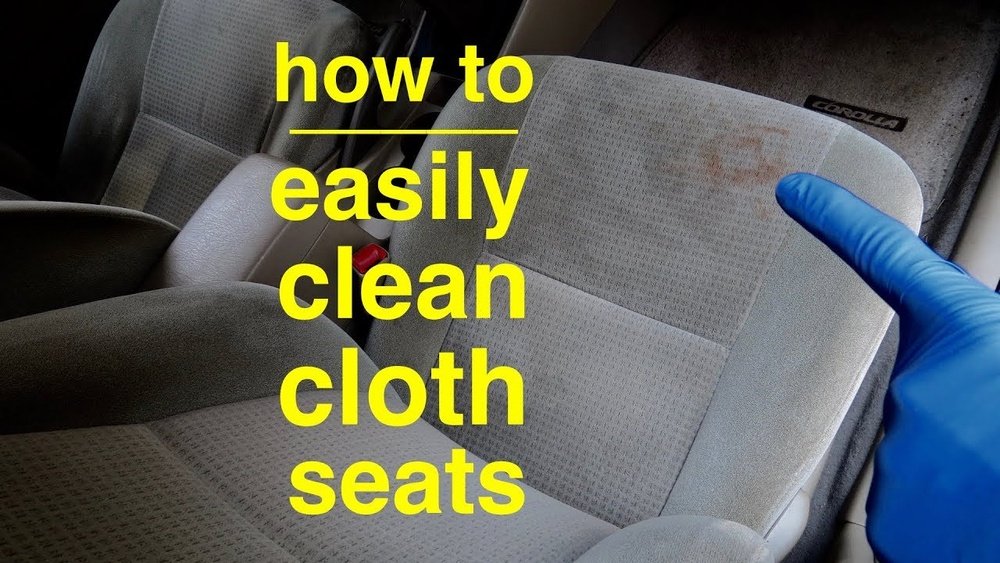
Your car seats face daily wear and tear, from spilled drinks to dirt and dust. Cleaning fabric seats might seem tricky, but you don’t need to spend a fortune or hire a pro.
Imagine stepping into a fresh, spotless car every time—wouldn’t that feel great? In this guide, you’ll discover simple, effective ways to clean your car’s fabric seats yourself. By following easy steps, you can bring back that clean, fresh look and even protect your seats from future stains.
Ready to transform your car’s interior without hassle? Let’s get started!
Credit: www.abbottsathome.com
Gathering Cleaning Supplies
Before cleaning your car seats, gather all necessary supplies. Having the right tools ready saves time and effort. It also helps you clean more effectively without damage. Let’s explore what you need to start.
Essential Tools And Materials
Start with basic cleaning tools. Soft brushes help loosen dirt without harming fabric. Microfiber cloths absorb moisture and clean gently. A vacuum cleaner removes dust and crumbs from seats. A spray bottle can hold your cleaning solution. Gloves protect your skin from chemicals. Have a bucket ready for water or diluted cleaner. These items create a solid foundation for fabric cleaning.
Choosing The Right Fabric Cleaner
Select a cleaner made for car fabric seats. Avoid harsh chemicals that may fade colors or weaken fibers. Look for gentle, water-based cleaners with stain-fighting power. Test the cleaner on a small seat area first. This prevents surprises like discoloration. Choose a product that removes stains and odors. Proper cleaning agents ensure your seats stay fresh and safe.
Preparing Your Car Seats
Preparing your car seats is the first step to a thorough cleaning. It helps remove surface dirt and dust. This makes the deep cleaning more effective. Taking time to prepare ensures better results and protects the fabric.
Removing Loose Dirt And Debris
Start by shaking out any loose dirt or crumbs. Use your hands or a soft brush to lift debris from the seat corners. Check seams and crevices carefully. Removing dirt now stops it from spreading during cleaning.
Vacuuming Techniques For Fabric Seats
Use a vacuum with a soft brush attachment. Move the vacuum slowly over the fabric. Focus on seams and folds where dirt hides. Avoid pressing too hard to protect the fabric fibers. Vacuuming removes dust and small particles effectively.
Spot Cleaning Stains
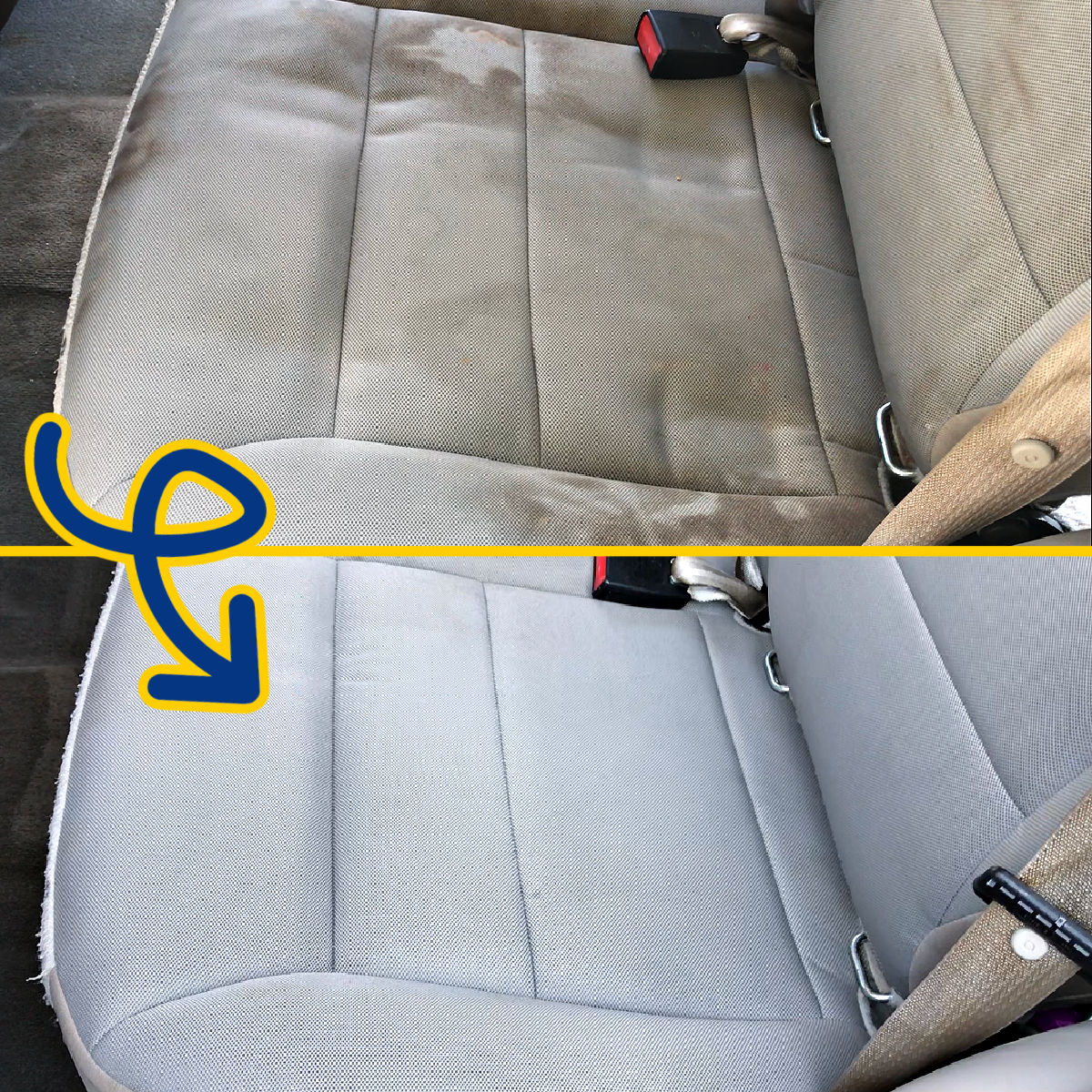
Spot cleaning stains on car seat fabric is an important skill. It helps keep your car looking fresh. Quick action prevents stains from setting deeply. You can save money by cleaning seats yourself. This section covers how to identify and remove stains effectively.
Identifying Different Types Of Stains
Knowing the type of stain guides your cleaning method. Common stains include food, drink, grease, and mud. Food stains might be oily or sticky. Drink stains often look like dark spots or rings. Grease stains feel slippery and dark. Mud stains are usually dry and flaky.
Each stain type needs a different cleaning approach. Spotting the stain type helps avoid damage. Test a small seat area before full cleaning.
Effective Stain Removal Methods
Start with blotting fresh stains using a clean cloth. Avoid rubbing as it spreads the stain. Use mild soap mixed with warm water for most stains. Apply the solution gently with a soft brush or cloth. For grease, sprinkle baking soda first to absorb oil. Let it sit before brushing off.
For tough stains, use a fabric cleaner made for car seats. Follow product instructions carefully. Rinse the area with a damp cloth to remove soap. Let the seat air dry completely before use. Repeat the process if the stain remains visible.
Credit: www.mazdaofsouthcharlotte.com
Deep Cleaning Fabric Seats
Deep cleaning fabric car seats keeps them fresh and looks like new. Dirt, stains, and odors hide deep in the fibers. A simple wipe won’t remove all the grime. A thorough cleaning breaks down dirt and lifts it away. This process refreshes the fabric and improves your car’s smell. Follow these steps for deep cleaning fabric seats at home.
Applying Fabric Cleaner
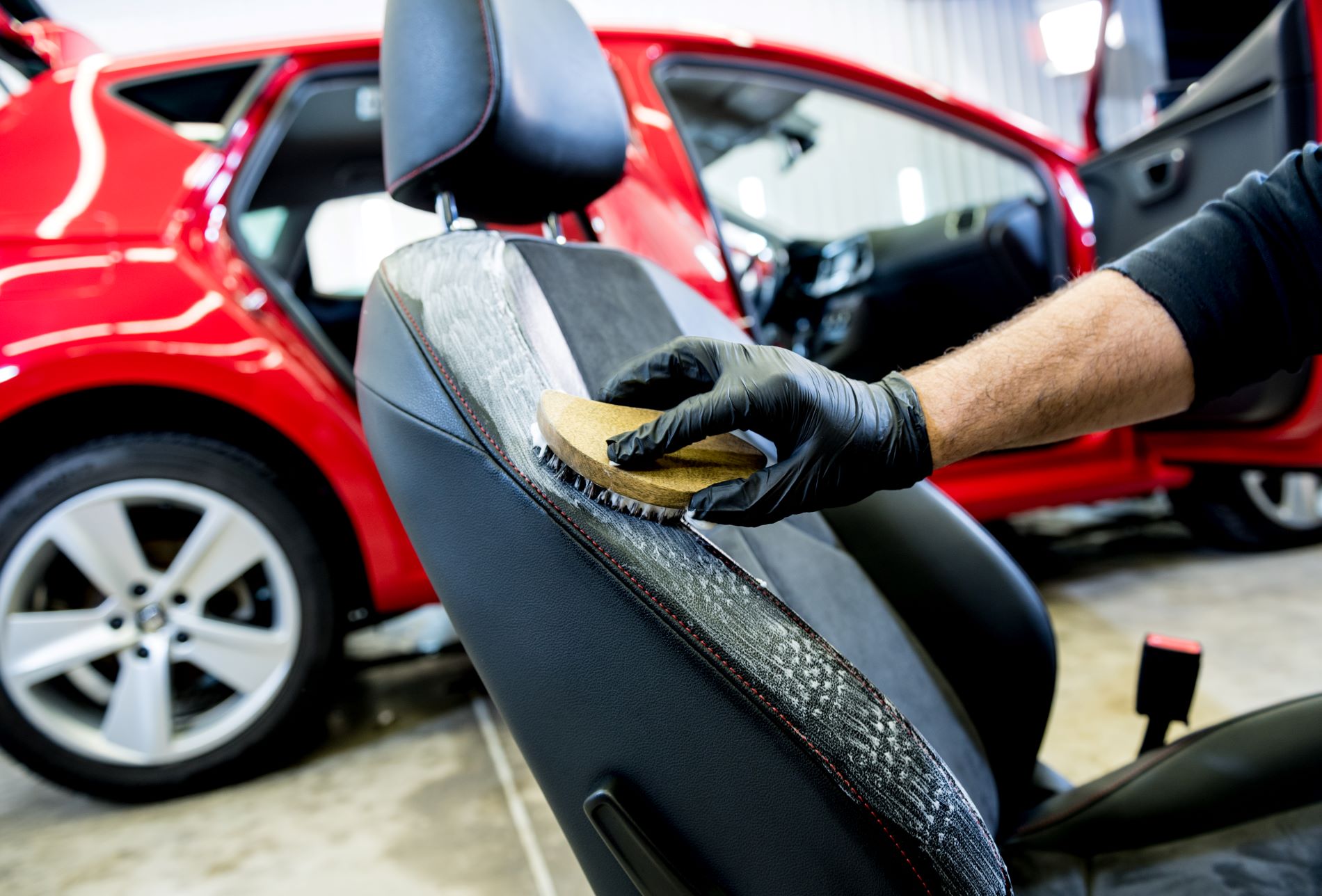
Choose a fabric cleaner made for car seats. Spray a small amount evenly on the seat surface. Avoid soaking the fabric; use light, even coverage. Let the cleaner sit for a few minutes. This helps break down stains and dirt inside the fabric. Do not let it dry completely before scrubbing.
Scrubbing And Agitation Tips
Use a soft brush or cloth to scrub the seat gently. Move in circular motions to lift dirt from fibers. Focus on stained or dirty spots for better results. Avoid using hard brushes that can damage the fabric. Keep the cleaning motions steady and moderate. This helps remove deep dirt without harming the seat.
Rinsing And Removing Residue
Use a clean, damp cloth to wipe away cleaner residue. Rinse the cloth often to avoid spreading dirt back on the seat. Repeat wiping until no cleaner remains on the fabric. Allow the seat to air dry completely before using the car. Proper rinsing prevents sticky residue and keeps seats soft.
Drying And Maintenance
Drying and maintenance are key steps after cleaning fabric car seats. Proper drying stops mold and bad smells. Regular care keeps seats fresh and lasts longer. Follow simple tips to protect your seats every day.
Best Practices For Drying Seats
Open car doors or windows to let air flow. Use fans if possible to speed up drying. Avoid direct sunlight, which can fade fabric colors. Pat seats gently with a clean towel to remove extra moisture. Do not use heat sources like hair dryers on high heat. Let seats dry completely before using the car again. This prevents damp spots and mildew growth.
Preventative Care For Long-lasting Cleanliness
Vacuum seats often to remove dust and dirt. Use fabric protectors to repel stains and spills. Clean spills immediately to avoid deep stains. Avoid eating or drinking inside the car when possible. Use seat covers for extra protection if needed. Regular cleaning keeps fabric fresh and extends seat life. Small efforts make a big difference over time.
Credit: www.youtube.com
Common Mistakes To Avoid
Cleaning car seats fabric yourself saves money and keeps your car fresh. Many people make mistakes that damage fabric or cause other problems. Avoiding these common errors helps keep your seats clean and in good shape longer.
Avoiding Fabric Damage
Using harsh chemicals can ruin fabric fibers. Always choose gentle cleaners made for fabric seats. Do not scrub too hard; this wears out the material. Test any cleaner on a small hidden spot first. Avoid soaking the fabric with too much water. Excess water can weaken glue and padding inside the seat.
Preventing Mold And Mildew
Wet seats that do not dry fast can develop mold. Mold causes bad smells and health issues. After cleaning, open car windows and doors for airflow. Use a fan or park in sunlight to speed drying. Do not close the car before seats are fully dry. Regularly check for any damp spots and dry them quickly.
Frequently Asked Questions
How Do I Clean Fabric Car Seats At Home?
Start by vacuuming the seats thoroughly to remove dirt. Use a fabric cleaner or a mixture of water and mild detergent. Gently scrub with a soft brush, then wipe with a clean cloth. Allow the seats to air dry completely before use.
What Household Items Clean Car Seat Fabric Effectively?
White vinegar, baking soda, and mild dish soap work well. Mix vinegar with water for stains. Baking soda removes odors. Dish soap helps lift dirt. Always test on a small area first to avoid discoloration or damage to fabric.
How Often Should I Clean Fabric Car Seats?
Clean your fabric car seats every 3 to 6 months. This frequency keeps them fresh and prevents dirt buildup. Spot clean spills immediately to avoid stains. Regular maintenance extends the fabric’s life and maintains your car’s interior appearance.
Can I Use A Steam Cleaner On Fabric Car Seats?
Yes, steam cleaners can effectively remove stains and sanitize fabric seats. Use a low heat setting to avoid damage. Test a small area first. Steam cleaning helps eliminate bacteria and odors without harsh chemicals.
Conclusion
Cleaning fabric car seats yourself saves money and time. Use gentle cleaners and soft brushes for best results. Always test a small area first to avoid damage. Regular cleaning keeps seats fresh and extends their life. Dry seats completely to prevent mold and odors.
With simple steps, your car interior looks neat and inviting. A little effort goes a long way in car care. Try these tips to enjoy a cleaner ride every day.
